





RELATED: CARB Fines Fleets for Hiring Trucks Not Meeting California Emissions Standards
Navigating California's New Ruling on Diesel Emissions
On Dec. 11, 2008, California adopted the most stringent emission standards in the nation for on-road heavy-duty diesel trucks with a gross vehicle weight rating (GVWR) greater than 14,000 lbs.
March 24, 2009

Yet, while the cost to comply with the CARB ruling is steep, noncompliance is far more expensive, with penalties ranging up to $10,000 per violation, adding up to staggering fines depending on the number of fleet trucks that don't meet regulations.
Photo: Work Truck
3 min to read
Beginning Jan. 1, 2011, the California Air Resources Board (CARB) ruling will require truck owners install diesel exhaust retrofits that capture pollutants before they are emitted in the air, with nearly all vehicles to be upgraded by 2014. Owners must also replace engines older than the 2010 model-year according to a staggered implementation schedule that extends from 2012-2022.
This ruling applies even if a company is headquartered out of state; while in California, the company's diesel trucks must adhere to CARB mandates.
Funding Helps Ease Compliance
While California offers $1 billion in funding to help business owners achieve compliance, companies should be prepared to invest a significant amount of money to bring a diesel fleet up to code. Just ask Ron Piombo, vice president and facilities manager for Marin Sanitary Service, a waste disposal and recycling firm based in San Rafael, Calif.
Piombo, a veteran fleet manager of 38 years, got a head start on CARB compliance when California adopted the Waste Collection Rule in 2003, which applied standards similar to the latest CARB ruling to the waste collection industry. This rule required companies to implement a phased-in schedule from 2004 through 2010 to achieve particulate matter (PM) reductions of up to 85%.
The process hasn't been cheap. Since 2004, Marin Sanitary Service, which operates approximately 150 trucks, has retrofitted approximately 100 trucks at a total cost of just over $250,000 to date. Marin has also accelerated its truck replacement cycle from an average of 15 years down to 8-9 years.
Yet, while the cost to comply with the CARB ruling is steep, noncompliance is far more expensive, with penalties ranging up to $10,000 per violation, adding up to staggering fines depending on the number of fleet trucks that don't meet regulations.
Achieving Compliance
So how do you navigate the latest CARB ruling to ensure your fleet's compliance and avoid costly penalties? Piombo offers these tips:
If you're based in California or operate vehicles in the state, accept the fact that you must deal with the CARB ruling. "You can't bury your head in the sand and think it's not going to happen or we don't have to deal with this," advises Piombo. "It's here. Now you need to think through how you'll prepare for it."
Seek guidance from your trade association. "We've been very fortunate to have our [California Refuse and Recycling Council] association, which has been in tune with this issue, cutting through a lot of the paperwork and putting out the information where we fleet managers can understand it a lot better," says Piombo.
Create a plan and build a retrofit and truck replacement schedule. "Proper planning keeps you from having to deal with paying penalties," Piombo explains. "Attend meetings when you get the notices [from the state] and open your mind to it and know you must comply and start building a schedule and looking into the future. The State of California is really helpful by giving you a lot of the information as needed."
Work with knowledgeable retrofit vendors. "How knowledgeable is the individual who wants to give you the service? That's something I look for in all my vendors," says Piombo. "Anybody can handle a product. You must have an individual who knows what he or she is talking about, understands the latest CARB regulations, is willing to work for you, and will be there when you call. When I didn't understand something or wasn't sure how my timing was, I would call my vendor, who was right on the ball and produced very well."
Yet the ultimate responsibility for compliance lies on the fleet manager, cautions Piombo. "You can't depend on everybody 100%. You have to do your homework yourself. As fleet managers, we have a lot of other issues to deal with. You could probably spend 60% to 65% of your time just on [CARB compliance] some days and weeks. You have to determine and know that the people you are working with are taking you in the right direction."
Subscribe to Our Newsletter
More Green Fleet

Fleet Forward Conference Introduces One-Day Passes for 2026
New one-day registration gives fleet professionals the flexibility to attend Tuesday, Wednesday, or Thursday, with passes available for $199 through Sept. 18.
Read More →
CALSTART Rebrands as Catalyst Mobility, Will Combine with Forth in 2027
CALSTART has rebranded as Catalyst Mobility and will combine with Forth at the start of 2027. The new organization said it is poised to become one of the world's largest, strongest, and most impactful clean transportation nonprofits.
Read More →
Electric Truck and Charging Programs to Boost Sustainability at NY & NJ Ports
Together, the Port Authority of New York and New Jersey and CALSTART will electrify drayage and terminal operations serving the East Coast’s busiest container port. A pair of incentive programs totaling $45 million has launched to accelerate adoption of zero-emission drayage trucks and terminal tractors.
Read More →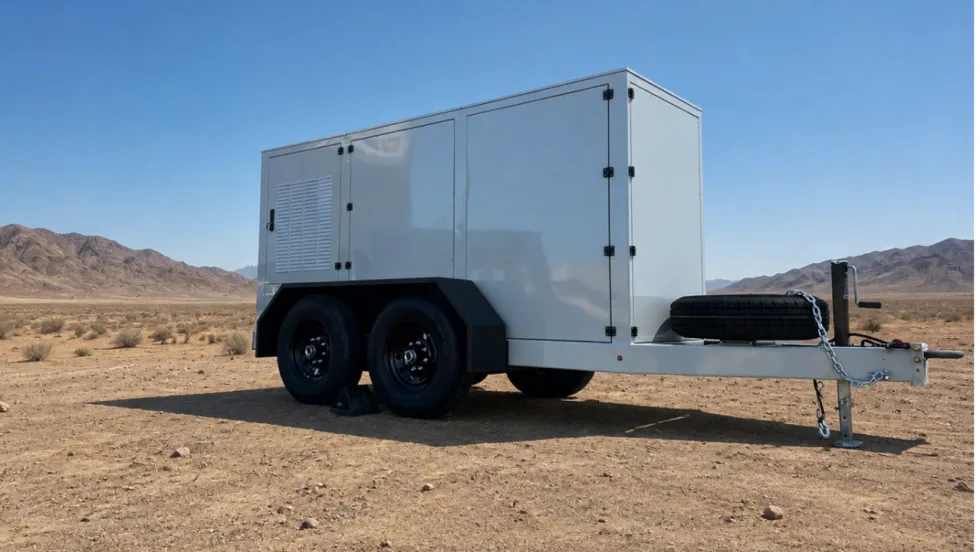
Xos Hub Surpasses One Gigawatt-Hour of Energy Delivered in the Field
A single Xos Hub has surpassed one gigawatt-hour of energy across more than 33,600 charging sessions in the field, demonstrating performance that supports Xos' expansion across new products and markets.
Read More →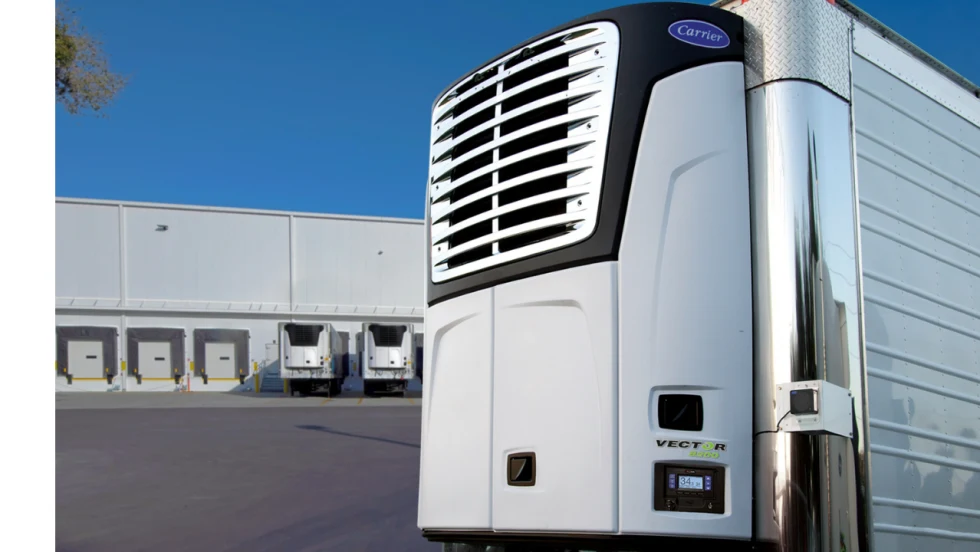
Carrier Transicold Launches All-Electric Vector 8200 TRU for Diesel-Free On-Site Cold Storage
Carrier Transicold’s first engineless multi-temperature TRU helps fresh- and frozen-food fleets add supplemental cold storage capacity during seasonal peaks.
Read More →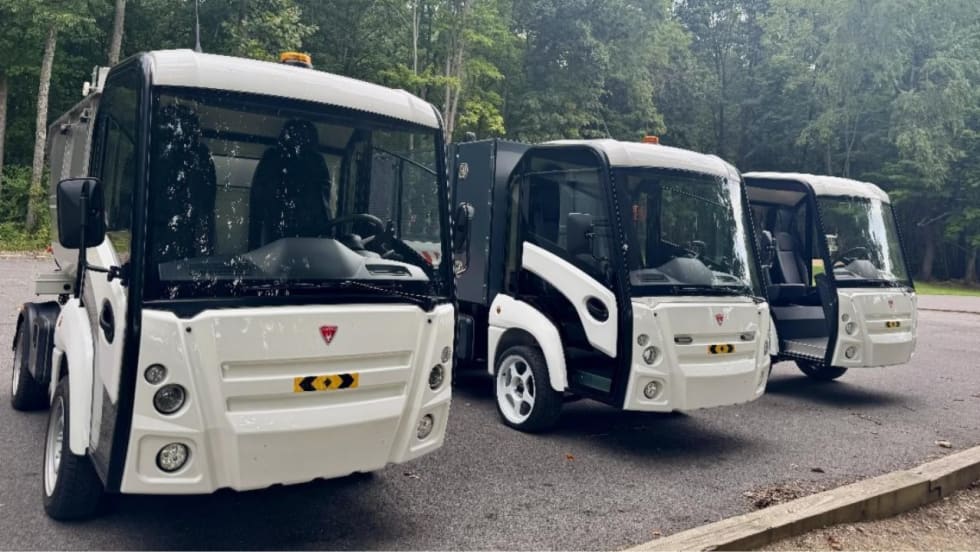
Narro Trucks Introduces Electric Utility Vehicle
Narro Trucks officially launched its operations on Aug. 20 and hosted a ride and drive to showcase its electric truck, which will be produced in Virginia.
Read More →
Samsung SDI Takes Full Control of GM Battery JV as Indiana Plant Pivots to Energy Storage
Samsung SDI is taking full control of its Indiana battery plant with GM, marking a major shift from the EV-focused joint venture Charged Fleet first covered in 2023.
Read More →
NWSA Taps CALSTART to Administer Zero-Emission Drayage Assistance Program
CALSTART will provide free technical assistance services to drayage fleets serving the Ports of Seattle and Tacoma and looking to transition to cleaner technologies and help decarbonize freight hubs.
Read More →
EV Fleet Reality Check: What Operators Wish They Knew Before Electrifying Their Work Vans
Electric work truck upfits bring new compatibility questions. Learn how parts availability, OEM guidance, power demands, and route planning can affect fleet performance.
Read More →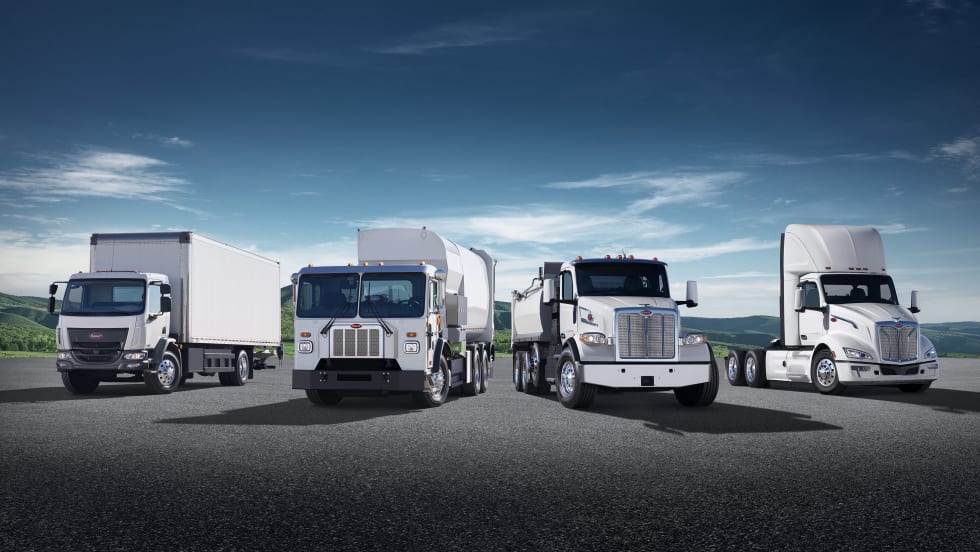
Peterbilt Expands Sourcewell Partnership with Electric Vehicle Lineup
Peterbilt Motors Company’s cooperative purchasing agreement with Sourcewell and its Canadian partner, Canoe Procurement Group, now includes including Peterbilt's battery-electric vehicle lineup.
Read More →