




Mitsubishi Recommits to Fleet
The automaker is making a strong, new commitment to the fleet market going into 2013. It hopes to offer fleets an attractive mix of reliability, innovative technology, and lower lifecycle costs.

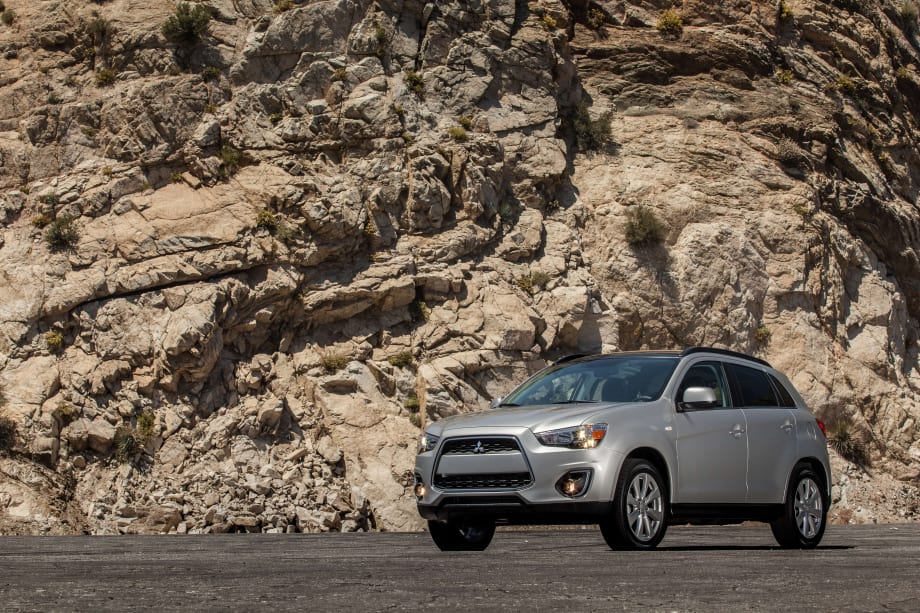
The Outlander Sport (above) and i-MiEV may have different propulsion systems, but both deliver efficiency and cost savings to fleets, according to the automaker.
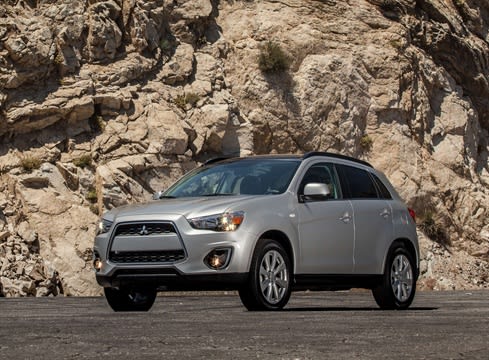
The Outlander Sport (above) and i-MiEV may have different propulsion systems, but both deliver efficiency and cost savings to fleets, according to the automaker.
As Mitsubishi sees it, 2012 has been the perfect time to recommit to the fleet market.
This is a result of ongoing tight budgets, the search for innovative technology, and lower total costs of ownership that has made its vehicles attractive options for fleets, according to Joe Delello, director, Franchise Development and Corporate Fleet.
He noted the automaker’s product line helps answer concerns about cost and efficiency, with the bonus of helping fleets meet their sustainability goals.
“Fleets, both in the public and private sectors, have applications that require four-wheel-drive capability, and most fleets are looking to reduce fuel consumption. Mitsubishi can meet both of those needs,” Delello said.
Meeting Fleets’ Needs
Delello pointed to three Mitsubishi models that offer fleets very specific answers to today’s market, the Outlander family of CUVs and the i-MiEV.
“Fleets are downsizing out of full-size SUVs, and we offer our mid-sized Outlander crossover, and the fuel-efficient, redesigned Outlander Sport. And, with the focus on green technology, the Mitsubishi i-MiEV all-electric sedan is an excellent solution,” Delello said.
The 2013 Outlander features a 168 hp 2.4L four-cylinder engine connected to a Sportronic CVT on the ES and SE models and a 230 hp 3.0L V-6 engine and Sportronic 6-speed automatic transmission combination.
The Outlander Sport is powered by a 148 hp DOHC 2.0L four-cylinder engine equipped with Mitsubishi’s MIVEC variable valve-timing technology. In addition, the Outlander Sport includes numerous safety features and amenities, including Mitsubishi Motors’ all-wheel control all-wheel-drive system, which is also found on the Outlander SE model.
Every 2013 Outlander model is certified as a low emissions vehicle (LEV) in all 50 states.
According to Delello, the Mitsubishi i-MiEV is particularly suited for urban and city applications.
“For any kind of local use — security patrol, municipal meter readers, mail delivery, and light maintenance — the i-MiEV is the perfect solution,” he said.
The vehicle can accommodate four passengers, offers 13.5 cubic feet of cargo space, and gets 112 combined miles per gallon equivalent (MPGe).
The i-MiEV is only the beginning of the company’s alt-fuel commitment. It plans to introduce several other alt-fuel vehicles in the North American market over the next several years, beginning with the planned introduction of a plug-in hybrid-electric version of the Outlander in 2014.
As an added benefit for fleet customers, the 2012 i-MiEV and 2013 Outlander and Outlander Sport each carry a $1,500 incentive per vehicle.
Partnership is the Theme
If there’s a theme that sums up the Mitsubishi fleet program, it’s partnership.
Delello noted the automaker has developed a fleet program and processes that will enable company representatives to work in partnership with dealers, fleets, and fleet management companies.
“Dedicated fleet professionals, both at our corporate offices in Cypress, Calif., and in the field, now have tools and programs that include our new automated ordering system, fleet incentives, and factory courtesy delivery assistance,” he said. “Combined with vehicles that fleets want and need, we’re confident that Mitsubishi has what the market needs,” he said.
For Delello, a “Mitsubishi” fleet is “fuel efficient, hard working, and technologically world class.”
Originally posted on Automotive Fleet
More Small Fleet


Developing Budget-Friendly Driver Safety Programs
From driver training and safety meetings to one-on-one coaching and incentive programs, several small fleets share how they have developed a safety culture with their drivers using low- to no-cost resources.
Read More →
Boosting Last-Mile Fleet Uptime, Safety, and Value with AI Vehicle Inspections
AI-powered inspections are transforming last-mile fleets by replacing manual checks with highly accurate automated scans that detect defects in seconds. By giving fleet operations visibility into the daily condition of their vehicles, you can identify trends over the vehicle’s lifecycle that enable improved procurement decisions, route management, driver training and accountability.
Read More →
Five Ways Seat Belts Help Prevent Injuries
There are five ways seat belts protect occupants from injuries, according to the Tennessee Department of Safety and Homeland Security.
Read More →
It’s here: The 2026 Fleet Technology Trends Report
What does AI mean for fleets? Get the answer — and learn other top tech trends.
Read More →
Small Fleets, Big Impact: How Independent Drivers Power Wreaths Across America
Check out how small fleets and independent drivers power Wreaths Across America each December and why their impact matters more than ever.
Read More →
VMS Survey Finds 65% of Small Fleet Managers Run Operations Alone
A new VMS survey shows small fleet managers are stretched thin, with most handling operations solo and eager to adopt digital tools for relief.
Read More →
Tips for Driving Safely on Halloween Night
This video features a reminder from the Connecticut Department of Transportation (DOT) and the Connecticut Police Chiefs Association, urging drivers to prioritize safety this Halloween.
Read More →
AI, Access, and Uptime: VMS’s Next Chapter with David Prusinski
VMS’s new Co-CEO, David Prusinski, shares how an AI-first approach will give small fleets and repair shops the tools to compete like big players.
Read More →
Fleet Managers Share Winter Prep Tips: It's Never Too Early!
Three fleets share best practices to prep vehicles for winter and prevent downtime when the cold sets in.
Read More →