




Looking to the Cloud
Before "reaching for the clouds," fleet managers should understand how this evolving technology can reduce costs and increase productivity.
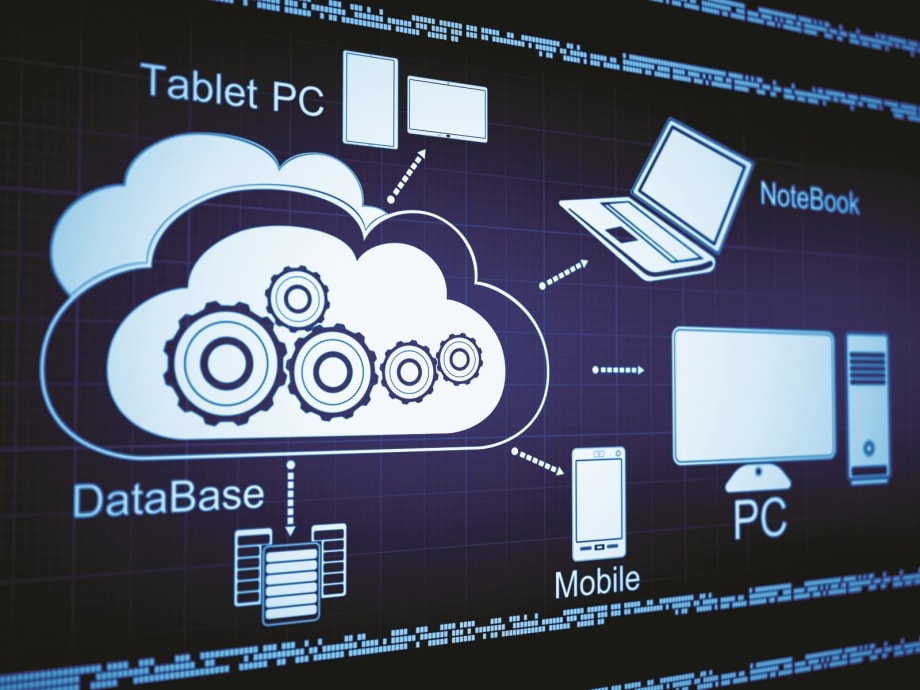
Photo via iStockphoto.com/vertigo3D
Photo via iStockphoto.com/vertigo3D
With computers, their related applications, and all of the hardware evolving at an ever-quickening pace, fleet managers need to know what can help and what can hinder.
One such technology, cloud computing, allows users to store information and software on a virtual server and work from any location.
Automotive Fleet (Business Fleet’s sister publication) spoke with John Edmunds, managing director of cloud solutions at Verizon Enterprise Solutions, about how fleet managers can benefit from adopting this new technology.
AF: What is the current state of enterprise cloud usage/application?
EDMUNDS: It is one of maturity, increased adoption by corporate customers, and one that is under continuous optimization to help customers solve real-world business challenges.
AF: How can fleets utilize the cloud?
EDMUNDS: Fleets have online access to vehicle data and can also use online data management and reporting tools to organize, manage and share vehicle data for informed fleet management decisions.
AF: How can this technology help fleets increase productivity and cut costs?
EDMUNDS: Cloud computing can help the fleet industry by becoming the “engine” that powers the applications. From a productivity standpoint, the enterprise cloud moves the burden of infrastructure management and ongoing maintenance to the solution provider freeing up resources to focus on strategic goals and objectives.
For example, it is becoming common practice to leverage the cloud with most collaboration solutions under a subscription-based model, which allows for more flexibility and agility.
AF: What are some of the options available to fleet managers?
EDMUNDS: The options available stretch across infrastructure as a service in both a self-managed and a fully managed solution on a global basis.
The self-managed solution is available in both a public or within a private, dedicated option. Additional services are being deployed on top of this foundation under a pay-as-you-go model.
AF: What infrastructure needs to be put in place?
EDMUNDS: There is no additional infrastructure required to be put in place. In addition to the existing security, customers are able to bring with them to the environment additional dedicated security technologies, such as intrusion detection/prevention appliances, as well as dedicated networking technology.
AF: What type of fleet-related software/information can be hosted on the cloud?
EDMUNDS: Any industry application can be created or moved to our cloud solution as long as it can be virtualized. In fact, we can enable the migration of an existing application through a one-click provisioning process that protects the data in transit and at rest while in our environment.
AF: What is the return on investment (ROI) for fleet managers?
EDMUNDS: We don’t have specific metrics to share, but on an industry-wide basis we are seeing a 21-percent growth of virtual machines and a 65-percent growth on storage resources.
[PAGEBREAK]
AF: What is the greatest argument in favor of cloud technologies?
EDMUNDS: The greatest argument for the cloud centers around the ability to quickly (within minutes) add and remove resources to keep pace with the corporation’s goals and objectives in serving their end-user customers.
This allows for greater agility, flexibility and efficiencies. As cloud computing has evolved, so has the ability to move applications and workloads to an industry compliant platform.
AF: How can moving to the “cloud” help fleet managers track their vehicles better?
EDMUNDS: Offered as software as a service, which is in the “cloud” available online, telematics provides 24/7 visibility into fleet assets with access to near real-time vehicle data such as mileage, speed, fuel consumption, idle time and diagnostic trouble codes to improve operations and reduce costs.
The system also offers expansive integration capabilities, enabling fleet managers to automate tasks and reduce workload.
Solutions consist of in-vehicle hardware and an online application. Each in-vehicle unit automatically transmits vehicle and asset data over a secure wireless network to the data center.
Users can access the secure website to set and receive vehicle alerts, track vehicles and monitor driver behavior. Using PCs, smartphones or tablets, managers monitor data anywhere to make fleet management decisions.
More Small Fleet


Developing Budget-Friendly Driver Safety Programs
From driver training and safety meetings to one-on-one coaching and incentive programs, several small fleets share how they have developed a safety culture with their drivers using low- to no-cost resources.
Read More →
Boosting Last-Mile Fleet Uptime, Safety, and Value with AI Vehicle Inspections
AI-powered inspections are transforming last-mile fleets by replacing manual checks with highly accurate automated scans that detect defects in seconds. By giving fleet operations visibility into the daily condition of their vehicles, you can identify trends over the vehicle’s lifecycle that enable improved procurement decisions, route management, driver training and accountability.
Read More →
Five Ways Seat Belts Help Prevent Injuries
There are five ways seat belts protect occupants from injuries, according to the Tennessee Department of Safety and Homeland Security.
Read More →
It’s here: The 2026 Fleet Technology Trends Report
What does AI mean for fleets? Get the answer — and learn other top tech trends.
Read More →
Small Fleets, Big Impact: How Independent Drivers Power Wreaths Across America
Check out how small fleets and independent drivers power Wreaths Across America each December and why their impact matters more than ever.
Read More →
VMS Survey Finds 65% of Small Fleet Managers Run Operations Alone
A new VMS survey shows small fleet managers are stretched thin, with most handling operations solo and eager to adopt digital tools for relief.
Read More →
Tips for Driving Safely on Halloween Night
This video features a reminder from the Connecticut Department of Transportation (DOT) and the Connecticut Police Chiefs Association, urging drivers to prioritize safety this Halloween.
Read More →
AI, Access, and Uptime: VMS’s Next Chapter with David Prusinski
VMS’s new Co-CEO, David Prusinski, shares how an AI-first approach will give small fleets and repair shops the tools to compete like big players.
Read More →
Fleet Managers Share Winter Prep Tips: It's Never Too Early!
Three fleets share best practices to prep vehicles for winter and prevent downtime when the cold sets in.
Read More →