




Isuzu FTR Named 2018 Med-Duty Truck of the Year
The award-winning Class 6 truck is powered by a four-cylinder diesel and fits a number of vocational markets. With eight wheelbases, the FTR fits a variety of body applications and urban fleet needs.

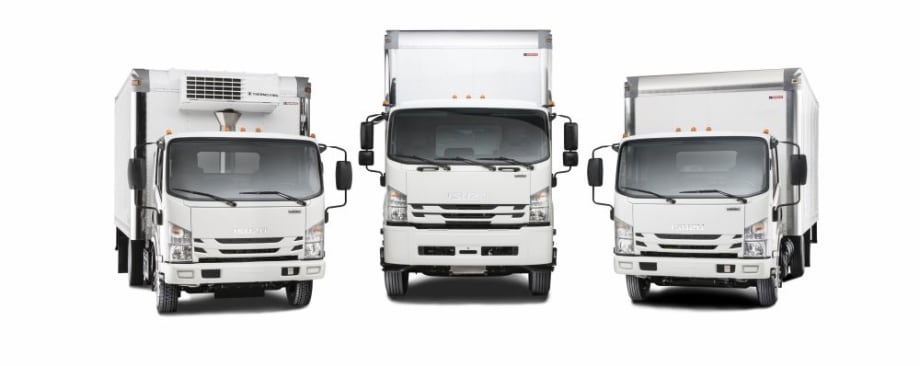
The Isuzu FTR was introduced at The Work Truck Show 2016 and named Medium-Duty Truck of the Year just two years later.
Photo courtesy of ICTA
The Isuzu FTR was named the 2018 Medium-Duty Truck of the Year, picked by our readers from a field of nine competitors.
With the award now in its 11th year, this is the third Medium-Duty Truck of the Year win for the automaker.
In voting for the award, professional fleet managers were asked to consider which of the nine competing trucks best fit their fleet requirements, including application effectiveness, durability, quality, servicing, maintenance, and lifecycle costs.
“The FTR is a great work truck that fits a number of needs across a lot of vocational markets. From food delivery to construction, how our customers use the FTR continues to grow. It has a great platform that can easily be upfit to carrying freight but has also been upfit with dump and chipper bodies for those vocations needing more payload in rugged environments. Overall, the FTR is still growing and it will be interesting to see what vocations it introduces or reintroduces back into the Isuzu brand,” said Shaun Skinner, president of Isuzu Commercial Truck of America (ICTA).
Powered by Efficiency
Introduced for the first time at The Work Truck Show 2016, the FTR is powered by Isuzu’s renowned 4HK1-TC 5.2L turbocharged four-cylinder diesel engine — a first in the segment, according to the automaker. The powerplant is mated to an Allison 2000 Series 6-speed automatic transmission. The engine generates 520 lb.-ft. of torque and 215 hp.
“For fleets, the FTR is a great fit. The FTR’s efficient four-cylinder diesel is at the top of the list. Most Class 6 trucks cannot match the FTR in fuel efficiency and the engine goes beyond being efficient, it is also durable. The 4HK1-TC engine carries a B-10 durability rating of 375,000 miles. The efficiency and durability of the FTR help provide a low cost of ownership while holding a strong residual value synonymous with the Isuzu brand,” Skinner said.
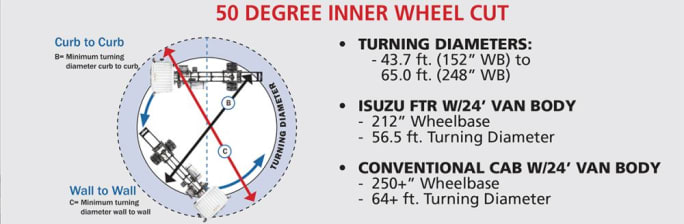
The Isuzu FTR features a tight turning radius for enhanced urban maneuverability and an increased line of sight for driver visibility.
Production on the FTR began in early 2017 at the 80,000 square-foot Spartan Motors facility in Charlotte, Mich.
With a gross vehicle weight rating (GVWR) of 25,950 pounds, the FTR features eight wheelbase configurations to accommodate bodies from 14 to 30 feet, allowing for a variety of body applications. It was designed with a clean back-of-cab to provide more space for body applications compared to the previous F-Series truck.
“A lot of fleets have standard spec’ed bodies and may only have a couple different sizes they commonly use. But, with the FTR they can build bodies from 14 to 30 feet across eight wheelbases to make their fleets more flexible to their cargo and route requirements. What’s even better is that thanks to the FTR’s low-cab-forward design, they can carry more cargo on the same wheelbase when compared to a conventional cab. The larger CA dimensions allow for about a two-foot longer body,” Skinner added.
In addition, the truck features a 50- or 100-gallon left-hand side-mounted fuel tank, based on wheelbase, tilt and telescopic steering columns, and an exhaust brake is standard.
An Urban Driver
The Isuzu FTR was built with urban fleets in mind and was designed with a focus on increased maneuverability and enhanced visibility.
“Most trucks in the Class 6 market are conventional cabs. This makes them tougher to maneuver in urban areas where space and visibility are at a minimum in tight quarters. The FTR’s low-cab-forward design is the best in the class when it comes to maneuverability and visibility. This not only enhances safety but also makes the FTR easier to drive,” Skinner said.
The FTR features a tight turning diameter of 4.37 feet (on the 152-inch wheelbase) to 65 feet (on the 248-inch wheelbase). When you add the 24-foot van body to the 212-inch wheelbase you have a 56.5-foot turning diameter. Finally, the conventional cab with 24-foot van body on the 250-plus-inch wheelbase has around a 64-foot turning diameter.
In addition, the FTR provides increased forward visibility when compared to traditional cabs with an improved forward line of sight.
The truck also offers enhanced driver ergonomics, with a wide step and wide, 90-degree door openings that allow ease of access to the truck’s interior.
On the inside, the three-across seating provides room for the driver and two passengers. When not in use, the center front seat can fold down, providing storage in addition to the space behind the seats.
“All of us at Isuzu Commercial Truck of America would like to thank all of the readers of Work Truck Magazine for this honor for the third time in six years. We are all very proud of the all-new Class 6 Isuzu FTR — and this year’s honor is particularly rewarding for us since the FTR is new to the Class 6 truck arena,” Skinner concluded.
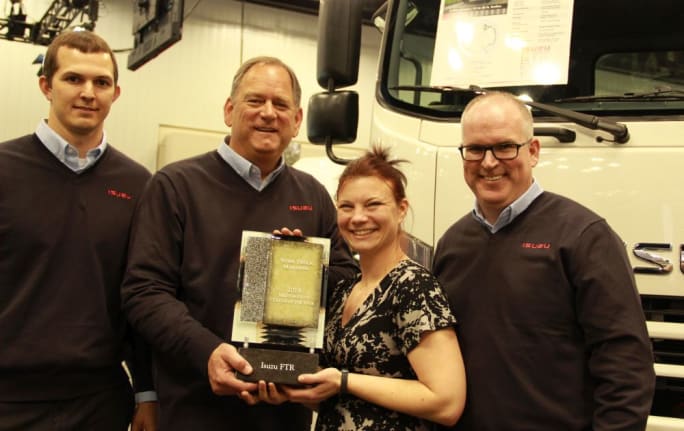
Work Truck's Executive Editor, Lauren Fletcher (second from right) presents the Medium-Duty Truck of the Year award to (l-r) ICTA's Tim Ellsworth, product planning manager; Shaun Skinner, president; and Brian Tabel, executive director, marketing.
Photo courtesy of Roselynne Reyes
RELATED: Video - Award Presented to Isuzu for 2018 Medium-Duty Truck of the Year
More Vehicle Research
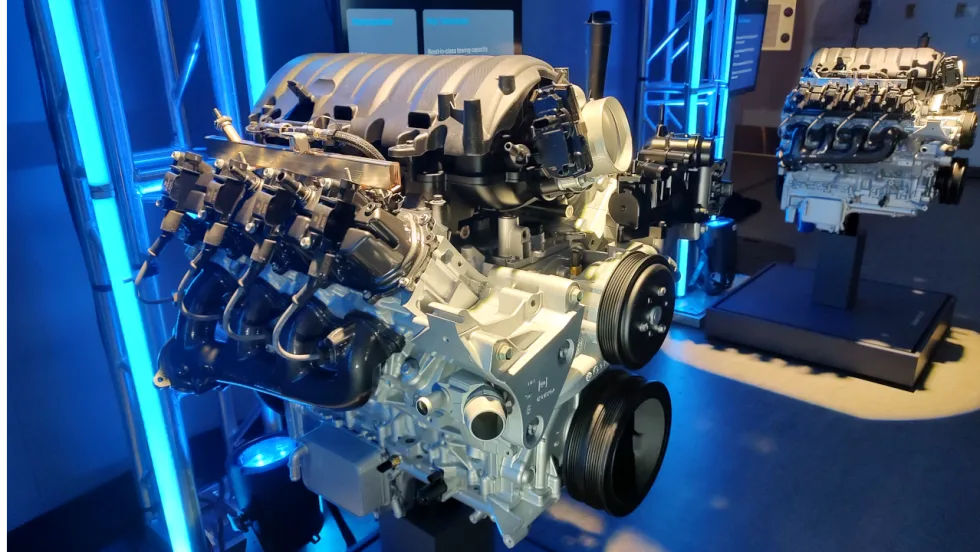
GM Unveils New Sixth-Generation Small Block Engines for 2027 Light-Duty Pickups
General Motors unveiled two new small-block engines, backed by extensive real-world validation and more than 70 years of small-block V8 manufacturing experience, as part of the engine portfolio for the 2027 Chevrolet Silverado 1500 and GMC Sierra 1500.
Read More →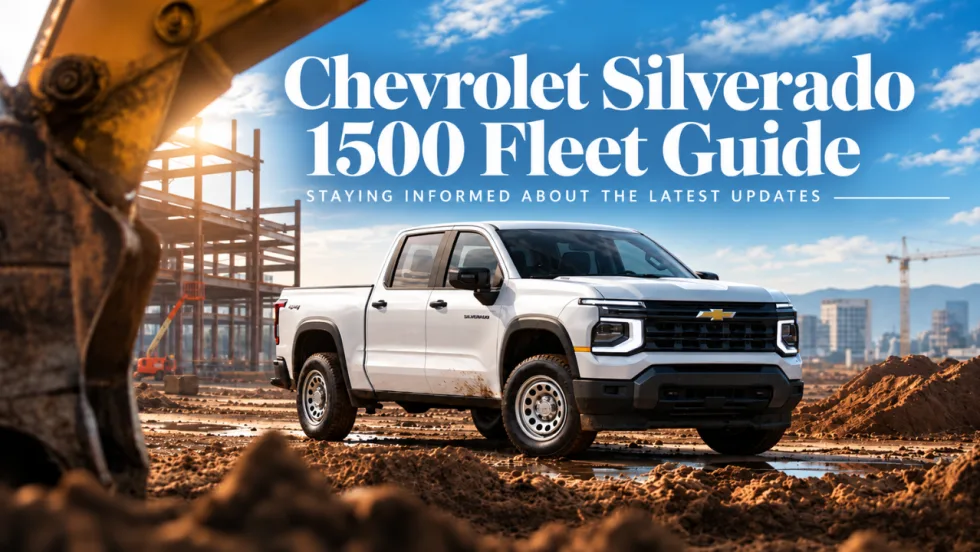
Chevrolet Silverado 1500 Fleet Guide Specs Capability and 2027 Model-Year Updates
The next-generation 2027 Chevrolet Silverado 1500 brings new V-8 engines, updated technology, expanded safety features, and a fleet-focused Work Truck. Here’s what commercial fleets need to know so far.
Read More →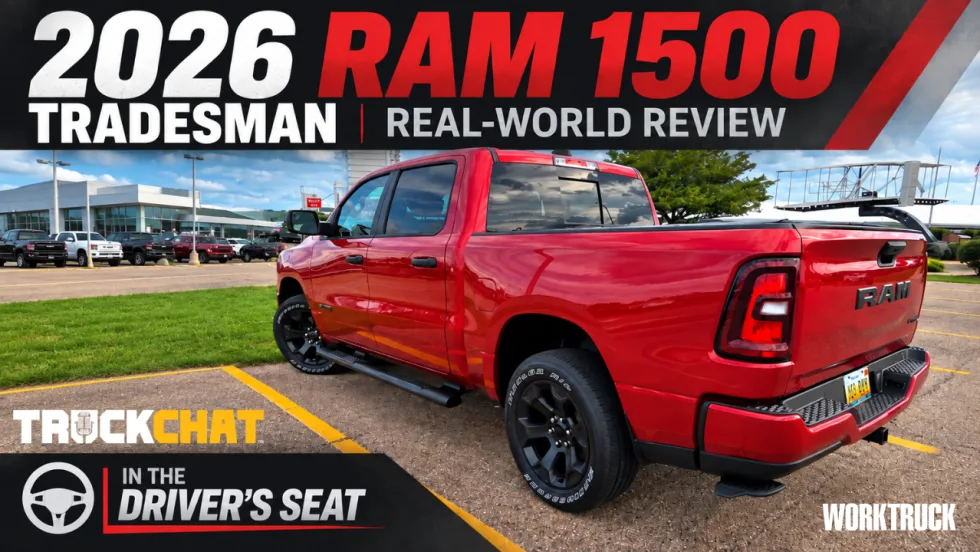
2026 Ram 1500 Tradesman Put to a Real-World Fleet Test
A few days behind the wheel of a 2026 Ram 1500 Tradesman turned into a test of visibility, parking, work-ready features, and even severe-weather driving.
Read More →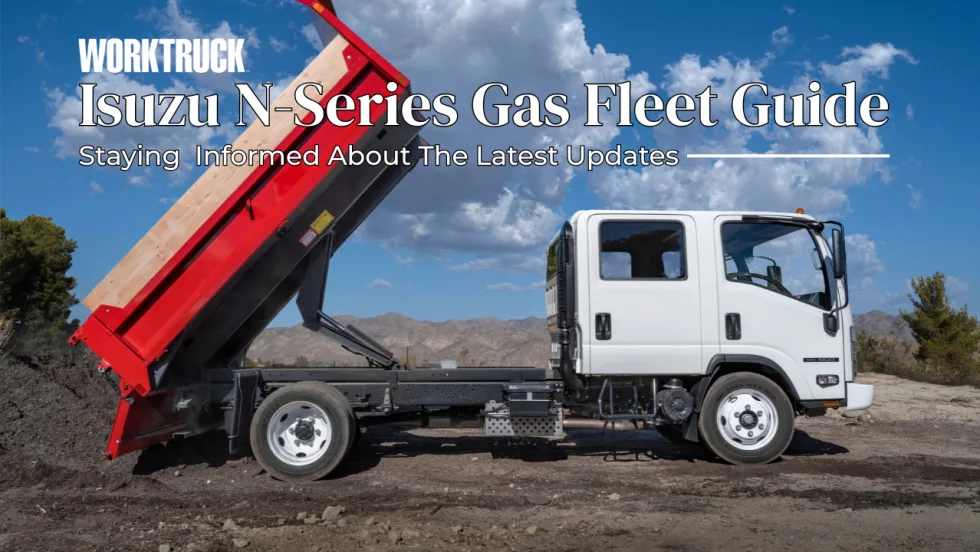
Isuzu N-Series Gas Fleet Guide: Specs, Capability and 2027 Model-Year Updates
Explore Isuzu Truck North America’s N-Series Gas fleet specs, engine performance, GVWR and payload capability, configurations, chassis dimensions, work-focused features, and 2027 model-year information.
Read More →
Ram ProMaster City Fleet Guide Specs Cargo Capacity and 2027 Updates
Work Truck’s Ram ProMaster City Fleet Guide tracks the latest specifications, cargo capability, configurations, fleet technology, pricing, and model-year updates for Ram’s mid-size commercial van.
Read More →
Ford F-150 Fleet Guide Specs Capability and 2026 Model-Year Updates
Explore 2026 Ford F-150 fleet specs, engines, towing and payload capability, configurations, work features, technology, and model-year updates.
Read More →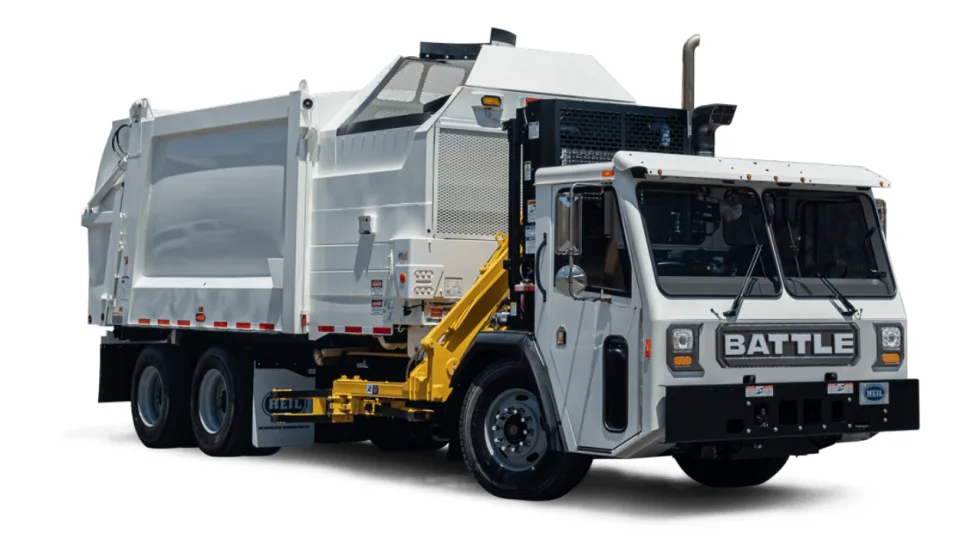
TCI Now Sells & Supports Battle Motors’ Vocational Trucks
Midwest truck dealer Truck Centers, Inc. (TCI) has expanded its transportation solutions with sales and service support for Battle Motors’ heavy-duty vocational trucks at locations in locations in Indiana, Illinois, and Missouri
Read More →
Ram 1500 Fleet Guide Specs, Capability and 2027 Model-Year Updates
Explore always up-to-date Ram 1500 fleet specs, engines, towing and payload capability, configurations, technology, pricing updates, and model-year changes.
Read More →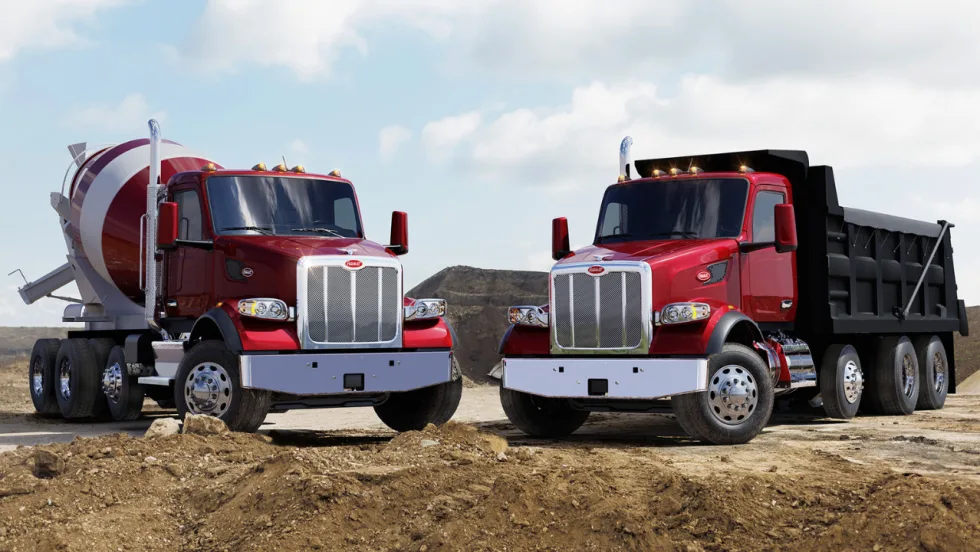
Peterbilt Trucks Equipped with Paccar TX-18 Pro Boost Efficiency for Maryland Fleet
Patuxent Companies is replacing aging trucks with the Peterbilt Model 567 and Model 589, specified with the Paccar TX-18 Pro 18-speed automated transmissions, and is reporting an 8% to 10% improvement in fuel economy.
Read More →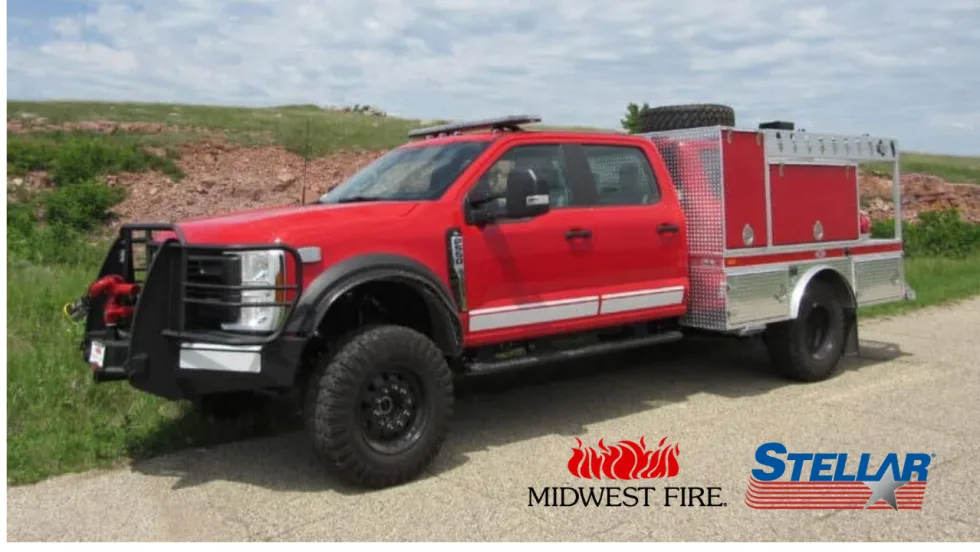
Stellar Expands into Fire Apparatus Market with Acquisition of Midwest Fire
Stellar Industries has acquired Midwest Fire, a custom fire apparatus manufacturer headquartered in Luverne, Minnesota, with nearly four decades of specialized apparatus experience.
Read More →