




Related: A Quick Spin in the International CV
International’s New CV Series
International Truck’s newest offering is the only Class 4/5 truck designed and supported by an OEM that specializes in commercial vehicles.

Roselynne Reyes・Senior Editor
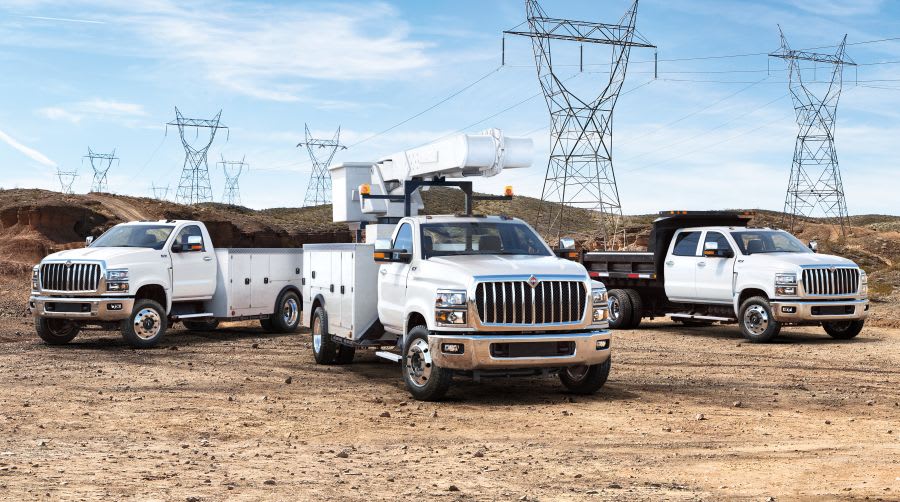
The CV Series is International’s Class 4/5 offering, applicable to many industries.
Photo courtesy of International
3 min to read
International Truck is entering a new class with its new CV Series. Designed in partnership with General Motors, the CV Series is the only Class 4 and Class 5 truck designed, distributed, and supported by a manufacturer specializing in commercial vehicles.
The CV is smaller than International’s other offerings and is ideal for small businesses getting ready to scale up and adopt medium-duty trucks for the first time, according to the company.
Under the hood, the CV is powered by International’s 6.6L engine paired to an Allison 6-speed transmission, delivering 350 hp and 700 lb.-ft. of torque.
The CV offers a maximum GVWR of 22,900 pounds and a maximum GCWR of 37,500 pounds.
Multiple wheelbases are available to suit just about any application with straight frame rails for easy body mounting.
Versatile, Commercial-Grade Features
The CV Series is built with commercial-grade features, including a gear-driven transfer case, in a smaller package.
The chassis is painted for corrosion resistance and fitted with HuckBolt chassis fasteners for a constant clamping force without retorqueing.
High-strength, low-alloy steel frame rails are able to accommodate a wide range of truck bodies for many applications. Additionally, a forward-tilting hood offers easy access to the engine.
International offers a dual-battery box mounted under the CV’s cab, as well as multiple fuel tank options, and optional exhaust outlets.
Manuevering around urban areas is also made easier with the 50-degree wheel cut, which reduces the truck’s turning diameter.
Driver-Focused Comfort
Similar to other models in the truckmaker’s lineup, the CV Series was built from International’s DriverFirst philosophy, which includes features that prioritize safety, comfort, and drivability.
For added driver comfort, the CV boasts infotainment options, including an 8-inch color touchscreen with navigation and, for the first time on an International Truck, Apple CarPlay, and Android Auto.
International offers an optional air ride suspension with an engine-mounted compressor, which can be used to adjust height for a smoother ride for crew and cargo.
A Network of Expertise & Support
The CV Series is the result of collaboration between International’s parent company Navistar and General Motors on Class 4 and 5 trucks, which also resulted in the Chevrolet 4500HD, 5500HD, and 6500HD introduced earlier this year. It marks International’s smallest truck, and General Motors’ return to the medium-duty market.
Unlike its counterpart, however, the CV Series is supported by International’s network of dealers and engineers to support all type of fleets. This network can help a fleet choose the right specs or even design a custom configuration from the ground up.
International’s network includes more than 700 service locations, more than 9,500 ASE-certified diesel-trained technicians in the U.S. and Canada, and a commercial-grade parts network where 98% of parts are available through International dealers or through parts distribution centers.
Subscribe to Our Newsletter
More Vehicle Insights
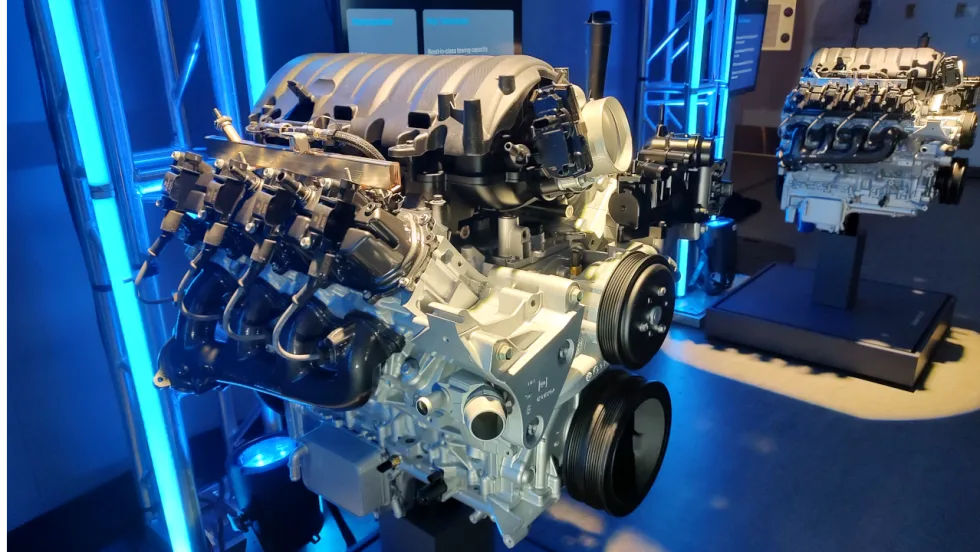
GM Unveils New Sixth-Generation Small Block Engines for 2027 Light-Duty Pickups
General Motors unveiled two new small-block engines, backed by extensive real-world validation and more than 70 years of small-block V8 manufacturing experience, as part of the engine portfolio for the 2027 Chevrolet Silverado 1500 and GMC Sierra 1500.
Read More →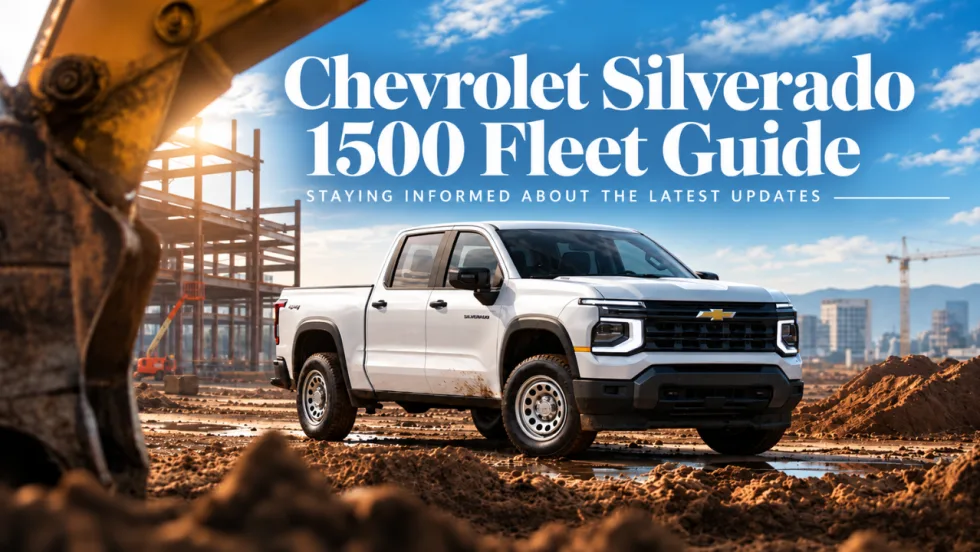
Chevrolet Silverado 1500 Fleet Guide Specs Capability and 2027 Model-Year Updates
The next-generation 2027 Chevrolet Silverado 1500 brings new V-8 engines, updated technology, expanded safety features, and a fleet-focused Work Truck. Here’s what commercial fleets need to know so far.
Read More →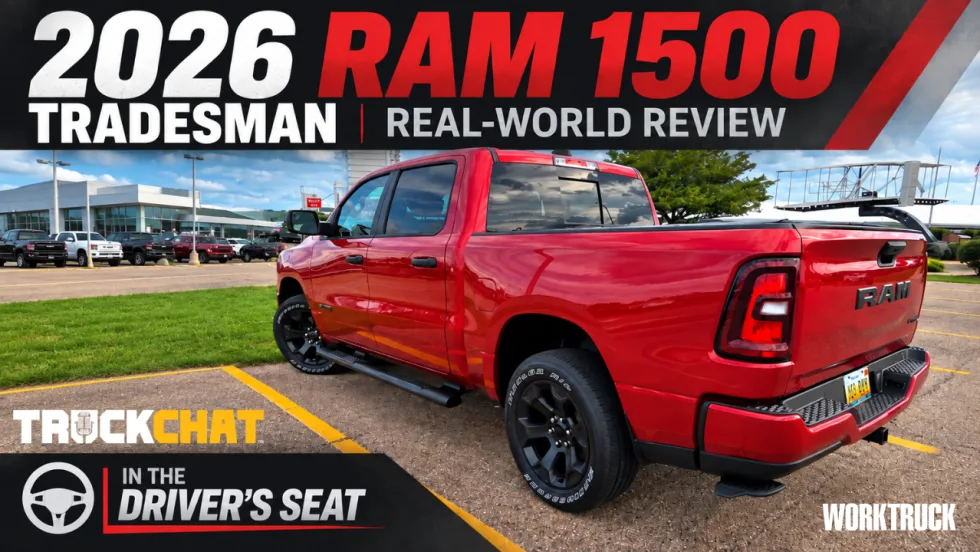
2026 Ram 1500 Tradesman Put to a Real-World Fleet Test
A few days behind the wheel of a 2026 Ram 1500 Tradesman turned into a test of visibility, parking, work-ready features, and even severe-weather driving.
Read More →
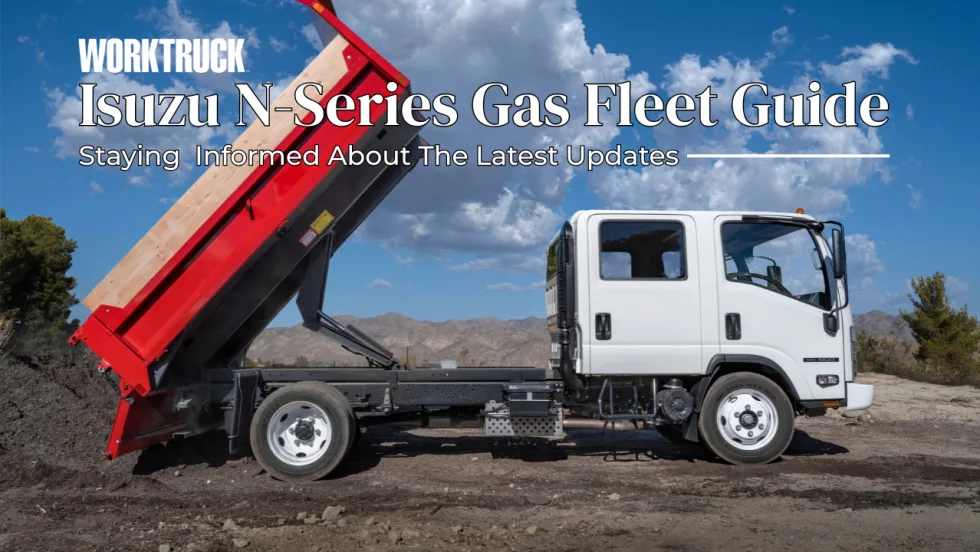
Isuzu N-Series Gas Fleet Guide: Specs, Capability and 2027 Model-Year Updates
Explore Isuzu Truck North America’s N-Series Gas fleet specs, engine performance, GVWR and payload capability, configurations, chassis dimensions, work-focused features, and 2027 model-year information.
Read More →
Ram ProMaster City Fleet Guide Specs Cargo Capacity and 2027 Updates
Work Truck’s Ram ProMaster City Fleet Guide tracks the latest specifications, cargo capability, configurations, fleet technology, pricing, and model-year updates for Ram’s mid-size commercial van.
Read More →
Ford F-150 Fleet Guide Specs Capability and 2026 Model-Year Updates
Explore 2026 Ford F-150 fleet specs, engines, towing and payload capability, configurations, work features, technology, and model-year updates.
Read More →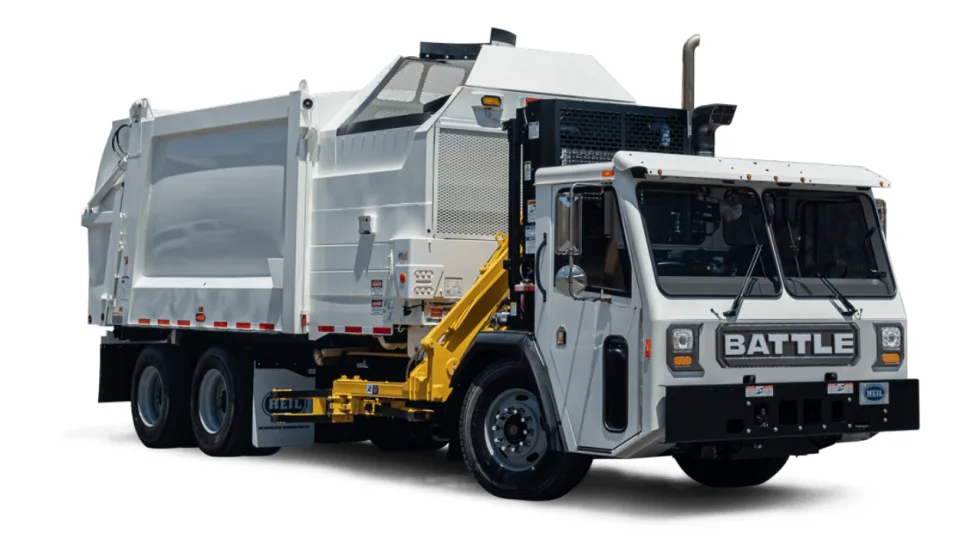
TCI Now Sells & Supports Battle Motors’ Vocational Trucks
Midwest truck dealer Truck Centers, Inc. (TCI) has expanded its transportation solutions with sales and service support for Battle Motors’ heavy-duty vocational trucks at locations in locations in Indiana, Illinois, and Missouri
Read More →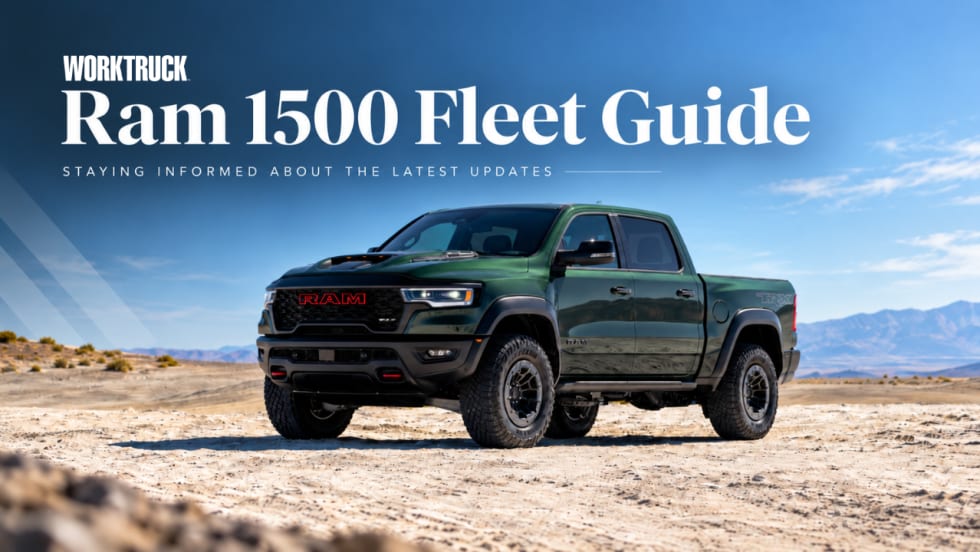
Ram 1500 Fleet Guide Specs, Capability and 2027 Model-Year Updates
Explore always up-to-date Ram 1500 fleet specs, engines, towing and payload capability, configurations, technology, pricing updates, and model-year changes.
Read More →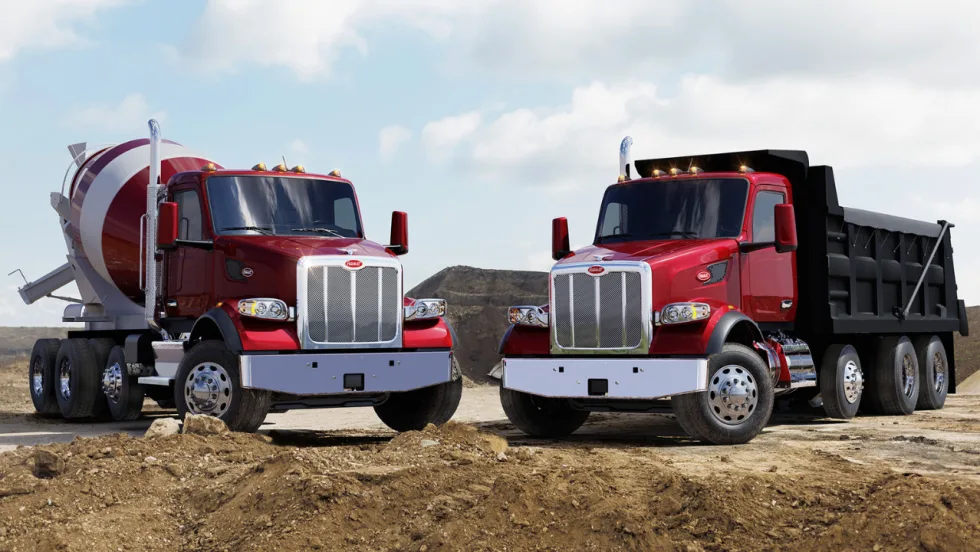
Peterbilt Trucks Equipped with Paccar TX-18 Pro Boost Efficiency for Maryland Fleet
Patuxent Companies is replacing aging trucks with the Peterbilt Model 567 and Model 589, specified with the Paccar TX-18 Pro 18-speed automated transmissions, and is reporting an 8% to 10% improvement in fuel economy.
Read More →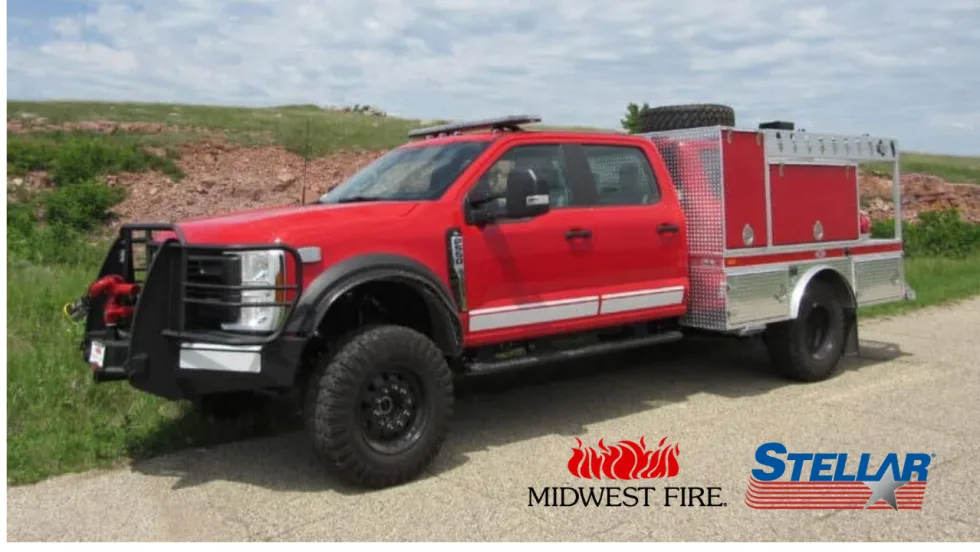
Stellar Expands into Fire Apparatus Market with Acquisition of Midwest Fire
Stellar Industries has acquired Midwest Fire, a custom fire apparatus manufacturer headquartered in Luverne, Minnesota, with nearly four decades of specialized apparatus experience.
Read More →