




Innovation Spotlight: Reversing the Food Truck Concept
One business took innovation to a new level with a fresh take on an old favorite. Utilizing a 1983 Chevrolet Step Van had its challenges, but the end result was worth the effort.

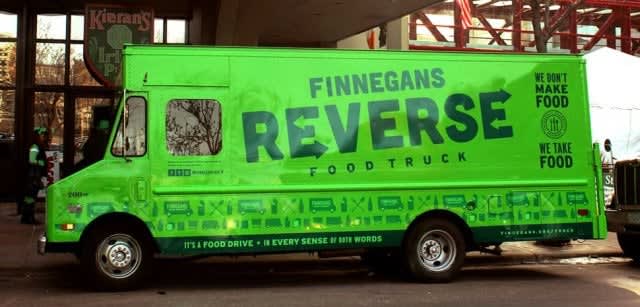
Emptying the truck of all interior storage helped allow more room for food. An awning was added, as well as a window to accept donations and a metal table was installed for anyone working the donation window. (PHOTO: FINNEGANS REVERSE FOOD TRUCK)
Rather than serving food, one vehicle has been converted to do just the opposite: accept food donations, just like a food drive on wheels.
The Minneapolis-based Finnegans was founded in 2000 and was the first beer company in the world to donate 100% of its profits to hunger alleviation charities, according to the company.
To further its mission to put “hunger in the rearview,” in March 2014 the Finnegans Reverse Food Truck was created in partnership with the Emergency Foodshelf Network. The aim: to collect $50,000 in food and donations or more in just seven months.
Through the Finnegans Community Fund, 100% of its profits from the beer business are turned into food for the hungry. Additionally, 98% of all funds that are donated to the Finnegans Community Fund go directly to alleviating hunger in local communities.
Creating the Reverse Food Truck Concept
The idea to create the Reverse Food Truck came from the company’s advertising agency, Martin Williams.
“We are always looking for ways to give back even more, and when we heard the idea we couldn’t resist taking a chance at something big,” said Reverse Food Truck Coordinator Jake Haehnel.
The company upfitted a 1983 Chevrolet Step Van P30 to create the unique vehicle. To create the upfit, a few modifications had to be made.
“We had to empty the truck of all interior storage and equipment to allow for more room for more food,” Haehnel said. “We had an awning installed and everything else about the vehicle is stock. There is no kitchen or cooking equipment.”
In addition to the awning, a window was cut into the side of the truck to accept donations, and a metal table was added inside.
According to Haehnel, the company has faced a few challenges, including the fact that the truck didn’t run when it was purchased.
“We had plenty of challenges, but we have great people looking to make a difference and got great work done,” he said.
As for the eye-catching graphics, the company searched for a cost-effective method and determined that custom, die-cut decals were the best solution.
For fleets looking to create a unique upfit for their fleets, Haehnel had one recommendation.
“Get creative and ask the experts! Our partners were wonderful in providing expert advice in creating the Reverse Food Truck, the application of the graphics, and keeping the truck running during the still-cold St. Patrick’s Day launch,” he said.
Vehicle Specs:
Vehicle: 1983 Chevrolet Step Van P30
Fuel Type: Gasoline
Engine: 7.4L V-8 Gasoline Engine
Transmission: 3-speed Automatic
More Vehicle Research
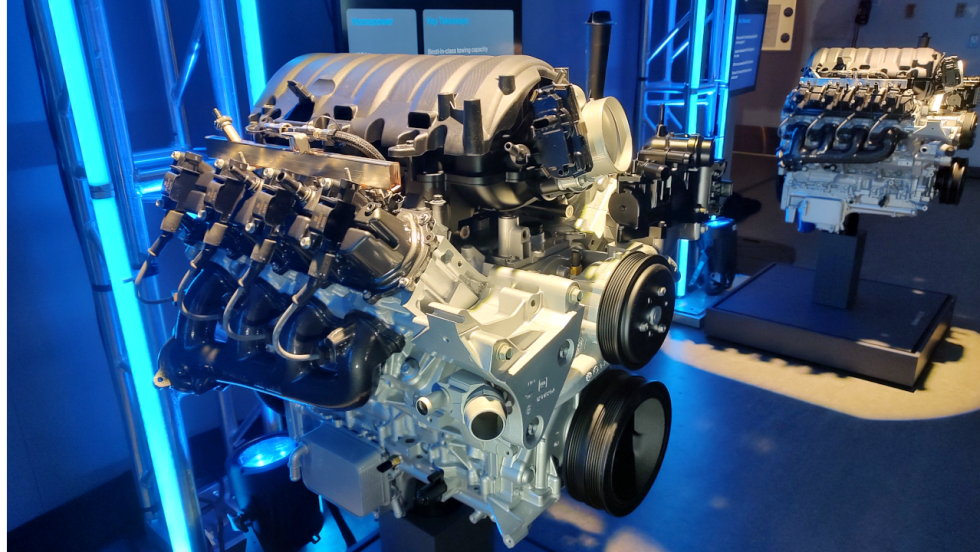
GM Unveils New Sixth-Generation Small Block Engines for 2027 Light-Duty Pickups
General Motors unveiled two new small-block engines, backed by extensive real-world validation and more than 70 years of small-block V8 manufacturing experience, as part of the engine portfolio for the 2027 Chevrolet Silverado 1500 and GMC Sierra 1500.
Read More →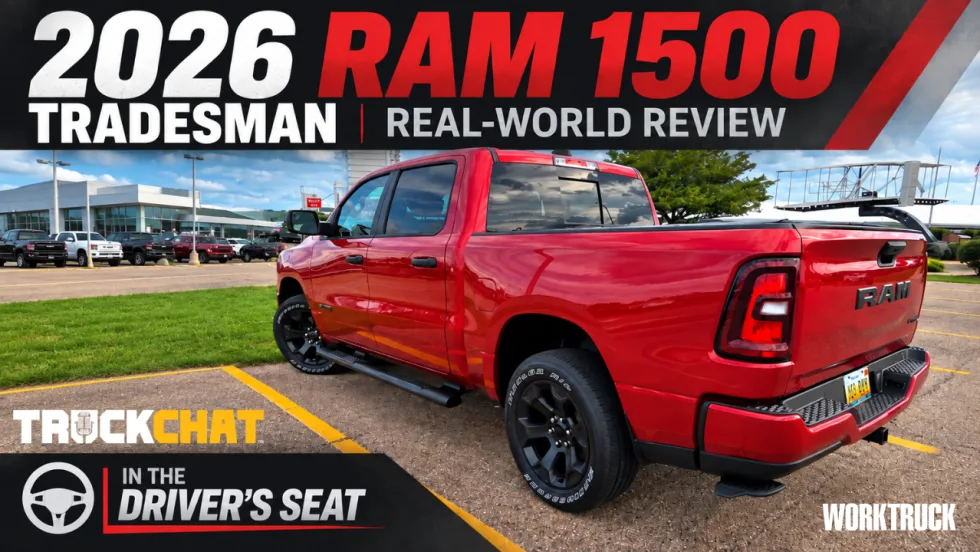
2026 Ram 1500 Tradesman Put to a Real-World Fleet Test
A few days behind the wheel of a 2026 Ram 1500 Tradesman turned into a test of visibility, parking, work-ready features, and even severe-weather driving.
Read More →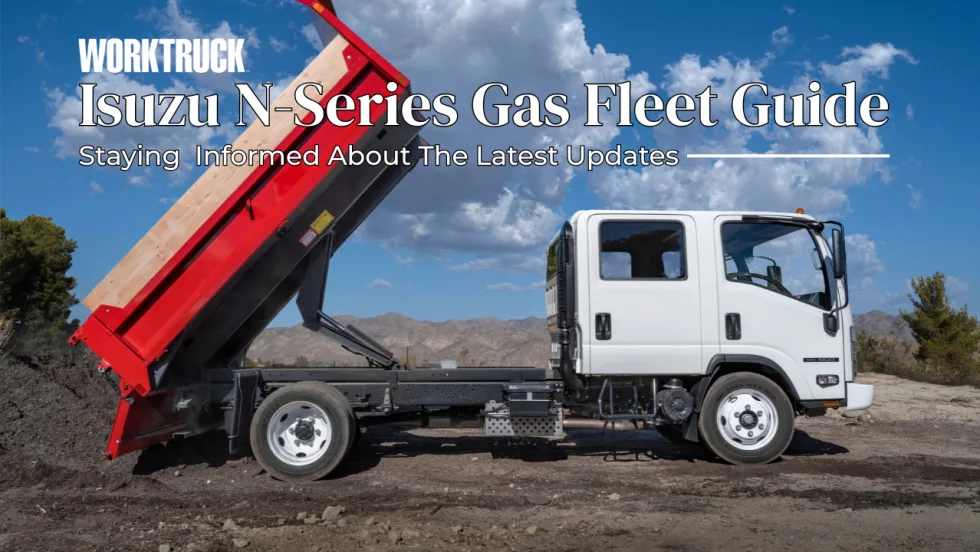
Isuzu N-Series Gas Fleet Guide: Specs, Capability and 2027 Model-Year Updates
Explore Isuzu Truck North America’s N-Series Gas fleet specs, engine performance, GVWR and payload capability, configurations, chassis dimensions, work-focused features, and 2027 model-year information.
Read More →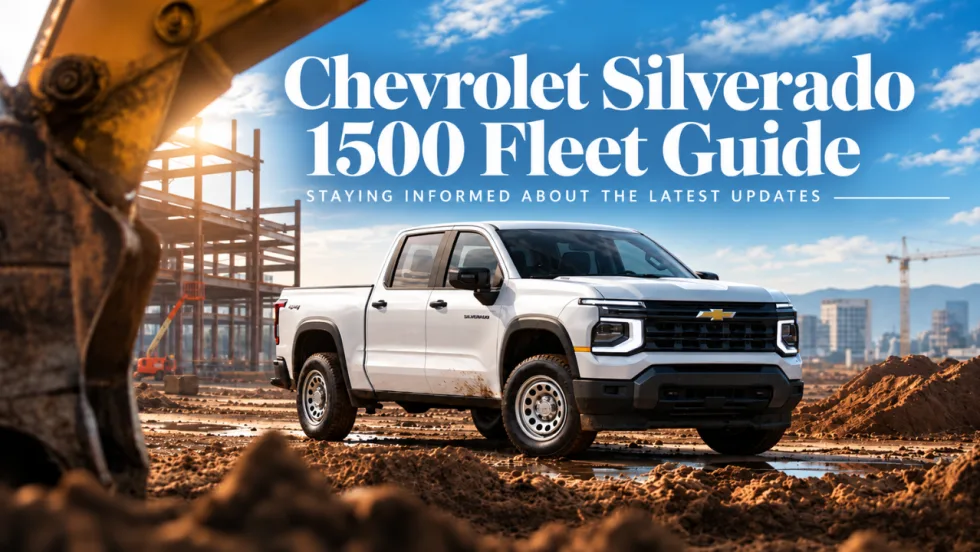
Chevrolet Silverado 1500 Fleet Guide Specs Capability and 2027 Model-Year Updates
The next-generation 2027 Chevrolet Silverado 1500 brings new V-8 engines, updated technology, expanded safety features, and a fleet-focused Work Truck. Here’s what commercial fleets need to know so far.
Read More →
Ram ProMaster City Fleet Guide Specs Cargo Capacity and 2027 Updates
Work Truck’s Ram ProMaster City Fleet Guide tracks the latest specifications, cargo capability, configurations, fleet technology, pricing, and model-year updates for Ram’s mid-size commercial van.
Read More →
Ford F-150 Fleet Guide Specs Capability and 2026 Model-Year Updates
Explore 2026 Ford F-150 fleet specs, engines, towing and payload capability, configurations, work features, technology, and model-year updates.
Read More →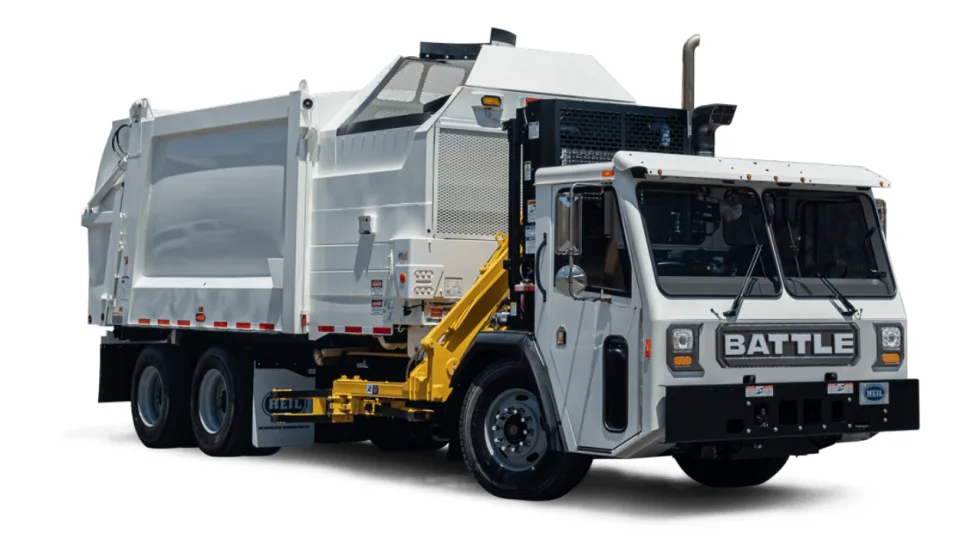
TCI Now Sells & Supports Battle Motors’ Vocational Trucks
Midwest truck dealer Truck Centers, Inc. (TCI) has expanded its transportation solutions with sales and service support for Battle Motors’ heavy-duty vocational trucks at locations in locations in Indiana, Illinois, and Missouri
Read More →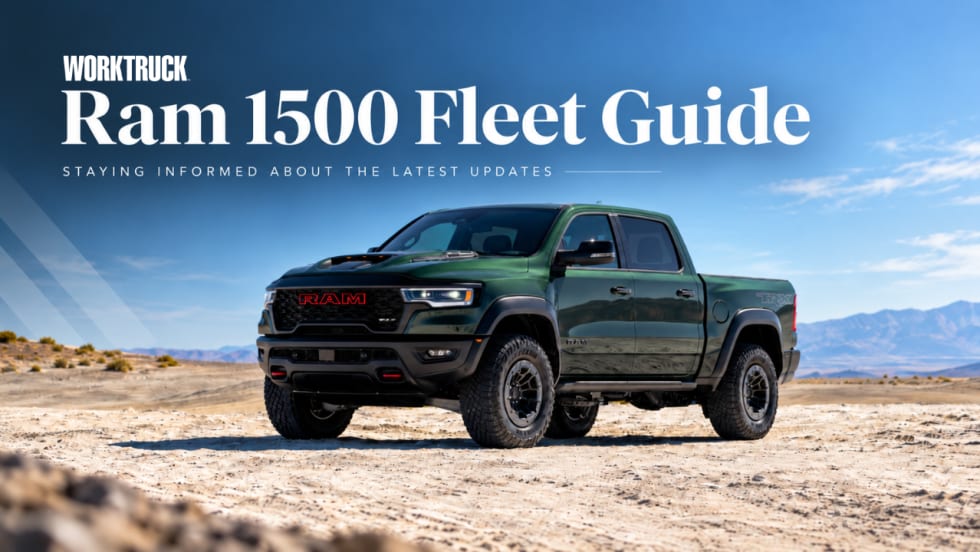
Ram 1500 Fleet Guide Specs, Capability and 2027 Model-Year Updates
Explore always up-to-date Ram 1500 fleet specs, engines, towing and payload capability, configurations, technology, pricing updates, and model-year changes.
Read More →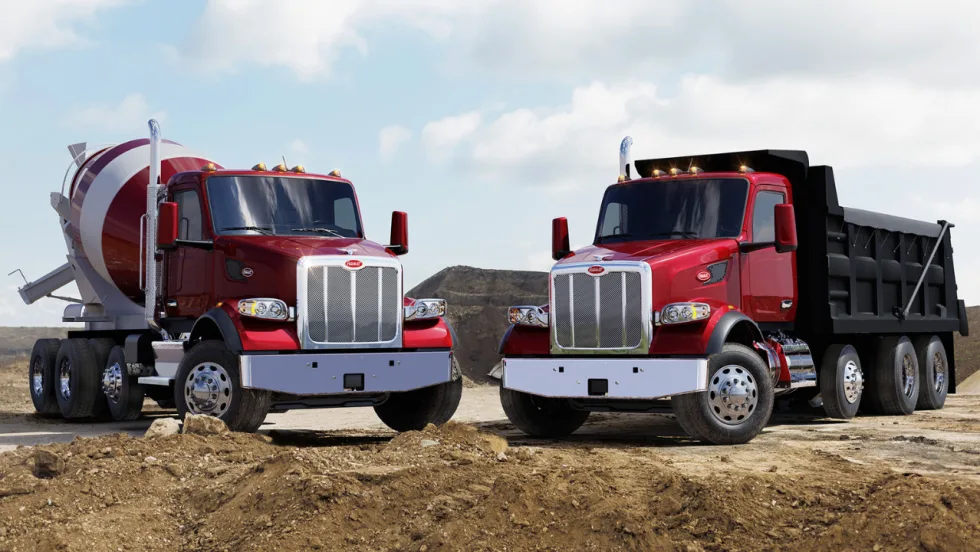
Peterbilt Trucks Equipped with Paccar TX-18 Pro Boost Efficiency for Maryland Fleet
Patuxent Companies is replacing aging trucks with the Peterbilt Model 567 and Model 589, specified with the Paccar TX-18 Pro 18-speed automated transmissions, and is reporting an 8% to 10% improvement in fuel economy.
Read More →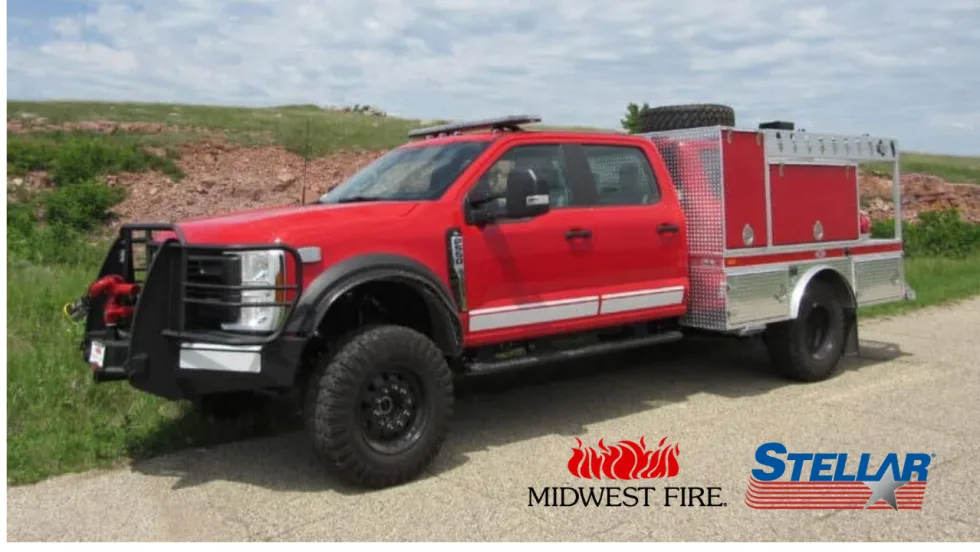
Stellar Expands into Fire Apparatus Market with Acquisition of Midwest Fire
Stellar Industries has acquired Midwest Fire, a custom fire apparatus manufacturer headquartered in Luverne, Minnesota, with nearly four decades of specialized apparatus experience.
Read More →