




How to Match the Right Oil to a Truck Engine
It is no secret: engines are the workhorse of any truck. Keeping truck engines running at maximum efficiency should be the goal of any budget-savvy fleet manager.

Engine oils play a vital role in maintaining the efficiency and operation of work truck engines.
Photo: Getty Images
It is no secret: engines are the workhorse of any truck. Keeping truck engines running at maximum efficiency should be the goal of any budget-savvy fleet manager.
Few things can bring an operation to a halt as quickly as trucks that cannot move. A crucial part of understanding the life and conditions of your engines is to understand the engine oil that you are putting into it.
There are a lot of moving parts in an engine, and all those parts can create a lot of heat.
“Engine oils play a vital role in maintaining the efficiency and operation of work truck engines,” explained Darryl Purificati, OEM Technical Liaison for Petro-Canada Lubricants. “High-quality lubricants help minimize metal-to-metal contact between moving components, reducing pumping and cranking losses, and therefore improving the engine’s efficiency.”
The prevention of this metal-to-metal contact will also help a fleet manager save money, not only on the repairs but also downtime related to maintenance, keeping trucks moving and productive.
With so many lubricant types and grades, it can become a bit daunting to know where to start when choosing your engine oil.

Chart: Petro-Canada Lubricants
4 Tips for Oil Selection
Purificati recommended following these four tips to choose the right engine oil for your fleet:
Consult the OEM. The first step should always be to consult an original equipment manufacturer (OEM) vehicle manual. The manual will show the recommended engine oil’s “SAE grade.”
Purificati described the SAE grade as “...a measure of the oil’s viscosity. The viscosity of the oil dictates its ability to flow and move around the engine to lubricate its inner workings. In cold conditions, if the oil’s viscosity is too high (and the oil is too thick), it may not move around the engine easily. The lack of movement delays the lubrication of vital engine components resulting in increased engine wear.”
Knowing whether the truck will operate in cold conditions leads to the next step.
Know the Environment. While knowing the recommended engine oil type given in the OEM provides an excellent baseline of what the engine needs, it is now essential to look at the environments that the engine will be operating within.
Each oil operates best within temperature ranges. Keep in mind that a “W” appearing after the SAE grade denotes “winter.” That means the oil will provide better protection for crucial engine parts in colder temperatures.
Lubricant Types. Understanding the differences in engine lubricant types will help narrow the field of options down. The three types of engine lubricants are conventional, synthetic-blend, and full synthetic.
While synthetic and synthetic blends offer better performance and a more extensive range of weather conditions to operate in, it comes with a price tag that can be twice as high as conventional oil.
Conventional oil can save on the pocketbook but usually requires more frequent oil changes.Keep in mind that some engines need a particular type of lubricant.
Oil Analysis Program. An oil analysis program will allow small problems to be addressed before they become a much larger and more expensive problem and should be incorporating into a regular maintenance schedule.
The Bottom Line
No matter what engine oil is used, make sure that it is reputable and tested.
“Looking for proof of API CK-4 or FA-4 certifications as well as OEM approval is important to demonstrate the oil’s compliance with strict industry standards,” Purificati offered. “For example, Petro-Canada Lubricants puts its DURON product through rigorous and comprehensive testing.”
Follow these steps to help keep your fleet operating at its best.
More Maintenance
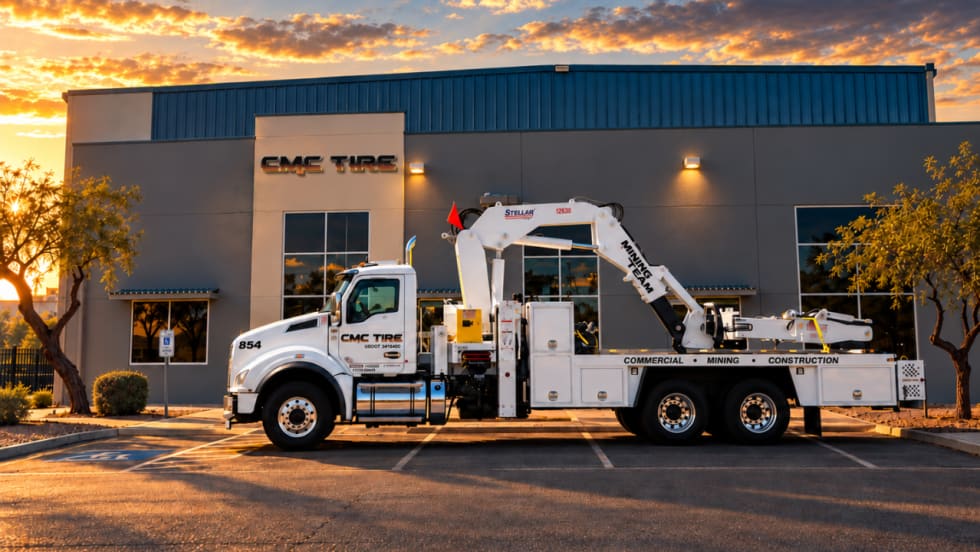
Les Schwab Expands Commercial Tire Footprint Into Arizona
Les Schwab Tires has expanded into Arizona with two commercial tire locations in Phoenix and Tucson, strengthening its fleet service footprint in the Southwest.
Read More →
Volvo Trucks’ 'Lock and Leave' Software Updates Go Live Across North America
Unattended over-the-air software updates are now available in Volvo trucks across the U.S. and Canada. The new capability lets trucks stay current with the latest software without interrupting operations or requiring a dealership visit.
Read More →
Why Technician Appreciation Can’t Be a Once-a-Year Thought
For fleets trying to keep skilled technicians, recognition cannot begin and end with Technician Appreciation Week. Learn what year-round appreciation really looks like and why the everyday technician experience matters just as much as pay when fleets are trying to keep good people.
Read More →
How Faster Driver Reporting Can Keep Small Truck Problems Small
When minor damage, warning lights, or equipment issues are reported late, small problems can quickly become bigger maintenance headaches. Conversational AI can help shorten the path from what a driver notices in the field to the person who can act on it.
Read More →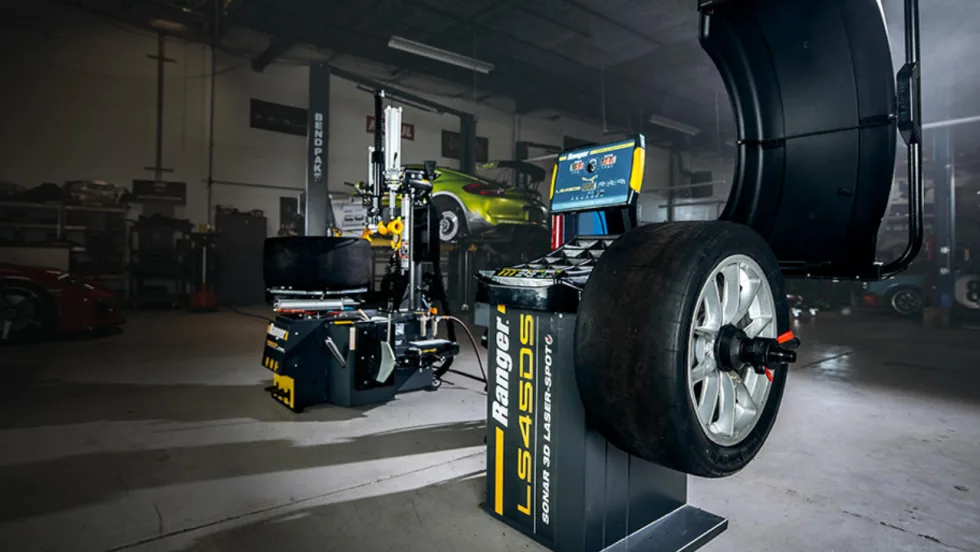
BendPak’s Ranger Wheel Service Equipment Achieves North American Safety Certification
BendPak’s full line of Ranger tire changers and wheel balancers has been ETL certified to UL and CSA standards to improve operator safety.
Read More →
Isuzu & U.S. Department of Labor Celebrate Milestone for Veterans Apprenticeship Program
The Isuzu Veterans Apprenticeship Program (IVAP) signing ceremony highlighted Isuzu’s long-term commitment to veterans, Isuzu dealers, and the skilled workforce supporting its customers and the commercial transportation industry.
Read More →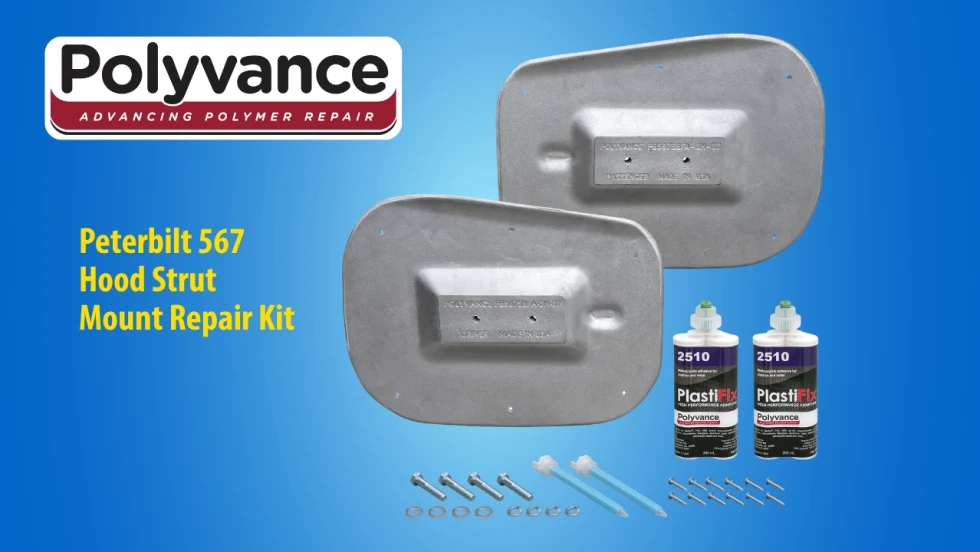
Polyvance Introduces New Peterbilt 567 Hood Strut Mount Repair Kit
Polyvance has launched a repair solution for Peterbilt 567 hood struts, helping truck owners and repair facilities avoid costly hood replacements.
Read More →
Cox Automotive Celebrates Technical Excellence at 2026 Top Tech Finals
The top technicians from Cox Fleet and Manheim tested their skills in Nashville, Tennessee, at Cox Automotive’s 2026 Top Tech Finals. The overall winners will advance to compete at the American Trucking Association’s TMC SuperTech competition.
Read More →
Grote Industries Appoints Vice President of North American Operations
Grote Industries has appointed Patrick Smith as vice president of North American operations as it celebrates 125 years of innovation and manufacturing excellence. He has more than 20 years of manufacturing leadership experience.
Read More →
Winter Fleet Prep: Expert Tips to Keep Vehicles Running Smoothly
Cold weather can expose weak batteries, tires, fuel systems, and maintenance gaps fast. Use this winter fleet checklist to prepare trucks and drivers before temperatures drop.
Read More →