




How to Determine Truck Tire Load Ratings
Tire load ratings must be followed when selecting a tire and wheel package. The tire must safely support a given amount of vehicle weight. If the load rating is insufficient, the tire may become overheated and can self destruct.
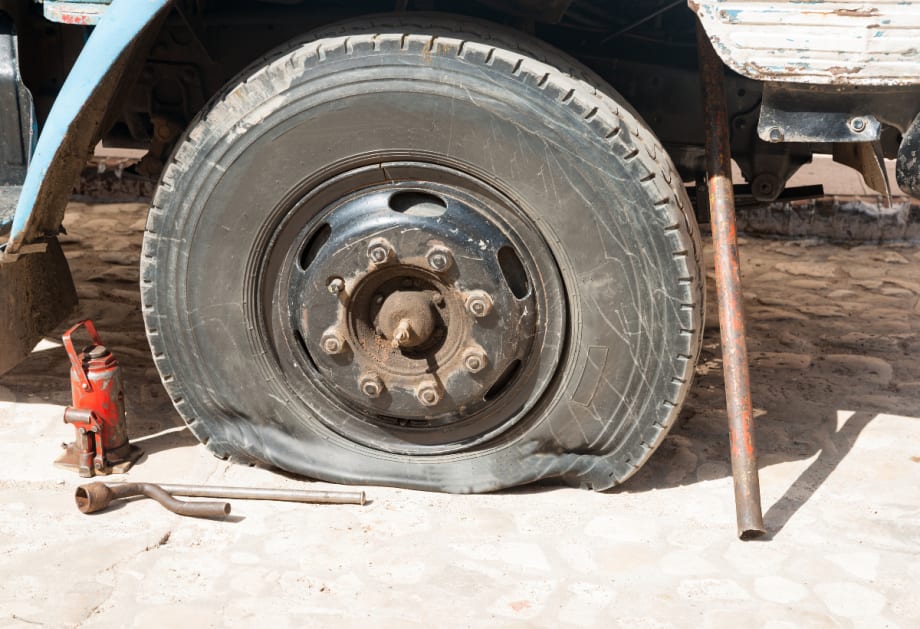
Never exceed a tire’s maximum load rating (the limit that is molded into the tire sidewall) or the maximum vehicle load limit shown on the vehicle tire placard, whichever is less.
Photo: Work Truck
Editor's Note: Check out the updated version of this article, including Q&A from readers, here.
Paying attention to a replacement truck tire’s load rating is critical. The tire must be able to safely support a given amount of vehicle weight. If the tire’s load rating is insufficient, the tire may become overheated and can self-destruct.
For example, if a passenger car performance tire is selected to replace an original equipment light work truck tire on an SUV, the new tire must meet or exceed the requirement for the specific vehicle weight.
But, what is a tire load rating? What tire load rating do you need? And how do you determine tire load capacity? Check out these tips!
How to Determine Tire Load Capacity
Do you know how to determine a truck tire's load capacity? To roughly determine the tire load range capacity for each individual truck tire, take the vehicle’s gross vehicle weight (or GVW) and divide by four. If the vehicle gross weight is 4,500 pounds, each tire should be able to safely support at least 1,125 pounds.
However, the gross vehicle weight does not take the additional load, such as the weight of the driver, into account. So, you should never select a truck tire that only meets this minimum weight capability.
Always select a truck tire that offers a greater, or “reserve,” tire load capacity, which will help the vehicle handle and respond to higher-stress emergency situations when loaded.
Understand a Truck Tire's Max Tire Load Range
How are truck tires rated? The tire’s load rating, or “max load,” indicates the individual tire’s safe maximum load-carrying capacity when inflated to its recommended pressure.
Never exceed a truck tire’s maximum load rating (the limit that is molded into the tire sidewall) or the maximum vehicle load limit shown on the vehicle tire placard, whichever is less. The tire is designed and constructed to handle a specific maximum load, and overloading will result in a buildup of excessive heat in the tire, which could lead to tire failure.
The tire load index rating number, which appears on the tire sidewall, is an assigned number that corresponds to the tire’s load-carrying capacity. Alphanumeric tires will display an alpha code that indicates maximum load. The letter can range from “A” to “N” (the higher the letter, the greater the load-carrying capacity at a given inflation tire pressure).
The max load and maximum inflation numbers found on the tire sidewall indicate the maximum load that can safely be carried and the maximum allowable tire pressure. The construction of the truck tire (belts, bead, carcass, liner) dictates the tire’s ability to withstand pressure. The stronger the reinforcements, the greater pressure the tire can hold.
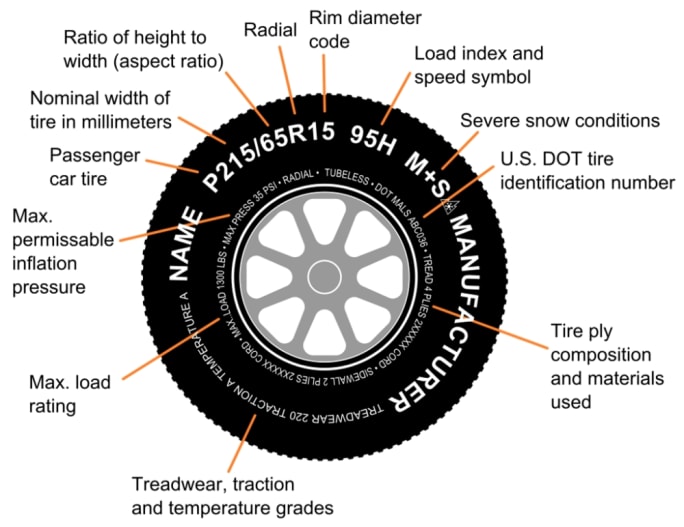
Most alphanumeric tires feature a load range of B, which indicates that they are restricted to the load that can be carried at a maximum inflation pressure of 32 psi.
Photo: Flanker, Own Work, CC By 3.0.
How to Read a Truck Tire's Load Rating Info
Most alphanumeric tires feature a load range of B, which indicates that they are restricted to the load that can be carried at a maximum inflation pressure of 32 psi.
Note:
Tire load range C, load range D, or load range E tires are capable of greater loads.
Most load range C, D, and E tires are intended for light-truck applications.
The tire load-carrying capacity of P-metric tires is rated as either Standard or Extra Load. Standard Load tires are limited by the load that can be supported with a maximum inflation pressure of 35 psi. Extra Load-rated tires are limited to the load that can be carried at a maximum inflation pressure of 41 psi.
Generally, a Standard Load tire will not feature a special designation mark, while Extra Load truck tires will feature an “Extra Load” marking.
Extra Load tires will be branded as “Extra Load” and may be identified by an “XL” (for example LT245/75R15 XL).
It’s important to note that a Standard Load tire (with a normal inflation pressure recommendation of 35 psi) may be marked with a maximum inflation pressure of 44 psi. This does not indicate an increase in the truck tire’s load-carrying capacity, but indicates the tire’s ability to handle higher inflation pressure to accommodate special performance requirements.
Typically, the tire load rating index of a passenger car tire and light work truck tire ranges from 70 to 110. A speed-rated tire’s sidewall markings will indicate size, followed by the tire load rating index and the speed rating.
Last updated: October 5, 2022
More Maintenance
Les Schwab Expands Commercial Tire Footprint Into Arizona
Les Schwab Tires has expanded into Arizona with two commercial tire locations in Phoenix and Tucson, strengthening its fleet service footprint in the Southwest.
Read More →
Volvo Trucks’ 'Lock and Leave' Software Updates Go Live Across North America
Unattended over-the-air software updates are now available in Volvo trucks across the U.S. and Canada. The new capability lets trucks stay current with the latest software without interrupting operations or requiring a dealership visit.
Read More →
Why Technician Appreciation Can’t Be a Once-a-Year Thought
For fleets trying to keep skilled technicians, recognition cannot begin and end with Technician Appreciation Week. Learn what year-round appreciation really looks like and why the everyday technician experience matters just as much as pay when fleets are trying to keep good people.
Read More →
How Faster Driver Reporting Can Keep Small Truck Problems Small
When minor damage, warning lights, or equipment issues are reported late, small problems can quickly become bigger maintenance headaches. Conversational AI can help shorten the path from what a driver notices in the field to the person who can act on it.
Read More →
BendPak’s Ranger Wheel Service Equipment Achieves North American Safety Certification
BendPak’s full line of Ranger tire changers and wheel balancers has been ETL certified to UL and CSA standards to improve operator safety.
Read More →
Isuzu & U.S. Department of Labor Celebrate Milestone for Veterans Apprenticeship Program
The Isuzu Veterans Apprenticeship Program (IVAP) signing ceremony highlighted Isuzu’s long-term commitment to veterans, Isuzu dealers, and the skilled workforce supporting its customers and the commercial transportation industry.
Read More →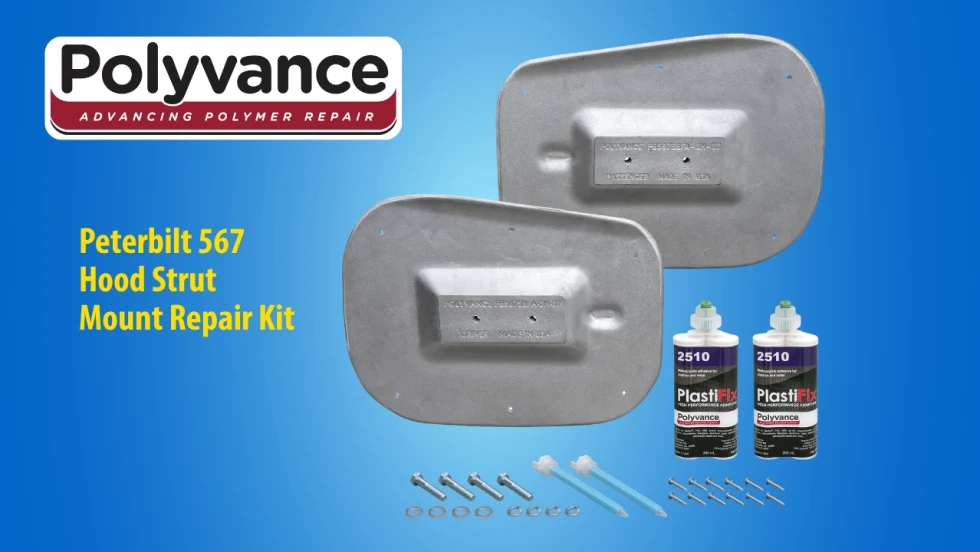
Polyvance Introduces New Peterbilt 567 Hood Strut Mount Repair Kit
Polyvance has launched a repair solution for Peterbilt 567 hood struts, helping truck owners and repair facilities avoid costly hood replacements.
Read More →
Cox Automotive Celebrates Technical Excellence at 2026 Top Tech Finals
The top technicians from Cox Fleet and Manheim tested their skills in Nashville, Tennessee, at Cox Automotive’s 2026 Top Tech Finals. The overall winners will advance to compete at the American Trucking Association’s TMC SuperTech competition.
Read More →
Grote Industries Appoints Vice President of North American Operations
Grote Industries has appointed Patrick Smith as vice president of North American operations as it celebrates 125 years of innovation and manufacturing excellence. He has more than 20 years of manufacturing leadership experience.
Read More →
Winter Fleet Prep: Expert Tips to Keep Vehicles Running Smoothly
Cold weather can expose weak batteries, tires, fuel systems, and maintenance gaps fast. Use this winter fleet checklist to prepare trucks and drivers before temperatures drop.
Read More →