




Learn More: What Happens During Propane Infrastructure Installation
How Low Can Vehicle Emissions Go with Renewable Propane
There is a growing interest in renewable propane due to its near-zero-emission levels, reduced greenhouse gases, and the ability to help meet the ever-increasing demand for cleaner products.
by Todd Mouw, ROUSH CleanTech
December 1, 2020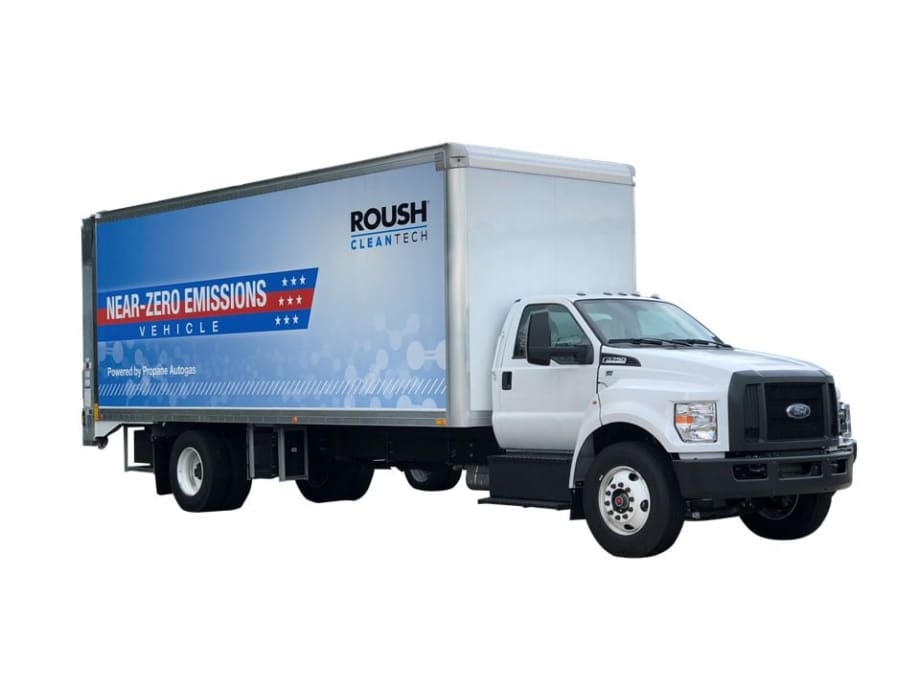
Prooduced from raw and renewable materials, renewable propane has a lower carbon intensity than conventional propane.
Photo: ROUSH CleanTech
3 min to read
As the number of vehicles that operate on propane autogas increases, a “new” yet similar fuel that reaches near-zero-emissions is coming into play. That fuel is renewable propane. Many experts predict the entire worldwide demand can be met with renewable propane in 20 years.
Why Renewable Propane?
Renewable propane is a non-fossil fuel produced from 100% renewable raw materials, such as beef fats, vegetable oils, grease residue, and other biomass feedstocks that are inexpensive and abundant. Sometimes referred to as “biopropane,” renewable propane has the same benefits as conventional propane autogas, which has been used for over a century as a transportation fuel and to fuel our home heaters and backyard grills.
Both propane types reduce emissions, cut costs, and provide fleets with the same vehicle performance and reliability. Simply put, the chemical structure and physical properties of renewable and conventional propane are the same — they just come from different sources.
There is a growing interest in renewable propane due to its near-zero-emission levels, reduced greenhouse gases, and the ability to help meet the cleaner products’ growing demand.
How Does it Work?
Propane autogas vehicles don’t need to be retrofit to accept renewable propane. Renewable propane can be used as a “drop-in” replacement fuel because it’s chemically nearly identical to conventional propane. Since it’s produced from raw and renewable materials, renewable propane has an even lower carbon intensity than conventional propane and is far cleaner than other energy sources. At the point of combustion, renewable propane is carbon neutral.
“Renewable propane’s benefits are amplified when coupled with ultra-low NOx engines that are 90% cleaner than the EPA’s most stringent standard,” said Joy Alafia, president of Western Propane Gas Association.
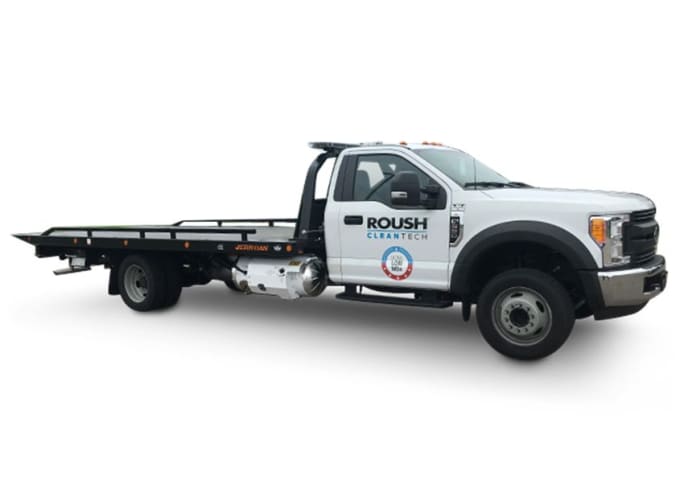
Sometimes referred to as “biopropane,” renewable propane has the same benefits as conventional propane autogas.
Photo: ROUSH CleanTech
What’s the Demand?
Pricing is competitive with conventional propane. As the demand grows in places like California, the producers of renewable propane will develop the infrastructure to distribute this fuel efficiently.
Already on the West Coast, U-Haul purchased its first million gallons of renewable propane, available to customers at U-Haul autogas facilities across Southern California.
According to the Western Propane Gas Association, this initial U-Haul purchase and customer offering of renewable propane have the effect of eliminating 5-million tons of greenhouse gas emissions from the atmosphere. And the association said renewable propane is on track to play a major role in California’s green energy future, with the industry targeting 2030 for supplying the state with a 100% sustainable energy source.
Many companies worldwide are developing renewable propane production technology, with some in commercial volume as a byproduct of renewable diesel plants.
Renewable propane is produced in several European and Asian countries. Several U.S. refineries in California, Texas, and Louisiana have the existing capacity to produce renewable propane as part of their renewable diesel production systems.
Research is being done on the merits of renewable propane by the Propane Education & Research Council (PERC), a nonprofit that provides leading propane safety and training programs. The council is testing renewable propane, including blends with conventional propane and standard development. It has been informing OEMs of potential engine use and creating awareness of the fuel for the producer, seller, transporter, and end-user.
As new technologies and new fuels reach the market, renewable propane adds to our nation’s energy portfolio and expands propane as an essential energy source.
About the Author: Todd Mouw is president of ROUSH CleanTech, an industry leader of advanced clean transportation technology. Mouw has served as president of the NTEA Green Truck Association. Reach him at (800) 597-6874.
Subscribe to Our Newsletter
More Green Fleet

Fleet Forward Conference Introduces One-Day Passes for 2026
New one-day registration gives fleet professionals the flexibility to attend Tuesday, Wednesday, or Thursday, with passes available for $199 through Sept. 18.
Read More →
CALSTART Rebrands as Catalyst Mobility, Will Combine with Forth in 2027
CALSTART has rebranded as Catalyst Mobility and will combine with Forth at the start of 2027. The new organization said it is poised to become one of the world's largest, strongest, and most impactful clean transportation nonprofits.
Read More →
Electric Truck and Charging Programs to Boost Sustainability at NY & NJ Ports
Together, the Port Authority of New York and New Jersey and CALSTART will electrify drayage and terminal operations serving the East Coast’s busiest container port. A pair of incentive programs totaling $45 million has launched to accelerate adoption of zero-emission drayage trucks and terminal tractors.
Read More →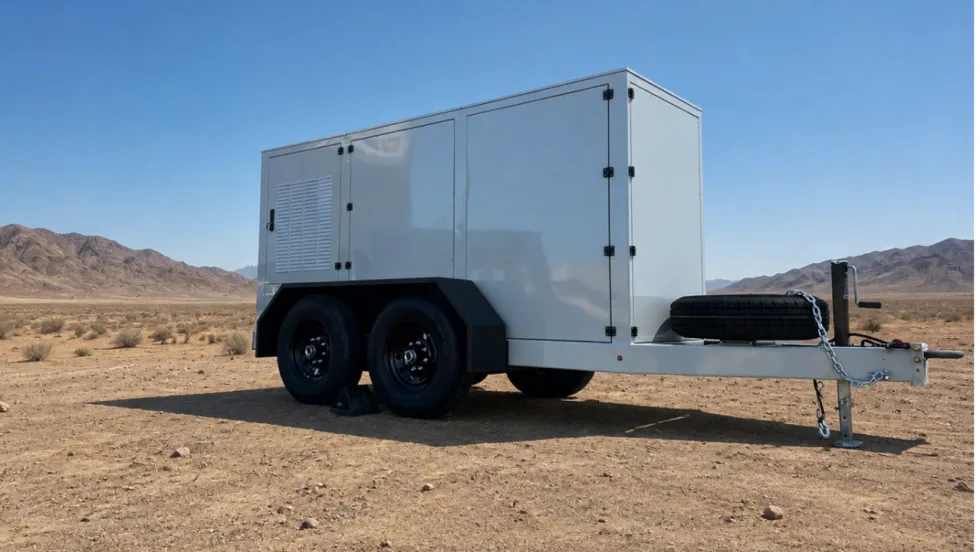
Xos Hub Surpasses One Gigawatt-Hour of Energy Delivered in the Field
A single Xos Hub has surpassed one gigawatt-hour of energy across more than 33,600 charging sessions in the field, demonstrating performance that supports Xos' expansion across new products and markets.
Read More →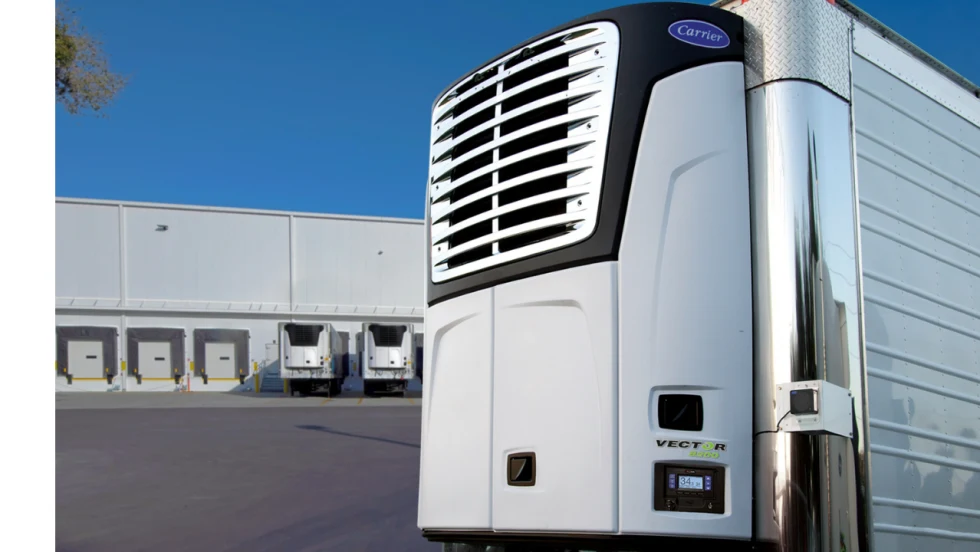
Carrier Transicold Launches All-Electric Vector 8200 TRU for Diesel-Free On-Site Cold Storage
Carrier Transicold’s first engineless multi-temperature TRU helps fresh- and frozen-food fleets add supplemental cold storage capacity during seasonal peaks.
Read More →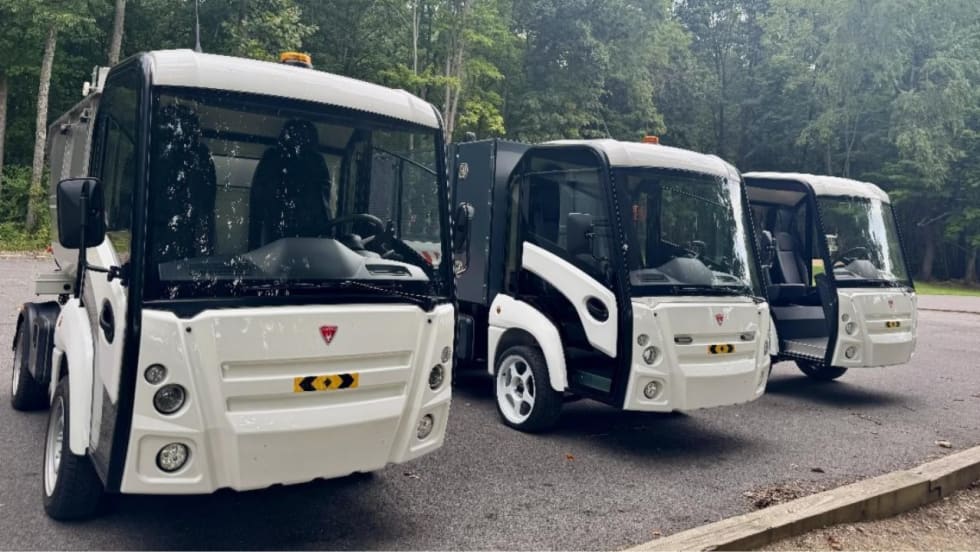
Narro Trucks Introduces Electric Utility Vehicle
Narro Trucks officially launched its operations on Aug. 20 and hosted a ride and drive to showcase its electric truck, which will be produced in Virginia.
Read More →
Samsung SDI Takes Full Control of GM Battery JV as Indiana Plant Pivots to Energy Storage
Samsung SDI is taking full control of its Indiana battery plant with GM, marking a major shift from the EV-focused joint venture Charged Fleet first covered in 2023.
Read More →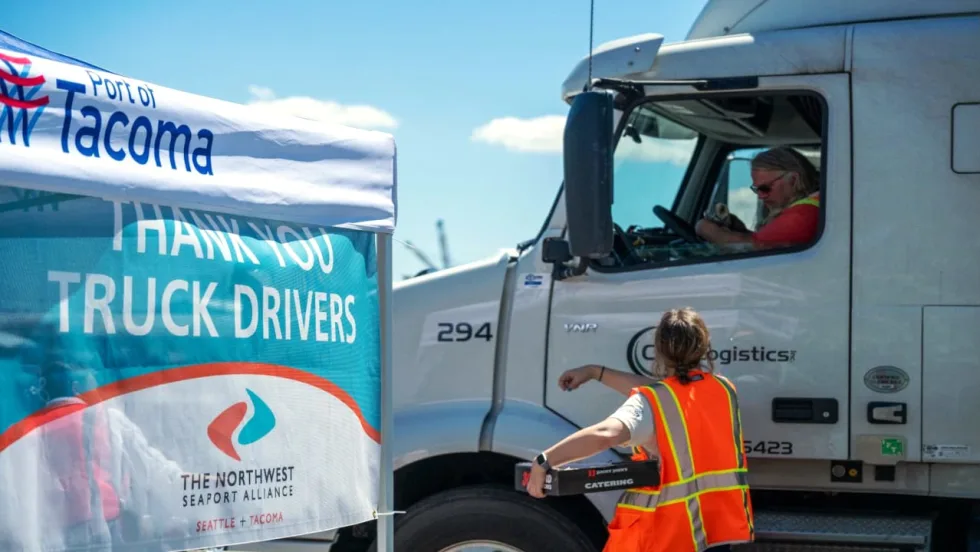
NWSA Taps CALSTART to Administer Zero-Emission Drayage Assistance Program
CALSTART will provide free technical assistance services to drayage fleets serving the Ports of Seattle and Tacoma and looking to transition to cleaner technologies and help decarbonize freight hubs.
Read More →
EV Fleet Reality Check: What Operators Wish They Knew Before Electrifying Their Work Vans
Electric work truck upfits bring new compatibility questions. Learn how parts availability, OEM guidance, power demands, and route planning can affect fleet performance.
Read More →
Peterbilt Expands Sourcewell Partnership with Electric Vehicle Lineup
Peterbilt Motors Company’s cooperative purchasing agreement with Sourcewell and its Canadian partner, Canoe Procurement Group, now includes including Peterbilt's battery-electric vehicle lineup.
Read More →