




Read More: Report Examines Crash Fatalities Linked to Distracted Driving
How Fleet Drivers Can Take Charge of Their Safety
There are several steps fleet drivers can take to enhance their own safety ranging from tire maintenance to understanding brake systems, from guarding against carjacking to stowing away the cell phone.
by Judie Nuskey
July 25, 2023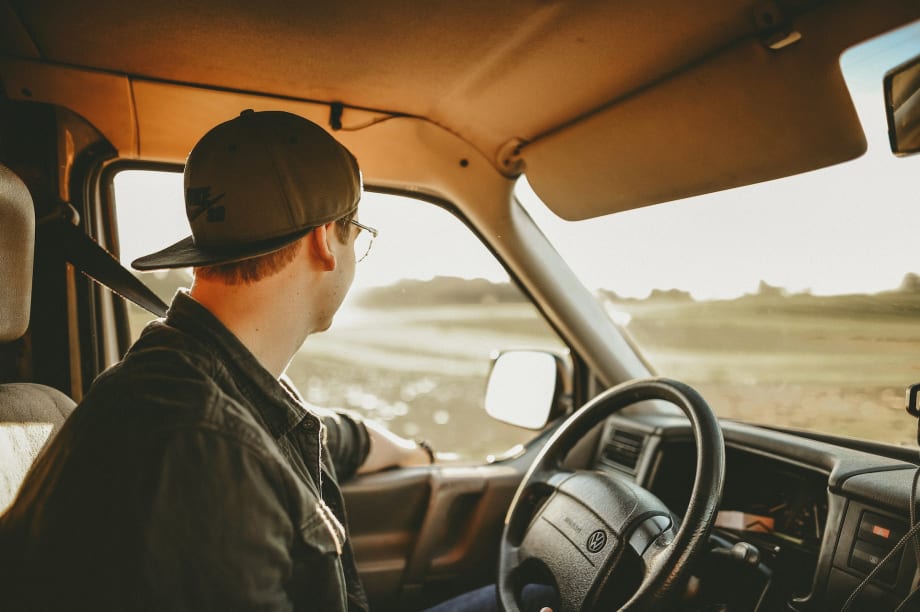
While fleet operators spend a lot of time on safety programs, it’s important to remind drivers of basic steps they can take to ensure their own safety behind the wheel.
Photo: pexels.com/Tobi
4 min to read
The choices your drivers make — including how they operate and maintain their vehicles — have a direct and significant impact on their safety and the chance that they’ll become involved in a crash. While your drivers might consider some choices to be relatively safe, the facts prove otherwise.
The following Q&A is designed to help your drivers take charge of their safety.
Cell Phones Mean Distracted Driving
Aren’t hands-free cell phone/Bluetooth features safe to use while driving?
No. In a University of Utah study, drivers using cell phones missed twice as many signals as those not using a phone — and the findings were the same for hand-held and hands-free models. Through this and other studies, researchers are finding that it’s the cognitive tasks involved in talking on the phone — not the manual operation of the device – that distract drivers. That’s why it’s best to avoid using any cell phone while driving. Use voicemail to capture incoming calls and check for messages at your next stop or during a break.
Isn’t it safe to use a cell phone for short conversations?
Even the briefest of conversations can cause a deadly distraction. Consider this: At 60 miles per hour, you’ll travel 88 feet in a second or the width of seven traffic lanes. A lot can happen in that distance, especially if you’re focused on a phone conversation instead of the road. Avoid the temptation to make any calls by turning off the phone and placing it out of reach while driving.
Isn’t it OK to use my cell phone to report an emergency while driving?
It depends on how you define “emergency.” Running behind schedule for your next appointment isn’t a strong enough reason to make a call that could jeopardize your safety. Even reporting an accident can be risky. Before making a true emergency call, stop at a service station or pull onto a side street. Only place a call from the shoulder of the road when it’s absolutely unavoidable.
Protecting Yourself Behind the Wheel
Shouldn’t I keep my doors unlocked, so I don’t get stuck in my vehicle in a crash?
No. In the event of a crash, you’re much safer in the vehicle than outside it. Locking your doors can help keep you from being thrown from the vehicle — a dangerous situation that’s very often fatal. It also makes you a tougher target for carjackers or other criminals in search of their next victim.
Isn’t carjacking a problem only at night or in high-crime areas?
Carjackers can strike at any time, at any place. They’re especially known to approach at intersections, where you’re forced to stop for a light or stop sign; in parking lots and garages, where you’re distracted by carrying packages or searching for your keys; at drive-up ATMs; and along highway exit and entrance ramps. They’ve even been known to attack in the driver’s own driveway. To guard against carjackers, when approaching your vehicle at any time of day, always scan the area, have your keys in hand, and lock your doors right away. Once on the road, keep the doors locked and the windows up.
Can’t I check my tire pressure anytime and get an accurate reading?
No. You’ll only get an accurate reading if you check the tires when they’re cold — before they’ve been driven a mile. Even though fleet vehicles undergo regular maintenance checks, it’s best to have your own tire gauge on hand, so you can check the pressure before driving to a service station for air. Make it a practice to check the pressure monthly and before long hauls, using the “cold pressure” in your owner’s manual as a guide.
Get Up to Speed on Braking
My anti-lock brakes work just like regular brakes, right?
Wrong. An ABS (anti-lock brake system) works entirely differently, so you need to operate it differently. Never pump anti-lock brakes because the system pumps the brakes for you automatically. Instead, apply firm and continuous pressure to the brakes, which activates the anti-lock feature. Road hazards such as gravel, sand, ice, snow, railroad tracks, and even wet road markings can all affect how an ABS performs — so take extra precautions when encountering these road conditions.
Won’t anti-lock brakes allow me to stop faster?
No. The main advantage of an ABS is that it prevents the wheels from locking during emergency braking situations, helping you maintain control over your steering. But your stopping distance will be about the same whether you have conventional brakes or an ABS. In fact, an ABS often needs more stopping distance than conventional brakes in slush and snow. Regardless of the road conditions or the type of brakes you have, always stay two seconds behind the vehicle in front of you in dry weather. Increase that distance to four seconds in rain and eight seconds in snow.
Originally posted on Automotive Fleet
Subscribe to Our Newsletter
More Small Fleet


Developing Budget-Friendly Driver Safety Programs
From driver training and safety meetings to one-on-one coaching and incentive programs, several small fleets share how they have developed a safety culture with their drivers using low- to no-cost resources.
Read More →
Sponsored•March 9, 2026
Boosting Last-Mile Fleet Uptime, Safety, and Value with AI Vehicle Inspections
AI-powered inspections are transforming last-mile fleets by replacing manual checks with highly accurate automated scans that detect defects in seconds. By giving fleet operations visibility into the daily condition of their vehicles, you can identify trends over the vehicle’s lifecycle that enable improved procurement decisions, route management, driver training and accountability.
Read More →
Five Ways Seat Belts Help Prevent Injuries
There are five ways seat belts protect occupants from injuries, according to the Tennessee Department of Safety and Homeland Security.
Read More →
Sponsored•January 14, 2026
It’s here: The 2026 Fleet Technology Trends Report
What does AI mean for fleets? Get the answer — and learn other top tech trends.
Read More →
Small Fleets, Big Impact: How Independent Drivers Power Wreaths Across America
Check out how small fleets and independent drivers power Wreaths Across America each December and why their impact matters more than ever.
Read More →
VMS Survey Finds 65% of Small Fleet Managers Run Operations Alone
A new VMS survey shows small fleet managers are stretched thin, with most handling operations solo and eager to adopt digital tools for relief.
Read More →
Tips for Driving Safely on Halloween Night
This video features a reminder from the Connecticut Department of Transportation (DOT) and the Connecticut Police Chiefs Association, urging drivers to prioritize safety this Halloween.
Read More →
AI, Access, and Uptime: VMS’s Next Chapter with David Prusinski
VMS’s new Co-CEO, David Prusinski, shares how an AI-first approach will give small fleets and repair shops the tools to compete like big players.
Read More →
Fleet Managers Share Winter Prep Tips: It's Never Too Early!
Three fleets share best practices to prep vehicles for winter and prevent downtime when the cold sets in.
Read More →