




GM Lays Out the Plan for Fleet
In July 2009, General Motors was reborn with four core brands and an eye toward the future. GM’s executive director, Fleet & Commerical Operations, Brian Small, discusses how a leaner — and greener — GM plans to meet the needs of commercial buyers in the years to come.

In January, General Motors named 31-year company veteran Brian Small its executive director for Fleet and Commercial Operations. Automotive Fleet had the opportunity to talk fleet with Small and other members of GM's fleet team during a visit to the Bobit Business Media headquarters in October.
AF: How has GM been addressing the fleet and commercial business since the bankruptcy?
SMALL: When we emerged from bankruptcy, we said we were going to change the fundamentals of the company. The first thing we did was reduce the footprint, which allowed us to focus our resources on the four remaining brands.
When we went through our tough times, particularly during bankruptcy, some businesses either couldn't, or didn't want to, do business with us. But we're back in the market very aggressively. We had five national fleet account executives on our commercial service team. I didn't feel that was adequate, so I doubled that number to 10, two for each region. Their sole job is to service our fleet customers.
We have completed the wind-down of our medium-duty business, with the exception of the service side. We'll have service-only dealers that will be handling all the service needs of our medium-duty customers for the next four or five years.
AF: Are there any new technology tools available for fleets?
SMALL: We introduced Business Bridge, our telematics system, at our product preview this year. Business Bridge allows fleets to monitor mileage, fuel pressure, and other maintenance data to help keep their maintenance costs down. It's being piloted at two major fleet management companies now.
We're in the process of launching a new social media tool, through LinkedIn, that's designed to stay in constant communication with our commercial customers as well as some noncommercial customers. We'll be rolling it out here in the next month or so.
AF: How has dealership attrition affected fleet?
SMALL: We have gone from 6,500 dealers to about 4,500. However, we stayed exactly the same with our fleet-minded Business Central dealers. We had 450 [Business Central] dealers before the attrition, and we have 450 now, so I think we've got the country covered very well.
AF: How are fleet sales faring, and what is your mix of fleet to retail?
SMALL: On the fleet and commercial side, we're having a very good year. We're up about 45 percent. [Fleet is] generally about 25 percent of the company's volume and we're running about 28 percent right now.
At the beginning of this year, we increased our rental volume to meet the needs of our rental car customers, who had just begun to replenish their fleets. We knew we were going to be heavy on the rental side in the beginning of the year. Our rental volume started coming down in May and June while our commercial volume started picking up. Commercial [sales] will be carrying it for the balance of the year. We'll settle out at a little north of 25 percent. That's where we'd like to be.
[PAGEBREAK]
AF: What are you doing to improve residual values?
SMALL: We're taking a disciplined approach [to managing residual values], particularly on the rental side. We've changed the minimum content on some rental models, so if [rental agencies] are going to buy a vehicle from us, it's got to be with a certain level of equipment.
Our goal is to have rental cars coming back to the auction that look a lot more like retail units on the dealer's showroom floor - no more crank windows and rubber floor mats. We're also capping the percentage of rentals by model. So if it's a launch vehicle, sales to rental may be as low as three or four percent of total [sales]. As the model ages, we'll increase the percentages a bit. We're working with the guidebooks to understand how going beyond that threshold will start to impact our residuals.
Plus, we have great products now. We've seen our residuals up about 5.8 percentage points this year over the same time last year. That's a huge swing for us. And they've held.
AF: Speaking of product, are you discontinuing the HHR?
SMALL: We will not be producing the HHR indefinitely; an end date is coming. We're looking very closely at the entire van space and there will be other products coming to fill that void. It's at the right time, too, because customers are looking at downsizing and how and what they carry a little differently than they did in the past.
Our launch vehicles are doing outstanding versus the vehicles they replaced. We've just introduced the [Chevrolet] Cruze and the new [Buick] Regal. We have the new heavy-duty [trucks] and, of course, the Chevrolet Volt - the first electric vehicle with extended range - which is right on the horizon.
AF: Will the Chevrolet Volt have a fleet allocation?
SMALL: The first year [of Volt sales] will be a retail play. We'll start working with some of our larger fleets the following year.
AF: What does the landscape look like for alt fuels?
SMALL: We're looking at electric, compressed natural gas (CNG), liquefied petroleum gas (LPG), biofuels, and fuel cells. We feel there isn't going to be any one solution, but some combination of those.
At the Green Fleet Conference produced by Bobit Business Media in October, we rolled out the new [factory-integrated] CNG [Savana and Express cargo] vans. Ordering is handled just as if it was manufactured entirely at one of our plants. It's got only one warranty and it's all on one invoice. We're also developing an LPG option for our cutaway chassis.
It's the right time for GM to get back into gaseous fuel. We were hearing that there is a commercial need. [The CNG initiative] was approved in April and the vehicles will be coming off the line by December. That timeline is pretty remarkable.
AF: What is GM doing to improve the overall fuel economy of its fleet?
SMALL: We've got a lot of technology invested in our internal combustion engines such as variable valve timing, active fuel management, and direct injection. We're going to double the availability of our fuel-efficient four-cylinder engines by 2012. And our six-speed automatics will increase from 24 models in 2010 to 34 models in 2012. We have 12 models that achieve at least 30 mpg or greater, which I think is the most in the industry.
Originally posted on Automotive Fleet
More Vehicle Research
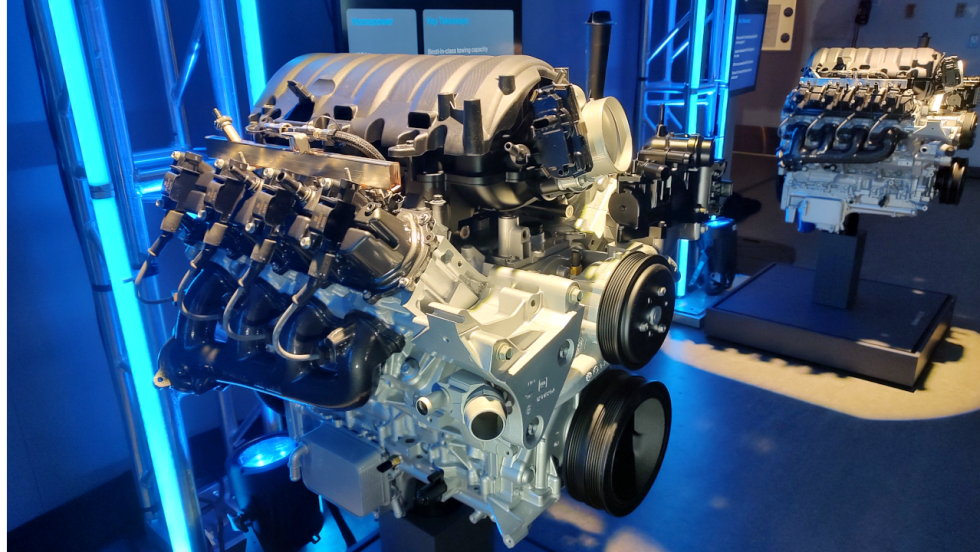
GM Unveils New Sixth-Generation Small Block Engines for 2027 Light-Duty Pickups
General Motors unveiled two new small-block engines, backed by extensive real-world validation and more than 70 years of small-block V8 manufacturing experience, as part of the engine portfolio for the 2027 Chevrolet Silverado 1500 and GMC Sierra 1500.
Read More →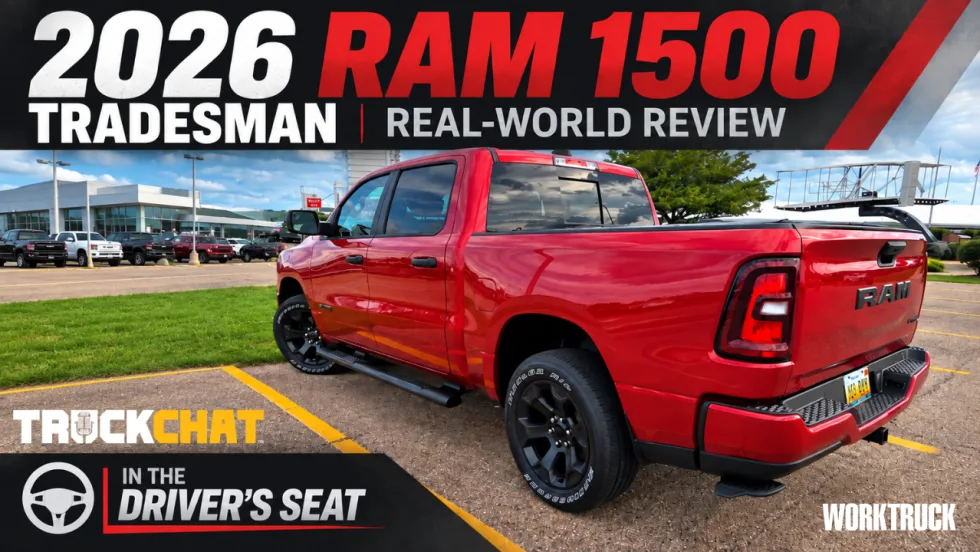
2026 Ram 1500 Tradesman Put to a Real-World Fleet Test
A few days behind the wheel of a 2026 Ram 1500 Tradesman turned into a test of visibility, parking, work-ready features, and even severe-weather driving.
Read More →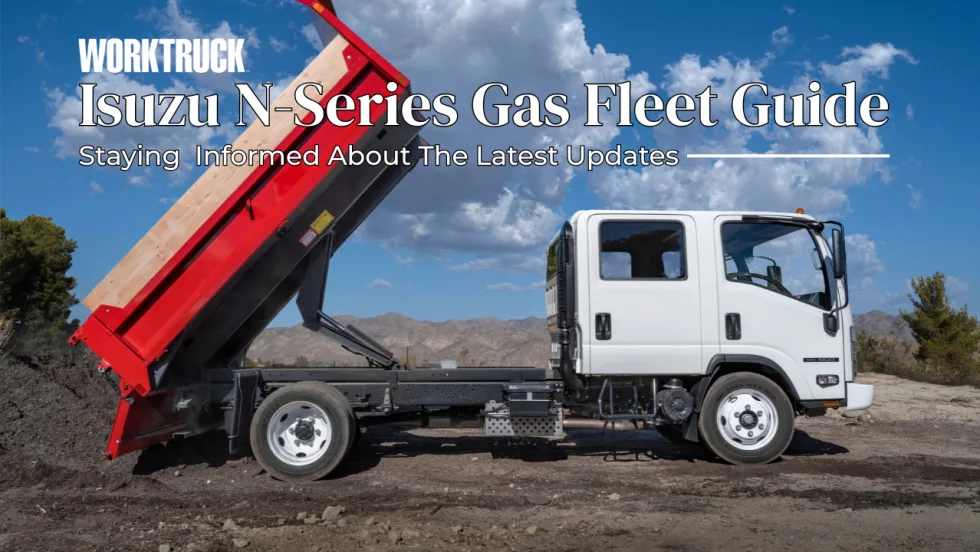
Isuzu N-Series Gas Fleet Guide: Specs, Capability and 2027 Model-Year Updates
Explore Isuzu Truck North America’s N-Series Gas fleet specs, engine performance, GVWR and payload capability, configurations, chassis dimensions, work-focused features, and 2027 model-year information.
Read More →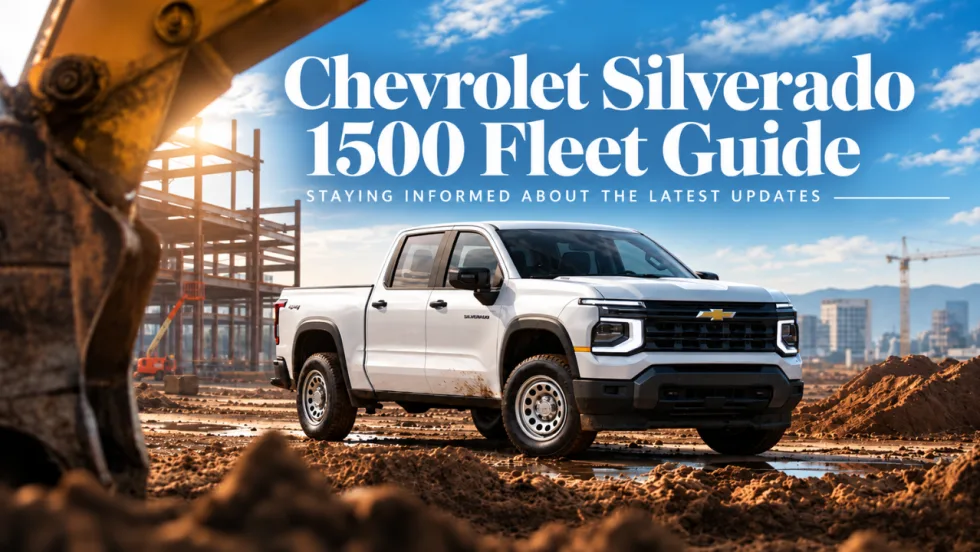
Chevrolet Silverado 1500 Fleet Guide Specs Capability and 2027 Model-Year Updates
The next-generation 2027 Chevrolet Silverado 1500 brings new V-8 engines, updated technology, expanded safety features, and a fleet-focused Work Truck. Here’s what commercial fleets need to know so far.
Read More →
Ram ProMaster City Fleet Guide Specs Cargo Capacity and 2027 Updates
Work Truck’s Ram ProMaster City Fleet Guide tracks the latest specifications, cargo capability, configurations, fleet technology, pricing, and model-year updates for Ram’s mid-size commercial van.
Read More →
Ford F-150 Fleet Guide Specs Capability and 2026 Model-Year Updates
Explore 2026 Ford F-150 fleet specs, engines, towing and payload capability, configurations, work features, technology, and model-year updates.
Read More →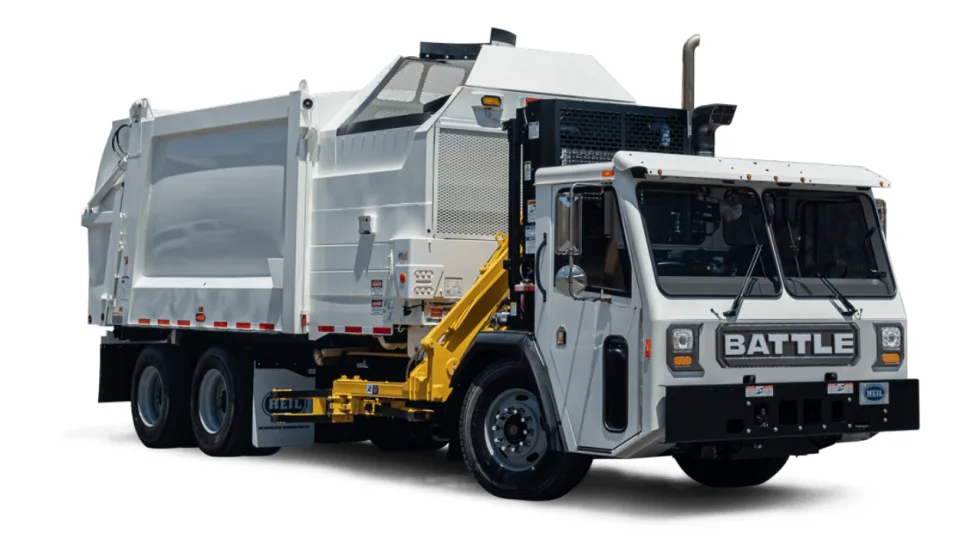
TCI Now Sells & Supports Battle Motors’ Vocational Trucks
Midwest truck dealer Truck Centers, Inc. (TCI) has expanded its transportation solutions with sales and service support for Battle Motors’ heavy-duty vocational trucks at locations in locations in Indiana, Illinois, and Missouri
Read More →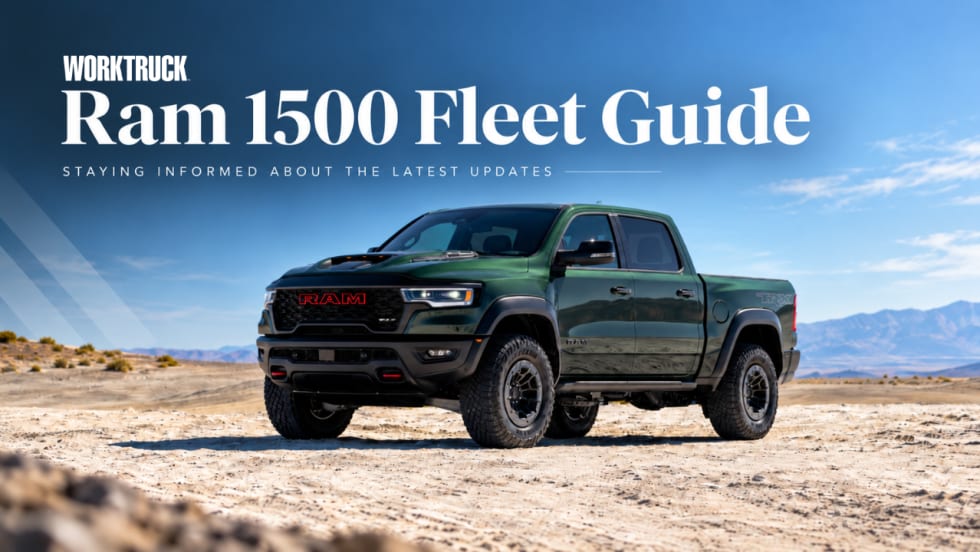
Ram 1500 Fleet Guide Specs, Capability and 2027 Model-Year Updates
Explore always up-to-date Ram 1500 fleet specs, engines, towing and payload capability, configurations, technology, pricing updates, and model-year changes.
Read More →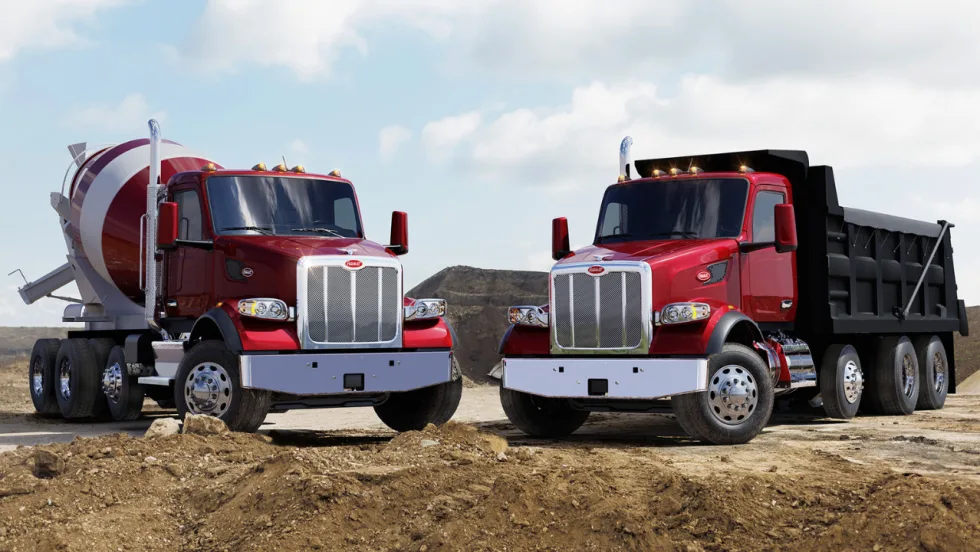
Peterbilt Trucks Equipped with Paccar TX-18 Pro Boost Efficiency for Maryland Fleet
Patuxent Companies is replacing aging trucks with the Peterbilt Model 567 and Model 589, specified with the Paccar TX-18 Pro 18-speed automated transmissions, and is reporting an 8% to 10% improvement in fuel economy.
Read More →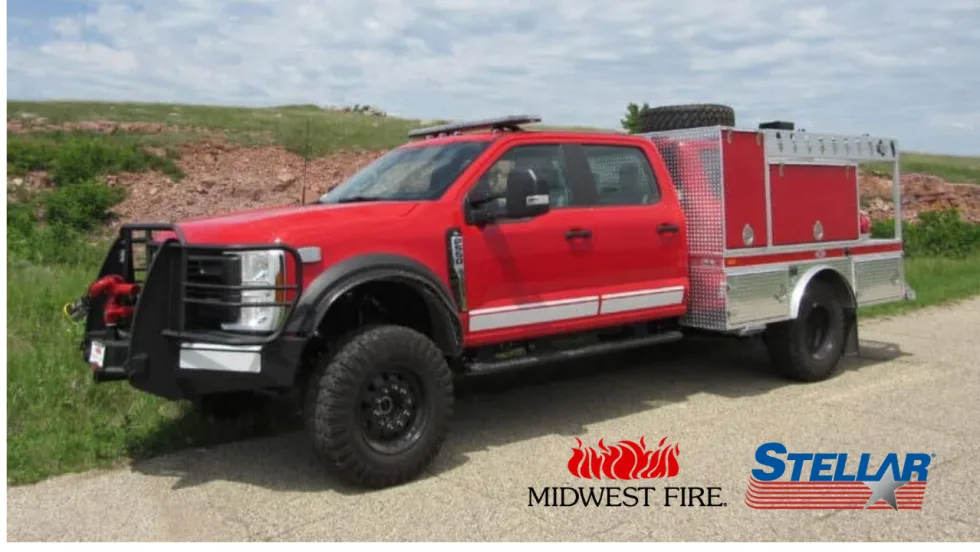
Stellar Expands into Fire Apparatus Market with Acquisition of Midwest Fire
Stellar Industries has acquired Midwest Fire, a custom fire apparatus manufacturer headquartered in Luverne, Minnesota, with nearly four decades of specialized apparatus experience.
Read More →