




Gas, Hybrid and Diesel: A Lifecycle Cost Analysis
Higher fuel prices and moderating acquisition costs have improved hybrids’ return on investment in recent years. Diesels step into the “green” spotlight with new models and strong lifecycle costs.

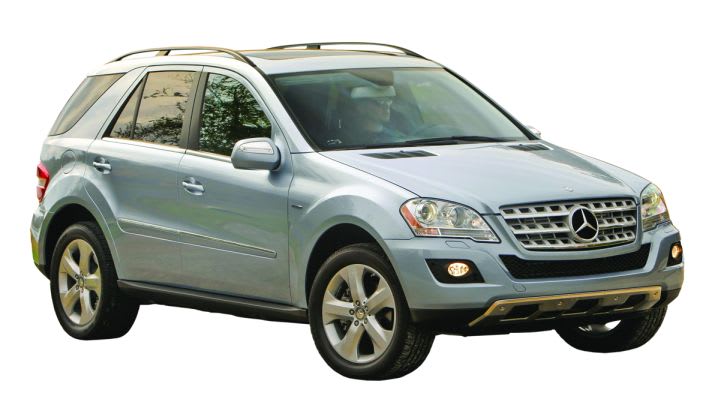
Mercedes-Benz is the only manufacturer to produce a similar gas-, hybrid- and diesel-powered model, the ML350, ML450H and ML350CDI. The diesel model has the best lifecycle cost of the group.
Vincentric, pioneers in lifecycle cost analyses for fleets, compared hybrid models to their gas-powered counterparts in the January/February 2007 issue of Business Fleet.
Much has changed in the world of alternative-powered vehicles since then. Fuel prices have fluctuated wildly on an upward trajectory, affecting payback lengths for alt-powered vehicles. There are more hybrid model offerings today and many have fleet incentives, while some hybrid models' tax credits have expired.
On the diesel front, new, stringent emissions standards and stellar fuel economy have helped diesel passenger car models achieve "green" status.
We asked Vincentric to revisit its cost scenario with diesel vehicles in the mix. Would hybrids be able to overcome their premiums more quickly? How would diesels fare versus gas and hybrid power?
Hybrids - Quicker ROI
In the original analysis, only one out of 11 hybrid models paid back its hybrid premium compared to its gas counterpart after three or five years.
In the present analysis, out of 18 hybrid and gas pairs selected, seven pay back their hybrid premiums by three years, eight within five years. Recent higher fuel prices and moderating acquisition costs have improved the economics of hybrids in fleets.
Toyota/Lexus and Honda have used up their hybrid tax credits (under present rules) while domestic and European hybrid manufacturers have not. Nonetheless, Toyota, Lexus and Honda have the lowest, or are tied for the lowest, in lifecycle costs in each segment.
Ford Fusion, Honda Civic and Toyota Camry hybrid models overcome their premiums within three years.
Honda Insight and Toyota Prius, the two proprietary hybrid models, have the lowest costs per mile of any of the hybrid models. However, Toyota Corolla has the lowest cost per mile overall in this study. Honda Civic is a close second.
Four hybrid luxury models (Cadillac Escalade Hybrid, Lexus HS 250h, Lexus RX 450h and Mercedes S400HV) overcome their premiums in only three years.
Many Diesels Outperform Gas
In general, high fuel costs combined with stellar fuel economy, federal diesel tax incentives, and a smaller spread between gas and diesel model acquisition costs translate into a quicker return on investment than the models in the gas to hybrid analysis.
Diesel tax incentives, where available, range from $900 to $1,800.
This ROI is in spite of the fact that diesel pump prices ran 23 cents more per gallon than regular unleaded ($3.01 to $2.78) as of this analysis.
Five of the six luxury diesel models analyzed return their diesel premiums well within three years.
Volkswagen Jetta Diesel has the lowest lifecycle costs of all diesels, though it takes five years to return its premium.
Vincentric included ¾-ton pickup models and their diesel counterparts. Diesel pickups return their premiums in longer time frames than any other hybrid or diesel model in this analysis. Certainly, a straight cost analysis does not consider the torque and engine longevity advantages of diesel power in pickup applications.
Mercedes is the only manufacturer that makes a similar gas-, hybrid- and diesel-powered model, the ML350, ML450H and ML350CDI. The diesel model wins the lifecycle cost race easily.
Vincentric included Honda Civic CNG (compressed natural gas) in this analysis. Civic CNG does not beat the gas- or hybrid-powered
Civic models in overall cost.
To view the complete lifecycle cost analysis charts, click here.
More Small Fleet


Developing Budget-Friendly Driver Safety Programs
From driver training and safety meetings to one-on-one coaching and incentive programs, several small fleets share how they have developed a safety culture with their drivers using low- to no-cost resources.
Read More →
Boosting Last-Mile Fleet Uptime, Safety, and Value with AI Vehicle Inspections
AI-powered inspections are transforming last-mile fleets by replacing manual checks with highly accurate automated scans that detect defects in seconds. By giving fleet operations visibility into the daily condition of their vehicles, you can identify trends over the vehicle’s lifecycle that enable improved procurement decisions, route management, driver training and accountability.
Read More →
Five Ways Seat Belts Help Prevent Injuries
There are five ways seat belts protect occupants from injuries, according to the Tennessee Department of Safety and Homeland Security.
Read More →
It’s here: The 2026 Fleet Technology Trends Report
What does AI mean for fleets? Get the answer — and learn other top tech trends.
Read More →
Small Fleets, Big Impact: How Independent Drivers Power Wreaths Across America
Check out how small fleets and independent drivers power Wreaths Across America each December and why their impact matters more than ever.
Read More →
VMS Survey Finds 65% of Small Fleet Managers Run Operations Alone
A new VMS survey shows small fleet managers are stretched thin, with most handling operations solo and eager to adopt digital tools for relief.
Read More →
Tips for Driving Safely on Halloween Night
This video features a reminder from the Connecticut Department of Transportation (DOT) and the Connecticut Police Chiefs Association, urging drivers to prioritize safety this Halloween.
Read More →
AI, Access, and Uptime: VMS’s Next Chapter with David Prusinski
VMS’s new Co-CEO, David Prusinski, shares how an AI-first approach will give small fleets and repair shops the tools to compete like big players.
Read More →
Fleet Managers Share Winter Prep Tips: It's Never Too Early!
Three fleets share best practices to prep vehicles for winter and prevent downtime when the cold sets in.
Read More →