




Flexible Standardization: How Modern Fleets Are Rethinking Consistency to Stay Operational
Fleet standardization is evolving. Learn how flexible vehicle specs help large fleets reduce delays, improve uptime, and adapt to disruptions.
As supply chain disruptions and vehicle availability challenges continue to reshape fleet operations, organizations are rethinking traditional standardization strategies and embracing greater flexibility to maintain productivity and resilience.
Work Truck
- Modern fleet management is embracing flexible vehicle specifications to enhance operational efficiency.
- The adaptability of vehicle specs contributes to reduced delays and improved uptime for large fleets.
- Fleets benefit from flexible standardization by being better equipped to handle operational disruptions.
*Summarized by AI
For decades, large trade fleets across home and field service industries, such as construction, HVAC, and utilities, have relied on strict vehicle standardization as a cornerstone of operational efficiency. Locking in specific makes, models, and upfit configurations helped simplify procurement, streamline maintenance, and ensure consistency across dispersed operations.
But today’s operating environment is anything but predictable.
From ongoing supply chain disruptions to OEM production variability and shifting business demands, the rigidity that once defined best practice is now introducing friction. In Prologis’ 2025 Supply Chain Outlook, 87% of executives said safeguarding the supply chain against unforeseen disruptions is now a top priority, reflecting how deeply uncertainty is influencing operational decision-making.
Increasingly, fleet operators are discovering that strict standardization, while well-intentioned, can limit their ability to respond quickly when conditions change. As a result, many are moving toward a more flexible approach that preserves consistency while allowing adaptability.
When Standardization Becomes a Constraint
Traditional standardization strategies were built for stability in an often-steady market that allowed for narrow vehicle specifications, reduced complexity, and delivered cost efficiencies. In today’s environment, those same constraints can slow fleets down.
When organizations are locked into a single OEM, vehicle, or specific configuration, even minor disruptions, such as production delays, parts shortages, or allocation limits, can cascade into larger operational challenges. Vehicles may take longer to source, replacement cycles can stall, and in some cases, assets sit idle while teams wait for the preferred specification to become available.
For fleets supporting time-sensitive operations such as utility restoration, construction timelines, or service-based businesses, those delays translate directly into lost productivity and missed service commitments.
Building Flexibility Into the Framework
Forward-thinking fleets are not abandoning standardization altogether. They are redefining it.
Instead of rigid, one-size-fits-all specifications, many are adopting flexible standards that establish clear operational requirements while allowing for multiple pathways to meet them. This often includes approving multiple OEMs instead of relying on a single manufacturer, expanding acceptable vehicle classes or comparable models, creating alternative upfit packages based on availability, and identifying substitute components when primary options face delays.
This approach enables procurement and operations teams to move faster, sourcing available vehicles that meet core job requirements rather than waiting for an exact match. It also introduces resilience into the acquisition process, ensuring fleets can maintain momentum even when market conditions shift unexpectedly.
The Complexity of Scale
For large fleets, particularly those with 5,000 or more vehicles, the challenge becomes more nuanced. Consistency still matters. Maintenance programs, safety protocols, technician training, and driver experience all benefit from a degree of uniformity. At the same time, over-standardization can create bottlenecks that ripple across the organization. Balancing these competing priorities requires a more deliberate strategy.
Leading fleets are segmenting their operations by defining where strict consistency is essential and where flexibility can be introduced without compromising performance. For example, critical safety systems or core upfit requirements may remain standardized, while vehicle brands or secondary features become more flexible.
Driver experience is another important consideration. Operational consistency can reduce training needs and improve satisfaction, but allowing limited variation, especially when it accelerates deployment, can be a practical tradeoff. The larger the fleet, the more important it is to maintain multiple viable solutions rather than relying on a single path.
Productivity Gains Through Adaptability
The shift toward flexible standardization is not only about managing risk, but also driving measurable performance improvements. Fleets that embrace flexibility are often better positioned to increase uptime, improve asset utilization, reduce downtime, and enhance overall service delivery. Faster vehicle sourcing helps minimize service gaps, while alternative parts and configurations keep maintenance and upfit processes moving.
Flexibility allows fleets to keep vehicles on the road and aligned with operational demand, even when external conditions are less than ideal. This is especially important in industries where service reliability directly impacts revenue and customer satisfaction, including utilities, construction, delivery, and field services.
A More Resilient Path Forward
The fleet industry is entering a new phase in which adaptability is as important as efficiency. Flexible standardization represents a strategic evolution, not a departure from best practices. It reinforces the importance of consistency while recognizing the need to respond to real-world constraints.
By building optionality into vehicle specifications, procurement strategies, and upfit planning, fleets can reduce risk, maintain productivity, and better support long-term growth. In an environment defined by uncertainty, the most successful fleets will not be those with the most rigid standards, but rather those that can adapt to a changing operating environment.
Work Truck | Merchants Fleet
About the Author: Charles Mathew is the Assistant Director of Order & Upfit at Merchants Fleet. This article was authored and edited following Work Truck editorial standards and style. Opinions expressed may not reflect those of WT.
Quick Answers
Fleet standardization is evolving to allow for more flexibility, helping fleets reduce delays, improve operational uptime, and efficiently adapt to disruptions in their operations.
*Summarized by AI
More Upfitting
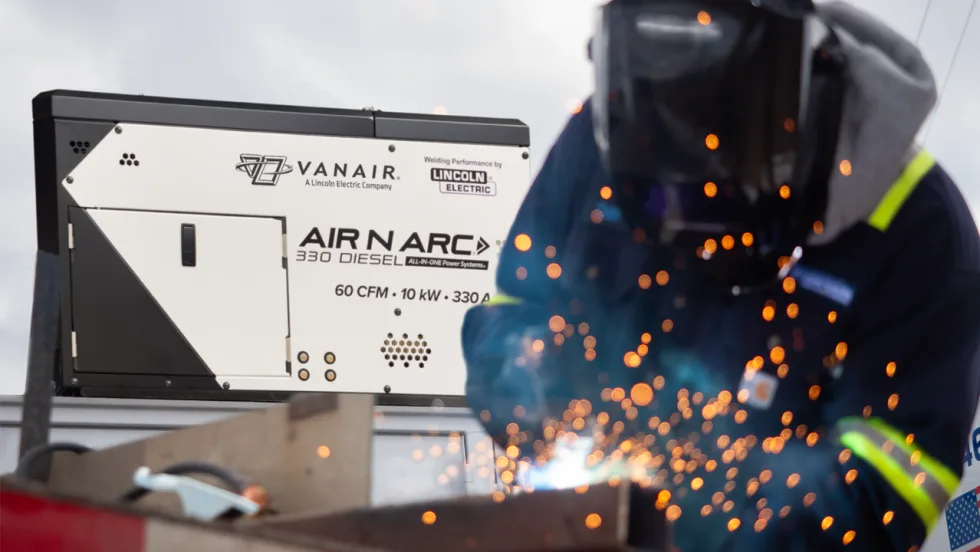
Multitasking: Vanair’s Air N Arc 330 Diesel 60 CFM All-In-One Power System
The Air N Arc 330 Diesel 60 CFM from Vanair consolidates a welder, generator, rotary screw air compressor, battery booster, battery charger, and EV charger into a single 750-pound enclosure driven by one 24.8-horsepower Kubota diesel engine.
Read More →
Buyers Products Awarded Sourcewell Cooperative Purchasing Contract for Snow & Ice Equipment
Buyers Products has been awarded a Sourcewell contract for a wide range of winter maintenance equipment and accessories, including snowplows, municipal plow systems, wing plows, spreaders, and more.
Read More →
Hilltip Introduces the SnowStriker SFT Flex Expandable Box Plow
Hilltip’s new SnowStriker SFT Flex expandable box plow features hydraulically extendable sections that allow operators to adapt the clearing width to changing conditions and applications on the go.
Read More →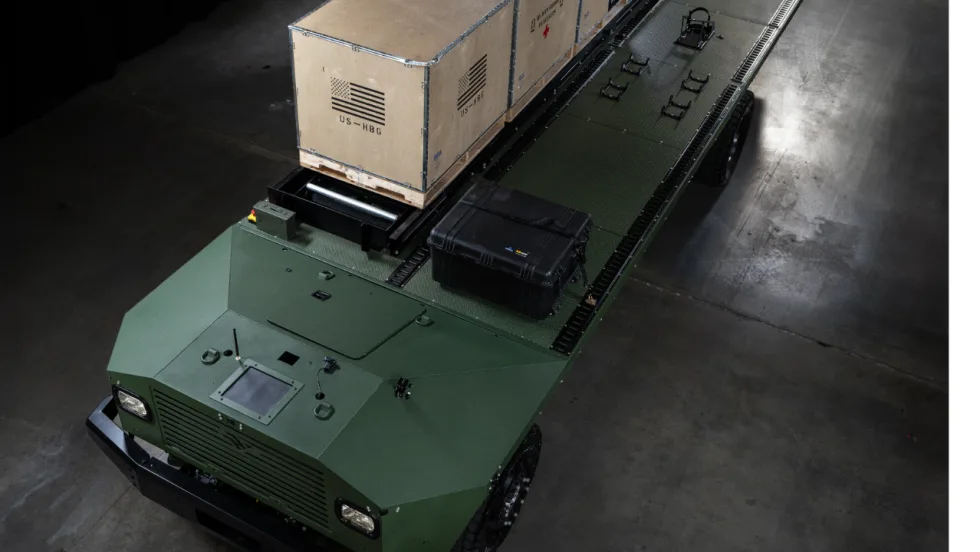
Harbinger Part of Effort to Deliver Autonomous Logistics Capabilities for U.S. Army
American Rheinmetall received an 18-month U.S. Army contract to deliver autonomous, hybrid-powered uncrewed ground vehicles. Harbinger is providing the truck platform for those vehicles.
Read More →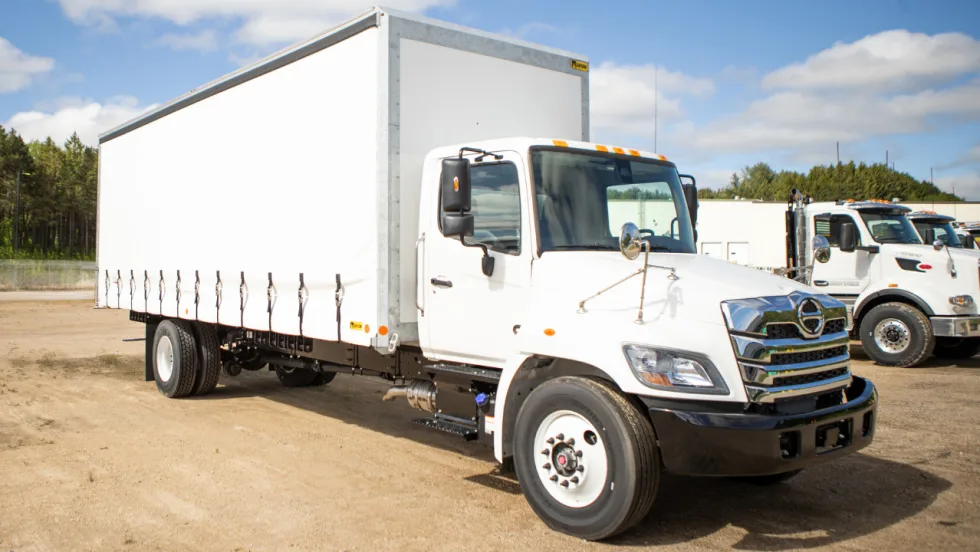
Thinking Outside of the Box: Choosing the Right Truck Body for Your Fleet
Choosing the right truck body can have a major impact on loading efficiency, cargo protection, downtime, and long-term operating costs. Here’s how dry vans, platforms, and curtainsiders compare, plus what fleets should consider before spec’ing their next truck.
Read More →
Fourth Annual Upfit Package of the Year Awards Open for 2027 Entries: One Month Left!
Think your upfit deserves industry recognition? Enter the 2027 Work Truck Upfit Package of the Year Awards before the Sept. 30 deadline. There is less than a month left to get your submissions in!
Read More →
Reading Truck Equipment & Masterack Unite as One of North America's Largest Commercial Vehicle Upfit Networks
Reading Truck Equipment and Masterack have integrated operations to create one of North America's largest and most comprehensive commercial vehicle upfit organizations.
Read More →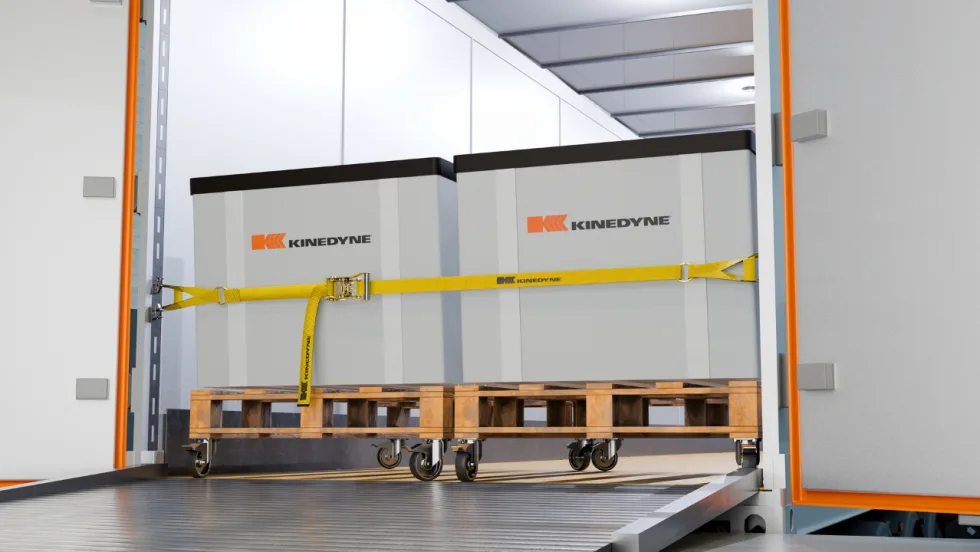
Kinedyne Launches Heavy Duty Logistic Shoring Strap
Kinedyne’s new Heavy Duty Logistic Shoring Strap features a patent-pending four-point design to deliver greater cargo stability, increased strength, and easier handling for rolling and shifting freight.
Read More →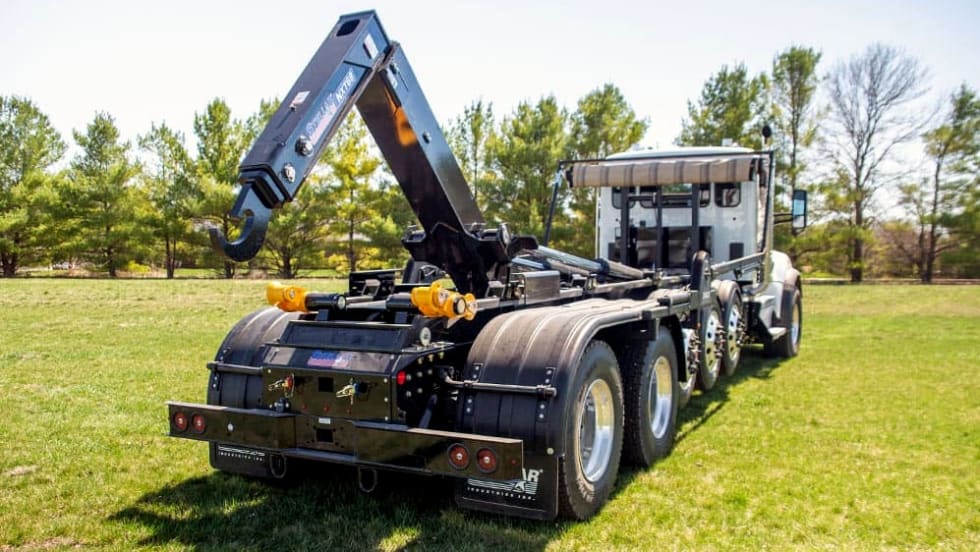
Hooklift Bumper Design from Stellar Showcases Strength & Versatility
Stellar Industries’ new bumper for the NZT Series Hooklifts come in two capacity options: the 20K, designed for Class 3 – 6 chassis with a 20,000-pound pull capacity, and the 90K, built for Class 7 and 8 chassis with a 90,000-pound pull capacity.
Read More →
Maxon Lift Awarded the Wabash Platinum Award for Supply Chain Performance
Maxon Lift, a liftgate manufacturer since 1957, received the Wabash Platinum Award for supply chain performance in 2025. Each year, Wabash presents awards to top suppliers for excellence in supply chain performance.
Read More →