In the next 10 years, the fleet industry is forecast change more than it has in the past 15 years. These changes will mirror the broader transformation percolating throughout the global economy.
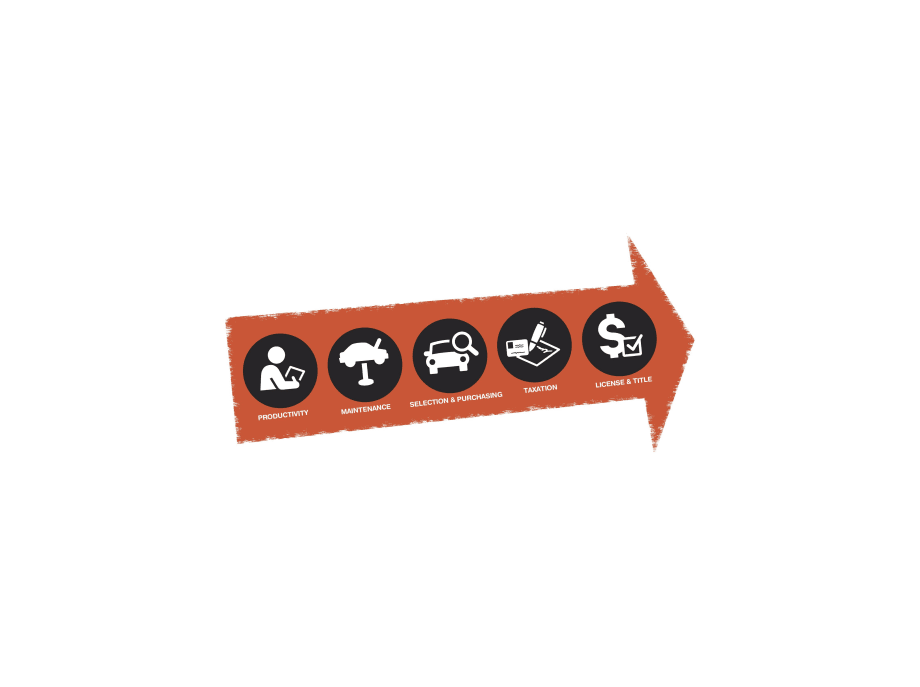
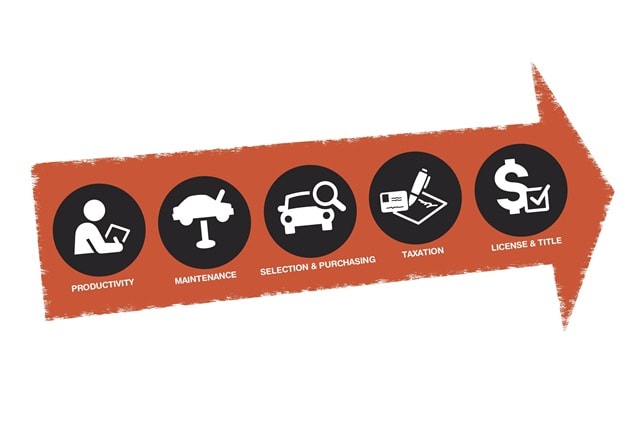
How will fleet management change in the next 10-plus years? In the following five articles, we have assembled a stellar ensemble of leading subject-matter experts who present wide-ranging forecasts about an array of fleet issues from both a service and product perspective. They include forecasts on:
Ad Loading...
Faster, better, and more sophisticated productivity tools.
An explosion of driver apps and the entrenchment of mobile technology as the primary medium for driver interaction.
Fleet maintenance transition from reactive to proactive practices using remote diagnostics tools.
The fleet impact of the larger societal migration to the “Internet of Everything” and the use of Big Data to drive fleet data analytics.
The impact of CAFE regulations on new-vehicle selection and purchasing.
Fleet taxation trends and the desire of some legislators to tax Web-based services.
Technological changes to license & title services.
Ad Loading...
In most cases, these fleet trends will be manifestations of a broader macro transformation that is percolating throughout the global economy. These changes will impact many different industry segments, with fleet representing only one offshoot of this multi-pronged, multi-faceted change.
Historically, fleet has proven to be an early adopter of new technologies and business practices; therefore it is important to watch how technology and business practices are evolving outside of fleet. How will these innovations be incorporated into fleet management? The greatest catalyst for fleet management change in the next 10-15 years will be technology-driven, and it will be driven by technology developed outside of the fleet management that will be customized to our business practices. This will result in a myriad of fleet functions redefined by technology.
Generational Upheaval
The other major change that will transform fleet management will be driven by demographics. The majority of people in this industry occupy a narrow demographic band, primarily Baby Boomers. In the next 10-15 years, there will be a dramatic generational change as Baby Boomers retire.
A new generation of thought-leaders will emerge, who will have never have known life without the Internet, social media, and on-demand connectivity. They will be comfortable working in a fleet environment increasingly governed by technology and will be receptive to adopting new technologies. I predict this new tech-savvy workforce (and management) will demand and even accelerate the adoption of technological solutions in fleet operations.
Ad Loading...
In the next 14 pages, this special report will offer a detailed exploration of how the fleet industry will change in the next decade. Let us know if we missed anything.
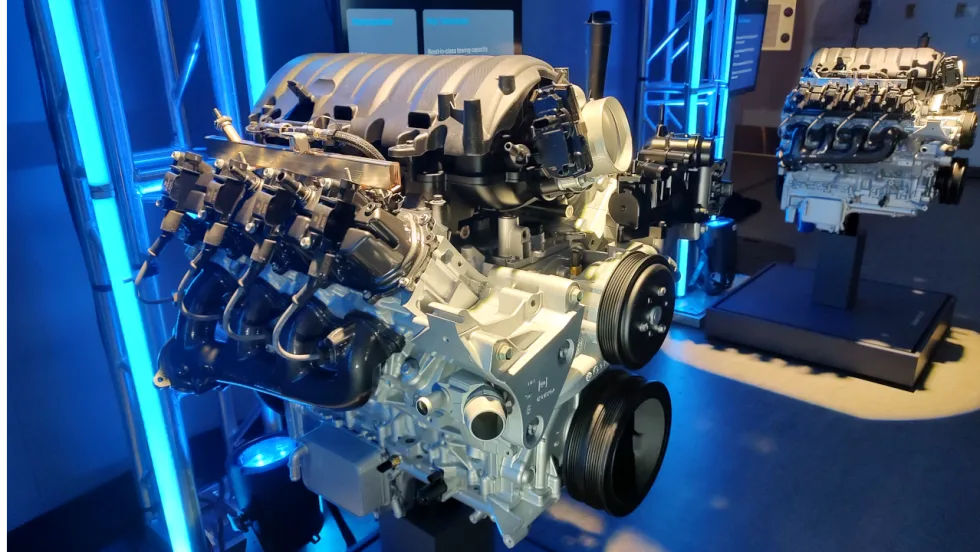
General Motors unveiled two new small-block engines, backed by extensive real-world validation and more than 70 years of small-block V8 manufacturing experience, as part of the engine portfolio for the 2027 Chevrolet Silverado 1500 and GMC Sierra 1500.
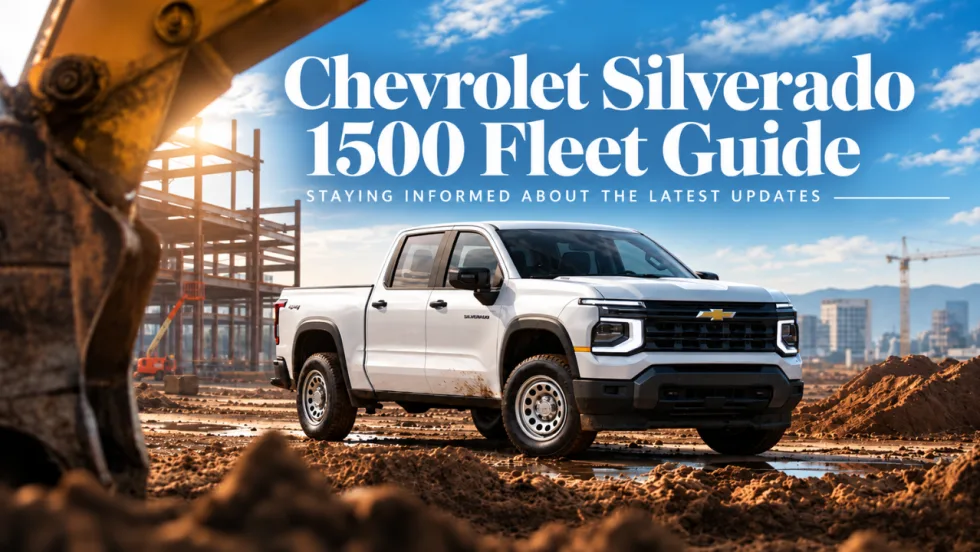
The next-generation 2027 Chevrolet Silverado 1500 brings new V-8 engines, updated technology, expanded safety features, and a fleet-focused Work Truck. Here’s what commercial fleets need to know so far.
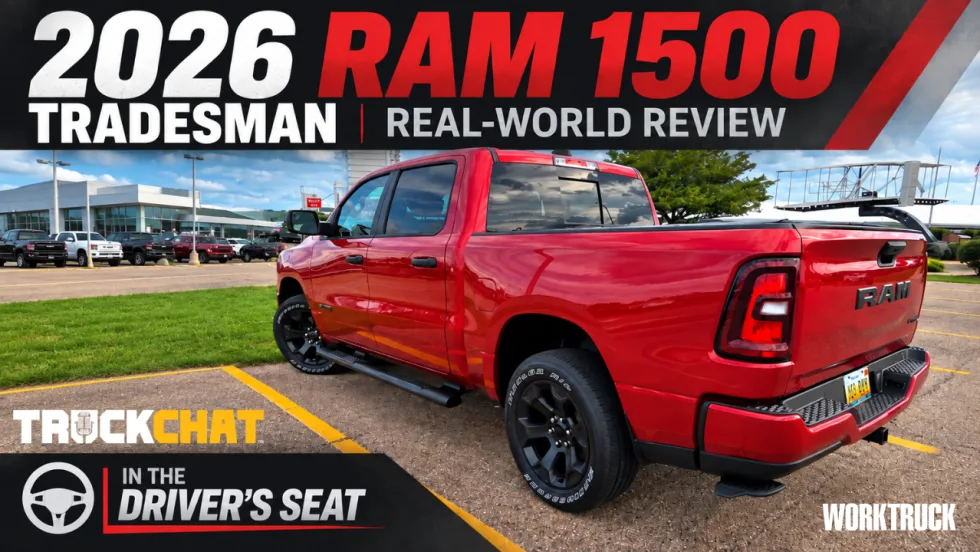
A few days behind the wheel of a 2026 Ram 1500 Tradesman turned into a test of visibility, parking, work-ready features, and even severe-weather driving.
Work Truck’s Ram ProMaster City Fleet Guide tracks the latest specifications, cargo capability, configurations, fleet technology, pricing, and model-year updates for Ram’s mid-size commercial van.
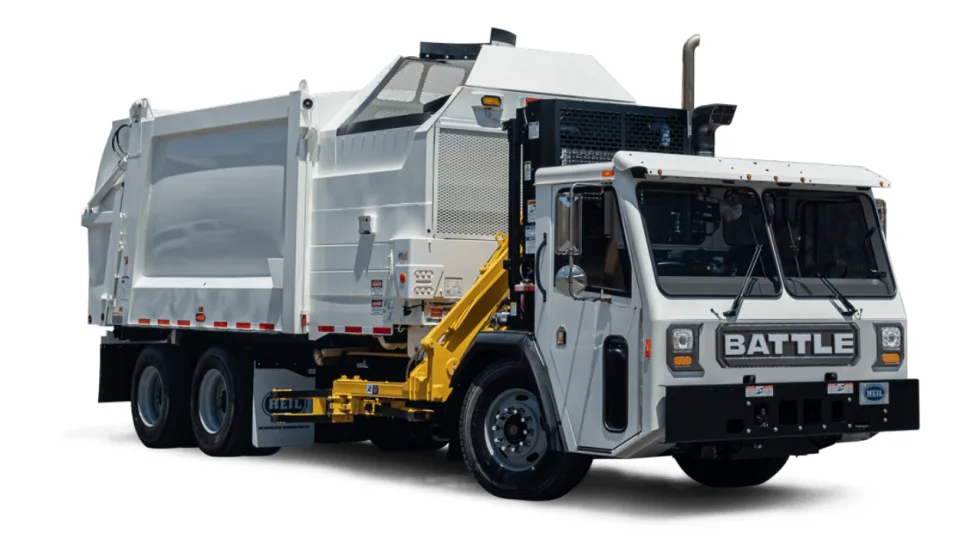
Midwest truck dealer Truck Centers, Inc. (TCI) has expanded its transportation solutions with sales and service support for Battle Motors’ heavy-duty vocational trucks at locations in locations in Indiana, Illinois, and Missouri
Patuxent Companies is replacing aging trucks with the Peterbilt Model 567 and Model 589, specified with the Paccar TX-18 Pro 18-speed automated transmissions, and is reporting an 8% to 10% improvement in fuel economy.
Stellar Industries has acquired Midwest Fire, a custom fire apparatus manufacturer headquartered in Luverne, Minnesota, with nearly four decades of specialized apparatus experience.