




Enhancing Fleet Efficiency and Safety Through Upfitting
Uncover the secrets to enhancing fleet efficiency, safety, and industry-specific needs through vehicle upfitting.


When considering vehicle upfits, fleet managers need to recognize the significant advantages they can offer in terms of standardization, consistency, and safety enhancements for fleet operations.
Photo: Work Truck
Today, fleet operations are essential for ensuring safe and efficient transportation services across various commercial and vocational work truck industries.
Chris Johnston, a seasoned Fleet Operations Manager at Merchants Fleet, shares his wealth of knowledge and experience, shedding light on the pivotal role of vehicle upfitting in bolstering fleet efficiency and safety.
Explore the importance of standardization, safety features, and industry-specific custom solutions in vehicle upfitting and dive into the key considerations, challenges, and emerging trends in this area.
Examine the impact of thoughtful vehicle design and the integration of telematics systems to enhance your upfitting processes and elevate overall fleet performance.
Boosting Fleet Efficiency and Work Truck Safety with Upfits
When considering vehicle upfits, fleet managers need to recognize the significant advantages they can offer in terms of standardization, consistency, and safety enhancements for fleet operations.
Johnston emphasizes the practical benefits of upfitting: "By standardizing across the fleet, all vehicles are equipped with the same features and equipment. This approach streamlines operations, maintenance, and training, simplifying fleet management and reducing costs."
He added that upfitting can incorporate safety features such as backup cameras, additional lighting, and collision avoidance systems.
"These enhancements not only protect drivers and passengers but also help prevent accidents and reduce liability risks for the fleet operator," he noted.
Upfit Options for Specialized Industries
Practical and tailored solutions can be crafted to meet the unique requirements of various industries, including HVAC, plumbing, and electrical services.
Upfitting solutions typically involve custom shelving and racks built to efficiently organize tools, equipment, and supplies for HVAC service vehicles. The adjustable shelving allows for flexibility in storing HVAC components of different sizes, while specialized racks securely hold pipes, ducts, and other bulky items.
Upfitting modifications may also include installing safety lighting, such as LED work lights and strobe beacons, to improve visibility and safety during nighttime or roadside work. Furthermore, electrical outlets and power inverters can provide easy access to electricity for powering tools and equipment directly from the vehicle.
Critical Considerations for Commercial Truck Upfits
When making upfit selections, Johnston's top advice was to make sure you choose the right type of vehicle(s) for the job.
"Consider factors such as size, payload capacity, fuel efficiency, maneuverability, and compatibility with upfitting options. The vehicle can be considered a tool, and you will want to ensure the driver has the right tool for the job," he explained.
Fleet managers are also tasked with ensuring vehicles and upfitting modifications comply with safety regulations and industry standards.
"Consider features such as backup cameras, additional lighting, collision avoidance systems, and ergonomic design elements to minimize risks to drivers, passengers, and other road users. Stay informed about relevant regulations and update vehicles accordingly to maintain compliance," Johnston said.
Proper vehicle design, including considerations of vehicle weight, is critical in optimizing fleets' operational success.
"By carefully managing vehicle weight, fleet managers can improve fuel efficiency, maximize payload capacity, enhance performance and handling, ensure regulatory compliance, minimize infrastructure impact, and prioritize safety throughout their operations," he said.
Overcoming Top Upfit Challenges
One fact is clear: Upfitting can be expensive, especially when customizations are required to meet specific operational needs.
Johnston advises fleet managers to conduct thorough research to identify cost-effective upfitting solutions that maintain quality and safety, alleviating concerns about the potentially high costs.
Many upfits also require vehicles to be taken out of service for a certain period, leading to downtime and disruptions in operations.
"To minimize downtime, fleet managers should coordinate upfitting schedules with downtime periods, such as during scheduled maintenance or off-peak hours. They can also work closely with upfitting suppliers to streamline the installation process and expedite turnaround times," he added.

Proper vehicle design, including considerations of vehicle weight, is critical in optimizing fleets' operational success.
Photo: Work Truck
The Role of Data and Analytics in Optimizing the Upfitting Process
As a fleet manager, it is essential to leverage data analytics to make informed decisions about upfitting solutions and monitor the performance of upfitted vehicles in real-time.
"By analyzing performance data, customer feedback, and market trends, fleet managers can evaluate the performance and cost-effectiveness of different upfitting options," Johnston said.
He added that data analytics enable fleet managers to make informed decisions about:
Upfitting modifications
Prioritizing investments based on ROI
Customizing vehicles to maximize efficiency and productivity
Data and analytics also enable you to monitor the performance of upfitted vehicles in real time.
Johnston underscores the importance of data analytics in optimizing the upfitting process, stating, "By collecting data on factors such as fuel consumption, maintenance needs, vehicle utilization, and driver behavior, fleet managers can identify inefficiencies, trends, and areas for improvement. This data-driven approach allows fleet managers to optimize vehicle configurations, upfitting solutions, and operational processes."
Emerging Upfit Trends to Pay Attention To
No one has a true crystal ball when it comes to looking ahead, but some trends are easier to spot.
Johnston noted that telematics systems increasingly integrate with vehicle upfitting solutions, providing fleet managers real-time data on vehicle location, performance, and usage.
He added, "Integration with upfitting components such as GPS tracking, sensors, and onboard diagnostics enables advanced fleet management capabilities, including route optimization, predictive maintenance, and driver behavior monitoring."
In addition, fleet managers must select durable materials and components for upfitting to minimize maintenance requirements and extend vehicle lifespan.
"Consider factors such as corrosion resistance, weatherproofing, and ease of cleaning to ensure that upfitting modifications withstand the rigors of daily use and environmental conditions," he added.
Vehicle upfitting will increasingly incorporate advanced technologies such as artificial intelligence (AI) and automation.
"Upfitted vehicles may feature smart sensors, autonomous capabilities, and connectivity solutions that enable real-time monitoring, remote diagnostics, and predictive maintenance. Fleet managers can leverage these technologies to optimize fleet performance, enhance safety, and reduce operating costs through proactive maintenance and data-driven decision-making," Johnston concluded.
More Upfitting
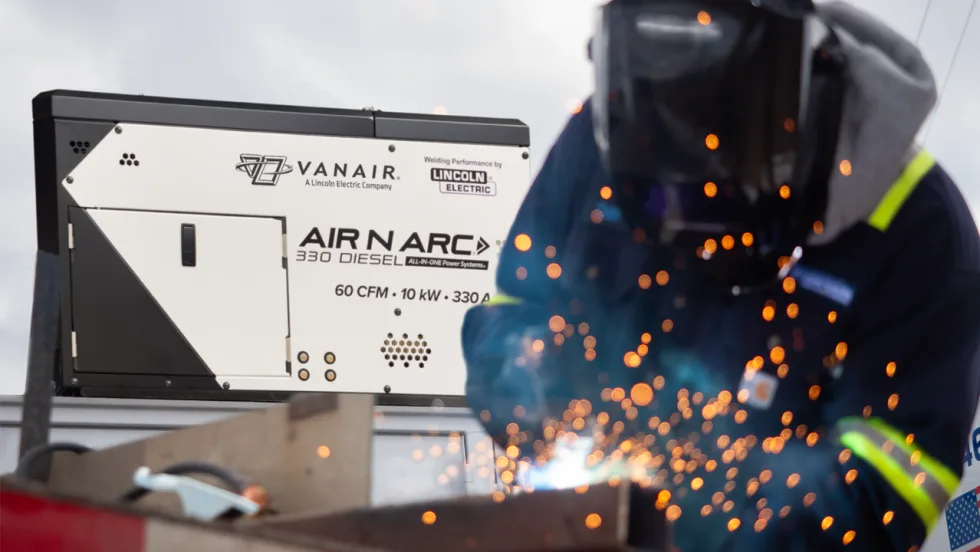
Multitasking: Vanair’s Air N Arc 330 Diesel 60 CFM All-In-One Power System
The Air N Arc 330 Diesel 60 CFM from Vanair consolidates a welder, generator, rotary screw air compressor, battery booster, battery charger, and EV charger into a single 750-pound enclosure driven by one 24.8-horsepower Kubota diesel engine.
Read More →
Buyers Products Awarded Sourcewell Cooperative Purchasing Contract for Snow & Ice Equipment
Buyers Products has been awarded a Sourcewell contract for a wide range of winter maintenance equipment and accessories, including snowplows, municipal plow systems, wing plows, spreaders, and more.
Read More →
Hilltip Introduces the SnowStriker SFT Flex Expandable Box Plow
Hilltip’s new SnowStriker SFT Flex expandable box plow features hydraulically extendable sections that allow operators to adapt the clearing width to changing conditions and applications on the go.
Read More →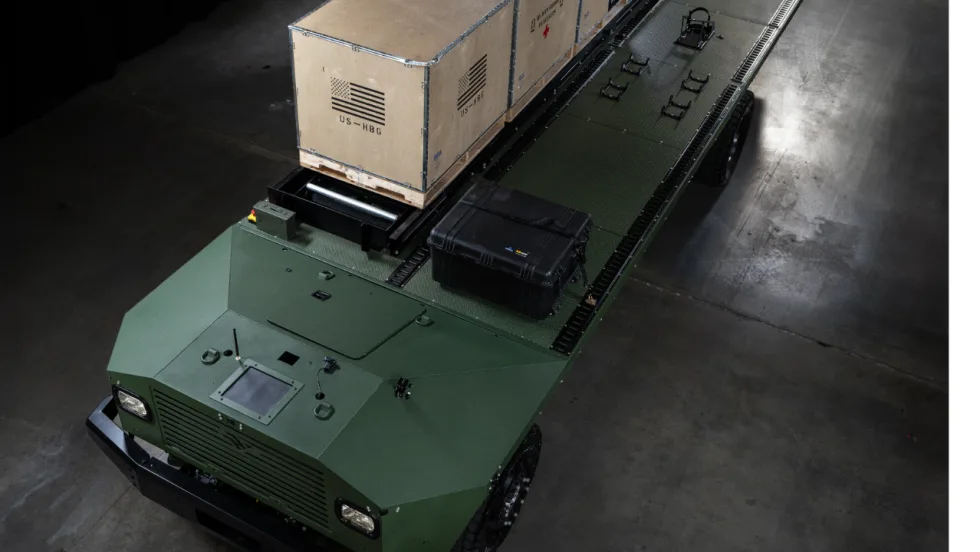
Harbinger Part of Effort to Deliver Autonomous Logistics Capabilities for U.S. Army
American Rheinmetall received an 18-month U.S. Army contract to deliver autonomous, hybrid-powered uncrewed ground vehicles. Harbinger is providing the truck platform for those vehicles.
Read More →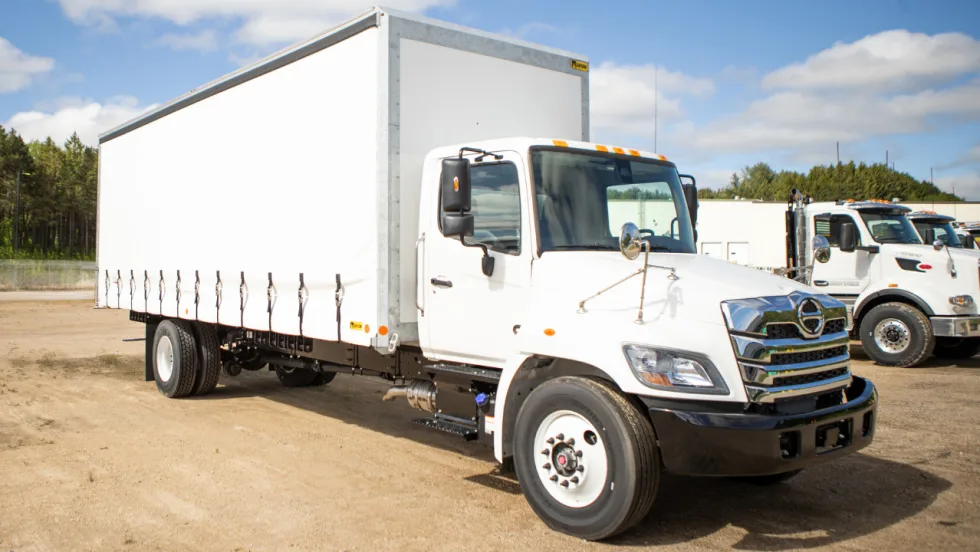
Thinking Outside of the Box: Choosing the Right Truck Body for Your Fleet
Choosing the right truck body can have a major impact on loading efficiency, cargo protection, downtime, and long-term operating costs. Here’s how dry vans, platforms, and curtainsiders compare, plus what fleets should consider before spec’ing their next truck.
Read More →
Fourth Annual Upfit Package of the Year Awards Open for 2027 Entries: One Month Left!
Think your upfit deserves industry recognition? Enter the 2027 Work Truck Upfit Package of the Year Awards before the Sept. 30 deadline. There is less than a month left to get your submissions in!
Read More →
Reading Truck Equipment & Masterack Unite as One of North America's Largest Commercial Vehicle Upfit Networks
Reading Truck Equipment and Masterack have integrated operations to create one of North America's largest and most comprehensive commercial vehicle upfit organizations.
Read More →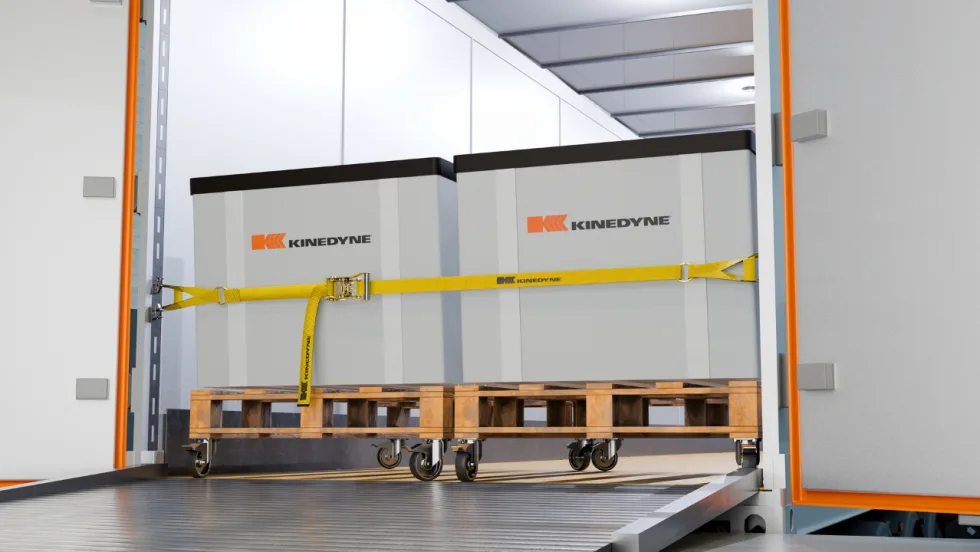
Kinedyne Launches Heavy Duty Logistic Shoring Strap
Kinedyne’s new Heavy Duty Logistic Shoring Strap features a patent-pending four-point design to deliver greater cargo stability, increased strength, and easier handling for rolling and shifting freight.
Read More →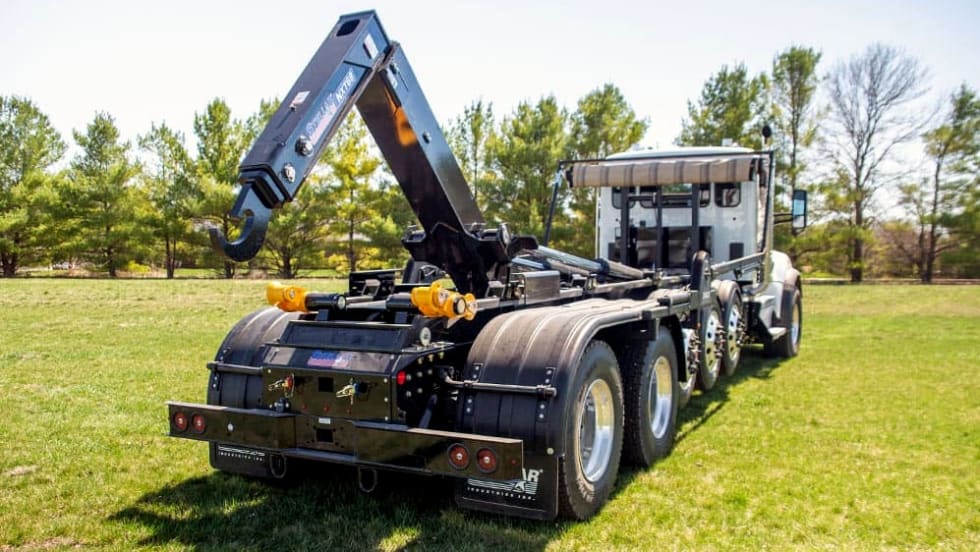
Hooklift Bumper Design from Stellar Showcases Strength & Versatility
Stellar Industries’ new bumper for the NZT Series Hooklifts come in two capacity options: the 20K, designed for Class 3 – 6 chassis with a 20,000-pound pull capacity, and the 90K, built for Class 7 and 8 chassis with a 90,000-pound pull capacity.
Read More →
Maxon Lift Awarded the Wabash Platinum Award for Supply Chain Performance
Maxon Lift, a liftgate manufacturer since 1957, received the Wabash Platinum Award for supply chain performance in 2025. Each year, Wabash presents awards to top suppliers for excellence in supply chain performance.
Read More →