




Coca-Cola's Hybrid Delivery Vans Bring Fuel Savings
Coca-Cola partnered with XL Hybrids to upfit 100 Chevrolet Express service vans with the XL3 parallel hybrid-electric drive system. The new system will increase the miles the beverage company is able to drive per gallon by 20 to 25 percent.
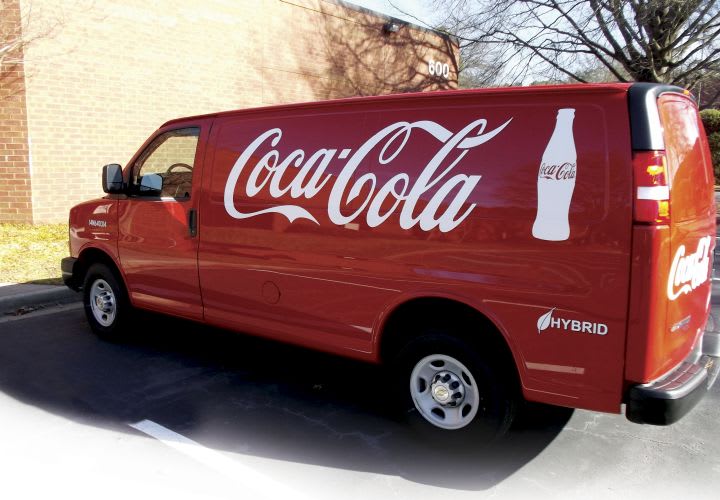
Photo courtesy of XL Hybrids.
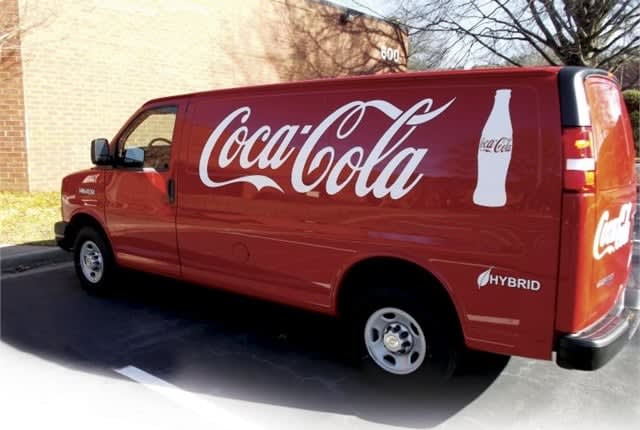
Photo courtesy of XL Hybrids.
As the owner of the largest heavy-duty hybrid-electric delivery fleet in North America, The Coca-Cola Company knows more than most about reducing its overall corporate carbon footprint. The beverage company has dived into the alternative-fuel movement with both feet when it comes to its commercial fleet and have begun to look into upgrades for its service vehicles.
Recently, Coca-Cola partnered with XL Hybrids to upfit 100 Chevrolet Express service vans with the XL3 parallel hybrid-electric drive system. According to XL Hybrids' vice president of sales, Jay Sandler, the new system will increase the miles the beverage company is able to drive per gallon by 20 to 25 percent in suburban and urban driving environments.
"This results in a significant reduction to the cost per mile to operate the vehicle, and results in a favorable return in investment — often in less than three years," Sandler added. "The company operating a vehicle with XL Hybrids' system will also reduce its impact on the environment by reducing carbon emissions by approximately 20 percent."
Coca-Cola's investment in hybrid technology supports the company's goal to reduce its carbon footprint by 25 percent by 2020, according to Tony Eiermann, manager, asset and value management for Coca-Cola North America.
"This technology offered an option that provided low maintenance and fuel savings. It was also able to work with our existing fleet structure," Eiermann said. He added that the company plans on continuing to deploy hybrid, electric, and natural gas trucks in its fleet.
Currently, the company operates more than 800 alternative-fuel delivery vehicles including hybrid-electric, all-electric, liquefied natural gas (LNG), and compressed natural gas (CNG) vehicles. Coca-Cola began building a hybrid fleet in 2001, and sees not only the environmental, but the fiscal benefits as well.
"There are fuel savings and potential maintenance savings. The powertrain unit pays for itself three times over its life span due to these savings," Eiermann said.
Founded in 2009, XL Hybrids continues to recognize hybrid vehicle technology's place in the alt-fuel landscape. Unlike other fuels, such as propane autogas and CNG, hybrid vehicles are not prey to a limited refueling infrastructure.
"There are only about 1,000 public CNG stations operating in the U.S. and probably a smaller number of public propane autogas stations. The number of stations is also geographically limited, with limited hours of operation. This can often result in range anxiety when a vehicle is operated where access to fuel might be questionable," Sandler said.
XL Hybrids works closely with its customers to ensure the vehicles are operating properly and efficiently. Every installed system includes an onboard telematics system that communicates with XL Hybrids' servers at its Boston headquarters every time the key is turned. This gives the company first-hand knowledge on any technical difficulties, even before the customer is aware in some cases.
"We work with them to quickly rectify any problems," Sandler added. "We also can track the drive profile of the route that the vehicle is being used on and can work with the customer to help optimize vehicle operation on routes where the hybrid system will provide the best value and highest return on their investment."
In addition to the hybrid service vans, Coca-Cola recently announced the roll out of 16 first-of-its-kind refrigerated plug-in electric vehicles, continuing its dedication to alternative transportation.
Originally posted on Automotive Fleet
More Vehicle Research
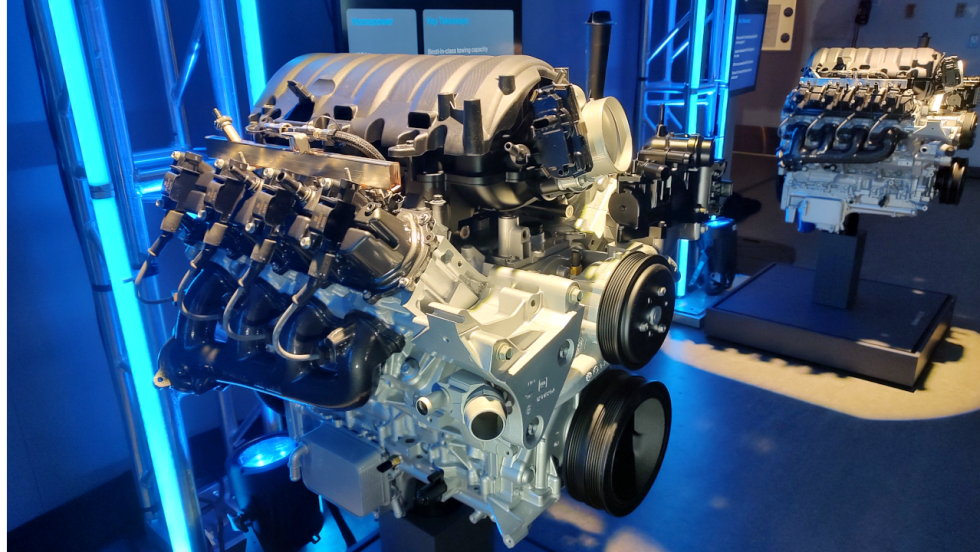
GM Unveils New Sixth-Generation Small Block Engines for 2027 Light-Duty Pickups
General Motors unveiled two new small-block engines, backed by extensive real-world validation and more than 70 years of small-block V8 manufacturing experience, as part of the engine portfolio for the 2027 Chevrolet Silverado 1500 and GMC Sierra 1500.
Read More →
2026 Ram 1500 Tradesman Put to a Real-World Fleet Test
A few days behind the wheel of a 2026 Ram 1500 Tradesman turned into a test of visibility, parking, work-ready features, and even severe-weather driving.
Read More →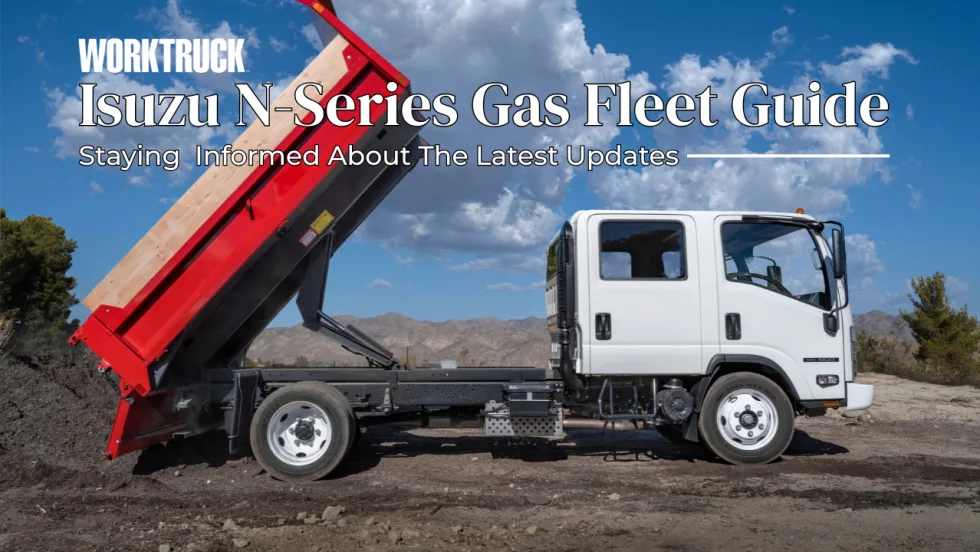
Isuzu N-Series Gas Fleet Guide: Specs, Capability and 2027 Model-Year Updates
Explore Isuzu Truck North America’s N-Series Gas fleet specs, engine performance, GVWR and payload capability, configurations, chassis dimensions, work-focused features, and 2027 model-year information.
Read More →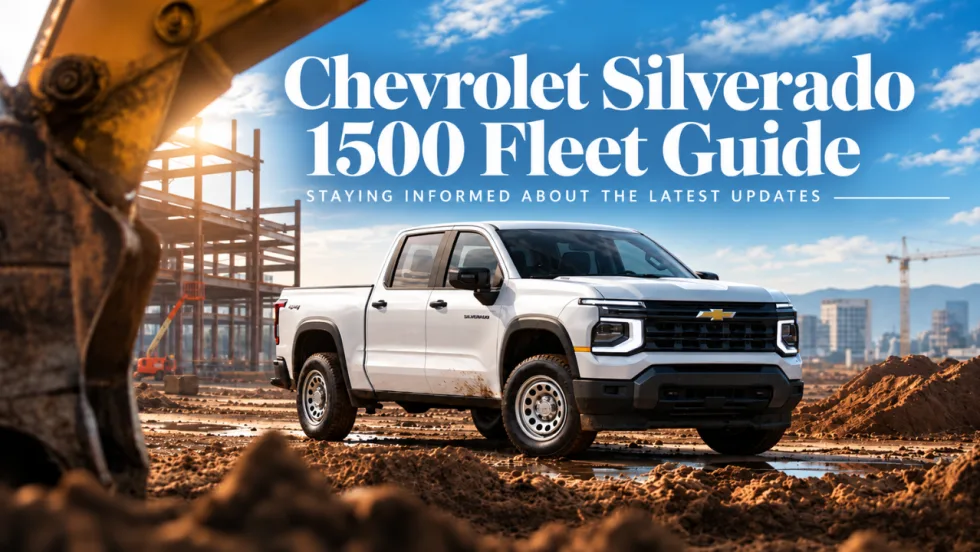
Chevrolet Silverado 1500 Fleet Guide Specs Capability and 2027 Model-Year Updates
The next-generation 2027 Chevrolet Silverado 1500 brings new V-8 engines, updated technology, expanded safety features, and a fleet-focused Work Truck. Here’s what commercial fleets need to know so far.
Read More →
Ram ProMaster City Fleet Guide Specs Cargo Capacity and 2027 Updates
Work Truck’s Ram ProMaster City Fleet Guide tracks the latest specifications, cargo capability, configurations, fleet technology, pricing, and model-year updates for Ram’s mid-size commercial van.
Read More →
Ford F-150 Fleet Guide Specs Capability and 2026 Model-Year Updates
Explore 2026 Ford F-150 fleet specs, engines, towing and payload capability, configurations, work features, technology, and model-year updates.
Read More →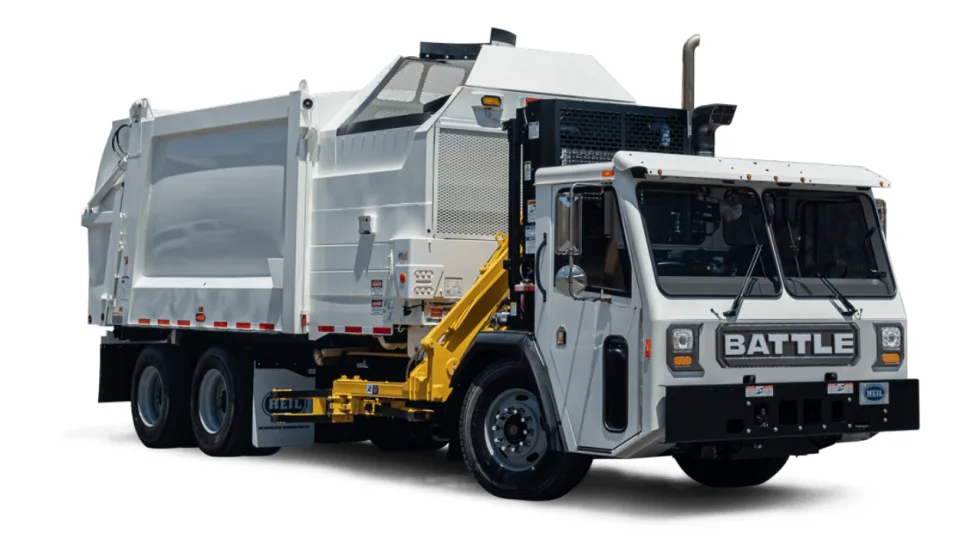
TCI Now Sells & Supports Battle Motors’ Vocational Trucks
Midwest truck dealer Truck Centers, Inc. (TCI) has expanded its transportation solutions with sales and service support for Battle Motors’ heavy-duty vocational trucks at locations in locations in Indiana, Illinois, and Missouri
Read More →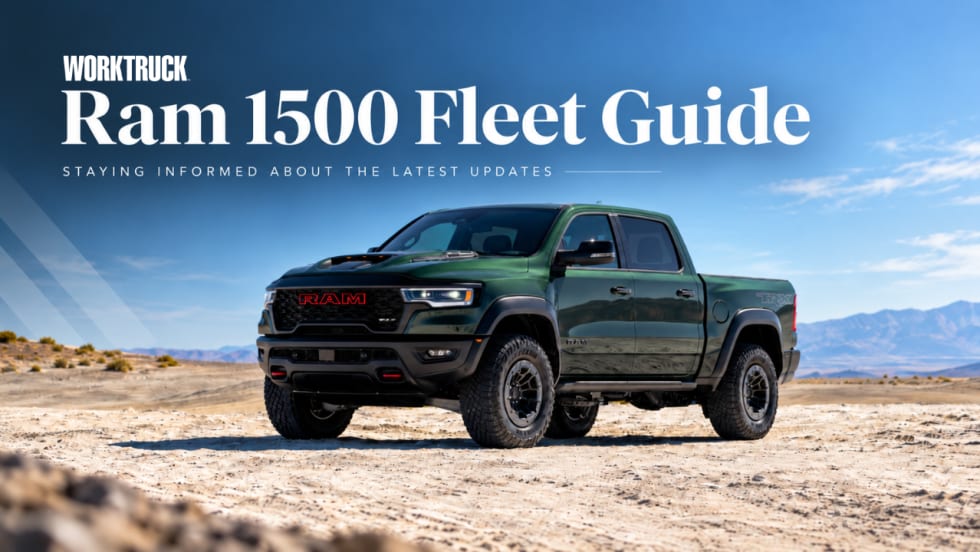
Ram 1500 Fleet Guide Specs, Capability and 2027 Model-Year Updates
Explore always up-to-date Ram 1500 fleet specs, engines, towing and payload capability, configurations, technology, pricing updates, and model-year changes.
Read More →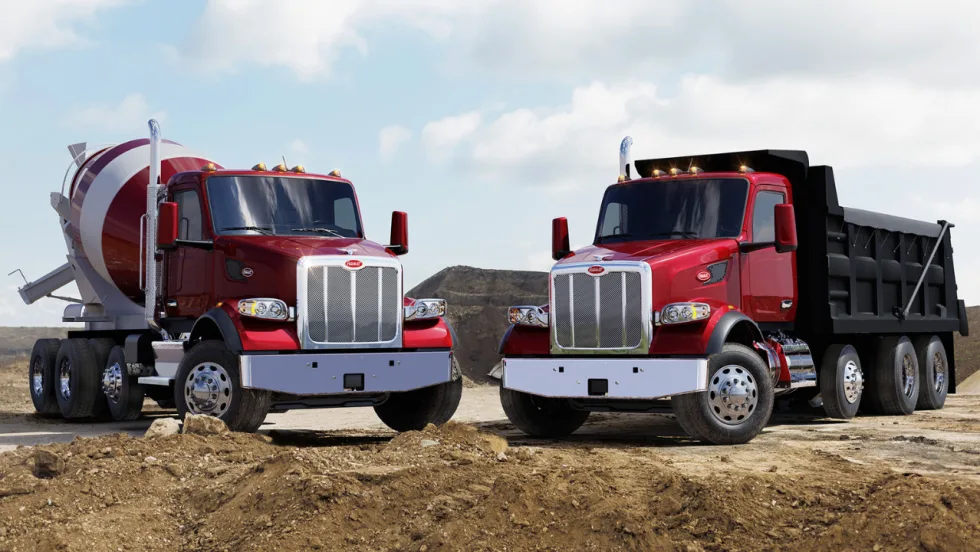
Peterbilt Trucks Equipped with Paccar TX-18 Pro Boost Efficiency for Maryland Fleet
Patuxent Companies is replacing aging trucks with the Peterbilt Model 567 and Model 589, specified with the Paccar TX-18 Pro 18-speed automated transmissions, and is reporting an 8% to 10% improvement in fuel economy.
Read More →
Stellar Expands into Fire Apparatus Market with Acquisition of Midwest Fire
Stellar Industries has acquired Midwest Fire, a custom fire apparatus manufacturer headquartered in Luverne, Minnesota, with nearly four decades of specialized apparatus experience.
Read More →