





Learn More: How Keith Walking Floors Are Made [Photo Gallery]
Building the Keith Walking Floor System
Watch the unloading system go from raw materials to a final innovative product
July 13, 2021

Welding of the units is done in-house.
Photo: Jason Blackman, Keith Manufacturing Co.
2 min to read

The process starts with seal extrusion.
Photo: Jason Blackman, Keith Manufacturing Co.
The Keith Walking Floor system is an unloading system. The hydraulically driven drive unit is installed in a trailer and attached to a series of floor slats that “walk” material out the rear of the trailer. Trailers unload horizontally without needing to raise the trailer and eliminating the need for a tipping platform.
Walking Floor systems unload nearly any bulk material, including waste, agricultural commodities, mulch, gravel, etc.
Since 1973, Keith Manufacturing Co. has produced the Walking Floor brand of moving floor unloading systems at its location in Madras, Ore. Systems are used in a wide variety of industries throughout the world to handle bulk materials. Keith Manufacturing Co. encompasses five international locations and has a global network of trailer manufacturers and dealers to service its customers.
Vertical integration allows the company to maintain superior quality control measures and enables the company to manufacture a diverse product line. At the company’s Madras facility, employees design, machine, fabricate and assemble nearly 100% of the components used in Keith Walking Floor systems.
How the Walking Floor unloader is made is fascinating and provides insight into the quality and workmanship that goes into this system. Work Truck toured their facility to share just how these unique products are made.
Step 1: Seal Extrusion
The company has its own plastics department that features both extrusion and injection molding equipment to manufacturer both the seal between the system’s floor slats and the plastic bearings the floor slats glide over.
Step 2: Flooring Department
Extruded aluminum floor slats come in a variety of profiles, depending on the type of material the customer is unloading.
Step 3: Machining
The machining facility at Keith creates the hydraulic valve bodies that control the Walking Floor system.
Step 4: Switching Valve Body
Following machine production, each valve is assembled with hydraulic seals and fittings before being installed into the drive unit.
Step 5: Cross Drive Welding
The structural strength of the drive unit is important for unloading up to 50 tons of material in a trailer.
Step 6: Hydraulic Testing
Each drive and specific hydraulic components are assembled and tested prior to shipping.
Step 7: Finished Drives
Drive units and floor slats are shipped from Madras to locations around the world for installation into trailers.

Final, completed drives wait for shipment.
Photo: Jason Blackman, Keith Manufacturing Co.
Step 8: Floor Slats & Trailer Unloading
The finished product installed in a trailer.
Subscribe to Our Newsletter
More Upfitting

Spec It or Retrofit It: Planning Truck-Side Signage Before the Body Is Built
Whether you're ordering new refuse trucks or adding signage to an existing fleet, here's what to know about frame placement, mounting, installation, and maintenance.
Read More →
20-Point Checklist: Spec’ing Flatbed Trucks
While flatbeds may seem basic, there are several options to consider that impact cost, payload capacity, fuel economy, and crew productivity. Here are 20 points to consider.
Read More →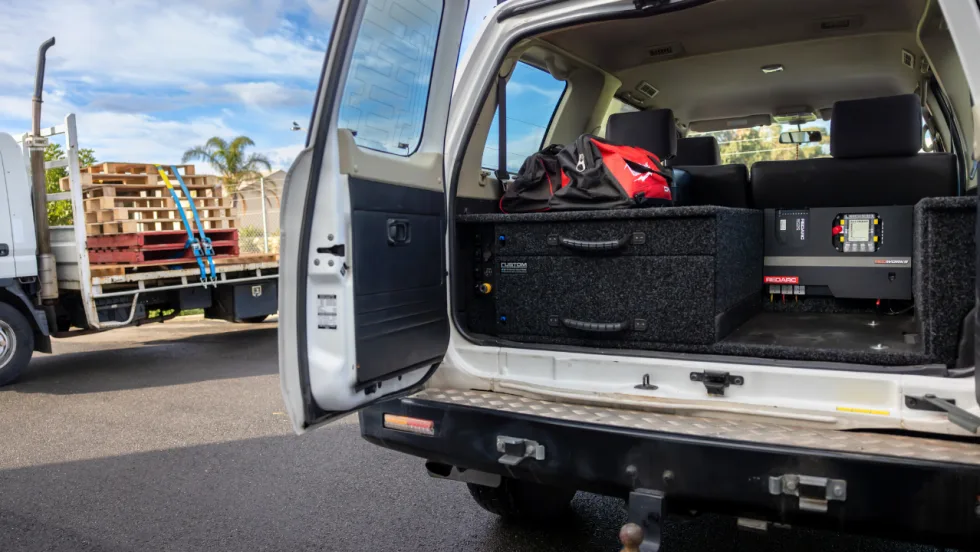
REDARC Launches REDWorks Power Panels to Simplify Mobile Power
REDARC pre-wired systems simplify parts selection and installation for onboard vehicle power. REDWorks Power Panels recharge auxiliary batteries from the vehicle and solar power, keeping mobile equipment and everyday comforts powered while driving, working, or away from an outlet.
Read More →


Vote for the 2027 Upfit Package of the Year
Which upfits are built for the way your crews work? Meet the 2027 nominees across four categories and help choose this year’s winners.
Read More →
DECKED Expands Signature Drawer System to Most Popular SUVs
DECKED's signature Drawer System, a fixture in truck beds since 2014, now fits a full lineup of SUVs, including the Jeep Wrangler, Toyota 4Runner, Ford Bronco, Toyota Land Cruiser, and more.
Read More →
Acela Adds Ford and Ram Platforms With DuraLink Suspension
Acela adds Class 3-5 Ford and Ram chassis with DuraLink suspension, giving upfitters new options for demanding on- and off-road fleet applications.
Read More →
Re-rating Gross Vehicle Weight Ratings (GVWR): Why and How it's Done
Sometimes, it is not in a fleet’s best interests to have a vehicle at a given GVWR. Changing the GVWR to a special value can be done, but the process is complicated.
Read More →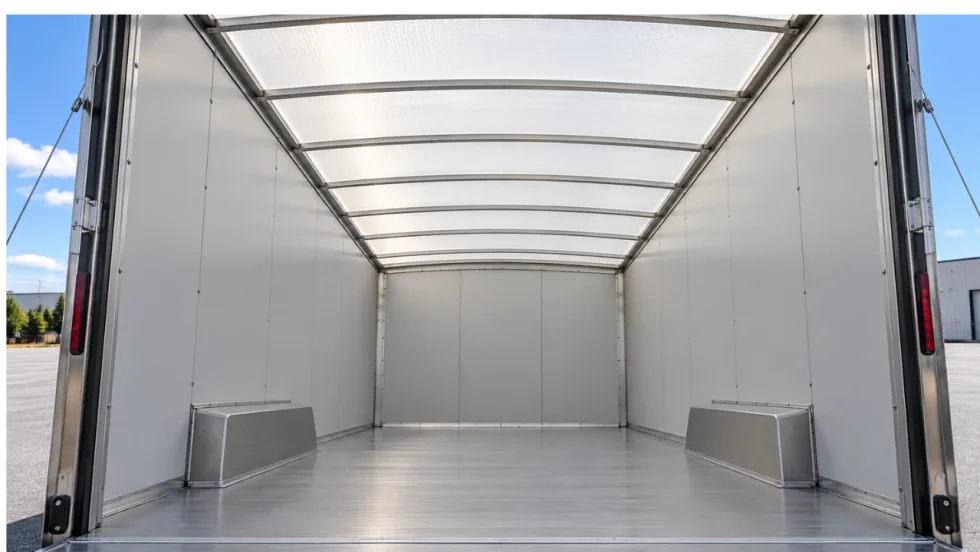
Tekmodo Introduces CargoBright Brand of Translucent Roofs
CargoBright is designed to diffuse daylight across the cargo area while performing as a working vehicle roof. Its reinforced composite construction is designed for impact, abrasion, moisture exposure, and UV exposure.
Read More →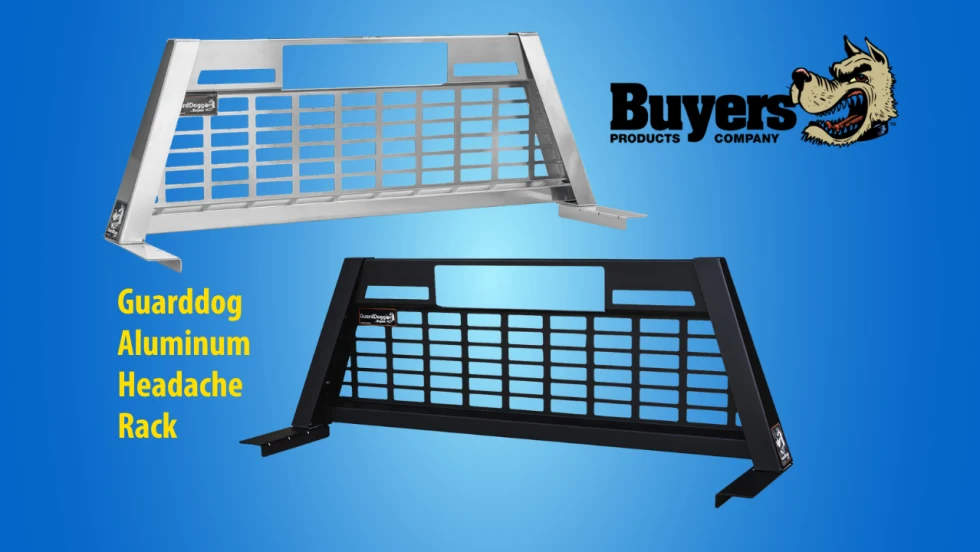
Buyers Products Expands Popular GuardDogg Headache Rack Line
Buyers Products’ aluminum GuardDogg headache rack is now available to contractors, construction crews, and utility fleets that want to reduce vehicle weight without sacrificing functionality.
Read More →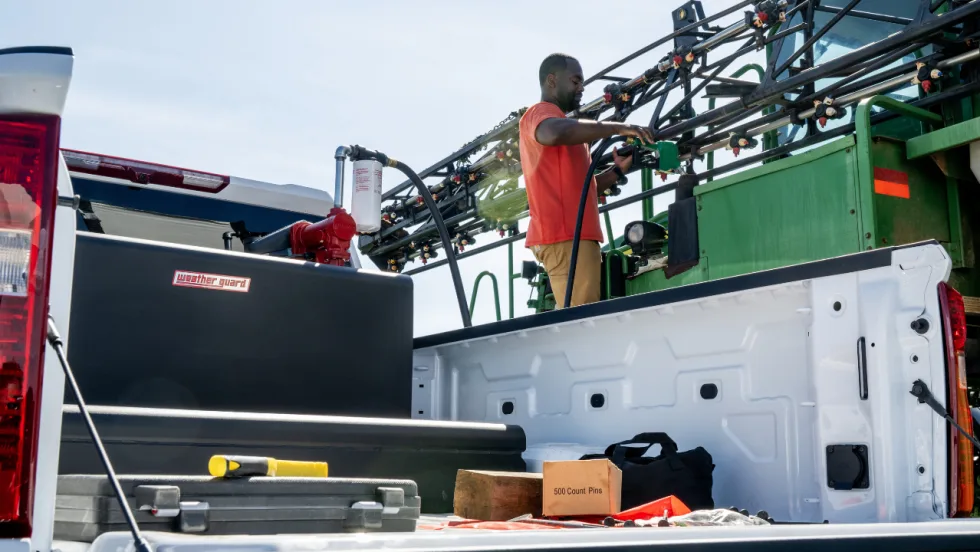
New Weather Guard Transfer Tank Engineered to Reduce Downtime and Improve Fleet Productivity
Weather Guard completely redesigned its line of transfer tanks to improve durability, simplify installation, and keep equipment running in demanding field conditions.
Read More →