





This article appeared in the 2022 Connected Fleet Guide, which offers resources to turn connected car data into actionable insights to foster safer and more efficient fleets.
Building a Connected Charging Ecosystem
With more and more fleets entering the EV space, a combination of charging services at work, at home, and at public stations will help accelerate the adoption of these zero-emission vehicles. Just make sure to connect it all.
December 14, 2022
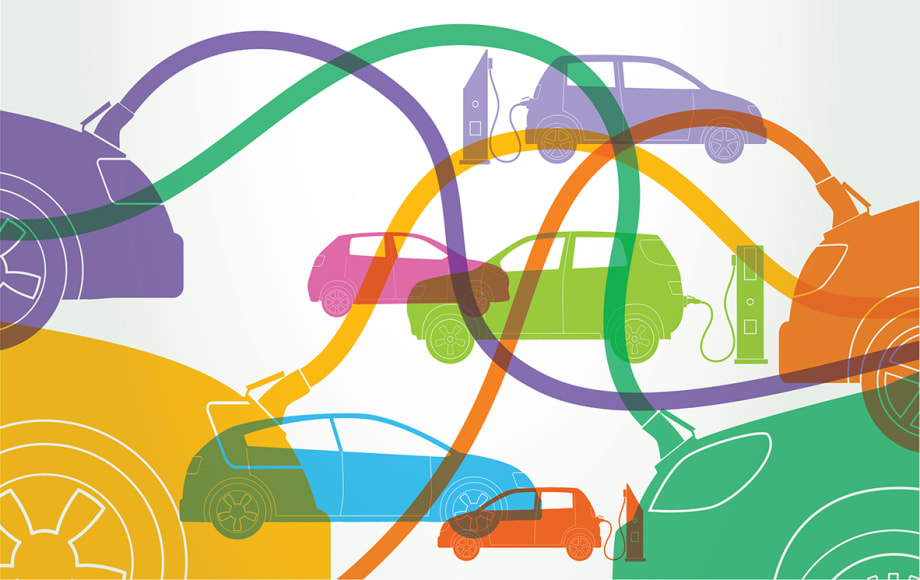
Look at telematics data, including fuel costs and driver proximity to routes, to determine if your fleet has a use case for installing at-home chargers for drivers.
Photo: Getty Images/smartboy10
5 min to read
The future is finally now — OEMs, solution providers, and fleets have intersected to create a perfect storm for the adoption of zero-emission, battery-electric vehicles. With more and more electric vehicles (EVs) now available and soon to hit the market, companies have an increasing number of options to transform their fleets into an emission-free sustainable message for clients, customers, and their own employees.
Along with this wave of new EVs comes the need to research, strategize, and implement a charging infrastructure plan moving forward. This is far from an easy task, and onsite infrastructure planning includes site walks with any number of local agencies, applying for permits, and ensuring your setup is future-proofed for the possible purchase of more EVs.
This is when it is important to look at the big picture and decide how your team will be charging your fleet — onsite, at home, or with public charging sites along their routes.
Charging On-Site
Installing chargers at your place of business is not cheap, and it’s not something that can be hammered out in a couple of weeks. Fleets looking to take on this type of project must do their homework before making any concrete decisions. Ask yourself and your team:
How many chargers will we need?
Do we require level 1, level 2, or DC fast chargers?
When will we be charging our vehicles?
Do we need to upgrade the local grid to handle the increased usage?
Are there funding/grant programs available to cover some of the costs?
Do we need a partner to assist us?
How do we maintain the chargers once they are installed?
This list is just the start — every fleet will have their own customized questions for themselves, their solution providers, and any partners assisting in the project. Luckily, there are a number of options out there that can help — with several OEMs and electric vehicle supply equipment (EVSE) providers offering concierge-type services to ease the pains of installing chargers.
Ford Pro recently launched its Ford Pro Charging solution for commercial electric vehicle charging. Starting the journey together, Ford offers its fleet customers help in identifying available incentives, consulting on the design and construction of optimal charging sites, and even working with local utilities on energy and infrastructure needs.
GM Fleet has partnered with EV charging providers such as EVgo, eTransEnergy, Schneider Electric, Qmerit, and In-Charge Energy to give fleets access to onsite infrastructure planning and implementation, charger data management, at-home solutions, and access to chargers all around the country. Add to this the BrightDrop battery-electric delivery van, and the OEM is covering numerous bases with its current and upcoming EV strategy.
Charging At Home
While onsite charging might be the right avenue for some fleets, other might benefit from setting up home chargers for their drivers. Very few, if any, fleets are going to make a 100% immediate transition to EVs. They must take the time to decide which drivers and routes would offer the highest ROI during the initial move to EVs. Using route telematics data, fuel costs, and driver proximity to routes, fleet managers can decide on the best use cases for at-home charging.
The cost is obviously much lower than installing onsite charging, and drivers can save the company money by charging at night, when utility rates are much lower. Many OEMs offer at-home charging solutions for consumer customers that can be translated to the fleet industry, offering assistance during installation, and sometimes even sharing or covering the cost of the installation of the chargers.
Charging on the Go
According to the U.S. Department of Energy’s Alternative Fueling Station Locator, there are currently more than 120,000 public EV chargers located around the country. And with the recent passage of the Infrastructure Investment and Jobs Act, more federal money is coming down the pipeline to increase the number of available chargers.
Using public chargers is most often more expensive than home or depot charging, but the continuing buildout of public infrastructure is giving fleets the confidence to purchase EVs and know their drivers won’t get stranded.
Again, it matters on the location of your business, your drivers, and their routes, but public charging can make the transition to EVs more viable for some fleets.
Charging-as-a-Service
While the name might be new to some, the concept is not. Charging-as-a-Service, or CaaS, takes a lot of the burden of infrastructure development off the shoulders of fleets. These solution providers can more quickly plan, set up, install, and manage a charger system for fleets, all the while requiring no upfront investments. These companies own all the equipment and only require fleets to pay a subscription fee for the charging services, like a monthly internet or cellphone bill.
These setups include the chargers and their ongoing maintenance and could include onsite solar panels and battery storage to supplement the power taken from the grid. The addition of battery storage can lower the costs of charging, as the system recharges itself at night during off-peak utility pricing hours and can be used to charge vehicles during daytime peak hours. This can save the fleet considerable money throughout the year.
The CaaS model has become more and more popular, with several companies entering the fray — Alphastruxure, Zeem Solutions, ChargePoint, and EV Connect to name a few. These providers could help more and more fleets make the switch to zero-emission vehicles, speeding up a national movement towards EVs.
There is no one solution to EV charging, as every fleet has its own requirements and intricacies. But it takes time, research, and sometimes the right partner to make the best decision moving forward and into the future.
Connecting & Integrating EV Data
After understanding how and where you’ll be charging, you’ll need to pull data from disparate hubs and interpret that data to drive efficiencies. Yet there isn’t one set way to access and analyze all this data, as it comes from many sources: aftermarket-installed telematics, new data services platforms, fleet card providers, EV charging network provider apps, and automakers’ EV management systems. Each of these systems takes on specific roles in the EV ecosphere, and many provide multiple solutions, but none do them all.
Integrating this data won’t be easy, but the good news is that there is an industry coalescing around holistic solutions to get you on the right path. Those stakeholders include CaaS providers, fleet management companies, telematics providers, utilities, third-party consultancies, and the manufacturers themselves. For a fee, they’ll manage a lot of the hard stuff for you.
Originally posted on Automotive Fleet
Subscribe to Our Newsletter
More Green Fleet

Fleet Forward Conference Introduces One-Day Passes for 2026
New one-day registration gives fleet professionals the flexibility to attend Tuesday, Wednesday, or Thursday, with passes available for $199 through Sept. 18.
Read More →
CALSTART Rebrands as Catalyst Mobility, Will Combine with Forth in 2027
CALSTART has rebranded as Catalyst Mobility and will combine with Forth at the start of 2027. The new organization said it is poised to become one of the world's largest, strongest, and most impactful clean transportation nonprofits.
Read More →
Electric Truck and Charging Programs to Boost Sustainability at NY & NJ Ports
Together, the Port Authority of New York and New Jersey and CALSTART will electrify drayage and terminal operations serving the East Coast’s busiest container port. A pair of incentive programs totaling $45 million has launched to accelerate adoption of zero-emission drayage trucks and terminal tractors.
Read More →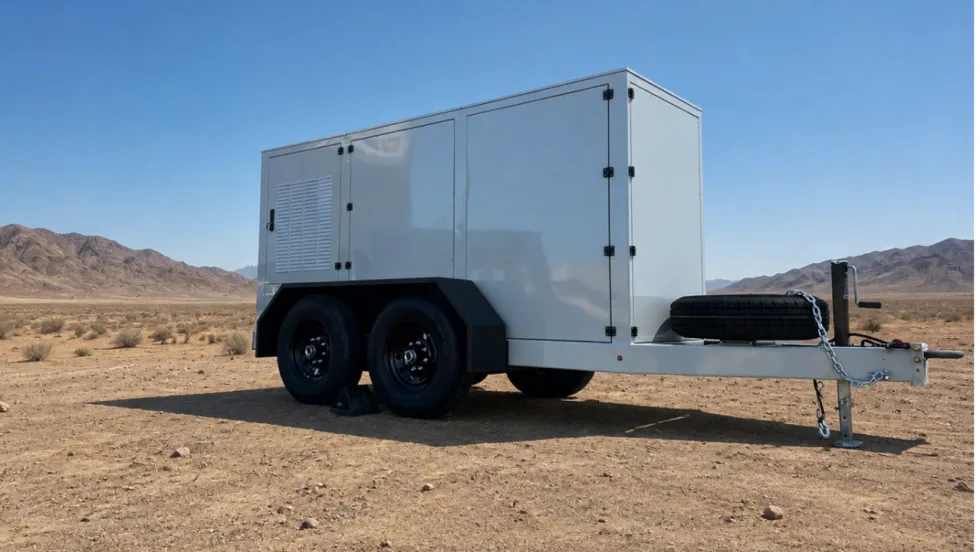
Xos Hub Surpasses One Gigawatt-Hour of Energy Delivered in the Field
A single Xos Hub has surpassed one gigawatt-hour of energy across more than 33,600 charging sessions in the field, demonstrating performance that supports Xos' expansion across new products and markets.
Read More →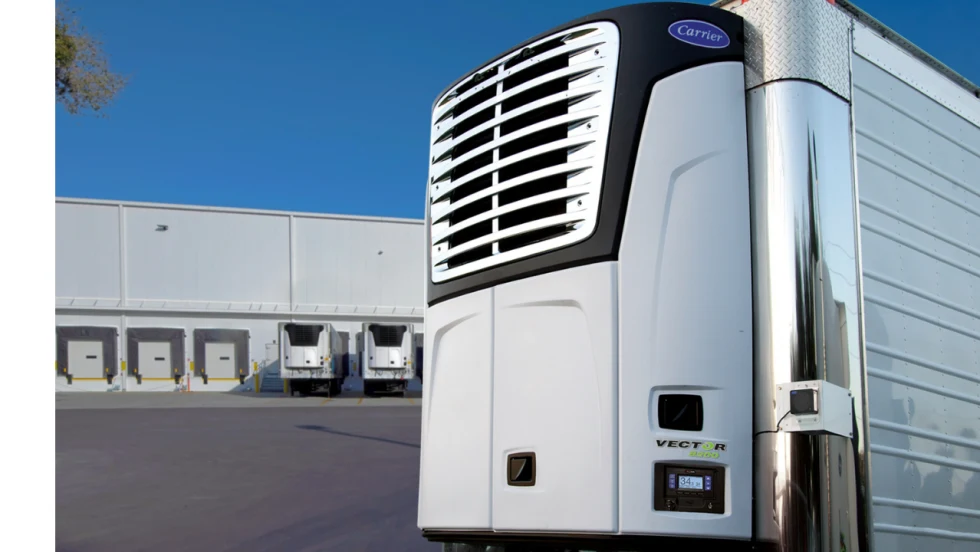
Carrier Transicold Launches All-Electric Vector 8200 TRU for Diesel-Free On-Site Cold Storage
Carrier Transicold’s first engineless multi-temperature TRU helps fresh- and frozen-food fleets add supplemental cold storage capacity during seasonal peaks.
Read More →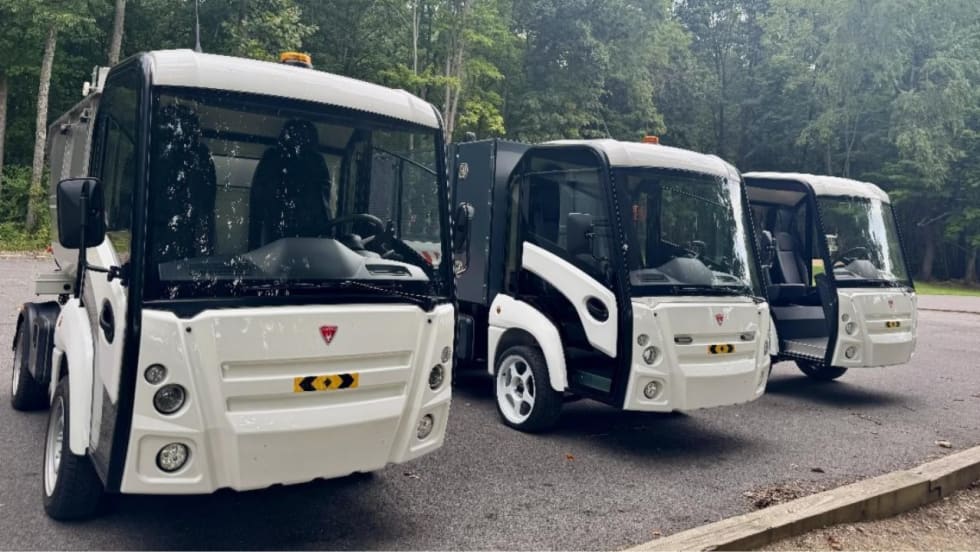
Narro Trucks Introduces Electric Utility Vehicle
Narro Trucks officially launched its operations on Aug. 20 and hosted a ride and drive to showcase its electric truck, which will be produced in Virginia.
Read More →
Samsung SDI Takes Full Control of GM Battery JV as Indiana Plant Pivots to Energy Storage
Samsung SDI is taking full control of its Indiana battery plant with GM, marking a major shift from the EV-focused joint venture Charged Fleet first covered in 2023.
Read More →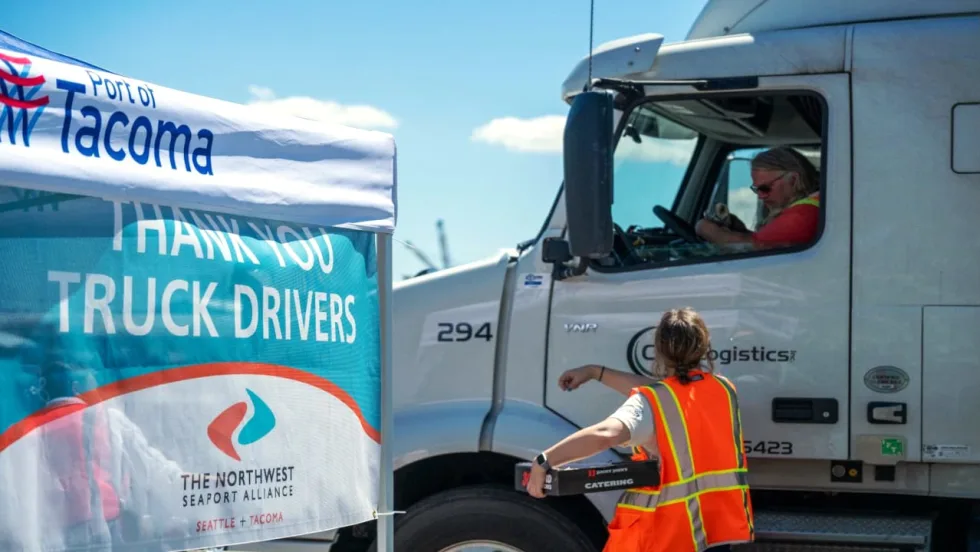
NWSA Taps CALSTART to Administer Zero-Emission Drayage Assistance Program
CALSTART will provide free technical assistance services to drayage fleets serving the Ports of Seattle and Tacoma and looking to transition to cleaner technologies and help decarbonize freight hubs.
Read More →
EV Fleet Reality Check: What Operators Wish They Knew Before Electrifying Their Work Vans
Electric work truck upfits bring new compatibility questions. Learn how parts availability, OEM guidance, power demands, and route planning can affect fleet performance.
Read More →
Peterbilt Expands Sourcewell Partnership with Electric Vehicle Lineup
Peterbilt Motors Company’s cooperative purchasing agreement with Sourcewell and its Canadian partner, Canoe Procurement Group, now includes including Peterbilt's battery-electric vehicle lineup.
Read More →