




Fleet Tips: 10 Overlooked Upfit Details Fleet Managers Can’t Afford to Miss
Build it Right the First Time: A Fleet Pro’s Candid Take on Smarter Truck Upfitting
Fleet upfitting mistakes can cost more than you think. Learn how smarter specs, pilot builds, and better design improve safety, efficiency, and ROI.
by Alexa Rubin, Mike Albert Fleet Solutions
April 7, 2026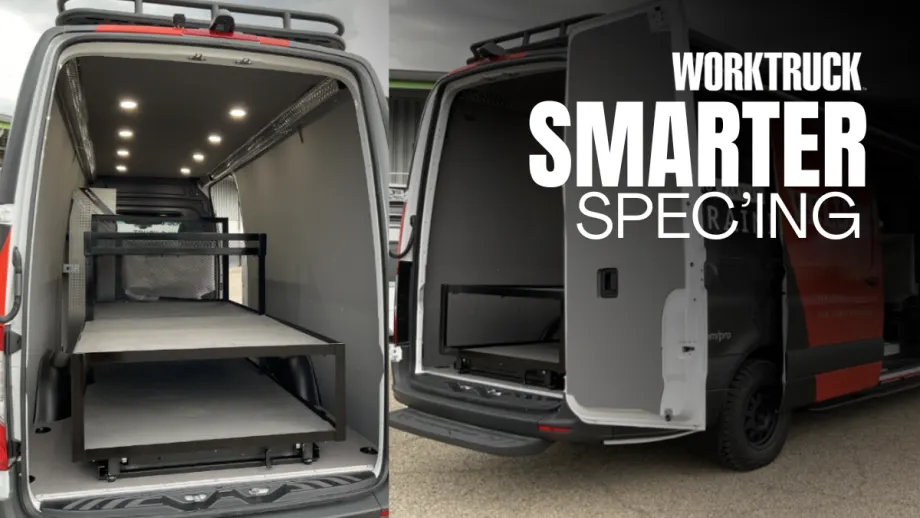
A well-designed upfit should make the job easier, not create new problems. This van setup shows what happens when fleets start with the work the vehicle needs to do and spec backward from there.
Credit: Mike Albert Fleet Solutions | Work Truck
6 min to read
Let me ask you something: When was the last time you opened the back doors of one of your service vehicles and felt genuinely proud of what you saw? If, instead, you're seeing chemicals spilling across the floor, tools rattling around loose, or a sprayer rig that could never be fully loaded because the van was already overweight, well, you're not alone.
That scenario isn't hypothetical. My upfit design team and I have lived it during ride-alongs, and I can tell you it's fixable. But only if we stop treating the upfit decision as a line item to minimize and start treating it as a strategic investment.
At my company, we occupy a unique seat at the upfitting table. That's because we're a full-service fleet management company with commercial upfit capabilities. This means we hear every side of the story: the budget pressure from the CFO, the lead-time frustration from the ops team, and the real-world complaints from the driver who has to live in that truck every single day. Here's what that perspective has taught me.
Cheap Now, Expensive Later
The most common mistake I see? Fleets are trying to fit ten pounds of needs into a five-pound budget. In practice, that might look like a pest control company specing a van they'll never be able to load fully because the weight rating won't allow it: no shelving, no tank securement, no floor liner. A van where you open the back doors and immediately shake your head in disgust.
The fix, in that case, wasn't just "spend more." It was smarter segmentation. My team worked backward from the actual job requirements: 80% of their routes needed a lean, cost-effective build. Only 20% required a larger, more capable vehicle. By splitting the fleet into two purpose-built configurations, we kept costs reasonable while ensuring every vehicle was genuinely functional for its work. That's total-cost-of-ownership thinking, and it's very different from sticker-price thinking.
Lead Time Is Not a Suggestion
If there's one word that makes upfit professionals everywhere cringe, it's this: changes. Midstream spec changes are the single biggest driver of blown lead times in this business. I understand why they happen. Your team tests an idea on paper; something shifts in the field, and voilà, you need a different configuration. But there is simply no way to change a spec without extending the timeline: period, full stop.
The antidote is the pilot build. Before you commit to a budget for 20, 30, or 40 vehicles, build one. Put it in the field. Get feedback from the tech, the manager, and the maintenance person. Road-test it against the actual job. The time you spend on a pilot build is a fraction of the time (and money!) you'll spend correcting a fleet-wide mistake.
Delays carry their own hidden costs, too. A truck that isn't on the road isn't generating revenue. And the new hire who doesn't have a vehicle yet? They're sitting in the office, burning through HR training videos. You've got maybe two days of useful content there. Meanwhile, your customers are waiting, and that affects your reputation in ways that are genuinely hard to recover from.
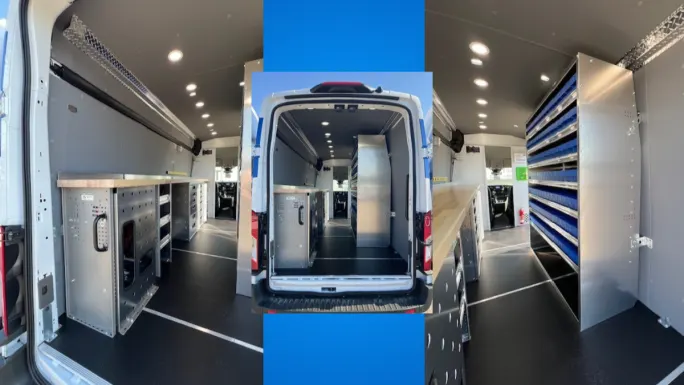
Smarter spec’ing starts before the full order goes in. Pilot builds like this give fleets a chance to test layout, storage, and ergonomics in the field before one wrong decision gets multiplied across the entire fleet.
Credit: Mike Albert Fleet Solutions
The Pickup vs. Van Debate Isn't Over: It's Evolving
For years, the compact van was the go-to for service fleets. It made sense: organized storage, easy to drive, right-sized for most jobs. Then the compact van market dried up. A full-size van is expensive to buy, expensive to fuel, and a nightmare to park in a residential neighborhood. So, where did that leave fleets?
It left them with pickup trucks and forced the industry to innovate. Companies like DECKED developed drawer systems and sliding cargo trays that transform a pickup bed into a fully organized, ergonomic work platform. Tools stored in the power zone — between the hips and shoulders — mean no more reaching over the bedrail or digging around in a pile of loose equipment.
DECKED's systems, for example, maintain the truck's full payload capacity while adding full-bed-length drawers that are weatherproof, lockable, and purpose-built for the field. Paired with a quality truck cap, a pickup can now legitimately replicate much of what a compact van used to offer and, in some ways, surpass it.
Here's the thing about necessity-driven innovation: it tends to stick. Even with compact vans returning to the market, I'm not convinced fleets will snap back. Pickup trucks have become more rugged, more functional, and more versatile. The gap created an ecosystem of solutions, and that ecosystem isn't going anywhere.
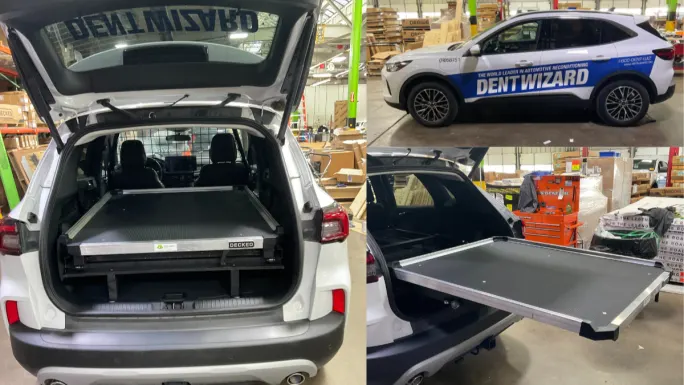
Not every job calls for a full-size van. As fleet needs shift, purpose-built storage systems are helping pickups and SUVs handle specialized work without sacrificing organization, access, or day-to-day usability.
Credit: Mike Albert Fleet Solutions
Ergonomics Isn't a Perk (It's a Retention Strategy)
Not everyone on your crew is built like a marathoner. When every tool requires climbing into the back of a truck or reaching over a high bedrail, you're quietly limiting who can do the job and for how long. Ergonomic upfitting widens your labor pool and keeps people healthy enough to stay. Field work is physically demanding; you don't want your best tech on medical leave every six months.
Listen carefully to driver feedback, too. There's a difference between venting and signaling. Employees will often have complaints; that's human nature. But as a fleet leader, your job is to distinguish the noise from the data. When exit interviews stop giving you useful answers, when maintenance costs quietly creep up, or when net promoter scores start dipping, well, those are your upfit package telling you something. Pay attention.
Start With the Answer and Work Backward
The best question I can ask a fleet manager isn't "What do you want in the truck?" ... It's, "What does this truck need to accomplish?"
An upfit built around the job (not around what's easiest to install) is the one that actually performs. When you start with the outcome and design toward it, the right solutions become obvious. You stop guessing and start building with purpose.
And one final note on details that get overlooked: your tires. Every time you add significant weight through an upfit (e.g., shelving, equipment, and tools), you need to talk with your maintenance team to confirm that your current tires are rated for the load. Cheap or factory-spec tires on an overloaded vehicle wear out fast and, in the worst case, fail dangerously.
Someone once told me you should never be cheap about the things that separate you from the ground: your shoes, your mattress, and your tires. In fleet, that last one is both a safety issue and a profitability one. It's worth taking seriously.
About the Author: Alexa Rubin is the Manager of Truck Upfits at Mike Albert Fleet Solutions, a Cincinnati-based fleet management and commercial upfit company serving businesses across the U.S. This article was authored and edited following Work Truck editorial standards and style. Opinions expressed may not reflect those of WT.
Subscribe to Our Newsletter
More Upfitting
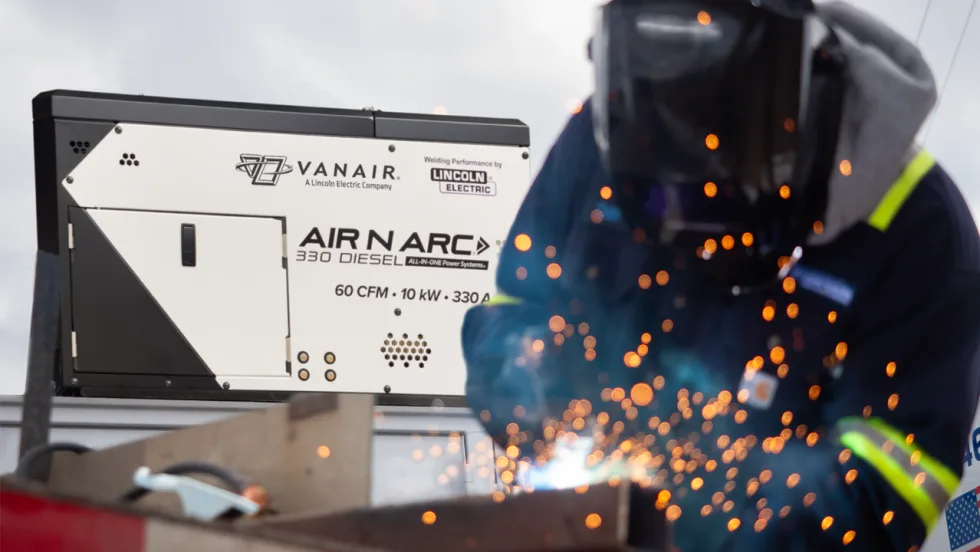
Multitasking: Vanair’s Air N Arc 330 Diesel 60 CFM All-In-One Power System
The Air N Arc 330 Diesel 60 CFM from Vanair consolidates a welder, generator, rotary screw air compressor, battery booster, battery charger, and EV charger into a single 750-pound enclosure driven by one 24.8-horsepower Kubota diesel engine.
Read More →
Buyers Products Awarded Sourcewell Cooperative Purchasing Contract for Snow & Ice Equipment
Buyers Products has been awarded a Sourcewell contract for a wide range of winter maintenance equipment and accessories, including snowplows, municipal plow systems, wing plows, spreaders, and more.
Read More →
Hilltip Introduces the SnowStriker SFT Flex Expandable Box Plow
Hilltip’s new SnowStriker SFT Flex expandable box plow features hydraulically extendable sections that allow operators to adapt the clearing width to changing conditions and applications on the go.
Read More →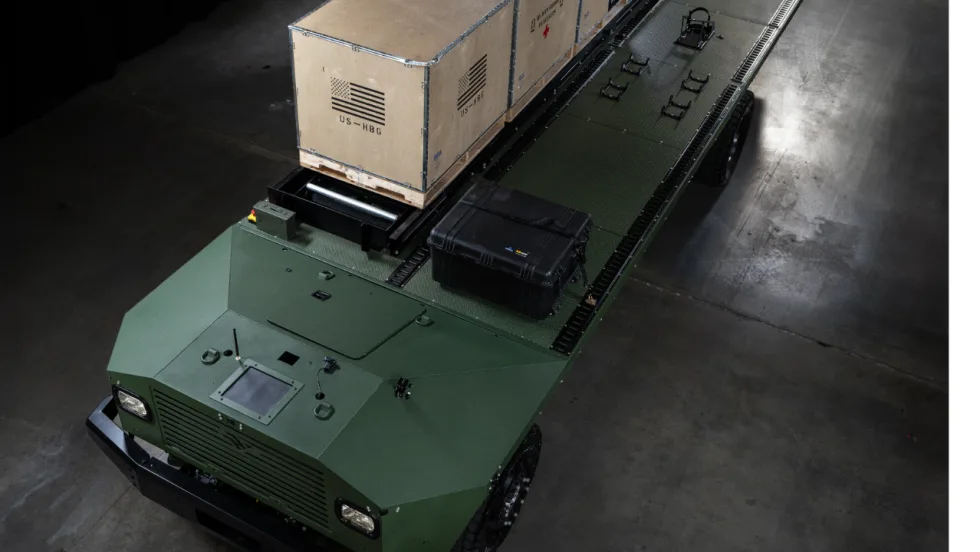
Harbinger Part of Effort to Deliver Autonomous Logistics Capabilities for U.S. Army
American Rheinmetall received an 18-month U.S. Army contract to deliver autonomous, hybrid-powered uncrewed ground vehicles. Harbinger is providing the truck platform for those vehicles.
Read More →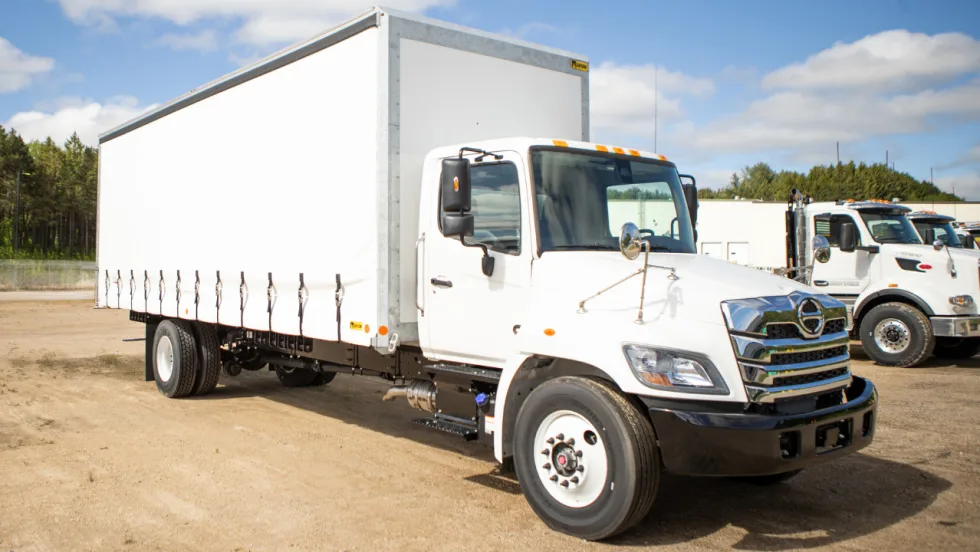
Thinking Outside of the Box: Choosing the Right Truck Body for Your Fleet
Choosing the right truck body can have a major impact on loading efficiency, cargo protection, downtime, and long-term operating costs. Here’s how dry vans, platforms, and curtainsiders compare, plus what fleets should consider before spec’ing their next truck.
Read More →
Fourth Annual Upfit Package of the Year Awards Open for 2027 Entries: One Month Left!
Think your upfit deserves industry recognition? Enter the 2027 Work Truck Upfit Package of the Year Awards before the Sept. 30 deadline. There is less than a month left to get your submissions in!
Read More →
Reading Truck Equipment & Masterack Unite as One of North America's Largest Commercial Vehicle Upfit Networks
Reading Truck Equipment and Masterack have integrated operations to create one of North America's largest and most comprehensive commercial vehicle upfit organizations.
Read More →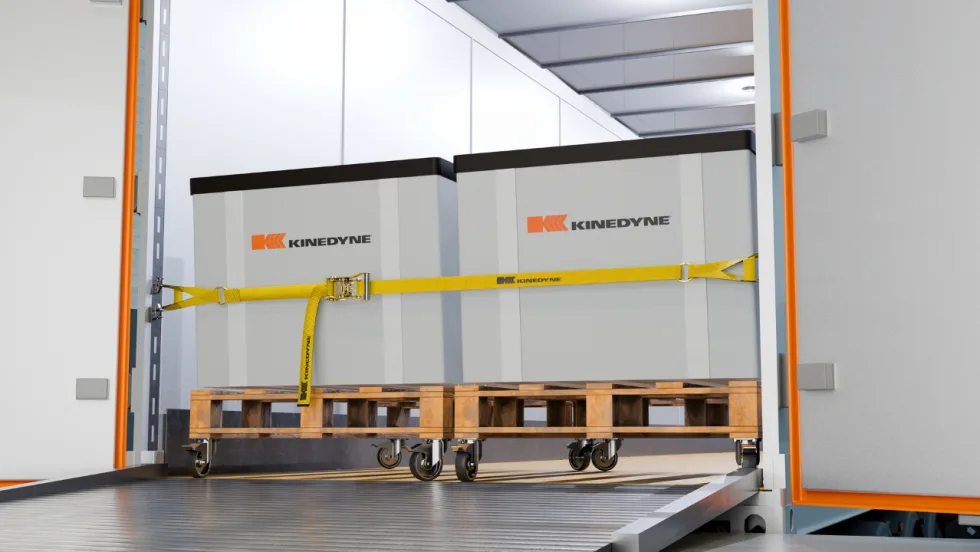
Kinedyne Launches Heavy Duty Logistic Shoring Strap
Kinedyne’s new Heavy Duty Logistic Shoring Strap features a patent-pending four-point design to deliver greater cargo stability, increased strength, and easier handling for rolling and shifting freight.
Read More →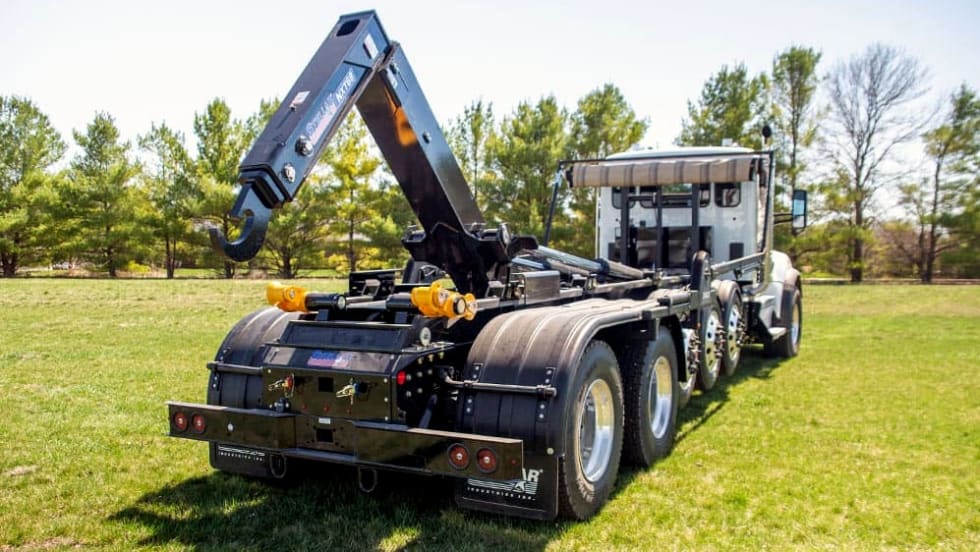
Hooklift Bumper Design from Stellar Showcases Strength & Versatility
Stellar Industries’ new bumper for the NZT Series Hooklifts come in two capacity options: the 20K, designed for Class 3 – 6 chassis with a 20,000-pound pull capacity, and the 90K, built for Class 7 and 8 chassis with a 90,000-pound pull capacity.
Read More →
Maxon Lift Awarded the Wabash Platinum Award for Supply Chain Performance
Maxon Lift, a liftgate manufacturer since 1957, received the Wabash Platinum Award for supply chain performance in 2025. Each year, Wabash presents awards to top suppliers for excellence in supply chain performance.
Read More →