




Aluminum vs. Steel: Choosing the Right Material for Your Fleet
A key part of a fleet's spec'ing process is determing the materials used for the bodies and cabs of the trucks.

Aluminum is pound for pound stronger than steel and can be reinforced with custom, heavy-duty extrusions that increase vehicle safety.
Photo: Marion Body Works
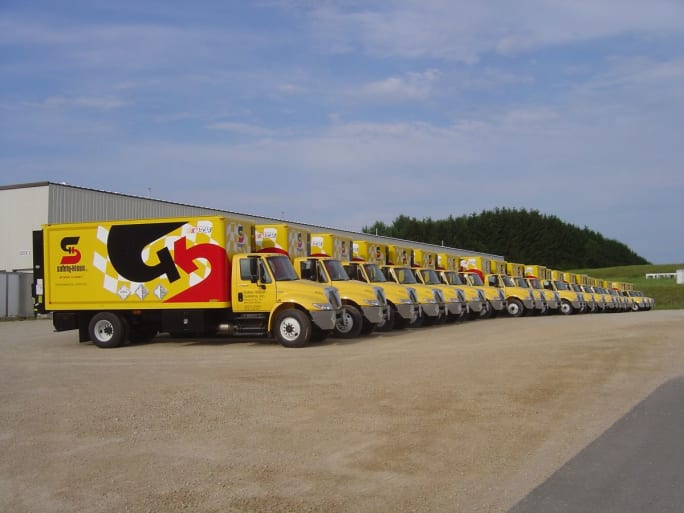
Utilizing aluminum cabs and bodies on trucks can increase the safety, dependability, and cost-effectiveness of a fleet.
Photo: Marion Body Works
With a strong economy comes a crucial opportunity for fleet managers: upgrading vehicles. A key consideration during this process is the materials being used for the bodies and cabs of those vehicles. In the work truck world, those materials primarily include aluminum and steel.
So, which is better for your trucks?
Weight Implications
The weight of a truck can greatly affect its overall performance. At 2.5 times the density of aluminum, steel is strong and durable, making it efficient at protecting the driver. However, its additional weight means less maneuverability.
Aluminum reduces the weight of the truck and lowers the vehicle’s center of gravity, leading to increased maneuverability and a tighter turning radius. Less weight also means superior acceleration and braking. This not only leads to a comfortable driving experience but also better fuel mileage, as the truck is getting up to speed and stopping faster.
A lighter truck allows for greater hauling capacity. Because work trucks must abide by weight restrictions, a heavier truck means lighter loads, less efficiency, and lost dollars.
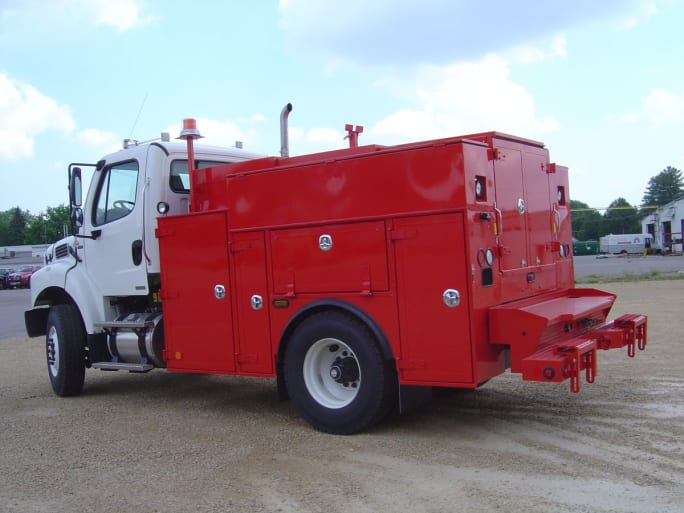
Durability is key when it comes to fleet vehicles. Aluminum’s rust resistance increases the longevity of a truck’s cab and body. This longevity reduces maintenance and replacement costs.
Photo: Marion Body Works
Cost Savings
In addition to better gas mileage and load capacity, aluminum saves on maintenance and replacement costs. Tires and weight springs worn down by heavy steel need to be replaced at a faster rate than those on aluminum vehicles. More weight means more pressure on a truck’s structure, requiring more money to fix it.
Rust damage is another major pain point for fleet managers’ wallets. Whether facing the salty spray of coastal cities or the slushy snow of the Midwest, steel will succumb to these conditions faster than aluminum. Aluminum’s rust resistance improves the durability of a truck’s body and cab so it remains in a fleet longer, reducing the frequency of new truck purchases.
Safety Considerations
With its low center of gravity and better maneuverability, an aluminum truck makes for a safe driving experience for its operator. The ability to brake faster protects operators from accidents that could have been unavoidable in a heavier truck.
Despite these safety benefits, some may question the structural integrity of an aluminum truck. After all, isn’t steel the stronger, better choice when it comes to safety? While steel’s strength can’t be denied, aluminum is actually stronger pound-for-pound.
Additionally, aluminum offers manufacturers the ability to strengthen certain critical points on a truck’s cab through extrusion, which is not possible with steel. Connection points on a truck’s roof, doors, curves, and corners are reinforced with custom, heavy-duty extrusions that are designed to fit together seamlessly and improve the structural integrity of the cab. When combined with a better driving experience and a resistance to deterioration, an aluminum truck will perform well for its fleet.
Decision Time
It’s time to choose. Aluminum or steel?
The decision to use one material over the other for your fleet vehicles is ultimately dependent on your individual preferences and needs. However, aluminum is a viable option when it comes to fleet safety, dependability, and cost-effectiveness, making it an ideal metal for work trucks.
Assess your fleet, talk through the differences between these materials with your manufacturer, and get feedback from other fleet managers. You’ll have everything you need to make the choice that’s right for you.
About the Author: Cal Kanowitz is the marketing and dealer development manager at Marion Body Works.
More Upfitting
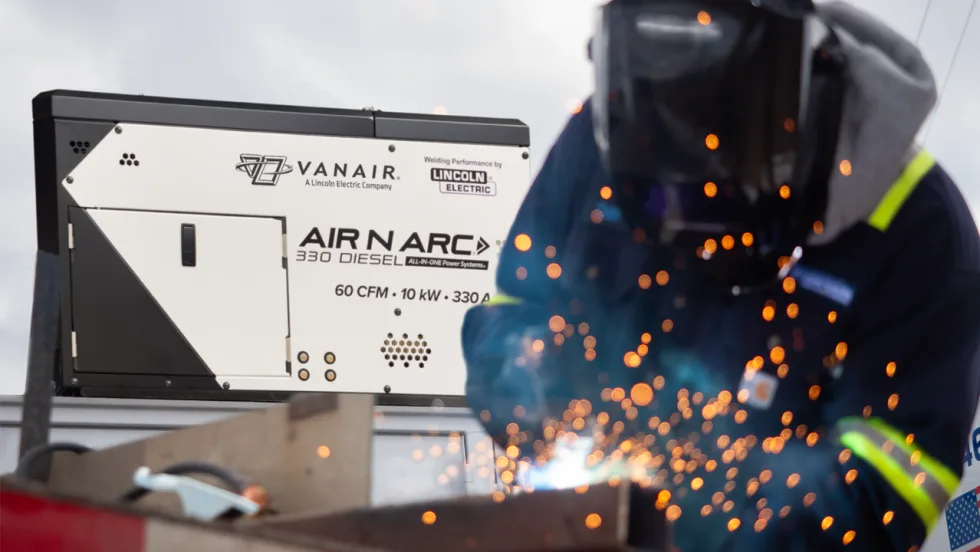
Multitasking: Vanair’s Air N Arc 330 Diesel 60 CFM All-In-One Power System
The Air N Arc 330 Diesel 60 CFM from Vanair consolidates a welder, generator, rotary screw air compressor, battery booster, battery charger, and EV charger into a single 750-pound enclosure driven by one 24.8-horsepower Kubota diesel engine.
Read More →
Buyers Products Awarded Sourcewell Cooperative Purchasing Contract for Snow & Ice Equipment
Buyers Products has been awarded a Sourcewell contract for a wide range of winter maintenance equipment and accessories, including snowplows, municipal plow systems, wing plows, spreaders, and more.
Read More →
Hilltip Introduces the SnowStriker SFT Flex Expandable Box Plow
Hilltip’s new SnowStriker SFT Flex expandable box plow features hydraulically extendable sections that allow operators to adapt the clearing width to changing conditions and applications on the go.
Read More →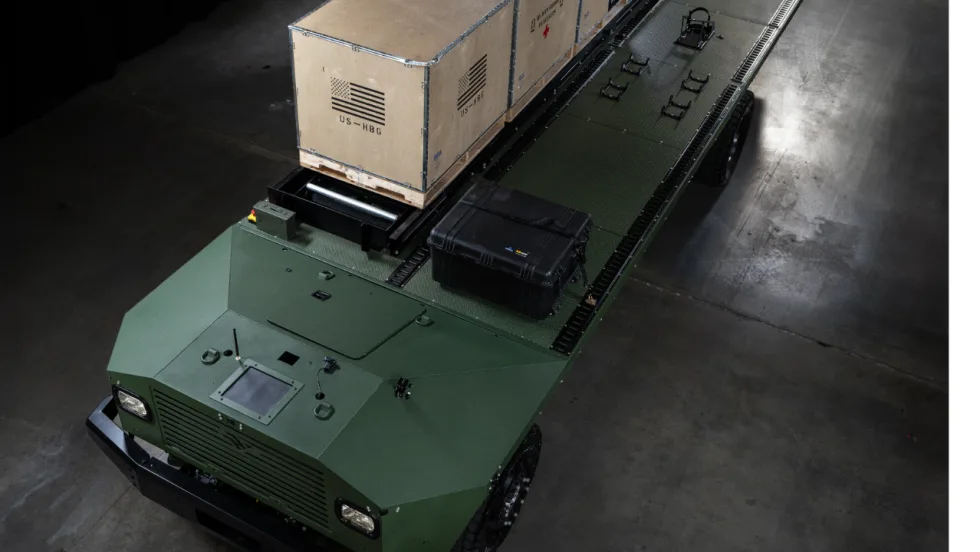
Harbinger Part of Effort to Deliver Autonomous Logistics Capabilities for U.S. Army
American Rheinmetall received an 18-month U.S. Army contract to deliver autonomous, hybrid-powered uncrewed ground vehicles. Harbinger is providing the truck platform for those vehicles.
Read More →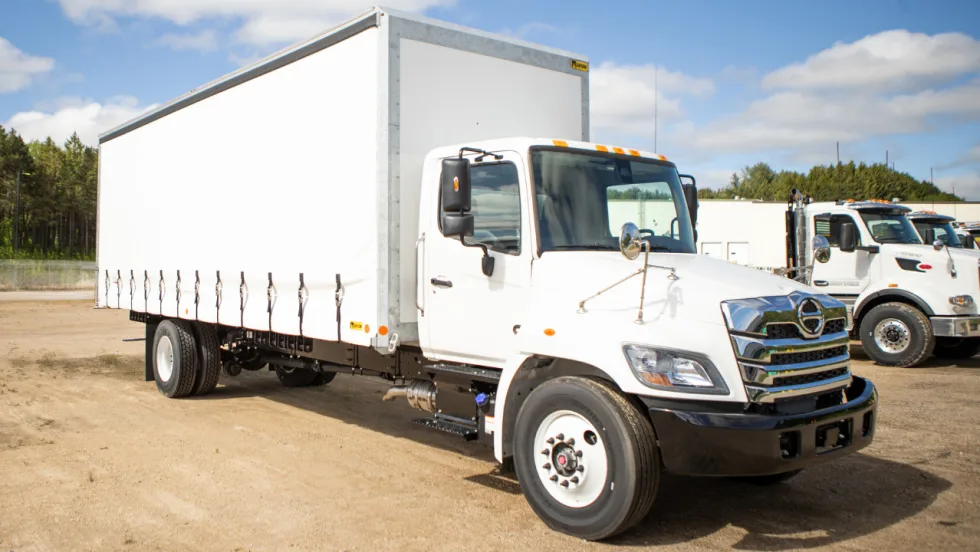
Thinking Outside of the Box: Choosing the Right Truck Body for Your Fleet
Choosing the right truck body can have a major impact on loading efficiency, cargo protection, downtime, and long-term operating costs. Here’s how dry vans, platforms, and curtainsiders compare, plus what fleets should consider before spec’ing their next truck.
Read More →
Fourth Annual Upfit Package of the Year Awards Open for 2027 Entries: One Month Left!
Think your upfit deserves industry recognition? Enter the 2027 Work Truck Upfit Package of the Year Awards before the Sept. 30 deadline. There is less than a month left to get your submissions in!
Read More →
Reading Truck Equipment & Masterack Unite as One of North America's Largest Commercial Vehicle Upfit Networks
Reading Truck Equipment and Masterack have integrated operations to create one of North America's largest and most comprehensive commercial vehicle upfit organizations.
Read More →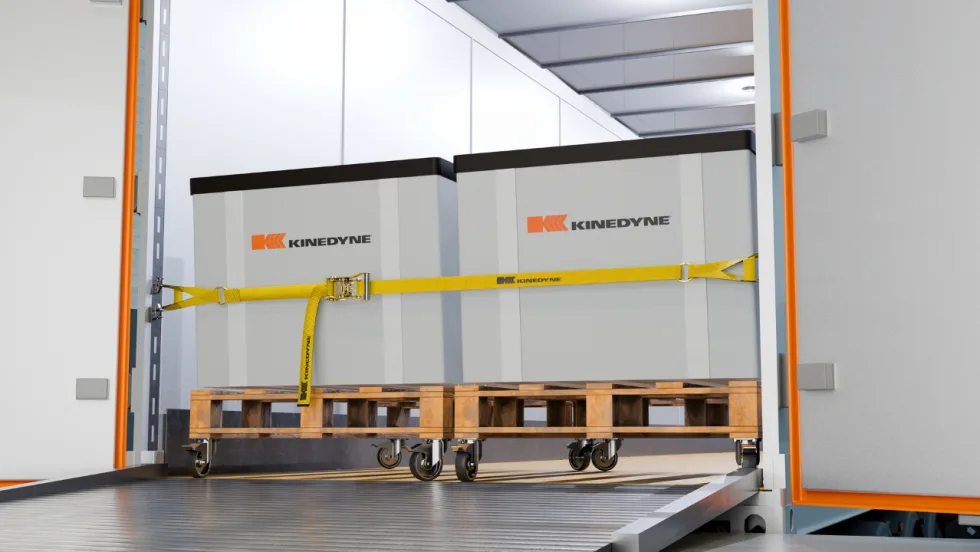
Kinedyne Launches Heavy Duty Logistic Shoring Strap
Kinedyne’s new Heavy Duty Logistic Shoring Strap features a patent-pending four-point design to deliver greater cargo stability, increased strength, and easier handling for rolling and shifting freight.
Read More →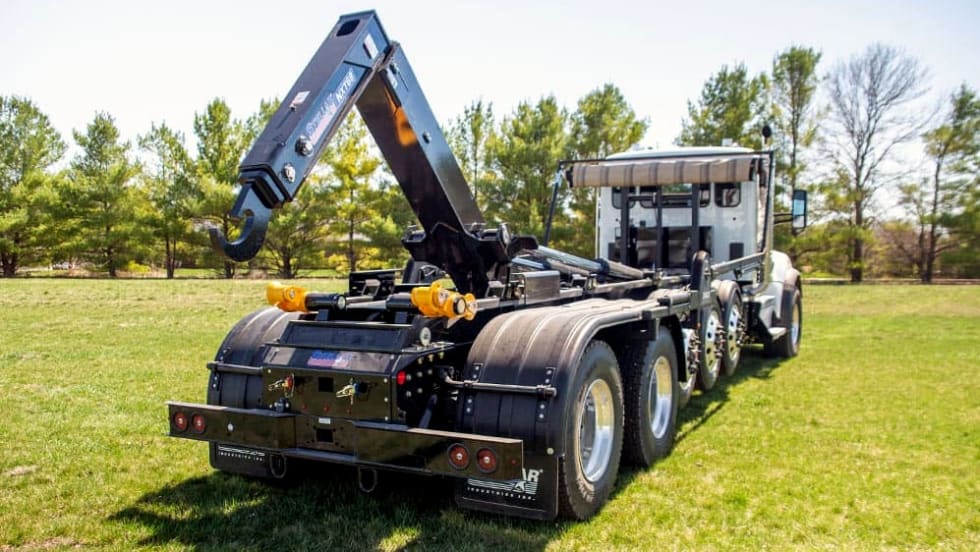
Hooklift Bumper Design from Stellar Showcases Strength & Versatility
Stellar Industries’ new bumper for the NZT Series Hooklifts come in two capacity options: the 20K, designed for Class 3 – 6 chassis with a 20,000-pound pull capacity, and the 90K, built for Class 7 and 8 chassis with a 90,000-pound pull capacity.
Read More →
Maxon Lift Awarded the Wabash Platinum Award for Supply Chain Performance
Maxon Lift, a liftgate manufacturer since 1957, received the Wabash Platinum Award for supply chain performance in 2025. Each year, Wabash presents awards to top suppliers for excellence in supply chain performance.
Read More →