




All You Need to Know About FA-4 Heavy-Duty Engine Oils
Take a closer look at the benefits of API FA-4 engine oils and bust some of the misconceptions.

The benefits surrounding the API FA-4 engine oils and their use in a mixed fleet may also be misunderstood, particularly for the workshop and how they will store, handle, and use two heavy-duty lubricants.
Photo: Petro-Canada Lubricants
API FA-4 heavy-duty engine oils were launched alongside API CK-4 lubricants in December 2016. Offering enhanced fuel economy through lower viscosities, API FA-4 oils have been designed for use in 2017 EPA compliant engines, operating in conjunction with optimized hardware technology to maximize the vehicle’s overall efficiency.
Here, we take a closer look at the benefits of API FA-4 engine oils and bust some of the misconceptions we’ve been hearing from our customers and other industry sources surrounding the low viscosity lubricant category.
A Focus on FA-4 Lubricants
API FA-4 engine oils are designed with a lower high-temperature high shear (HTHS) viscosity than their API CK-4 counterparts. This means that when at operating temperatures, these oils flow more quickly through the engine, providing vital lubrication to the internal hardware.
The ease of flow also reduces friction, fuel consumption, and lowers exhaust emissions to improve the overall efficiency of the vehicle. This is particularly important for the newer engines that API FA-4 oils are designed for as they run at higher temperatures, which can stress conventional lubricants and accelerate the oxidation and degradation of the oil.
Designed to deliver greater performance and efficiency for modern engines, API FA-4 lubricants can make a real difference to a fleet’s bottom line by improving the engine’s fuel efficiency. According to industry research, API FA-4 engine oils provide additional fuel savings over API CK-4 of the same grade - up to 1% when comparing an SAE XW-30 with 3.5cP HTHS to an XW-30 with 3.1cP HTHS.
Common FA-4 Misconceptions
The transition to API FA-4 engine oils has been expectedly slower than the adoption of CK-4 lubricants. API FA-4 engine oils are only compatible with some of the latest Original Equipment Manufacturers (OEMs) engine technologies, so their use is likely to continue to increase gradually over the coming years as newer vehicles enter the market.
For example, factory fill of API FA-4 lubricants in Class 8 Trucks is expected to increase again this year. This gradual transition has coincided with several misconceptions about the protection and benefits that the new oil category offers, as well as the practicalities of using API FA-4 lubricants.
One widespread myth or misconception is that low viscosity API FA-4 lubricants cannot possibly offer all-year-round protection like their predecessors. This is not the case. Due to their formulation and unique balance of additives, low viscosity API FA-4 engine oils can deliver superior protection for engine hardware, while also flowing more efficiently throughout the engine to offer improvements in fuel economy and enhanced performance in cold startup environments.
API FA-4 licensed products have to go through the same rigorous testing that API CK-4 products have to complete, so they must be designed to protect just as well as the CK-4 oils.
The benefits surrounding the API FA-4 engine oils and their use in a mixed fleet may also be misunderstood, particularly for the workshop and how they will store, handle, and use two heavy-duty lubricants.
By using a color-coded labeling system, the lubricants can be easily differentiated. This not only makes storage, handling, and use easier for technicians, but it also helps reduce the risk of incorrect lubricant use. Seeking expert lubricant support can assist with this process, with the experts sharing their advice to ensure the workshop runs as smoothly and efficiently as possible.
Another common misconception surrounding the use of API FA-4 oils in a mixed fleet is that there will be little benefit to its overall efficiency. It’s important to remember that only by using the API FA-4 engine oil will the engine operate at its optimum efficiency. With the potential for improving fuel efficiency by up to 1%, in an industry where fuel cost is one of the largest outlays for a business, this can make a real difference – even if only half of the fleet vehicles are using the API FA-4 lubricant.
API FA-4 lubricants maximize the efficiency and performance of modern engine technology while offering tangible operational cost savings for fleet managers. By integrating API FA-4 engine oils into your fleet’s compatible vehicle maintenance program, fleet managers can benefit from the oil’s superior protection and efficiency capabilities.
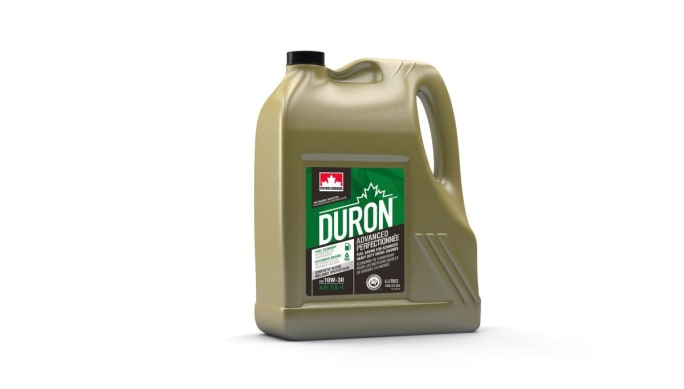
API FA-4 licensed products have to go through the same rigorous testing that API CK-4 products have to complete, so they must be designed to protect just as well as the CK-4 oils.
Photo: Petro-Canada Lubricants
About the Author: Darryl Purificati is the OEM technical liaison for Petro-Canada Lubricants.
More Maintenance
Les Schwab Expands Commercial Tire Footprint Into Arizona
Les Schwab Tires has expanded into Arizona with two commercial tire locations in Phoenix and Tucson, strengthening its fleet service footprint in the Southwest.
Read More →
Volvo Trucks’ 'Lock and Leave' Software Updates Go Live Across North America
Unattended over-the-air software updates are now available in Volvo trucks across the U.S. and Canada. The new capability lets trucks stay current with the latest software without interrupting operations or requiring a dealership visit.
Read More →
Why Technician Appreciation Can’t Be a Once-a-Year Thought
For fleets trying to keep skilled technicians, recognition cannot begin and end with Technician Appreciation Week. Learn what year-round appreciation really looks like and why the everyday technician experience matters just as much as pay when fleets are trying to keep good people.
Read More →
How Faster Driver Reporting Can Keep Small Truck Problems Small
When minor damage, warning lights, or equipment issues are reported late, small problems can quickly become bigger maintenance headaches. Conversational AI can help shorten the path from what a driver notices in the field to the person who can act on it.
Read More →
BendPak’s Ranger Wheel Service Equipment Achieves North American Safety Certification
BendPak’s full line of Ranger tire changers and wheel balancers has been ETL certified to UL and CSA standards to improve operator safety.
Read More →
Isuzu & U.S. Department of Labor Celebrate Milestone for Veterans Apprenticeship Program
The Isuzu Veterans Apprenticeship Program (IVAP) signing ceremony highlighted Isuzu’s long-term commitment to veterans, Isuzu dealers, and the skilled workforce supporting its customers and the commercial transportation industry.
Read More →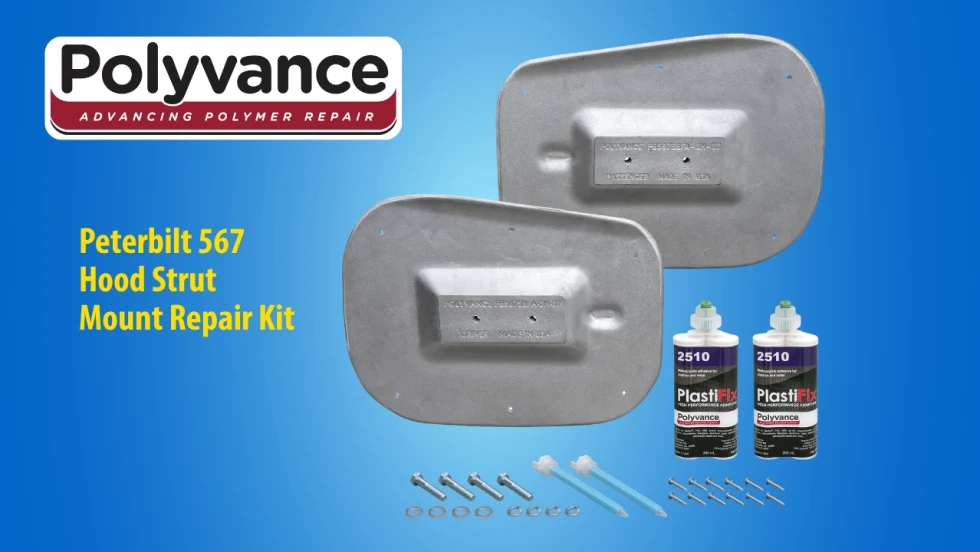
Polyvance Introduces New Peterbilt 567 Hood Strut Mount Repair Kit
Polyvance has launched a repair solution for Peterbilt 567 hood struts, helping truck owners and repair facilities avoid costly hood replacements.
Read More →
Cox Automotive Celebrates Technical Excellence at 2026 Top Tech Finals
The top technicians from Cox Fleet and Manheim tested their skills in Nashville, Tennessee, at Cox Automotive’s 2026 Top Tech Finals. The overall winners will advance to compete at the American Trucking Association’s TMC SuperTech competition.
Read More →
Grote Industries Appoints Vice President of North American Operations
Grote Industries has appointed Patrick Smith as vice president of North American operations as it celebrates 125 years of innovation and manufacturing excellence. He has more than 20 years of manufacturing leadership experience.
Read More →
Winter Fleet Prep: Expert Tips to Keep Vehicles Running Smoothly
Cold weather can expose weak batteries, tires, fuel systems, and maintenance gaps fast. Use this winter fleet checklist to prepare trucks and drivers before temperatures drop.
Read More →