




All-New Mazda6 Redefines the Mid-Sized Car
From 800 inspections to its standard safety features, Mazda ensures the 2009 Mazda6 is ready to “Zoom.”

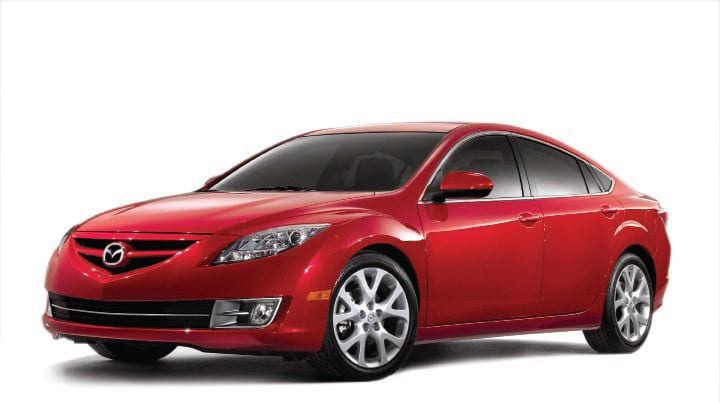
2009 Mazda6
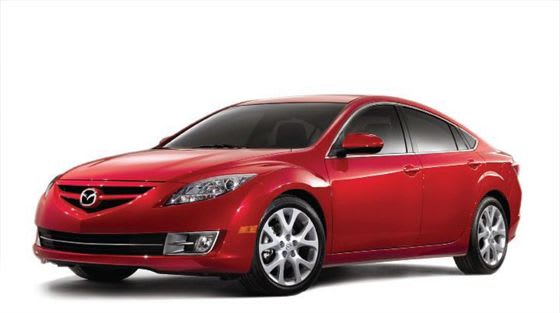
The 2009 Mazda6 is redefining the mid-size car market, according to the automaker. The Mazda6 combines attractive styling with driving performance and substantially enhanced environmental and safety features.
One company currently deploying the Mazda6 in its fleet is Boehringer-Ingelheim. Since last August, Lee Miller, manager, fleet services, has included 250 Mazda6 models in her 3,700-unit fleet.
"It is great to have a new, 'edgy' U.S.-built import vehicle," said Miller. "Order-to-delivery time is reasonable, and the manufacturer has been super to work with. Mazda has stepped up to the plate to partner with leasing companies as well as their clients to ensure all the logistics are in place to be a true fleet option."
Features Enhance Ease of Use
Firing up with the touch of a button, the Mazda6 comes ready to "Zoom-Zoom." A 2.5L DOHC four-cylinder engine with VVT is standard, producing 170 hp @ 6,000 rpm and 167 lb.-ft. of torque, and achieving an EPA-estimated 21/30 city/highway mpg. An advanced, 6-speed Sport automatic transmission (AT) is standard in Mazda6 S models, with a 5-speed Sport AT available on Mazda6 I models. The Mazda6 achieves 21 mpg city and 30 mpg highway.
Mazda's 34-step airless painting process and 800 inspections prior to sale testify to the automaker's pursuit of perfection in each vehicle as it leaves the assembly line.
Electroluminescent gauges increase visibility of interior components, and the laser-etched markings transmit crucial data while reducing eye strain.
Rear seats offer a 60/40 split fold-down, providing a virtually flat cargo floor. The trunk's 16.6 cu.-ft. of storage space provides room to fit tools, product samples, or other fleet needs, and is large enough for four standard suitcases.
A voice-activated, in-dash navigation system is available on the Mazda6 Grand Touring. The in-dash, 7-inch LCD screen makes finding the best route quick and simple.
The armrest in the center console adjusts, enhancing comfort. Additional convenience items include steering-wheel-mounted controls for Bluetooth phone functions, stereo system controls, and cruise control (standard on the Grand Touring version).
Xenon headlights are available on the Grand Touring edition and project two to three times the light, last three to five times longer, and use 30-40 percent less energy than halogen lights, according to Mazda.
Safety is Standard
Mazda's Blind Spot Monitoring System is available on the Touring Plus and Grand Touring trims. A radar-based driver-warning system utilizes a pair of rear-facing sensors to detect vehicles and other objects that enter the driver's right and left blind spots. If the warning light is illuminated and a driver signals to change lanes, the warning light blinks and a warning chime sounds.
Dual front airbags, front side-impact airbags, and side-impact curtains with coverage for front and rear seats are standard, as is dynamic stability control, which provides predictable, stable handling by managing engine torque and braking forces.
Originally posted on Automotive Fleet
More Small Fleet


Developing Budget-Friendly Driver Safety Programs
From driver training and safety meetings to one-on-one coaching and incentive programs, several small fleets share how they have developed a safety culture with their drivers using low- to no-cost resources.
Read More →
Boosting Last-Mile Fleet Uptime, Safety, and Value with AI Vehicle Inspections
AI-powered inspections are transforming last-mile fleets by replacing manual checks with highly accurate automated scans that detect defects in seconds. By giving fleet operations visibility into the daily condition of their vehicles, you can identify trends over the vehicle’s lifecycle that enable improved procurement decisions, route management, driver training and accountability.
Read More →
Five Ways Seat Belts Help Prevent Injuries
There are five ways seat belts protect occupants from injuries, according to the Tennessee Department of Safety and Homeland Security.
Read More →
It’s here: The 2026 Fleet Technology Trends Report
What does AI mean for fleets? Get the answer — and learn other top tech trends.
Read More →
Small Fleets, Big Impact: How Independent Drivers Power Wreaths Across America
Check out how small fleets and independent drivers power Wreaths Across America each December and why their impact matters more than ever.
Read More →
VMS Survey Finds 65% of Small Fleet Managers Run Operations Alone
A new VMS survey shows small fleet managers are stretched thin, with most handling operations solo and eager to adopt digital tools for relief.
Read More →
Tips for Driving Safely on Halloween Night
This video features a reminder from the Connecticut Department of Transportation (DOT) and the Connecticut Police Chiefs Association, urging drivers to prioritize safety this Halloween.
Read More →
AI, Access, and Uptime: VMS’s Next Chapter with David Prusinski
VMS’s new Co-CEO, David Prusinski, shares how an AI-first approach will give small fleets and repair shops the tools to compete like big players.
Read More →
Fleet Managers Share Winter Prep Tips: It's Never Too Early!
Three fleets share best practices to prep vehicles for winter and prevent downtime when the cold sets in.
Read More →