





Learn More: Value of Maintenance Management Programs for Work Truck Fleets
9 Tips to Reduce Maintenance Costs Outside the Work Truck Shop
Utilizing tools beyond the ones on the truck shop wall can help you keep truck maintenance costs in check and reduce costly downtime.
March 15, 2021

Maintenance costs are impacted by so much more than those found in the shop.
Photo: Gettyimages.com/alengo
5 min to read
It’s easy to focus on the maintenance shop when looking to reduce maintenance-related expenses. But there are many factors beyond the shop that a fleet manager should look into.
Beyond focusing on cost savings in the shop, there are several ways fleets can reduce their truck fleet maintenance costs.
1. Determine Fleet Age & Duty Cycle
By determining the age of the fleet, repair vs. replace (RVR) methodology can be employed.
“There are many ways to accomplish RVR, but it basically is a function that compares the repair at hand, the worth of the unit, and the estimated cost of replacement to come to a verdict to repair or replace based on dollars,” explained Joseph Shinn, technical manager: medium\heavy-duty maintenance at Merchants Fleet.
A truck’s duty cycle will impact many factors, including maintenance.
“The duty cycle impacts how frequently trucks must be maintained. Driver behavior highly affects the duty cycle, which cascades down to maintenance frequency,” said Evandro Silva, senior manager Connected Innovation for Volvo Trucks North America.
2. Know the Cost of Downtime
The cost of downtime is often an overlooked expense.
“Consider the cost of lost productivity, lost revenue, paying drivers to wait for services, and replacement vehicle rentals. Downtime cost can be challenging to quantify, but it’s real. Fleets can reduce downtime by partnering with service vendors who understand the needs of fleets. Institute an effective preventive maintenance (PM) plan to reduce avoidable repairs, and leverage a partnership with a fleet management company who can help to approve repairs quickly, expedite back ordered parts, and support diagnosis of challenging vehicle issues,” said Jamie Grams, national service department manager for Enterprise Fleet Management.
Drivers sitting at the shop aren’t making your company money.
“Ensure your program includes ancillary services that provide roadside assistance, downtime management, and replacement vehicle designed to support drivers and ensure they are behind the wheel — not in the sidelines waiting for services,” said John Wuich, CAFM, vice president, Strategic Consulting Services (SCS) for Donlen.
3. Employ a Preventive Maintenance Strategy
Pay particular attention to your PM strategy and your fleet’s commitment to adhering to your PM parameters.
“When a fleet has high PM variability, it typically results in significantly higher maintenance costs and increased downtime. Customizing your PM strategy to account for your vehicles’ intended job function, age/mileage, operating region, etc. and holding your drivers accountable to ensure they comply with your PM parameters is absolutely critical to effectively controlling your maintenance spend,” said Joe Smith, maintenance account executive for ARI.
Smith added that an effective maintenance program built on a strong foundation of a comprehensive PM strategy would help keep vehicles on the road, increase the overall lifespan of fleet units, and reduce and stabilize operating costs.
4. Educate Your Operators
Knowledge is power.
“Having a more informed operator can help reduce costs by reducing fuel consumption, moving violations, accidents, and general wear and tear from unintentional abuse of the unit,” said Shinn of Merchants Fleet.
Many costs can be reduced outside of the shop by implementing a plan to proactively prompt drivers when PM is required.
“Well-maintained vehicles tend to have fewer costly repairs, so having a strategy in place upfront saves time and money in the long run,” said Grams of Enterprise Fleet Management.
Driver education goes a long way toward positively impacting your bottom line.
“Something as simple as understanding the basics of diesel particulate filter (DPF) regeneration and diesel exhaust fluid (DEF) can prevent many trips to the shop to address DPF failures or check engine light concerns. Regular pressure checks for proper tire inflation are another way to reduce cost and downtime. Considering over 70% of tire failures can be attributed to underinflated tires, drivers play a big part in avoiding this cost,” said Grams of Enterprise Fleet Management.
5. Consider Telematics
It is important to note the role telematics can play in helping monitor vehicle and driver performance.
“With a comprehensive telematics solution in place, you’ll have greater visibility to the vehicle’s utilization, mileage, driver behavior, etc., allowing you to more accurately forecast maintenance trends and help you tailor your PM strategy to the precise characteristics of your fleet,” said Smith of ARI.
6. Look into Alt-Fuels
Utilizing alt-fuel trucks is often a higher up-front expense, but one that can lead to cost savings in the long run.
“Compressed natural gas (CNG) burns cleaner than gasoline, leaving less deposits in an engine, which leads to less engine oil breakdown and less internal wear and failure. Diesel technology has made huge advancements over the past two decades and continues to be at the forefront of most vocational fleets as a power unit of choice. Diesel units can withstand long idle hours and several hundred thousand road miles, providing a much longer lifespan than their gasoline partners. Electric vehicle technology is rapidly becoming the wave of the future for fleets that are eco-conscious,” said Shinn of Merchants Fleet. “By choosing units based on whole life cost when ordering the fleet can get an accurate picture of true cost during the lifecycle.”
7. Properly Spec All Units
Properly spec’ed vehicles reduce cost in the fleet by being the right vehicle for the job.
“Proper specification increases safety and reduces abuse, wear and overall maintenance cost and unexpected breakdown cost by being built properly from the start and performing to the needs of the customer,” said Shinn of Merchants Fleet.
8. Get a Handle on Driver Behavior
Drivers are an essential component of maintenance management and are a big factor outside the shop.“Drivers are key to identifying items on that asset in need of maintenance or repair. Company culture and training along with the importance of proper maintenance and DVIRs,” said Mark Malanca, manager of Truck Department, Mechanical and Maintenance for LeasePlan USA.Driver behavior has a big impact on a truck’s duty cycle, which impacts how frequently a truck should or should not be maintained.“Also, technicians need to have easy and clear access to maintenance operations when performing a maintenance service to ensure the proper maintenance is performed on each vehicle,” said David Pardue, vice president of connected vehicle and contract services for Mack Trucks.
9. Try Out Mobile Services
Mobile services are growing in use and popularity and can help reduce downtime by bringing the shop to your vehicle.These can range from mobile fuel to maintenance and more.
“Consider mobile services that provide off-hour support of preventive and scheduled repairs. Mobile services can work to reduce driver downtime and overall spend when the value of downtime is considered,” said Wuich of Donlen.
Subscribe to Our Newsletter
More Maintenance
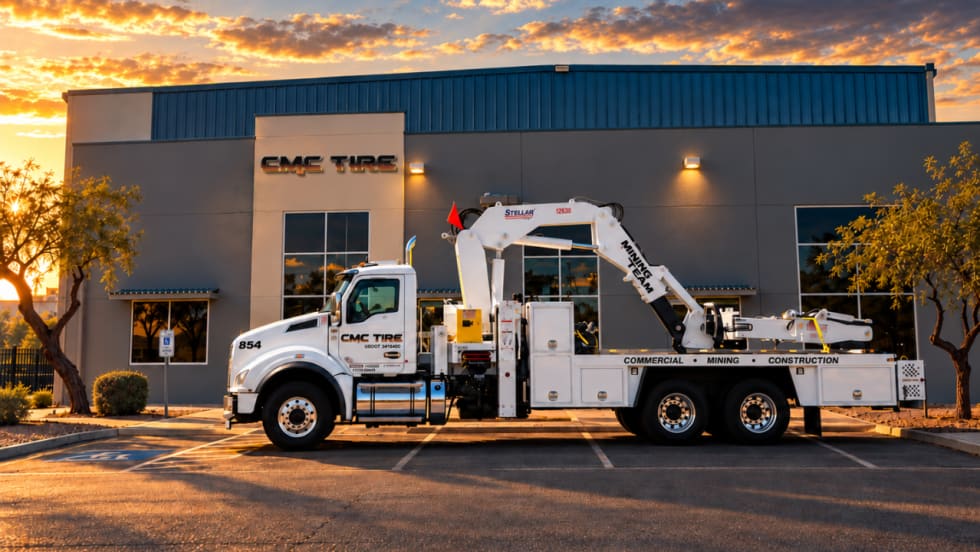
Les Schwab Expands Commercial Tire Footprint Into Arizona
Les Schwab Tires has expanded into Arizona with two commercial tire locations in Phoenix and Tucson, strengthening its fleet service footprint in the Southwest.
Read More →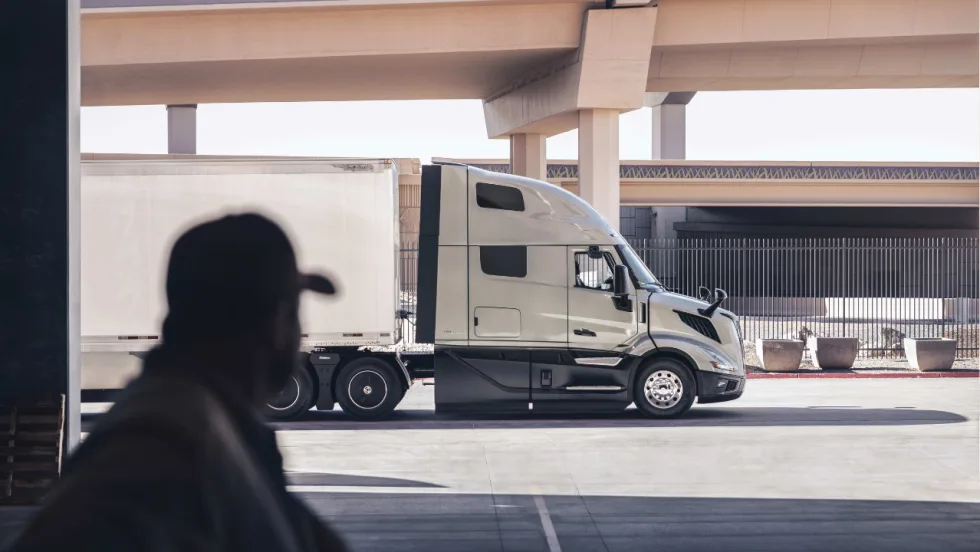
Volvo Trucks’ 'Lock and Leave' Software Updates Go Live Across North America
Unattended over-the-air software updates are now available in Volvo trucks across the U.S. and Canada. The new capability lets trucks stay current with the latest software without interrupting operations or requiring a dealership visit.
Read More →
Why Technician Appreciation Can’t Be a Once-a-Year Thought
For fleets trying to keep skilled technicians, recognition cannot begin and end with Technician Appreciation Week. Learn what year-round appreciation really looks like and why the everyday technician experience matters just as much as pay when fleets are trying to keep good people.
Read More →
How Faster Driver Reporting Can Keep Small Truck Problems Small
When minor damage, warning lights, or equipment issues are reported late, small problems can quickly become bigger maintenance headaches. Conversational AI can help shorten the path from what a driver notices in the field to the person who can act on it.
Read More →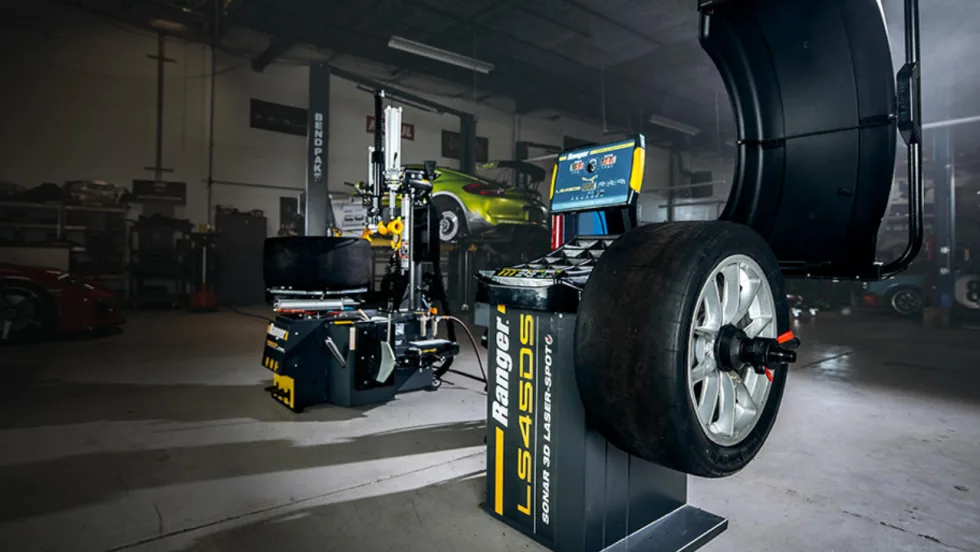
BendPak’s Ranger Wheel Service Equipment Achieves North American Safety Certification
BendPak’s full line of Ranger tire changers and wheel balancers has been ETL certified to UL and CSA standards to improve operator safety.
Read More →
Isuzu & U.S. Department of Labor Celebrate Milestone for Veterans Apprenticeship Program
The Isuzu Veterans Apprenticeship Program (IVAP) signing ceremony highlighted Isuzu’s long-term commitment to veterans, Isuzu dealers, and the skilled workforce supporting its customers and the commercial transportation industry.
Read More →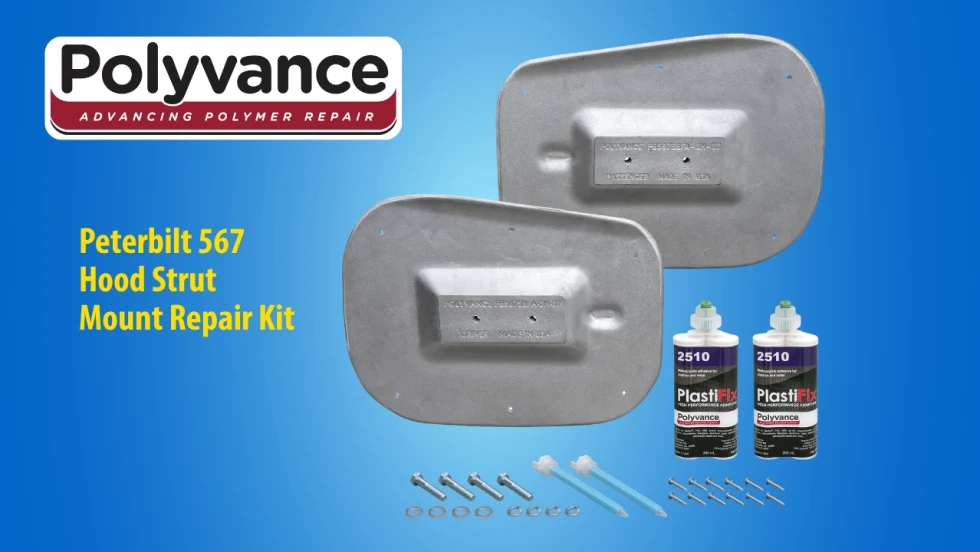
Polyvance Introduces New Peterbilt 567 Hood Strut Mount Repair Kit
Polyvance has launched a repair solution for Peterbilt 567 hood struts, helping truck owners and repair facilities avoid costly hood replacements.
Read More →
Cox Automotive Celebrates Technical Excellence at 2026 Top Tech Finals
The top technicians from Cox Fleet and Manheim tested their skills in Nashville, Tennessee, at Cox Automotive’s 2026 Top Tech Finals. The overall winners will advance to compete at the American Trucking Association’s TMC SuperTech competition.
Read More →
Grote Industries Appoints Vice President of North American Operations
Grote Industries has appointed Patrick Smith as vice president of North American operations as it celebrates 125 years of innovation and manufacturing excellence. He has more than 20 years of manufacturing leadership experience.
Read More →
Winter Fleet Prep: Expert Tips to Keep Vehicles Running Smoothly
Cold weather can expose weak batteries, tires, fuel systems, and maintenance gaps fast. Use this winter fleet checklist to prepare trucks and drivers before temperatures drop.
Read More →