




7 Tips for Winter-Ready Tires
With road conditions that change instantly, ensuring your truck tires are winter-ready is essential in managing a safe fleet.

Winter road surfaces can change rapidly, and without warning, from ice to sleet to slush. Snow can make driving with low tread unmanageable and dangerous for everyone.
Photo: Aperia Technologies
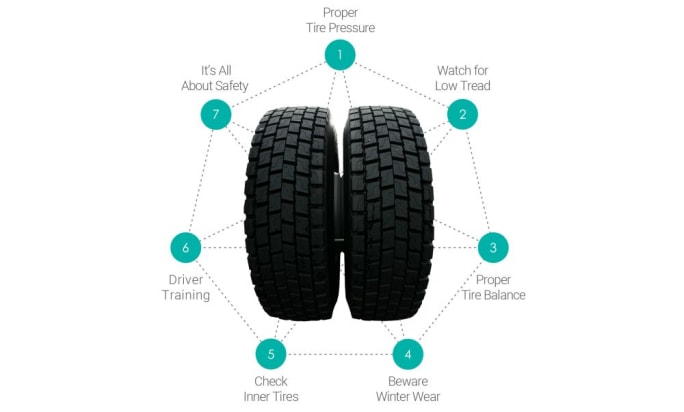
you can dramatically improve the safety of your drivers and the public by ensuring that your tires are ready for winter.
Photo: Aperia Technologies
Winter is coming. And with it comes many potential issues for drivers on the road. But a little prep can go a long way. Winter-ready commercial truck tires make your fleet safer and more profitable.
These 7 simple tips can make all the difference during those chilly months:
1. Maintain Proper Tire Pressure All Year Long
Optimal pressure doesn’t just increase mileage; it extends the tires’ life for your entire fleet. While this is true year-round, it’s more challenging to maintain proper inflation when the temperatures dip.
Tire pressure decreases 2-3 psi for every 10-degree Fahrenheit drop in temperature, and many drivers don’t realize the impact that under-inflated tires have on stopping distance and vehicle overall vehicle performance.
For the most accurate pressure reading, check tire pressure first thing in the morning, or after the tires haven’t been in operation for several hours.
2. Watch for Low Tread and Slippery Roads
Driving with low tread is unsafe during the summer, but it’s particularly dangerous during the winter months. In addition to increasing the risk of hydroplaning on wet roads, winter road surfaces can change rapidly, and without warning, from ice to sleet to slush.
Snow can make driving with low tread unmanageable and dangerous for everyone.
Don’t ever mix treads on the rear axles of dual-wheeled vehicles; this will create uneven wear and may result in a loss of traction. Steer tires must have at least 4/32 inches of tread depth, and all other tires must have 2/32 inches.
A tread-depth gauge is an inexpensive tool that can help keep your drivers safe and your trucks on the road.
3. Ensure Proper Tire Balance for Even Wear
The consequences of steer tires that are out of balance or improperly aligned are amplified on slick or snow-covered roads. In addition to the excessive vibration and corresponding loss of control, improper balance and alignment will cause irregular wear and reduce the life of your tire.
4. Beware of ‘Winter Wear-and-Tear’ on Tires
Most tire troubles occur in the springtime, not because spring weather is harsh on tires, but because of winter wear. When all-season tires are exposed to extreme temperatures for an extended time, the chemical compounds break down, and the tires lose their elasticity. Tires become more brittle and prone to excess wear.
Additionally, condensation caused by cold temperatures can gather in the core of the tire valve. When this moisture freezes and expands, it creates a gap that allows air to escape and tire pressure to drop.
5. Check the Inner Tires Regularly
On dual-wheel vehicles, the tire on the inside often gets neglected. Admittedly, it can be physically taxing to check the pressure and tread on inner tires, but it’s vital to include them in your driver’s pre-trip checklist.
In addition to measuring tread wear, ensuring each tire on an axle is at the same pressure is a key safety measure. When one tire is less inflated than the other, it creates excess friction on the tire, resulting in more wear and shorter life of that tire.
6. Commit to Simple Driver Training for Tire Maintenance
Maintaining proper tire pressure is imperative, particularly in the harsh environment during the winter months.
Shockingly, only 17% of drivers know how to check the pressure in their tires properly, and 50% don’t know the proper inflation for the tires on their vehicle. The related statistics don’t get any better: 21% of vehicle defect accidents are due to improper tire pressure, and 50% of emergency roadside service calls are tire-related.
Ensuring your drivers are properly trained to maintain their tires, and that tire inspections are a regular part of their pre-trip routine can save money and, more importantly, lives.
7. Remember Tires are the Foundation of Driver Safety
Many fleets make wise investments in advanced safety features that can go a long way to keep your fleet on the road all winter long. But even the best brake systems, stability systems, and advanced driver assistance technology can fail if the tires aren’t inflated properly.
The Federal Motor Carrier Safety Administration (FMCSA) cites approximately 190,000 vehicle violations annually. Simple education and training go a long way to lower fuel costs, extend the life of your tires, and keep your fleet out of danger.
The Bottom Line
It doesn’t matter if your fleet is headed across town or the country you can dramatically improve the safety of your drivers and the public by ensuring that your tires are ready for winter.
It’s not just the right thing to do; it’s a smart business decision.
About the Author: Judith Monte is vice president of Customer Success & Marketing at Aperia Technologies, a supplier of tire management technologies.
More Maintenance
Les Schwab Expands Commercial Tire Footprint Into Arizona
Les Schwab Tires has expanded into Arizona with two commercial tire locations in Phoenix and Tucson, strengthening its fleet service footprint in the Southwest.
Read More →
Volvo Trucks’ 'Lock and Leave' Software Updates Go Live Across North America
Unattended over-the-air software updates are now available in Volvo trucks across the U.S. and Canada. The new capability lets trucks stay current with the latest software without interrupting operations or requiring a dealership visit.
Read More →
Why Technician Appreciation Can’t Be a Once-a-Year Thought
For fleets trying to keep skilled technicians, recognition cannot begin and end with Technician Appreciation Week. Learn what year-round appreciation really looks like and why the everyday technician experience matters just as much as pay when fleets are trying to keep good people.
Read More →
How Faster Driver Reporting Can Keep Small Truck Problems Small
When minor damage, warning lights, or equipment issues are reported late, small problems can quickly become bigger maintenance headaches. Conversational AI can help shorten the path from what a driver notices in the field to the person who can act on it.
Read More →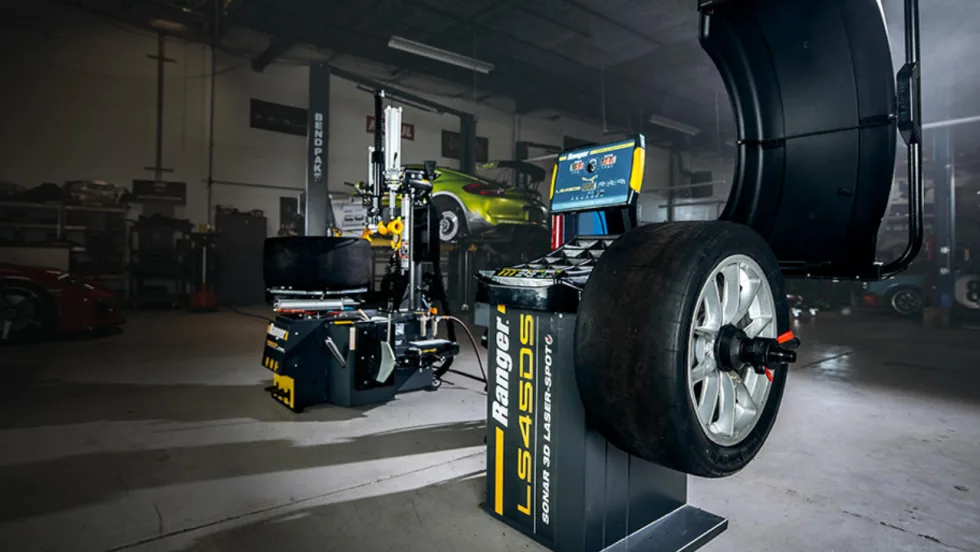
BendPak’s Ranger Wheel Service Equipment Achieves North American Safety Certification
BendPak’s full line of Ranger tire changers and wheel balancers has been ETL certified to UL and CSA standards to improve operator safety.
Read More →
Isuzu & U.S. Department of Labor Celebrate Milestone for Veterans Apprenticeship Program
The Isuzu Veterans Apprenticeship Program (IVAP) signing ceremony highlighted Isuzu’s long-term commitment to veterans, Isuzu dealers, and the skilled workforce supporting its customers and the commercial transportation industry.
Read More →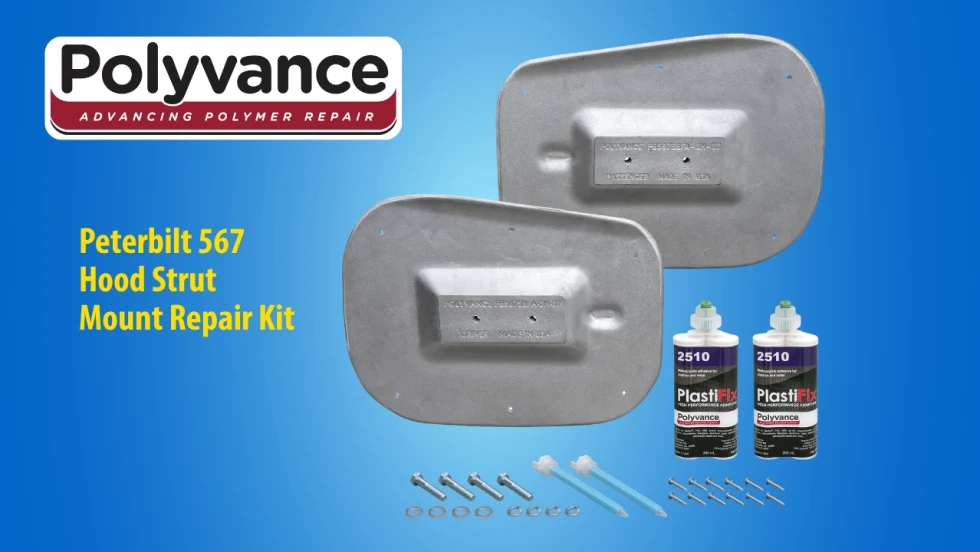
Polyvance Introduces New Peterbilt 567 Hood Strut Mount Repair Kit
Polyvance has launched a repair solution for Peterbilt 567 hood struts, helping truck owners and repair facilities avoid costly hood replacements.
Read More →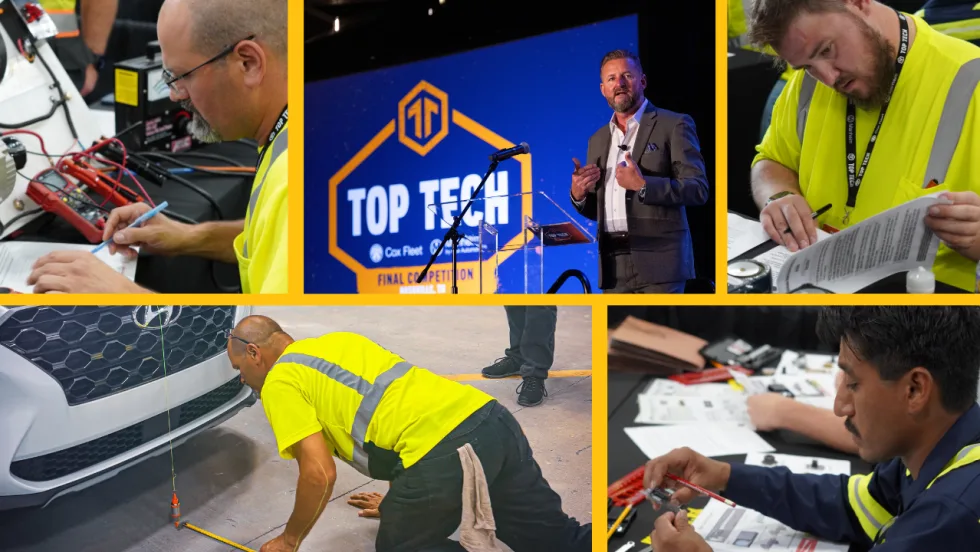
Cox Automotive Celebrates Technical Excellence at 2026 Top Tech Finals
The top technicians from Cox Fleet and Manheim tested their skills in Nashville, Tennessee, at Cox Automotive’s 2026 Top Tech Finals. The overall winners will advance to compete at the American Trucking Association’s TMC SuperTech competition.
Read More →
Grote Industries Appoints Vice President of North American Operations
Grote Industries has appointed Patrick Smith as vice president of North American operations as it celebrates 125 years of innovation and manufacturing excellence. He has more than 20 years of manufacturing leadership experience.
Read More →
Winter Fleet Prep: Expert Tips to Keep Vehicles Running Smoothly
Cold weather can expose weak batteries, tires, fuel systems, and maintenance gaps fast. Use this winter fleet checklist to prepare trucks and drivers before temperatures drop.
Read More →