




7 Steps for a Successful Zero-Emission Vehicle Strategy
To help prepare your fleet for the adoption of zero-emission vehicles, follow these top tips.

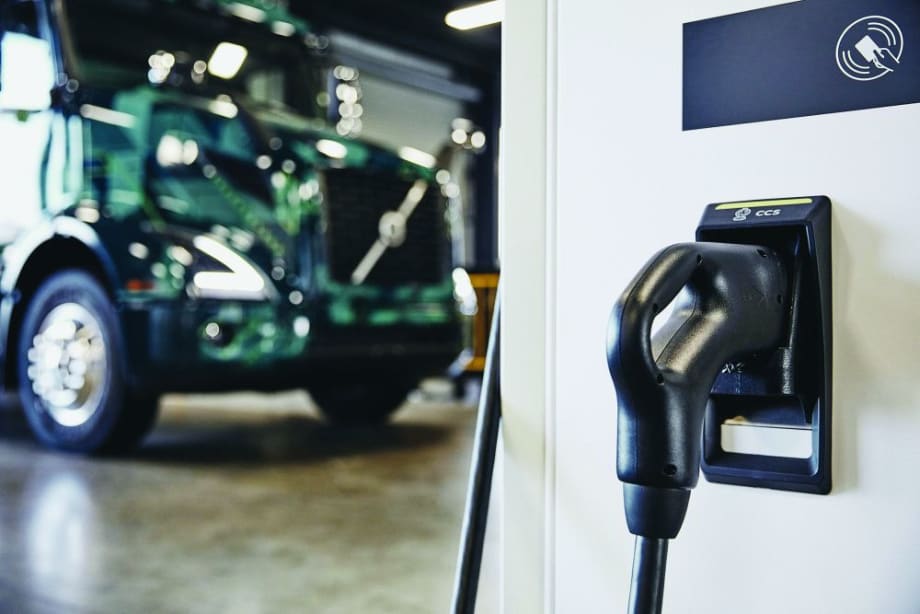
Plug-in hybrid-electric vehicles are one component of a zero-emission vehicle (ZEV) strategy.
Photo: Volvo Trucks
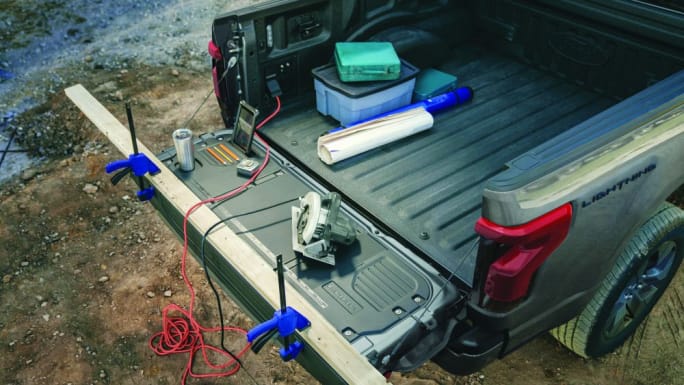
Electric vehicles are growing in popularity and capabilities, with recent offerings, such as the Ford Lightning Pro, aimed specifically at the work truck market.
Photo: Ford Motor Co.
If commercial adoption of zero-emission vehicles had an origin story, the opening scene would be set in California. Back in 1990, when the California Air Resources Board (CARB) adopted the Zero Emission Vehicle (ZEV) requirement as part of its Low Emission Vehicle regulation, the most stringent criteria for exhaust regulations for light- and medium-duty vehicles. The ZEV regulation has changed over the years, but the aim continues to be to achieve California’s long-term emission reduction goals.
Today, the regulation requires auto manufacturers to produce a certain number of ZEVs and plug-in hybrids each year based on the total number of cars each manufacturer sells in California. ZEVs are coming into their own, and they’re being ushered in by legislation.
California isn’t alone. Ten other U.S. states have adopted the ZEV regulation, and recently governors from 12 states urged President Biden to order 100% zero-emission car sales by 2035.
As the ZEV story unfolds, fleets will need to be prepared to adopt these vehicle types. Following these seven steps can make it easier for fleets to write the next chapter.
Step 1: Understand the ZEV Options
Niki Okuk, program manager for CALSTART, an organization focused on advancing the clean transportation market, said the current state of climate change is shifting the focus from alt-fuel to zero-emission vehicles.
“We’ve zeroed in on the zero-emission options because the climate challenge we’re facing is so steep, the need to reduce emissions has become dire,” she said.
ZEVs fall into one of two categories: battery-electric and hydrogen fuel cell. Hydrogen vehicles are still relatively new, which means they’re still relatively expensive and are difficult to find. But they do have their benefits.
“The big pro is that hydrogen vehicles are fueled in a way that’s a lot like traditional gas and diesel vehicles,” Okuk said. “They also have great range at about 300 miles and 500 miles for larger trucks.”
Battery-electric vehicles sit at the other end of the ZEV spectrum. The technology is widely available and has matured since it first emerged in the mid-1990s, alleviating some of the range anxiety associated with early models.
“Battery technology has accelerated over the last decade, and battery prices have dropped by nearly 90%,” Okuk said. “So, when you combine that extended range, lower acquisition costs, and the lower cost of electricity, the big pro is incredible fuel savings.”
Step 2: Figure Out Fueling
When adopting ZEVs, Okuk says fueling is the biggest challenge. While gasoline and diesel are publicly available everywhere fleets travel, that’s not the case for hydrogen and electric charging stations.
“When fleets adopt ZE trucks, they’ll have to determine where to install a charger or whether they’ll rely on public charging,” Okuk said. “We recommend getting in touch with the local electric utility right away to see if they have a program to install a charger and can provide low energy rates.”
Fleets that take the hydrogen path will have to choose between finding a publicly available fueling depot or getting hydrogen trucked on site.
“Hydrogen stations are popping up all over the place, but if you have a large fleet, trucking it on site can make a lot of sense at scale,” Okuk said. “But for your smaller fleets and those that travel less than 300 miles per day, battery-electric makes a lot more sense because you can have chargers installed right at your facility.”
Step 3: Assess Savings
When considering ZEVs, Okuk recommends tallying up the potential savings early on. This can help fleets understand the return on their investment in assets and infrastructure.
“Having data in hand about mileage, the type of terrain you’re traveling, and how much fuel you’re using lets fleet managers see how much fuel savings they’ll recognize with an electric vehicle,” Okuk said. “Once you can make that argument to yourself, you’ll see that the transition is quite viable and quite affordable.”
Step 4: Factor in the Fringe Benefits
When assessing an investment in ZEVs, Okuk encourages fleets to include the full host of benefits in addition to fuel savings. These include:
Decreased maintenance costs.
Improved work environment for drivers due to less noise, fewer fumes and eliminated diesel odors.
Improved health and quality of life for drivers.
Reduced pollution and environmental impact.
Improved public health.
Increased competitiveness in the marketplace as consumers seek to buy from sustainable brands.
Although EVs once had a reputation for reduced performance, Okuk said fleets would be surprised by how well the technology performs today and how impressive the driving experience is.
“Once you drive a ZE truck, you’re never going to want to go back,” she said. “When you turn it on, you can barely hear it. The torque and power are incredible, and the takeoff speed blows peoples’ minds.”
Step 5: Select the Right Vehicle
The same data that allows fleets to determine fuel savings can also help them choose the right type of ZE truck or van.
“Most businesses know how long trucks operate, how far, and how long they idle,” Okuk said. “This data can show what type of vehicle will fit your need. For instance, EVs are perfect for trucks with significant idle time because they use zero energy while idling, whereas diesel trucks use fuel even when idling.”
When picking the right ZE truck for your duty cycle and business model, Okuk said fleets might need to consider a different truck class.
“If you’re currently running your truck at maximum payload, you may need to consider moving to the next class of vehicle,” she said.
Step 6: Seek Incentives
When investing in ZEVs, fleets don’t have to go it alone on the financial front. Okuk said California offers incentive programs for ZEVs, but more are cropping up across the country.
“Fleets should look for ZEV incentive programs that can bring down their up-front costs,” she advised. “These may be offered by the local utility, or at the city, county, and state levels.”
Federal incentives may be on the horizon, too, with President Biden’s recent proposal for zero-emission medium- and heavy-duty vehicle tax incentives in 2022.
Step 7: Start Now
Adopting ZEVs doesn’t happen overnight, so Okuk recommends starting the research now, even if fleets aren’t ready to make a purchase.
“It’s a process that will take some time and some research, but the time investment will pay off in the long run,” she said. “Talk to your local dealer or leasing company about what’s available now and will be available soon. Many states like California are going to begin mandating EVs, and once that starts, many companies will be behind the ball if they don’t start building the foundation now.”
More Green Fleet

Fleet Forward Conference Introduces One-Day Passes for 2026
New one-day registration gives fleet professionals the flexibility to attend Tuesday, Wednesday, or Thursday, with passes available for $199 through Sept. 18.
Read More →
CALSTART Rebrands as Catalyst Mobility, Will Combine with Forth in 2027
CALSTART has rebranded as Catalyst Mobility and will combine with Forth at the start of 2027. The new organization said it is poised to become one of the world's largest, strongest, and most impactful clean transportation nonprofits.
Read More →
Electric Truck and Charging Programs to Boost Sustainability at NY & NJ Ports
Together, the Port Authority of New York and New Jersey and CALSTART will electrify drayage and terminal operations serving the East Coast’s busiest container port. A pair of incentive programs totaling $45 million has launched to accelerate adoption of zero-emission drayage trucks and terminal tractors.
Read More →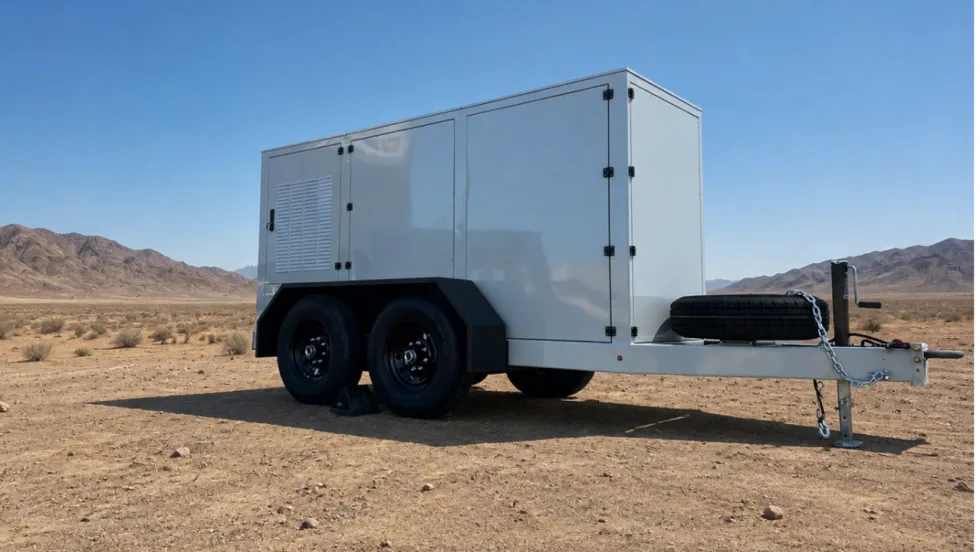
Xos Hub Surpasses One Gigawatt-Hour of Energy Delivered in the Field
A single Xos Hub has surpassed one gigawatt-hour of energy across more than 33,600 charging sessions in the field, demonstrating performance that supports Xos' expansion across new products and markets.
Read More →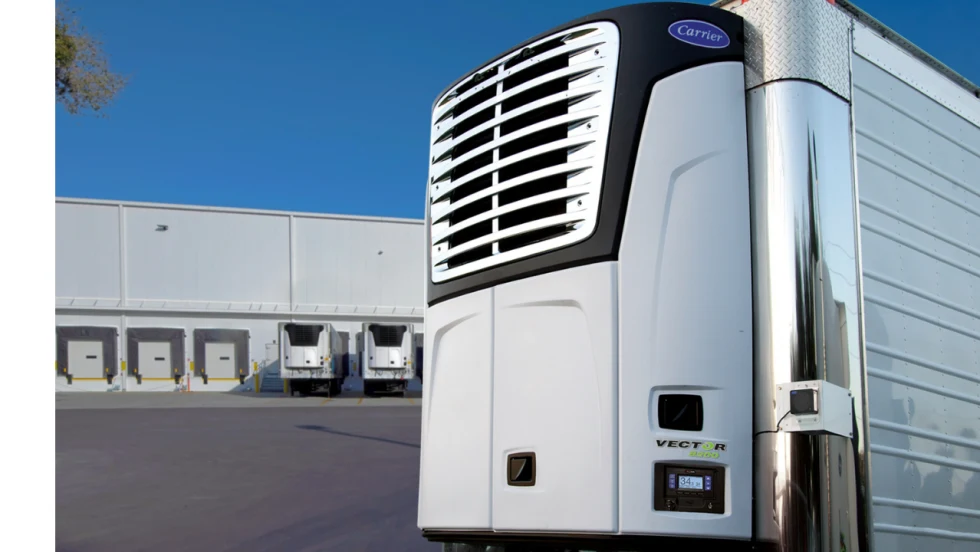
Carrier Transicold Launches All-Electric Vector 8200 TRU for Diesel-Free On-Site Cold Storage
Carrier Transicold’s first engineless multi-temperature TRU helps fresh- and frozen-food fleets add supplemental cold storage capacity during seasonal peaks.
Read More →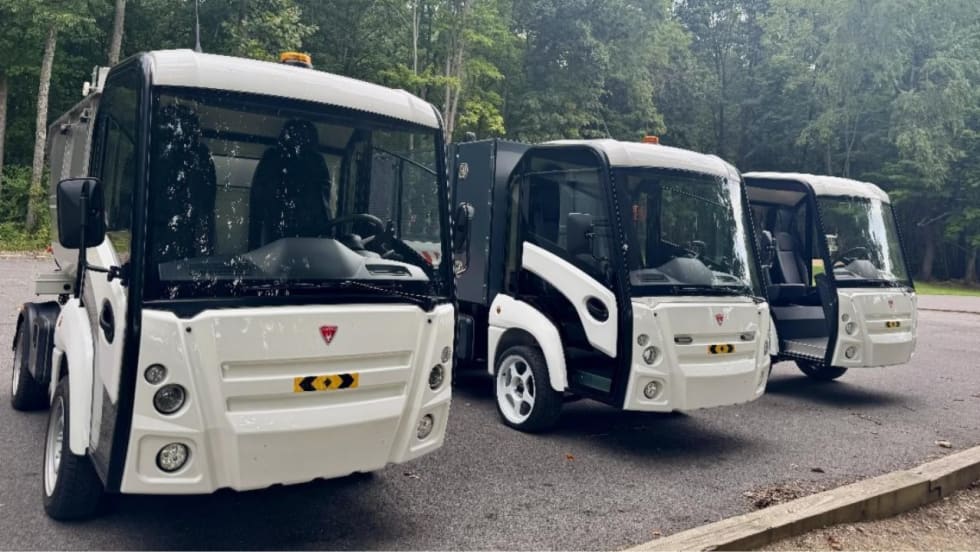
Narro Trucks Introduces Electric Utility Vehicle
Narro Trucks officially launched its operations on Aug. 20 and hosted a ride and drive to showcase its electric truck, which will be produced in Virginia.
Read More →
Samsung SDI Takes Full Control of GM Battery JV as Indiana Plant Pivots to Energy Storage
Samsung SDI is taking full control of its Indiana battery plant with GM, marking a major shift from the EV-focused joint venture Charged Fleet first covered in 2023.
Read More →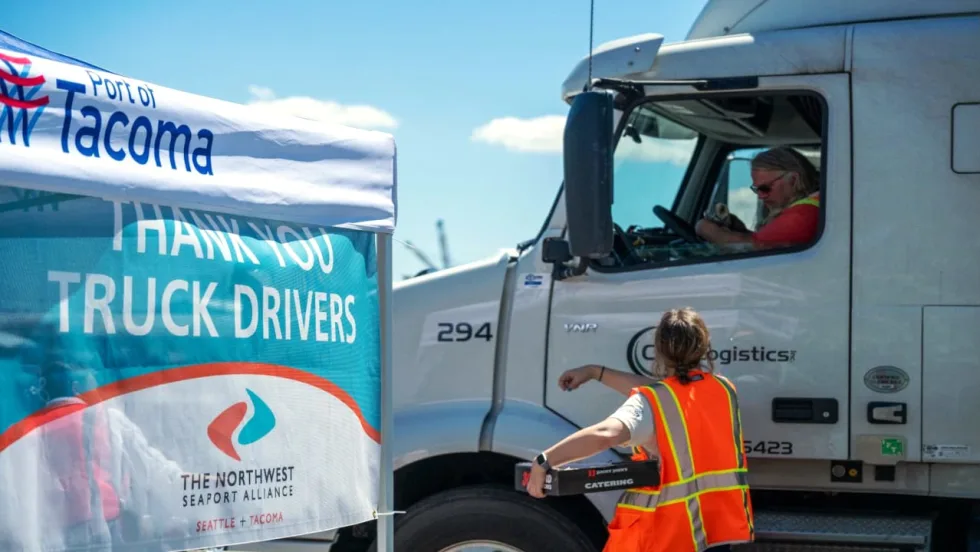
NWSA Taps CALSTART to Administer Zero-Emission Drayage Assistance Program
CALSTART will provide free technical assistance services to drayage fleets serving the Ports of Seattle and Tacoma and looking to transition to cleaner technologies and help decarbonize freight hubs.
Read More →
EV Fleet Reality Check: What Operators Wish They Knew Before Electrifying Their Work Vans
Electric work truck upfits bring new compatibility questions. Learn how parts availability, OEM guidance, power demands, and route planning can affect fleet performance.
Read More →
Peterbilt Expands Sourcewell Partnership with Electric Vehicle Lineup
Peterbilt Motors Company’s cooperative purchasing agreement with Sourcewell and its Canadian partner, Canoe Procurement Group, now includes including Peterbilt's battery-electric vehicle lineup.
Read More →