





Related: Kinedyne Winches Weigh Less While Maintaining Strength
6 Tips for Cargo Securement: Tie-downs
To safely secure a load, tie-downs must be in good working condition without cuts, burns, holes, or other evidence of damage.
June 17, 2020

Even the highest-quality cargo securement equipment will become less effective over time due to regular wear and tear, exposure to harsh weather, and stress from securing heavy loads.
Photo: Kinedyne
3 min to read
When it comes to cargo securement, having the proper type and quantity of tie-downs is only half the battle. To safely secure a load, tie-downs must be in good working condition without cuts, burns, holes, or other evidence of damage. It’s important to closely examine cargo control equipment before securing every load to ensure that it is safe to use and that it meets all federal, provincial, state and local requirements in the United States and Canada.
“While it’s easy for drivers who are in a hurry to consider skipping the step of examining their tie-downs before securing every load, it’s a vital step in safely securing their cargo,” says Bob Dissinger, director of U.S. sales for Kinedyne. “Keeping tie-downs in good condition doesn’t have to be difficult – there are simple things that can be done to make sure it’s safe to use them. Assuming that the tie-downs are OK to use because they were fine during the previous load could be a costly mistake.”
Even the highest-quality cargo securement equipment will become less effective over time due to regular wear and tear, exposure to harsh weather, and stress from securing heavy loads.
Kinedyne offers these six tips:
Cover Up the Corners: When hauling cargo with sharp edges, use corner protectors to protect straps. Equipment like cargo corner and edge protectors are designed to snuggly fit along the corners of the cargo, acting as a protecting buffer for the straps, cables, and chains to lie on instead of the sharp edge. If the load lacks a 90-degree edge, use protective sleeves to protect against abrasive materials.
Clean, Dry, and Store: Straps are going to get dirty. But for them to work properly, they can’t stay that way. The Web Sling & Tie Down Association standards prohibit washing slings and tie downs as it can cause loss of strength or chemical damage. WSTDA states that rinsing or soaking with water and a mild detergent is acceptable. Do not use bleach, harsh chemicals, or brushing. Let the straps air dry before storing them out of sunlight. If straps cannot be cleaned with rinsing, they should be replaced.
Keep Equipment Dry: Keeping chains, webbing and hardware dry is important to maintaining their integrity. Exposing hardware to moisture for too long can eventually degrade the quality of the material. If the equipment is constantly exposed to water, consider switching to stainless-steel hardware.
Get the Tough Stuff: When hauling heavy or rough loads like concrete, bricks, wood, or other construction materials, use tie-downs designed to withstand the additional strain. Select straps made with extra abrasion-resistant webbing to secure these loads.
Don’t Let Them Drag: Keep your straps off the ground. The abuse from being constantly whipped around or getting caught under the wheels weakens the straps. You could use duct tape, rubber bands, bungee cords, or specially designed storage devices to secure excessive webbing and prevent damage.
Know When to Replace: Even the best equipment won’t last forever. Examine tie-downs before securing every load to make sure they are in safe working condition. At the first sign of damage, take the tie-down out of service. Replacing tie-downs that are damaged will protect the cargo, driver, and general public.
Subscribe to Our Newsletter
More Upfitting
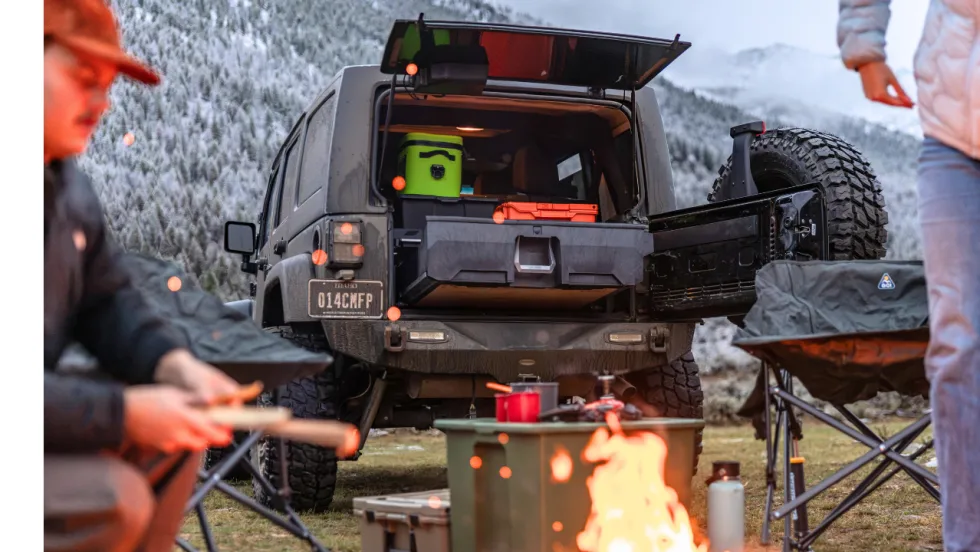
DECKED Expands Signature Drawer System to Most Popular SUVs
DECKED's signature Drawer System, a fixture in truck beds since 2014, now fits a full lineup of SUVs, including the Jeep Wrangler, Toyota 4Runner, Ford Bronco, Toyota Land Cruiser, and more.
Read More →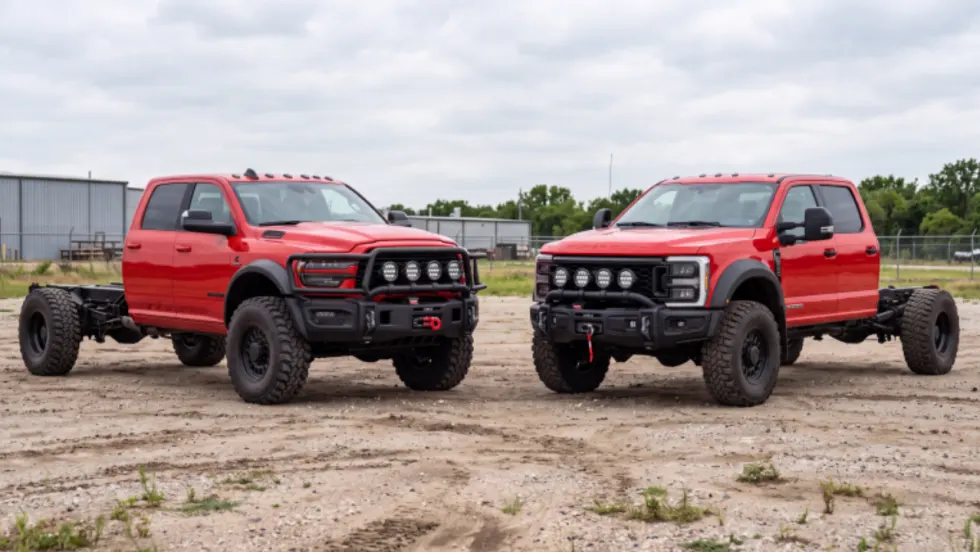
Acela Adds Ford and Ram Platforms With DuraLink Suspension
Acela adds Class 3-5 Ford and Ram chassis with DuraLink suspension, giving upfitters new options for demanding on- and off-road fleet applications.
Read More →
Re-rating Gross Vehicle Weight Ratings (GVWR): Why and How it's Done
Sometimes, it is not in a fleet’s best interests to have a vehicle at a given GVWR. Changing the GVWR to a special value can be done, but the process is complicated.
Read More →

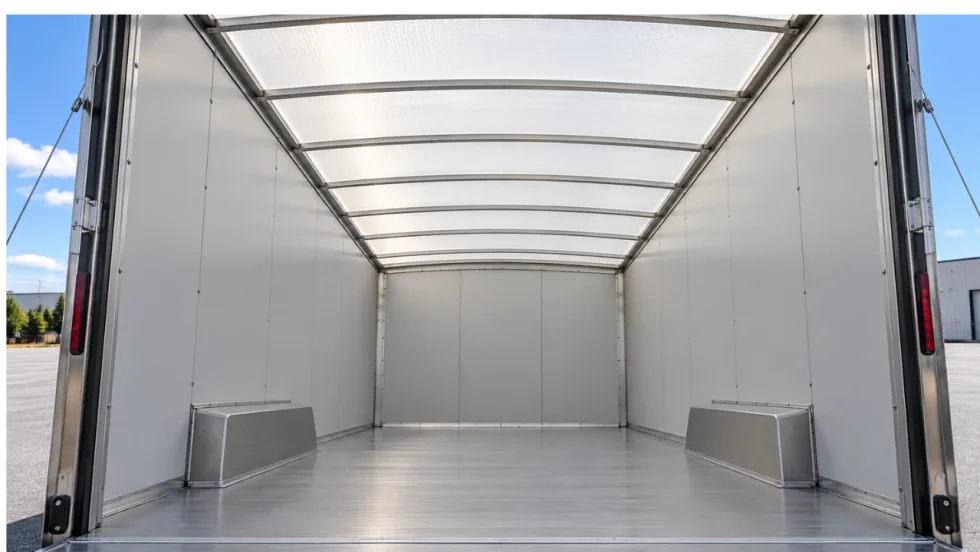
Tekmodo Introduces CargoBright Brand of Translucent Roofs
CargoBright is designed to diffuse daylight across the cargo area while performing as a working vehicle roof. Its reinforced composite construction is designed for impact, abrasion, moisture exposure, and UV exposure.
Read More →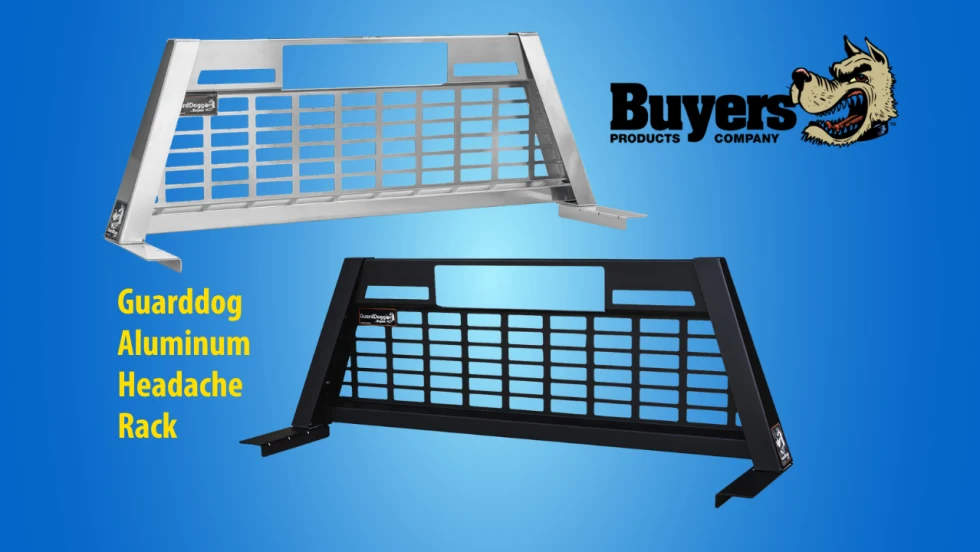
Buyers Products Expands Popular GuardDogg Headache Rack Line
Buyers Products’ aluminum GuardDogg headache rack is now available to contractors, construction crews, and utility fleets that want to reduce vehicle weight without sacrificing functionality.
Read More →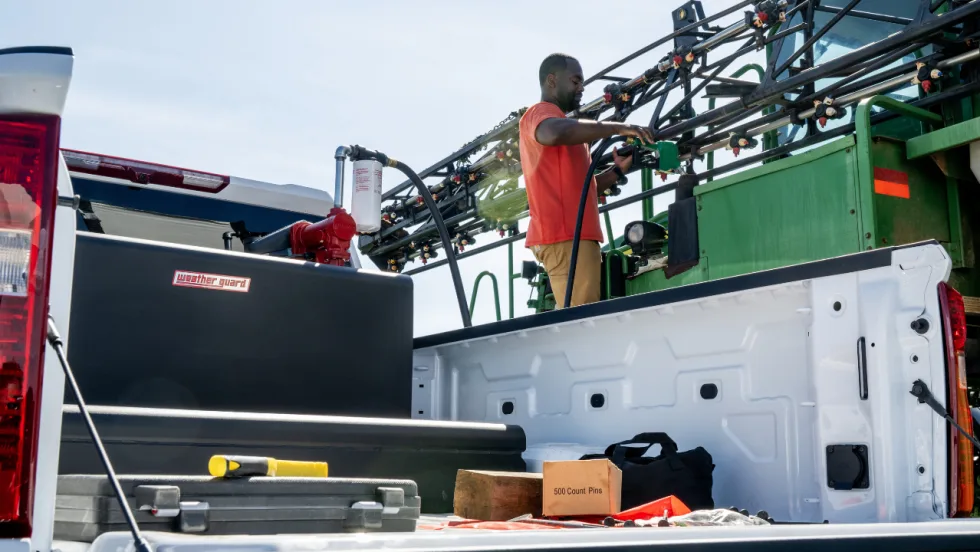
New Weather Guard Transfer Tank Engineered to Reduce Downtime and Improve Fleet Productivity
Weather Guard completely redesigned its line of transfer tanks to improve durability, simplify installation, and keep equipment running in demanding field conditions.
Read More →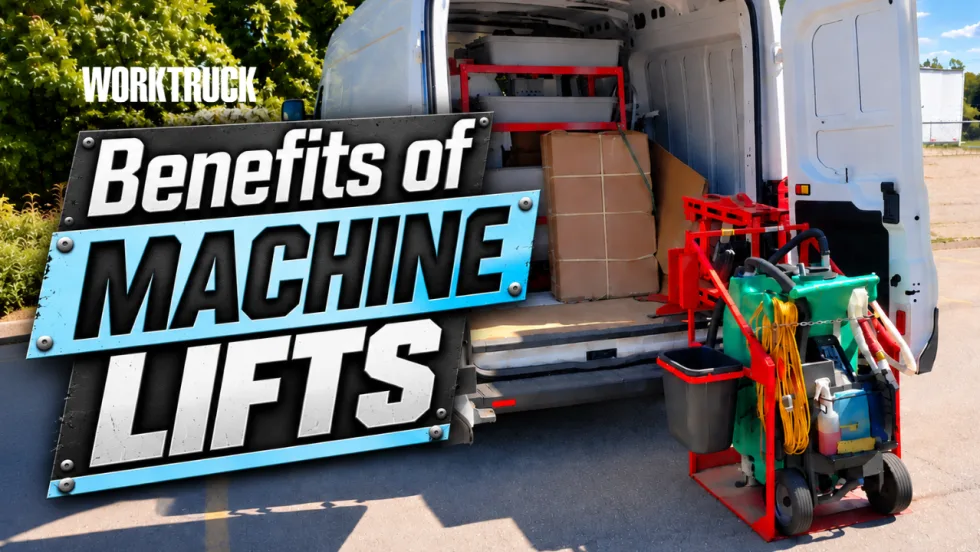
How Machine Lifts Drive Safety & Efficiency for Fleets
What is a machine lift, what fleets need them, and how do they improve safety and drive efficiency? What advantages do they have over ramps and liftgates?
Read More →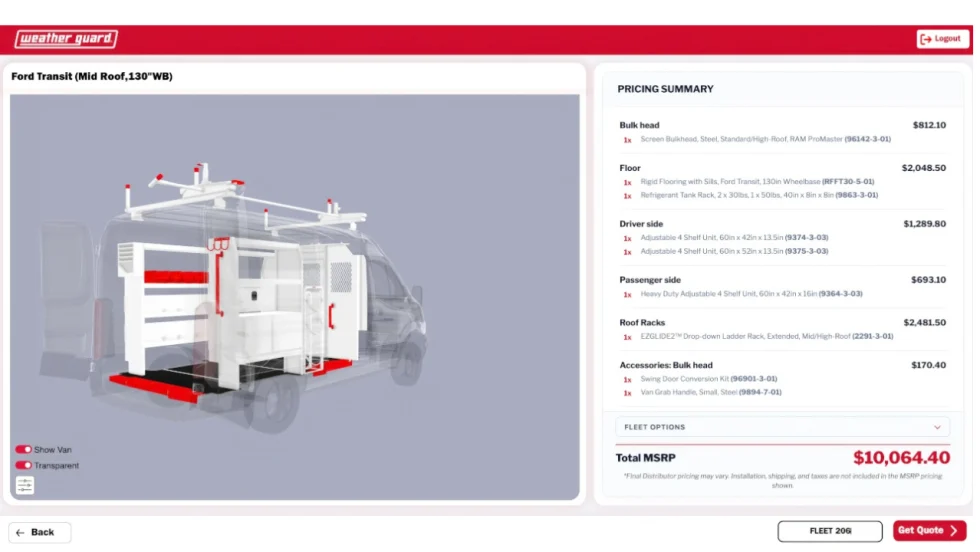
New Weather Guard Configurator Simplifies Planning and Design of Van Upfits
The Weather Guard Configurator combines vehicle-specific product compatibility with real-time 3D visualization to streamline design, quoting, and ordering for fleet managers, upfitters, and professional users. The latest version is now available for vans, with truck upfitting being added in early 2027.
Read More →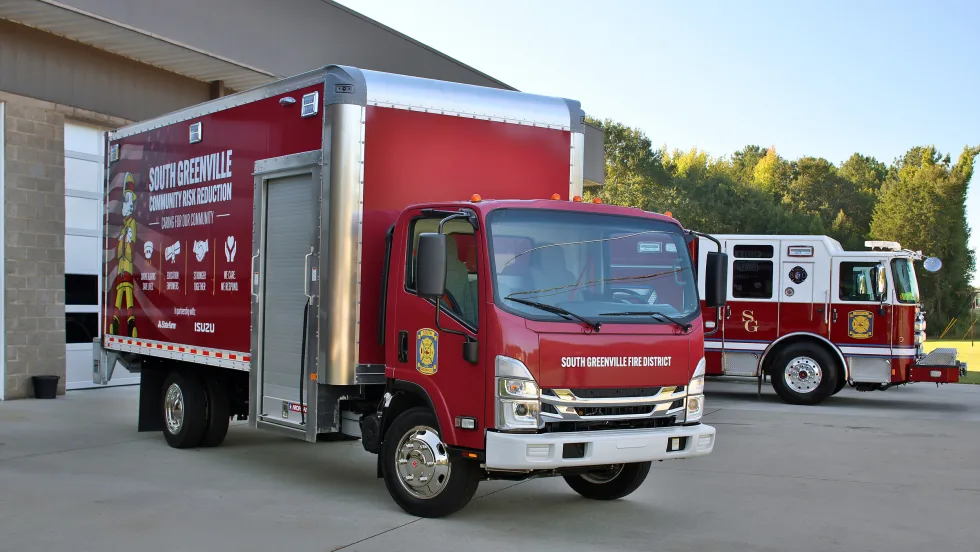
Isuzu Donates New N-Series NRR Truck to South Greenville Fire District to Support Community Outreach
Isuzu North America Corporation donated a new Isuzu N-Series NRR, equipped with a Morgan truck body and a Palfinger liftgate, to support fire safety education, community engagement, and outreach programs throughout Southern Greenville County, South Carolina.
Read More →
M.H. Eby Announces Bostick Truck Center as Michigan Distributor
Bostick Truck Center in Pontiac, Michigan, is now the official distributor for Eby Truck Bodies in Michigan. It will have access to Eby’s Ford, GM, and Ram chassis pool programs.
Read More →