




6 Pros & Cons: Aluminum vs. FRP Van Bodies
Each material offers benefits and drawbacks. Aluminum may be less expensive, but fiberglass reinforced plywood (FRP) is sturdier. Evaluate your truck application to determine which factors matter most.

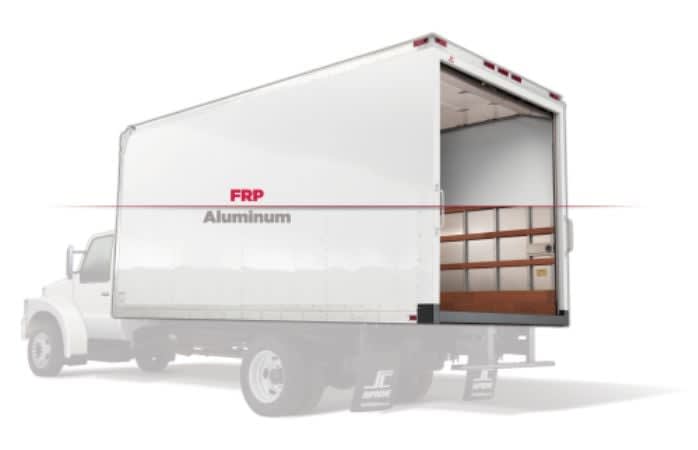
From appearance to space, there is a lot to consider beyond just the cost of the materials in your truck body.
Photo: Supreme Corp.
Which sidewall material is best for your van body trucks — aluminum or fiberglass reinforced plywood (FRP)? Work Truck connected with Supreme Corp. to get some more details.
First - what is FRP? A composite material made of a polymer matrix reinforced with fibers, FRP fibers are typically glass, carbon, aramid, or basalt.
Here are six points of comparison to help weigh the pros and cons between truck bodies:
1. Know the Initial Body Costs
The price difference ranges from $400-$1,200 or more depending on body size and manufacturer with the advantage going to aluminum. Additionally, aluminum is more economical for nonwhite exterior colors because aluminum sheets are available in a variety of standard pre-painted colors. FRP comes standard only in white, requiring extra cost for either a colored gel coat or paint to create color panels.
One trend to watch, however, is the rise in material costs.
"In recent years, the escalating cost of aluminum has significantly narrowed the gap in the cost of FRP versus aluminum bodies, resulting in FRP now being only a slight premium to aluminum," says Bob Besse, director of marketing and product planning for Supreme Corp., a nationwide manufacturer of aluminum and FRP van and cutaway bodies.
2. What are the Body Weight Differences?
Aluminum is approximately 8%-10% lighter than FRP. Take, for example, a base 14-foot van body (84 inches high; 96 inches wide) built by Supreme Corp. The aluminum body weighs 2,150 lbs., the FRP 2,328 lbs. In this case, the aluminum body offers just 200 lbs. less additional payload capacity than the FRP. Consult your body manufacturer for precise weight figures for the body size and options you’re considering.
For fleets considering electric chassis, body weight and aerodynamics also factor into vehicle range.
3. How Will the Material Impact Vehicle Appearance?
The advantage to overall appearance goes to FRP, which offers a seamless, clean, bright and smooth surface for eye-catching graphics and lettering.
With aluminum, you must work around seams and rivets, which may diminish appearance.
As you narrow your material and design choices, also discuss truck body ordering timelines with your supplier.
4. What Body Type is More Durable?
"FRP is composed of four layers — a plywood core, woven fiberglass roving, white pigment resin, and gel coat — that are formed together under intense heat and pressure," Besse explains. "This makes FRP a sturdier and more durable wall construction than aluminum, holding up best against interior cargo and road damage, dings, dents, and scratches from low-hanging tree limbs."
The downside, however, is that a break in the integrity of the FRP coating can allow moisture to seep into the wood core, causing warping and further damage unless repaired quickly.
5. What are the Repairability Concerns with Each Body Type?
If the truck sustains significant sidewall damage to the cargo box in a crash, aluminum is usually less expensive to repair. Only the damaged sidewall panels and posts must be replaced. In the same situation with FRP, the entire sidewall is generally replaced.
For minor damage, such as dents, tears, and scratches, FRP is usually less expensive to repair than aluminum.
Aluminum requires replacing the sidewall panel, while damage can be patched and sealed directly with FRP.
Repair costs also belong in the broader assessment of what the completed work truck costs to operate, alongside downtime and the work the vehicle performs.
6. Do Body Materials Impact Interior Space?
FRP offers approximately three inches greater interior space than a comparable aluminum body, which requires side posts and interior lining.
Another factor to consider is interior visibility.
"FRP provides a bright white interior in the van body, especially when coupled with a translucent roof," says Besse. "This makes working inside the van body much easier."
Fleets reviewing roof options can also explore newer translucent roof materials designed to bring daylight into cargo areas.
More Upfitting
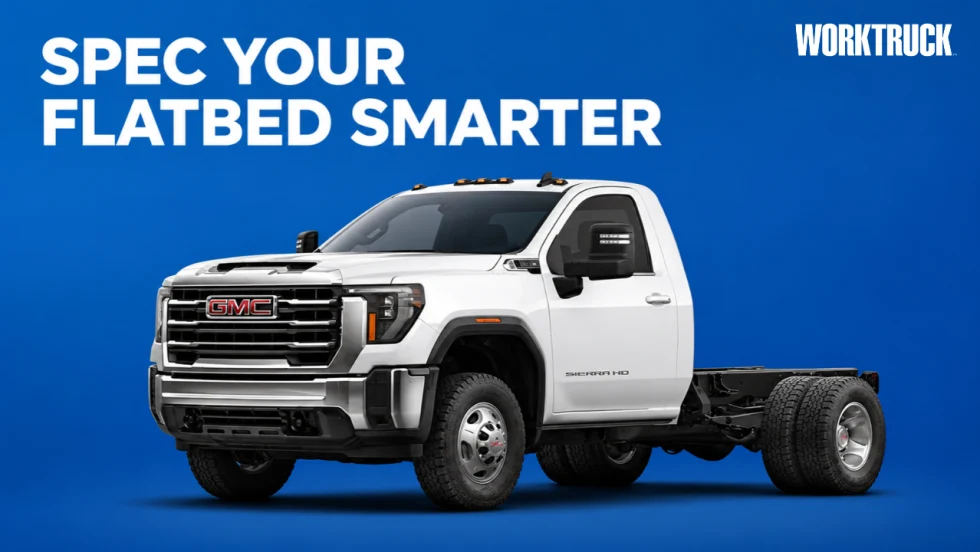
20-Point Checklist: Spec’ing Flatbed Trucks
While flatbeds may seem basic, there are several options to consider that impact cost, payload capacity, fuel economy, and crew productivity. Here are 20 points to consider.
Read More →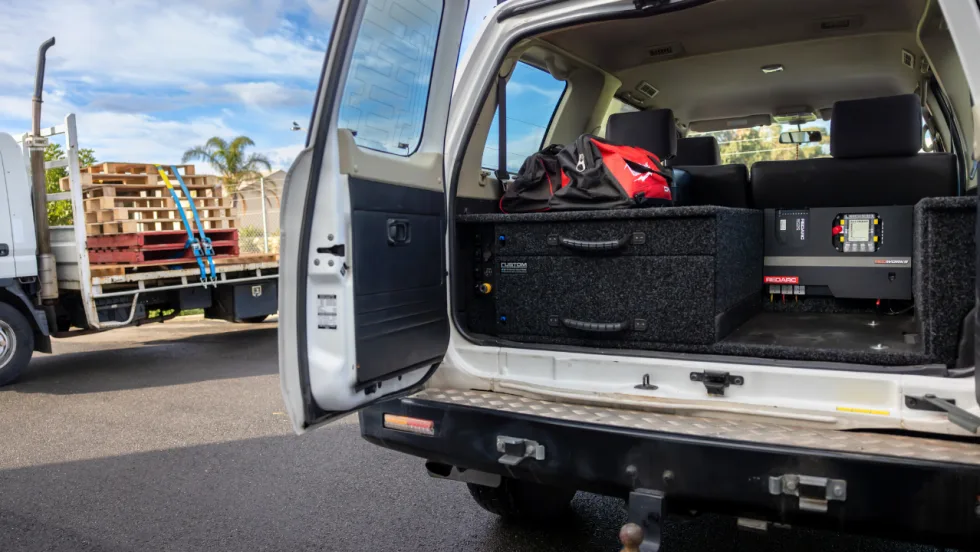
REDARC Launches REDWorks Power Panels to Simplify Mobile Power
REDARC pre-wired systems simplify parts selection and installation for onboard vehicle power. REDWorks Power Panels recharge auxiliary batteries from the vehicle and solar power, keeping mobile equipment and everyday comforts powered while driving, working, or away from an outlet.
Read More →
Vote for the 2027 Upfit Package of the Year
Which upfits are built for the way your crews work? Meet the 2027 nominees across four categories and help choose this year’s winners.
Read More →


DECKED Expands Signature Drawer System to Most Popular SUVs
DECKED's signature Drawer System, a fixture in truck beds since 2014, now fits a full lineup of SUVs, including the Jeep Wrangler, Toyota 4Runner, Ford Bronco, Toyota Land Cruiser, and more.
Read More →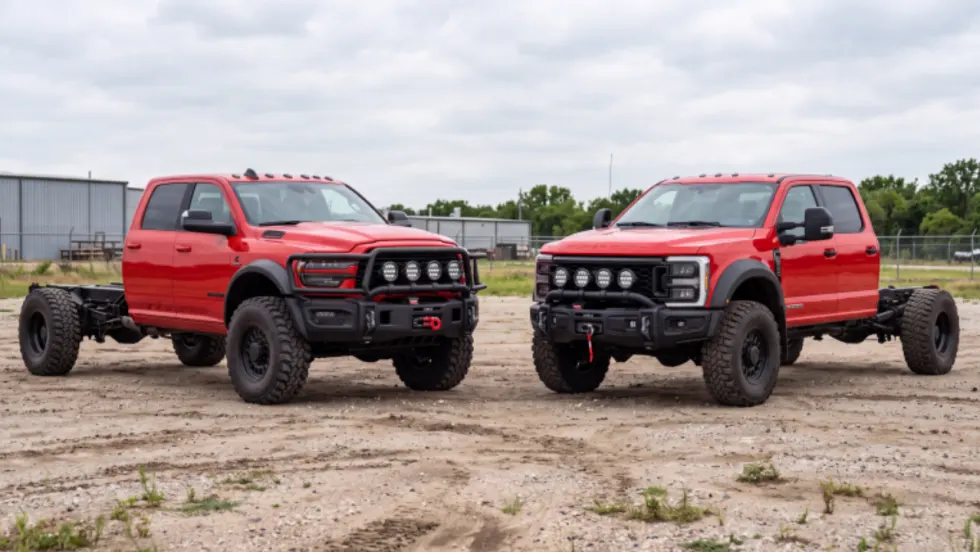
Acela Adds Ford and Ram Platforms With DuraLink Suspension
Acela adds Class 3-5 Ford and Ram chassis with DuraLink suspension, giving upfitters new options for demanding on- and off-road fleet applications.
Read More →
Re-rating Gross Vehicle Weight Ratings (GVWR): Why and How it's Done
Sometimes, it is not in a fleet’s best interests to have a vehicle at a given GVWR. Changing the GVWR to a special value can be done, but the process is complicated.
Read More →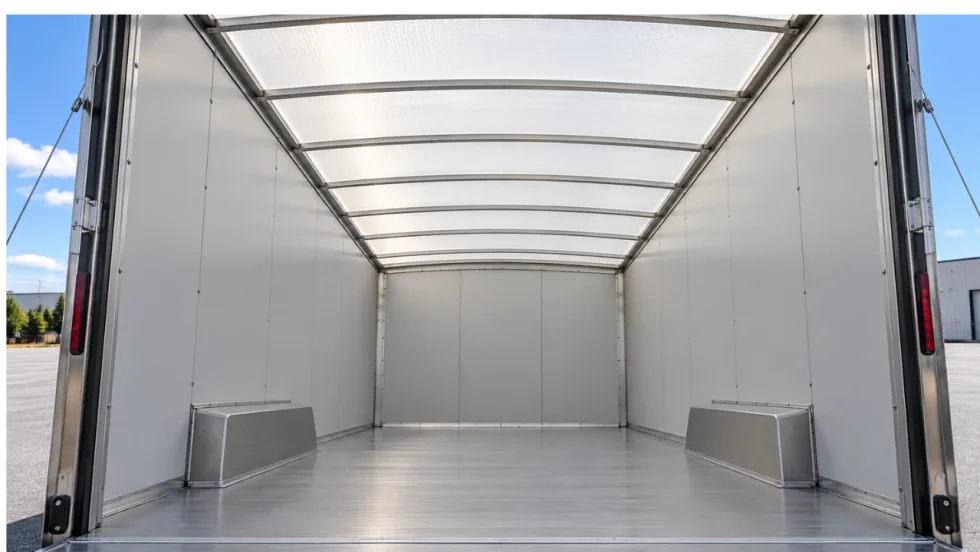
Tekmodo Introduces CargoBright Brand of Translucent Roofs
CargoBright is designed to diffuse daylight across the cargo area while performing as a working vehicle roof. Its reinforced composite construction is designed for impact, abrasion, moisture exposure, and UV exposure.
Read More →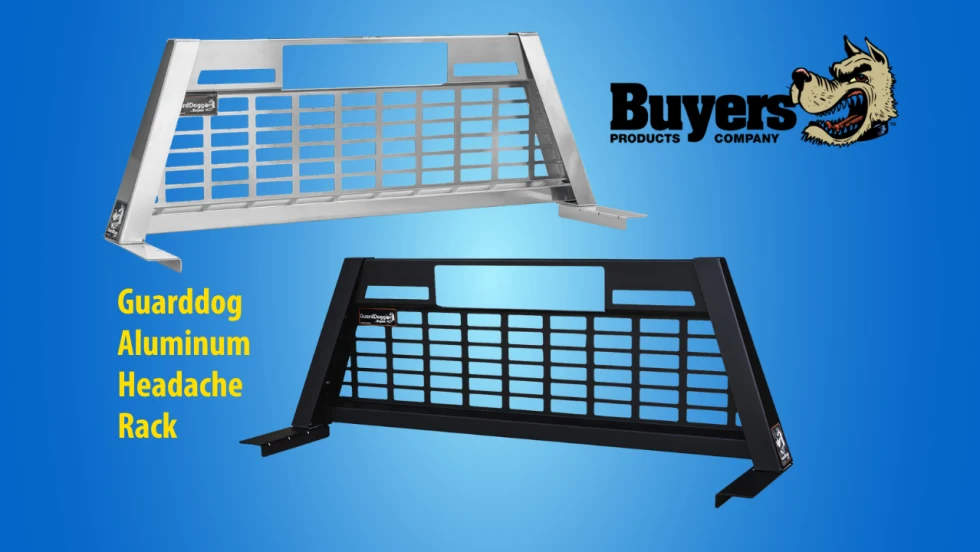
Buyers Products Expands Popular GuardDogg Headache Rack Line
Buyers Products’ aluminum GuardDogg headache rack is now available to contractors, construction crews, and utility fleets that want to reduce vehicle weight without sacrificing functionality.
Read More →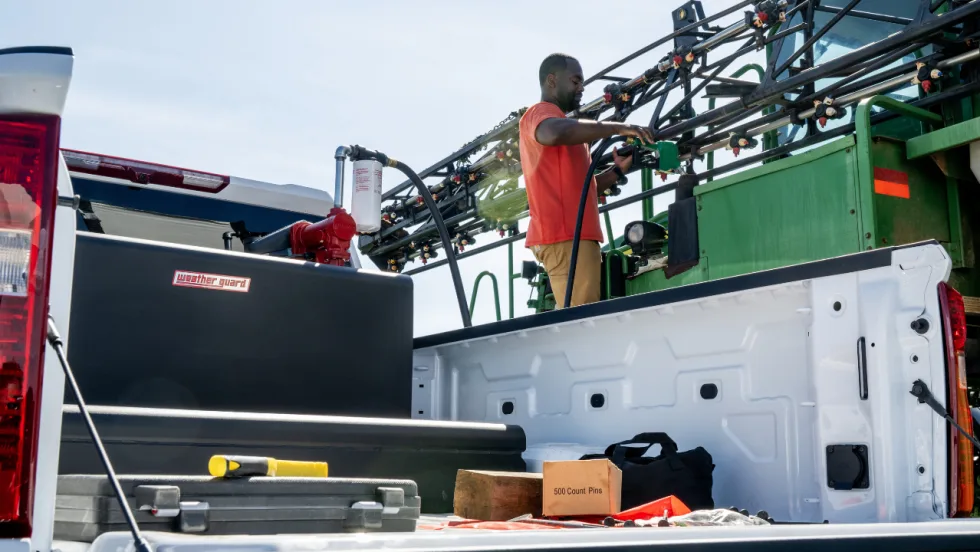
New Weather Guard Transfer Tank Engineered to Reduce Downtime and Improve Fleet Productivity
Weather Guard completely redesigned its line of transfer tanks to improve durability, simplify installation, and keep equipment running in demanding field conditions.
Read More →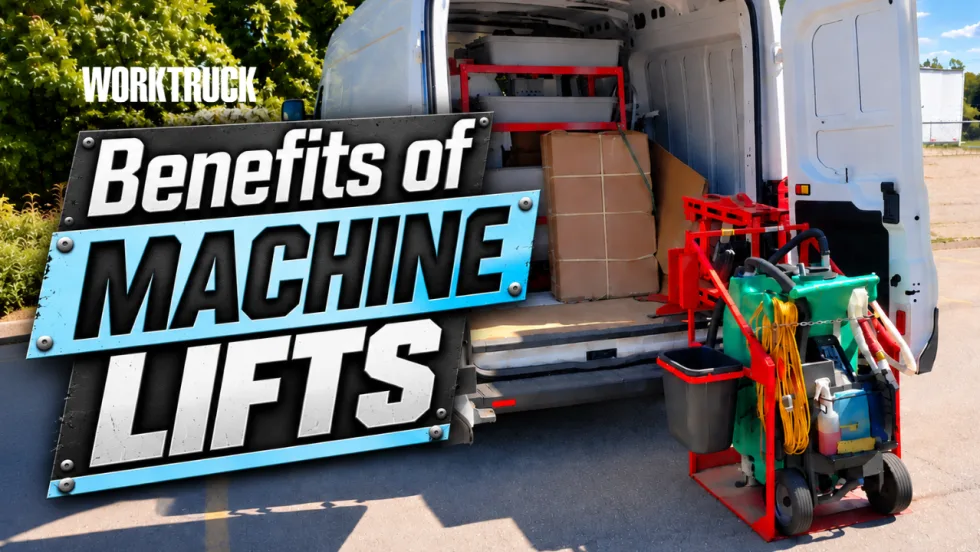
How Machine Lifts Drive Safety & Efficiency for Fleets
What is a machine lift, what fleets need them, and how do they improve safety and drive efficiency? What advantages do they have over ramps and liftgates?
Read More →