




3 Ways to Save with Propane Autogas
While modern diesel work trucks can leave fleet managers and owners shaking their heads at additional maintenance, costs, and downtime, using propane autogas helps eliminate those hidden costs and reduces fuel costs for an overall lower total cost-of-ownership.
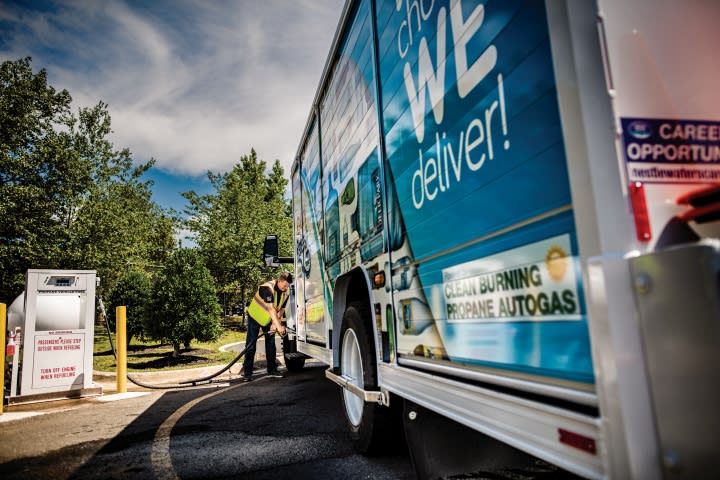
Propane autogas is widely available across the U.S. with a large network of propane retailers that can provide professional support for fleets. Photo courtesy of PERC
Propane autogas is recognized as the proven solution for fleets seeking reduced emissions, with new medium-duty propane autogas engine technology dramatically reducing harmful emissions such as nitrogen oxide (NOx) and greenhouse gases. But the fuel is also providing substantial lifetime cost savings for fleet managers and owners, especially as rapid changes in today’s engine technologies are making maintenance and repair costs for other fuels increasingly unpredictable.
One technique that has proven to aid fleet owners in identifying unexpected expenses is the "3 Fs Analysis" or fuel, fluids, and filters. By analyzing a fleet’s “3 Fs,” it is clear that compared to diesel, propane autogas engines will provide a lower total cost-of-ownership by reducing fuel and maintenance costs while eliminating unexpected repairs over the lifetime of a vehicle.
Fuel Costs
Propane autogas makes it easier to manage fuel budgets and meet annual budget objectives because the fuel cost does not fluctuate like traditional fuel prices can. Even during times of low diesel and gasoline prices, fleet owners are reducing their costs with propane autogas. Because the cost of wholesale propane falls between the price of oil and natural gas — the fuel’s two sources — propane autogas is consistently less expensive than both diesel and gasoline. Propane autogas on average costs as much as 50% less than gasoline and diesel.
Propane autogas is also widely available across the U.S. with a large network of propane retailers that can provide professional support for fleets, including assistance with the selection and installation of refueling infrastructure to fit the specific needs of each fleet. Establishing an annual fuel contract with a propane retailer can also further protect a fleet from fluctuations in fuel prices.

Propane autogas makes it easier to manage fuel budgets and meet annual budget objectives because the fuel cost does not fluctuate like traditional fuel prices can. Photo courtesy of PERC
Fluid Concerns
Lower-emissions diesel technology comes with many added costs and inconveniences. Diesel emissions fluid (DEF) is required for daily operation and must be monitored at all times. Failure to maintain the required DEF levels will affect vehicle performance and increase unexpected repairs and downtime. Propane autogas engines and emissions systems are less complex and do not require DEF for daily operation, which eliminates the added expense entirely. Also, diesel engines require more oil by volume compared to propane autogas, which increases preventive maintenance costs at each interval over the life of a vehicle.
Winter conditions can render diesel vehicles inoperable, requiring owners to tether their vehicles to engine block heaters for hours with no assurance the vehicle will crank when needed. In most regions, fuel conditioners are required to address fuel gelling issues. Propane autogas engines love cold weather and have no issues with the elements, making the fuel more affordable to operate.
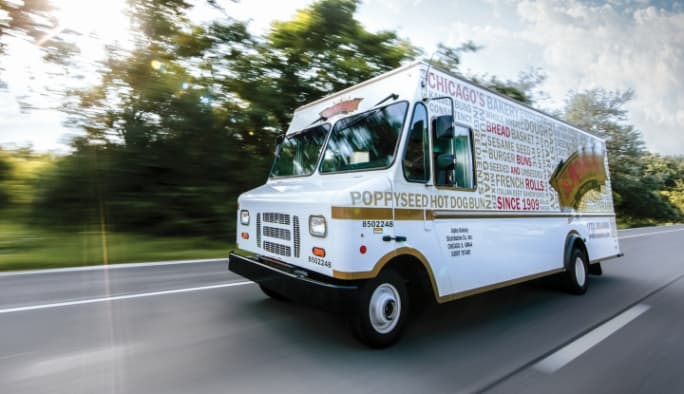
Propane autogas engines love cold weather and have no issues with the elements, making the fuel more affordable to operate. Photo courtesy of PERC
Filter Use
To meet emissions and fuel efficiency standards, new diesel technology requires a number of large and heavy components. Diesel particulate filters (DPF) are required for final-state regeneration of emissions before they exit the tailpipe. DPFs must be periodically cleaned to remove excessive particulate matter and ash that can clog the catalyst. Failure to properly maintain DPFs will lead to clogging and can result in an expensive cleaning or filter replacement as well as the downtime required to repair the vehicle.
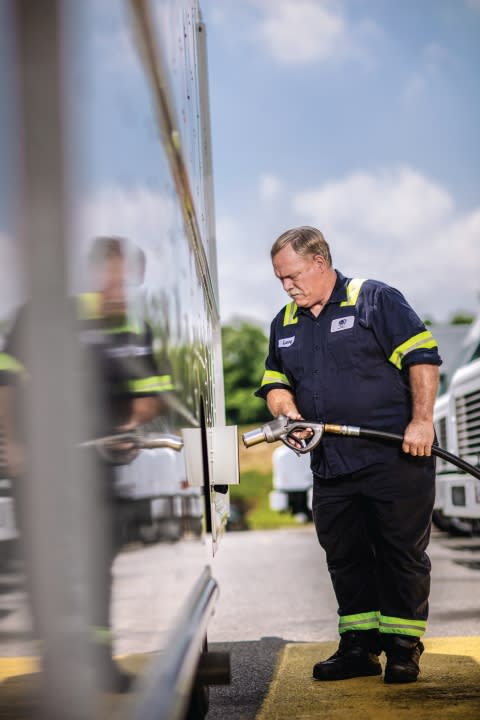
Propane autogas on average costs as much as 50% less than gasoline and diesel. Photo courtesy of PERC
Today's diesels are not designed for excessive idling, which has created additional challenges for fleets. Excessive idling for periods of more than five minutes consumes fuel and impacts performance and productivity because it increases the production of emissions — requiring more regenerations to remove the excessive pollutants. In addition to consuming excess fuel and increasing engine hours without adding miles, excessive idling can damage injectors, EGR valves and coolers, turbochargers, and DPFs, increasing downtime and maintenance and repair expenses.
While modern diesel work trucks can leave fleet managers and owners shaking their heads at additional maintenance, costs and downtime, using propane autogas eliminates those hidden costs for filters and fluids and reduces fuel costs for an overall lower total cost-of-ownership. To learn more about propane autogas work trucks, visit propane.com/on-road-fleets.
RELATED: Roush CleanTech President to Stay Focused on Classes 4-7
About the Author
Michael Taylor is the director of autogas business development for the Propane Education & Research Council. He can be reached at michael.taylor@propane.com.
More Green Fleet

Fleet Forward Conference Introduces One-Day Passes for 2026
New one-day registration gives fleet professionals the flexibility to attend Tuesday, Wednesday, or Thursday, with passes available for $199 through Sept. 18.
Read More →
CALSTART Rebrands as Catalyst Mobility, Will Combine with Forth in 2027
CALSTART has rebranded as Catalyst Mobility and will combine with Forth at the start of 2027. The new organization said it is poised to become one of the world's largest, strongest, and most impactful clean transportation nonprofits.
Read More →
Electric Truck and Charging Programs to Boost Sustainability at NY & NJ Ports
Together, the Port Authority of New York and New Jersey and CALSTART will electrify drayage and terminal operations serving the East Coast’s busiest container port. A pair of incentive programs totaling $45 million has launched to accelerate adoption of zero-emission drayage trucks and terminal tractors.
Read More →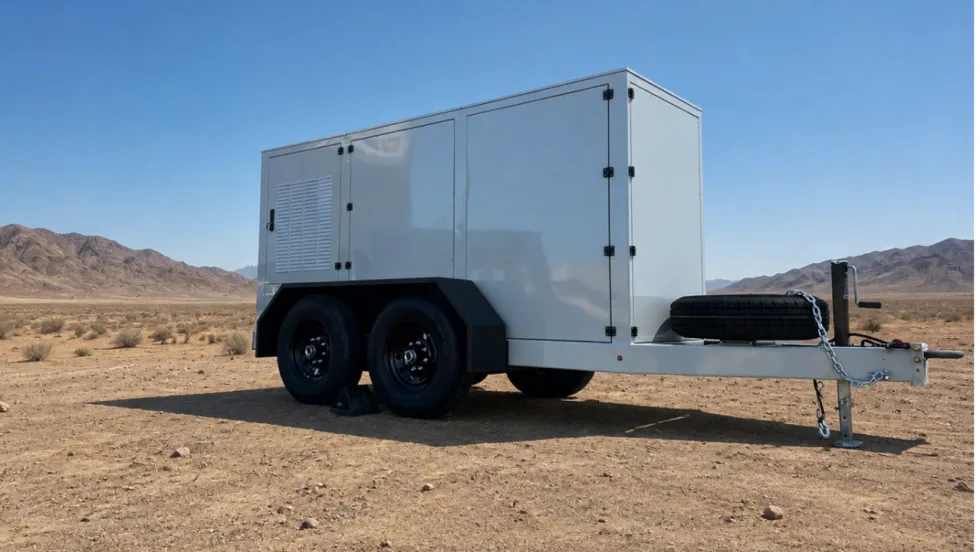
Xos Hub Surpasses One Gigawatt-Hour of Energy Delivered in the Field
A single Xos Hub has surpassed one gigawatt-hour of energy across more than 33,600 charging sessions in the field, demonstrating performance that supports Xos' expansion across new products and markets.
Read More →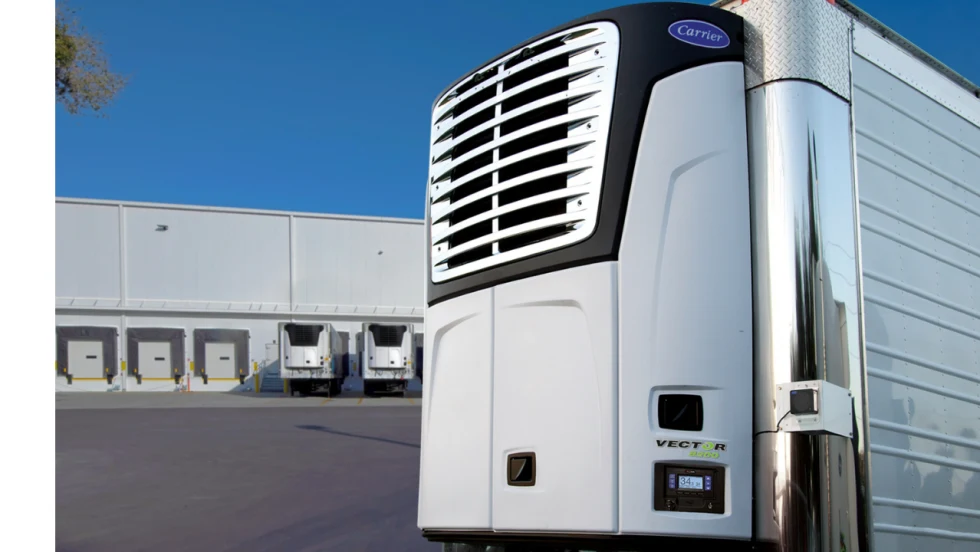
Carrier Transicold Launches All-Electric Vector 8200 TRU for Diesel-Free On-Site Cold Storage
Carrier Transicold’s first engineless multi-temperature TRU helps fresh- and frozen-food fleets add supplemental cold storage capacity during seasonal peaks.
Read More →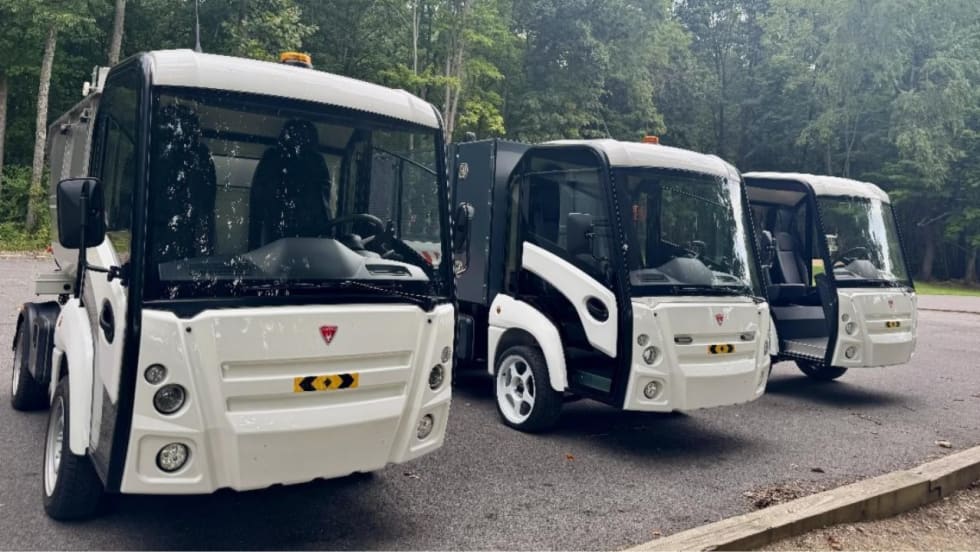
Narro Trucks Introduces Electric Utility Vehicle
Narro Trucks officially launched its operations on Aug. 20 and hosted a ride and drive to showcase its electric truck, which will be produced in Virginia.
Read More →
Samsung SDI Takes Full Control of GM Battery JV as Indiana Plant Pivots to Energy Storage
Samsung SDI is taking full control of its Indiana battery plant with GM, marking a major shift from the EV-focused joint venture Charged Fleet first covered in 2023.
Read More →
NWSA Taps CALSTART to Administer Zero-Emission Drayage Assistance Program
CALSTART will provide free technical assistance services to drayage fleets serving the Ports of Seattle and Tacoma and looking to transition to cleaner technologies and help decarbonize freight hubs.
Read More →
EV Fleet Reality Check: What Operators Wish They Knew Before Electrifying Their Work Vans
Electric work truck upfits bring new compatibility questions. Learn how parts availability, OEM guidance, power demands, and route planning can affect fleet performance.
Read More →
Peterbilt Expands Sourcewell Partnership with Electric Vehicle Lineup
Peterbilt Motors Company’s cooperative purchasing agreement with Sourcewell and its Canadian partner, Canoe Procurement Group, now includes including Peterbilt's battery-electric vehicle lineup.
Read More →