




Related: Improve Workplace Safety with QuickFit Oil Change System
3 Step Oil Change System Delivers Safety and ROI Benefits
Engineered to address the challenges associated with the traditional oil change, new systems and accessories streamline the entire oil change process.
by Emily Renton, Parker Hannifin
July 20, 2020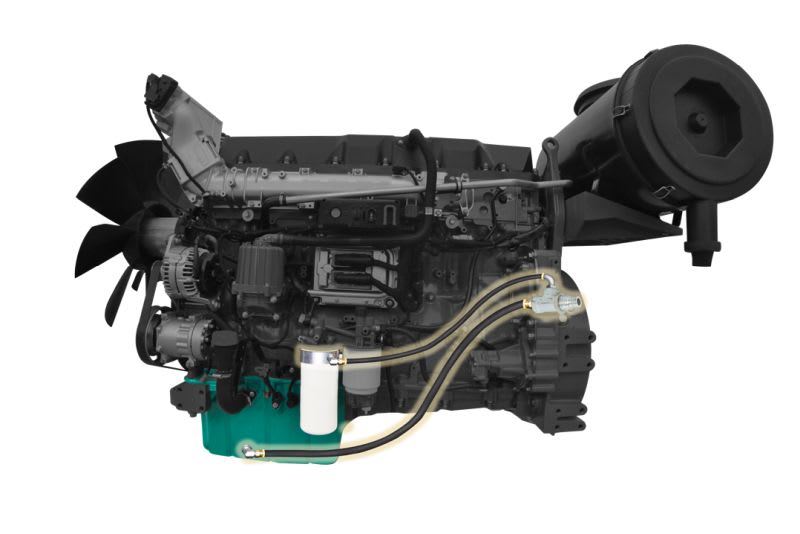
Parker Hannifin’s three-step QuickFit Oil Change System incorporates an easily accessible, single connection point to purge oil through the filter.
Photo: Parker Hannifin
4 min to read
A growing number of work truck fleet maintenance managers are capitalizing on the benefits of a modest capital investment that makes engine oil changes faster, safer and cleaner – as well as less costly in time and dollars.
Until recently, shops had no alternative but to follow the conventional procedures associated with oil changes. They include dealing with costly downtime, too much cleanup time for routine messes and accidental spills, and even technicians’ injuries such as cuts, contusions and burns.
Engineered to address the challenges associated with the traditional oil change, new systems and accessories streamline the entire oil change process. One example is Parker Hannifin’s three-step QuickFit Oil Change System. It incorporates an easily accessible, single connection point to purge oil through the filter, evacuate the used oil, and refill new oil in an efficient manner that reduces the time to do the work by as much as half. It also greatly reduces safety hazards and spills.
New Systems Standardize Oil Changes
Modern quick oil change systems vary in the degree to which they enhance the oil change process. The better, more complete three-step systems bring a more standardized process to the age-old oil change task, resulting in a reduction in operating costs, maintenance time, and training efforts for fleet maintenance technicians.
A typical three-step system includes valves and fittings, a pressure hose, suction hose, bracket (if required), an installation guide, and operation instructions. Other equipment such as air compressors and suction and refill pumps typically are already available in most shops and mobile service trucks.
Most work truck fleet operators can benefit from an investment in enhancing their oil change process. The new systems are particularly well suited for those who administer regularly scheduled maintenance routines. Many in the construction and rental fleet business thoroughly understand the return on investment (ROI) on each piece of machinery under their wing and know the value they can gain from regular maintenance.
Where Can You Improve Your Shop Process?
Adding capital equipment to a shop can be a hurdle that is difficult to overcome. But savvy maintenance managers who do careful walk-throughs will identify where oil change process enhancements can be made.
For example, do your techs need to crawl under engines to reach oil pan drains? Are vehicles hoisted on lifts? Do you see evidence of spills? How many rags or wipes are consumed during the process. How much time is spent on each oil change?
New oil change systems help in the areas described above. Leading the charge in enhancing the oil change process and delivering measurable benefits for work truck fleet managers is the new three-step system.
From one single point connection, techs can:
Purge oil filters
Evacuate the old oil with suction equipment directly to final waste containment.
Refill the engine and crankcase.
All of the work is accomplished at a single connection point in fewer than 30 minutes.
Modern quick oil change systems are great for fleets of vehicles with cramped engine compartments that present safety and ergonomic risks for techs. Removing dirty filters and accessing drain plugs can be difficult and messy. What’s more, many fleets have multiple models of trucks and equipment that require techs to be trained so they are familiar with their particular oil change drains and filler tubes.
Regardless of engine makes and models, quick-fit systems reduce the total number of steps in the oil change process, eliminate risks of safety hazards and spills, and reduce consumption of rags and wipes.
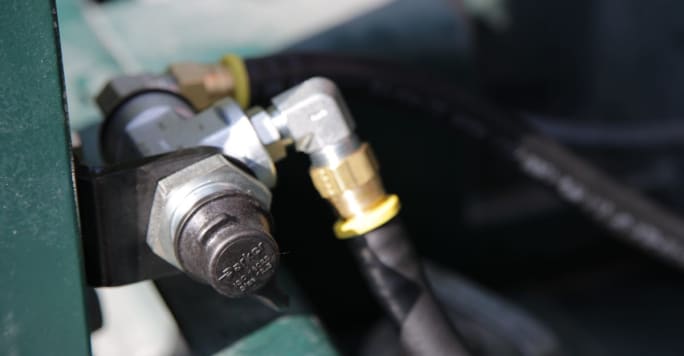
Modern quick oil change systems are great for fleets of vehicles with cramped engine compartments that present safety and ergonomic risks for techs.
Photo: Parker Hannifin
Calculate Your ROI
Fleet managers considering installing a quick, three-step oil change system can ask the system’s rep for an ROI calculator. It can show managers whether and where they can realize improvements in their oil change process. The ROI calculator can demonstrate what can be gained through time-savings and how many fewer consumables will be required, as well as the improvements in each vehicle’s revenue potential via increased uptime.
The average payback period is 18 months for those who invest in a three-step oil change system. For the fleet with an average ownership of three years per vehicle, the last 18 months of their ownership of vehicles equipped with quick oil change systems actually can be a moneymaking time period.
More and more shop managers are seeing the switch to an easy, quick three-step oil change system as a no-brainer. They are quickly realizing the value they gain compared to the conventional procedures.
About the Author: Emily Renton is the product sales manager for Parker Hannifin.
Subscribe to Our Newsletter
More Maintenance
Les Schwab Expands Commercial Tire Footprint Into Arizona
Les Schwab Tires has expanded into Arizona with two commercial tire locations in Phoenix and Tucson, strengthening its fleet service footprint in the Southwest.
Read More →
Volvo Trucks’ 'Lock and Leave' Software Updates Go Live Across North America
Unattended over-the-air software updates are now available in Volvo trucks across the U.S. and Canada. The new capability lets trucks stay current with the latest software without interrupting operations or requiring a dealership visit.
Read More →
Why Technician Appreciation Can’t Be a Once-a-Year Thought
For fleets trying to keep skilled technicians, recognition cannot begin and end with Technician Appreciation Week. Learn what year-round appreciation really looks like and why the everyday technician experience matters just as much as pay when fleets are trying to keep good people.
Read More →
How Faster Driver Reporting Can Keep Small Truck Problems Small
When minor damage, warning lights, or equipment issues are reported late, small problems can quickly become bigger maintenance headaches. Conversational AI can help shorten the path from what a driver notices in the field to the person who can act on it.
Read More →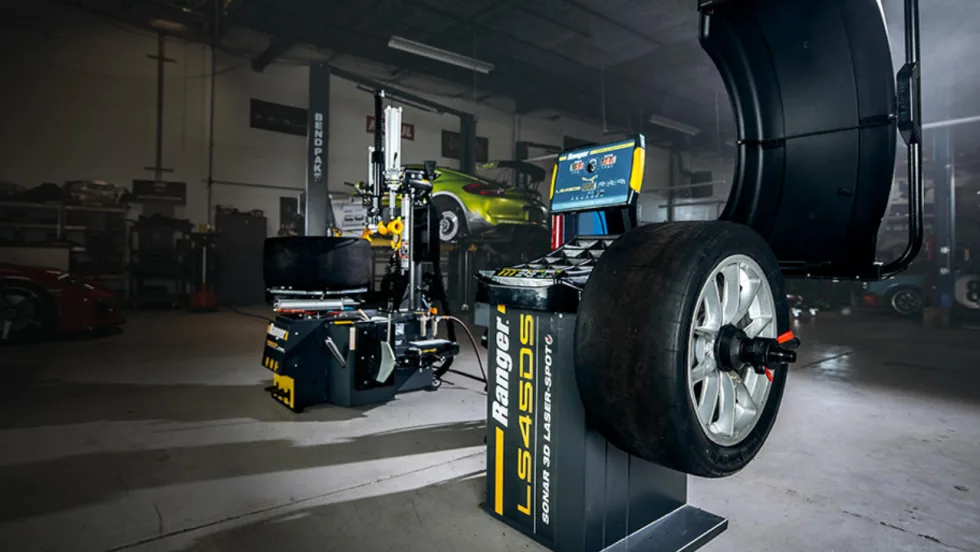
BendPak’s Ranger Wheel Service Equipment Achieves North American Safety Certification
BendPak’s full line of Ranger tire changers and wheel balancers has been ETL certified to UL and CSA standards to improve operator safety.
Read More →
Isuzu & U.S. Department of Labor Celebrate Milestone for Veterans Apprenticeship Program
The Isuzu Veterans Apprenticeship Program (IVAP) signing ceremony highlighted Isuzu’s long-term commitment to veterans, Isuzu dealers, and the skilled workforce supporting its customers and the commercial transportation industry.
Read More →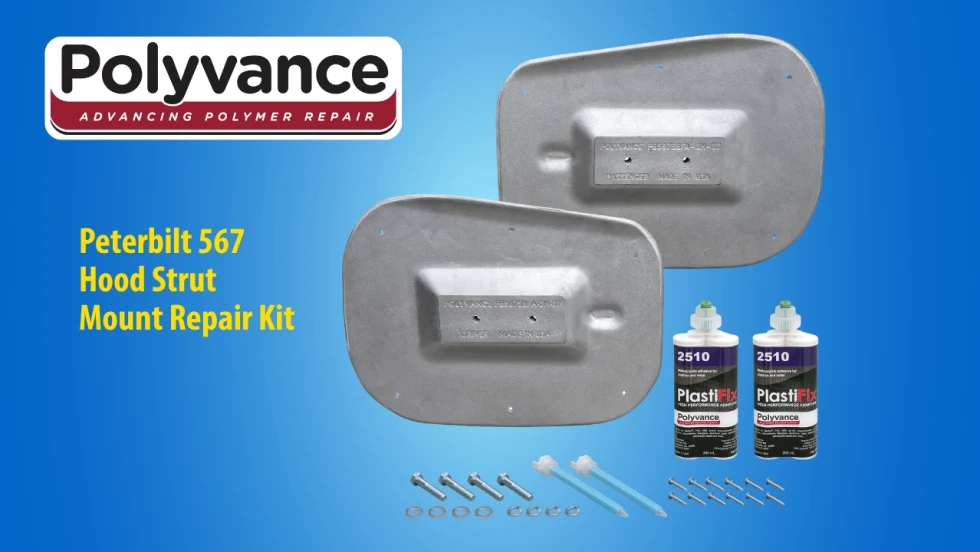
Polyvance Introduces New Peterbilt 567 Hood Strut Mount Repair Kit
Polyvance has launched a repair solution for Peterbilt 567 hood struts, helping truck owners and repair facilities avoid costly hood replacements.
Read More →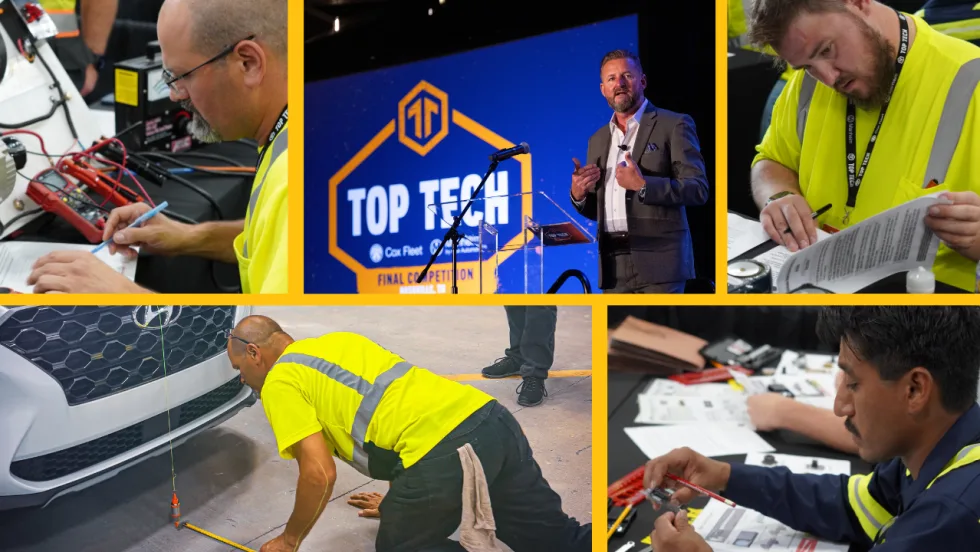
Cox Automotive Celebrates Technical Excellence at 2026 Top Tech Finals
The top technicians from Cox Fleet and Manheim tested their skills in Nashville, Tennessee, at Cox Automotive’s 2026 Top Tech Finals. The overall winners will advance to compete at the American Trucking Association’s TMC SuperTech competition.
Read More →
Grote Industries Appoints Vice President of North American Operations
Grote Industries has appointed Patrick Smith as vice president of North American operations as it celebrates 125 years of innovation and manufacturing excellence. He has more than 20 years of manufacturing leadership experience.
Read More →
Winter Fleet Prep: Expert Tips to Keep Vehicles Running Smoothly
Cold weather can expose weak batteries, tires, fuel systems, and maintenance gaps fast. Use this winter fleet checklist to prepare trucks and drivers before temperatures drop.
Read More →