




2007 Toyota Tundra Blends V-8 Power with Sport Styling
Offered in 31 model configurations, the all-new next-generation Toyota Tundra full-size pickup borrows some sporty styling cues from the FTX Concept while maintaining its uncompromising resilience.
by Chad Simon
February 2, 2007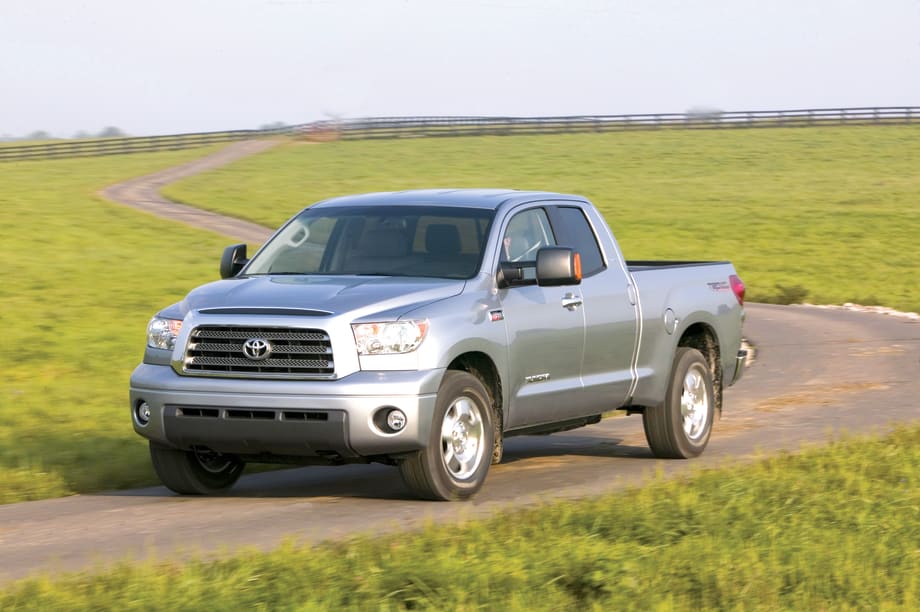
With 31 model configurations, the 2007 Tundra is offered in three trim levels.
Photo: Toyota
3 min to read
Unveiled to the media last fall in Louisville, Ky., Toyota’s all-new next-generation full-size Tundra pickup has been completely redesigned for the 2007-MY. Mammoth in size and equipped with a knockout V-8 punch, the new Tundra is 10 inches longer, five inches taller, and four inches wider than its predecessor.
Built entirely in the U.S., Toyota set its sights on “Americanizing” the Tundra to compete in the domestic light-truck market.
With 31 model configurations, the 2007 Tundra is offered in three trim levels (Base, SR5, Limited), three cabs (Regular, Double, CrewMax), three wheelbases (126.8, 145.7, 164.6 inches), and three bed lengths (5.5, 6.5, 8 feet). All beds are 22.2 inches deep, and CrewMax — not currently fleet available — and Double cabs seat up to six passengers.
Styling Inspired by FTX Concept
Sporty and agile in complexion, the 2007 Tundra was styled after the FTX Concept, which debuted in 2004. Borrowed exterior styling features include a pronounced trapezoidal grille, high-mounted jewel-like headlamps, 18-inch wheels, and rounded, athletic body.
Inside, the Tundra also adopted the FTX “command and control” philosophy, which provides the driver an unobstructed view of the road and easy access to all knobs and controls. The truck’s adaptable interior is designed to fulfill workstation, comfort, and storage needs.
For maximized cargo capacity, the Regular Cab features a 40/20/40 front bench seat and passenger fold flat, while in Double and CrewMax cabs, rear seat backs fold flat into the floor.
Packing V-8 Power
Still reputed as a tough and rugged work truck, the Tundra hasn’t compromised its grit for glamour. It can tow up to 10,800 lbs. when equipped with Toyota’s Tow Package featuring the tow/haul shift mode. The Tundra’s powerful 4.0L V-6 236 hp and standard 4.7L i-Force V-8 271-hp engines are mated to a 5-speed automatic transmission, while the all-new 5.7L i-Force V-8 381-hp engine carries a 6-speed automatic.
All three integrate electronic throttle control and variable valve timing with intelligence and both V-8s are available in four-wheel drive. Depending on the powertrain, the 2007 Tundra’s EPA-estimated fuel economy ranges between 14 mpg (city) and 20 mpg (highway).
Standard Safety Features
The Tundra’s STAR safety system comprises a host of standard safety features, including an automatic limited-slip differential, providing some wheel slip for better acceleration in snow or mud. Vehicle stability control integrates traction control, helping to keep the truck on the road by automatically applying the brakes to individual wheels when the system detects front- and rear-wheel slide.
Four-wheel anti-lock brakes with electronic brake-force distribution and brake assist maximize brake pressure for better control. The Tundra is also equipped with standard front- and rear-seat side and roll-sensing side-curtain airbags.
Options and Warranty
Options include a navigation system, backup video camera, and dual-zone automatic climate control (standard in Limited models). The 2007 Tundra is backed by a basic 36-month/36,000-mile warranty.
Originally posted on Automotive Fleet
Subscribe to Our Newsletter
More Vehicle Insights
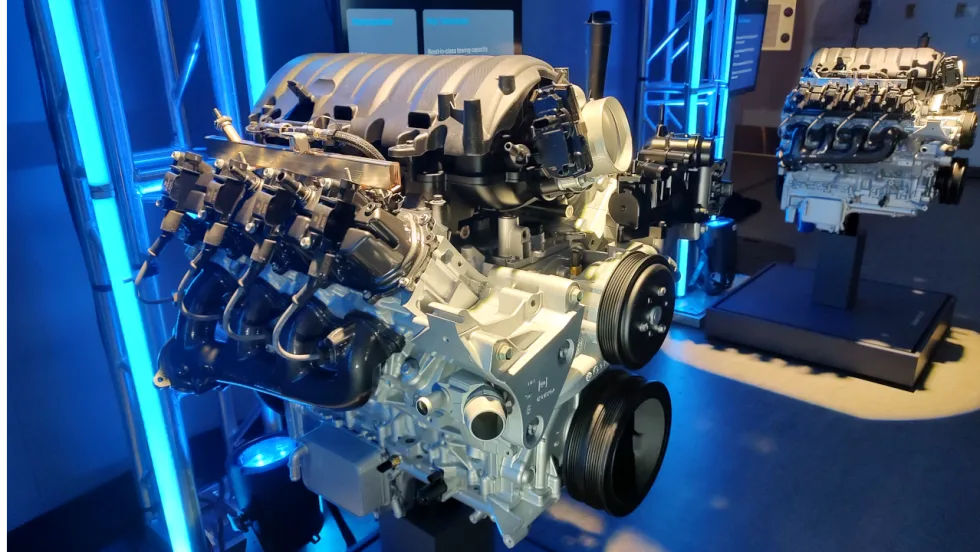
GM Unveils New Sixth-Generation Small Block Engines for 2027 Light-Duty Pickups
General Motors unveiled two new small-block engines, backed by extensive real-world validation and more than 70 years of small-block V8 manufacturing experience, as part of the engine portfolio for the 2027 Chevrolet Silverado 1500 and GMC Sierra 1500.
Read More →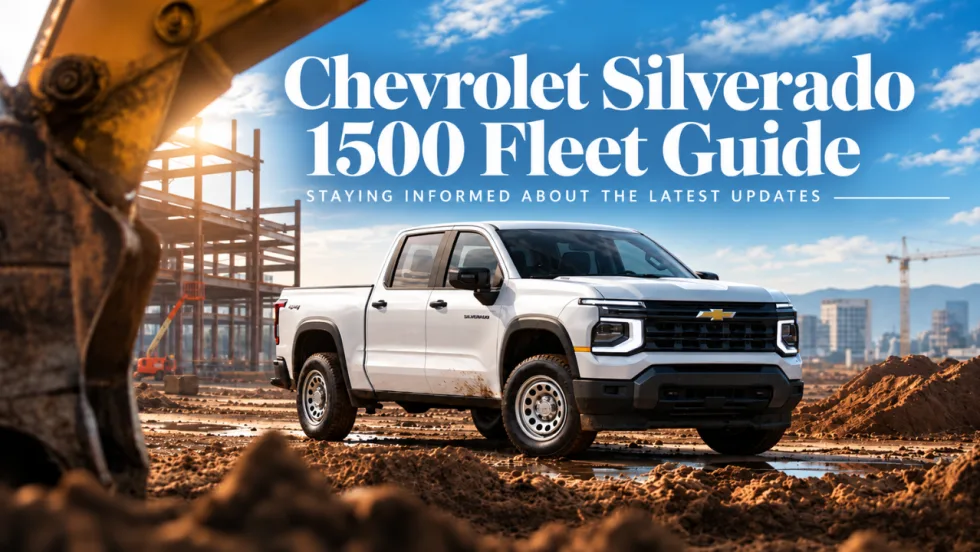
Chevrolet Silverado 1500 Fleet Guide Specs Capability and 2027 Model-Year Updates
The next-generation 2027 Chevrolet Silverado 1500 brings new V-8 engines, updated technology, expanded safety features, and a fleet-focused Work Truck. Here’s what commercial fleets need to know so far.
Read More →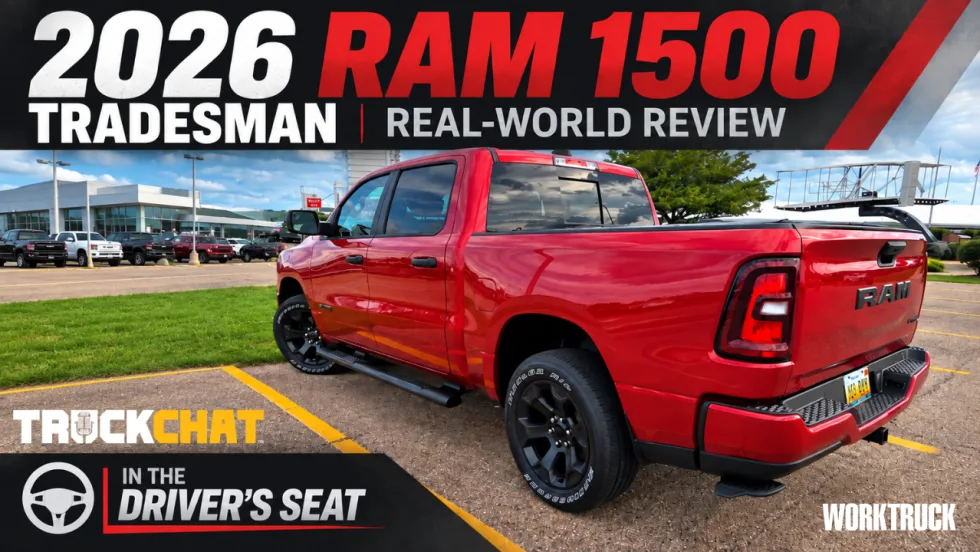
2026 Ram 1500 Tradesman Put to a Real-World Fleet Test
A few days behind the wheel of a 2026 Ram 1500 Tradesman turned into a test of visibility, parking, work-ready features, and even severe-weather driving.
Read More →
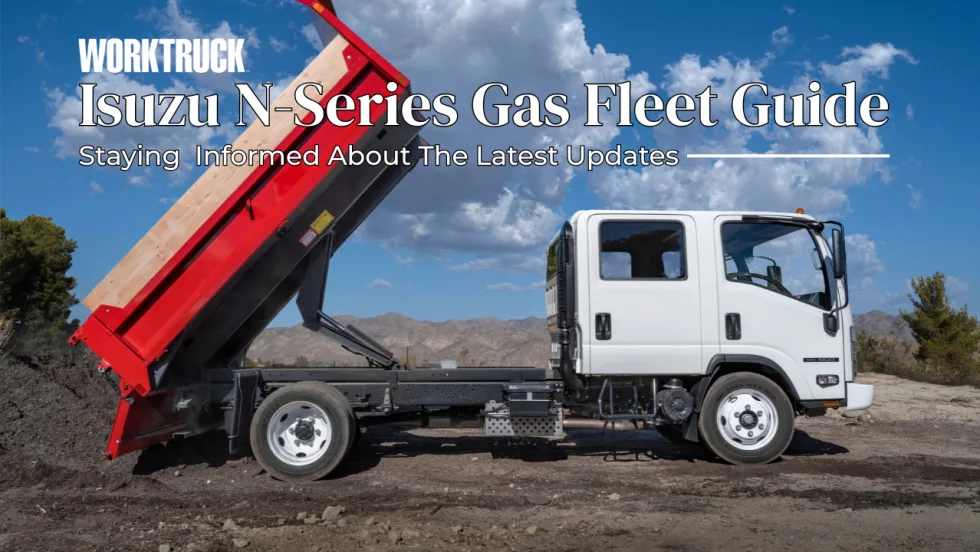
Isuzu N-Series Gas Fleet Guide: Specs, Capability and 2027 Model-Year Updates
Explore Isuzu Truck North America’s N-Series Gas fleet specs, engine performance, GVWR and payload capability, configurations, chassis dimensions, work-focused features, and 2027 model-year information.
Read More →
Ram ProMaster City Fleet Guide Specs Cargo Capacity and 2027 Updates
Work Truck’s Ram ProMaster City Fleet Guide tracks the latest specifications, cargo capability, configurations, fleet technology, pricing, and model-year updates for Ram’s mid-size commercial van.
Read More →
Ford F-150 Fleet Guide Specs Capability and 2026 Model-Year Updates
Explore 2026 Ford F-150 fleet specs, engines, towing and payload capability, configurations, work features, technology, and model-year updates.
Read More →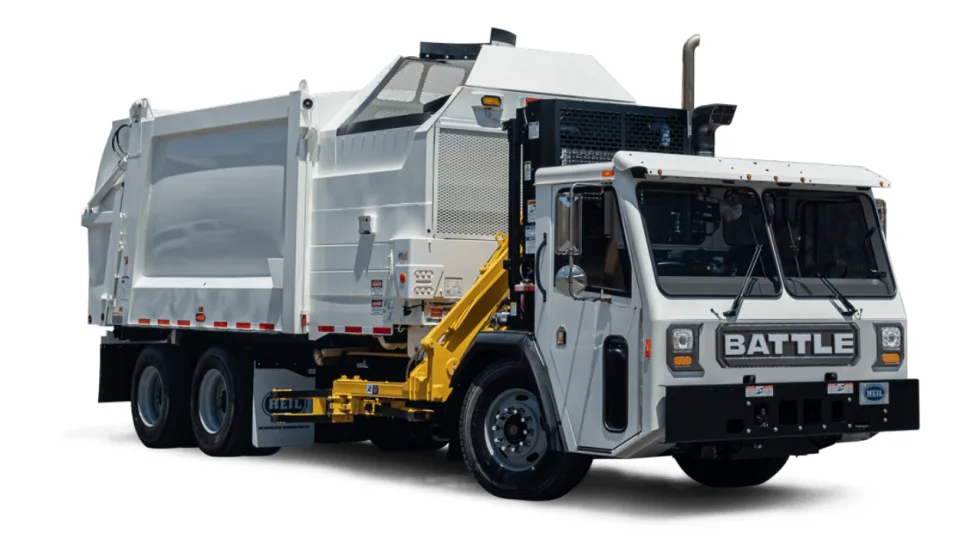
TCI Now Sells & Supports Battle Motors’ Vocational Trucks
Midwest truck dealer Truck Centers, Inc. (TCI) has expanded its transportation solutions with sales and service support for Battle Motors’ heavy-duty vocational trucks at locations in locations in Indiana, Illinois, and Missouri
Read More →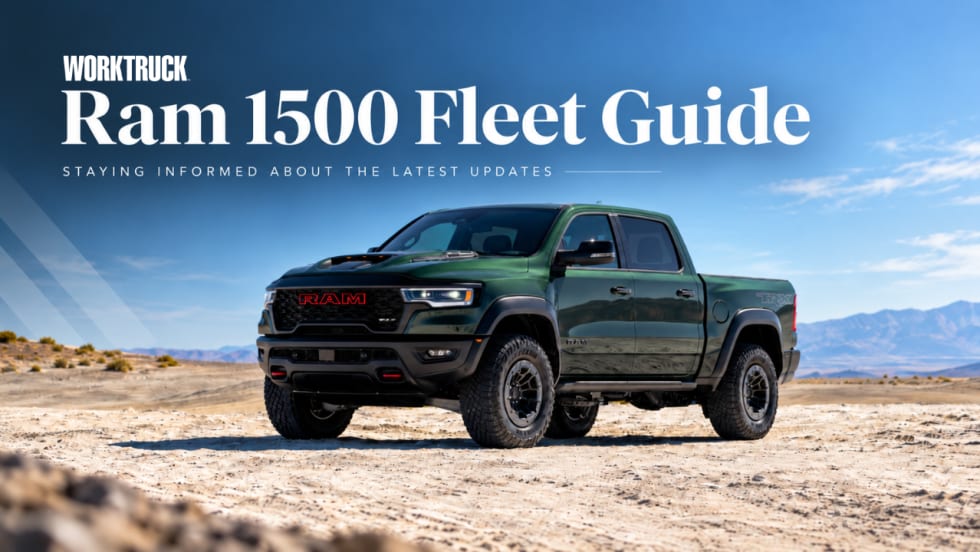
Ram 1500 Fleet Guide Specs, Capability and 2027 Model-Year Updates
Explore always up-to-date Ram 1500 fleet specs, engines, towing and payload capability, configurations, technology, pricing updates, and model-year changes.
Read More →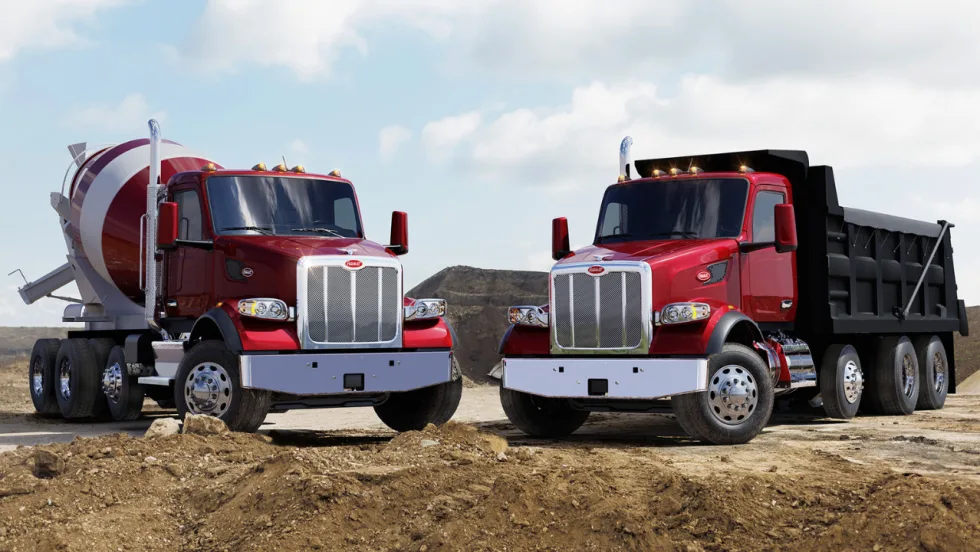
Peterbilt Trucks Equipped with Paccar TX-18 Pro Boost Efficiency for Maryland Fleet
Patuxent Companies is replacing aging trucks with the Peterbilt Model 567 and Model 589, specified with the Paccar TX-18 Pro 18-speed automated transmissions, and is reporting an 8% to 10% improvement in fuel economy.
Read More →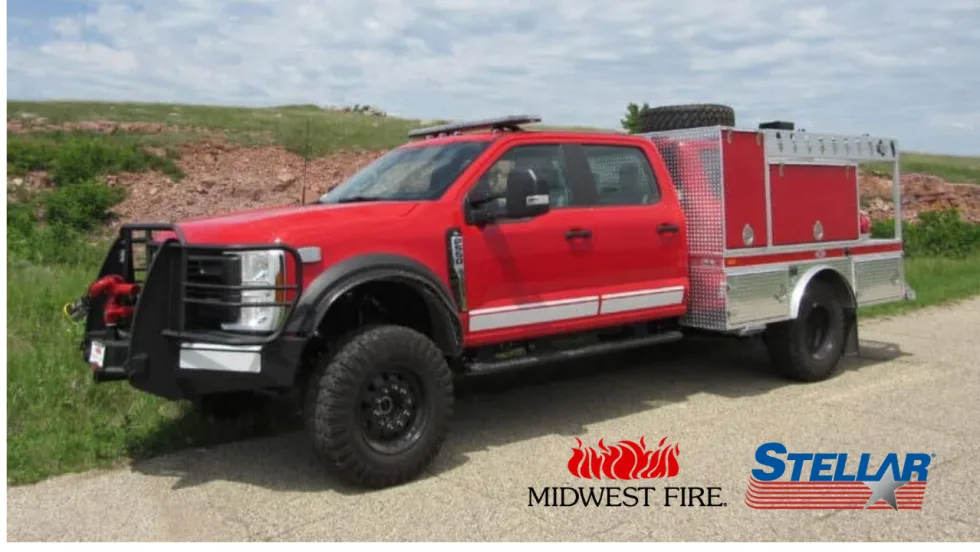
Stellar Expands into Fire Apparatus Market with Acquisition of Midwest Fire
Stellar Industries has acquired Midwest Fire, a custom fire apparatus manufacturer headquartered in Luverne, Minnesota, with nearly four decades of specialized apparatus experience.
Read More →