




EPA to Require Sensors for Emissions in 2010
WASHINGTON – The U.S. Environmental Protection Agency (EPA) has issued its final rule requiring heavy-truck manufacturers to install onboard diagnostic systems starting in 2010 to alert drivers when engine emission systems are malfunctioning or deteriorating.
WASHINGTON – The U.S. Environmental Protection Agency (EPA) has issued its final rule requiring heavy-truck manufacturers to install onboard diagnostic systems starting in 2010 to alert drivers when engine emission systems are malfunctioning or deteriorating, according to Transport Topics.
The rule, modeled after one by the California Air Resources Board (CARB), is a follow-up action to ensure compliance with EPA’s emission regulations. The agency said it will reduce overall diesel emissions by more than 90 percent.
EPA said the rule was formally approved on Dec. 4, 2008, but at press time it had not yet been published in the Federal Register.
The requirement will provide truckers with a dashboard malfunction indicator light and diagnostic trouble codes similar to those that have been commonplace on passenger vehicles since the mid-90s.
A provision in the rule also will require manufacturers to make available information necessary for mechanics to perform repairs and maintenance service on OBD systems and related components.
Joseph Suchecki, a spokesman for the Engine Manufacturers Association, said the group is happy that many of its initial concerns with the proposed regulation were eliminated in the final rule, according to Transport Topics.
“We’re actually pleased with the job the EPA had done in changing the rule, providing some additional flexibility for us,” Suchecki said.
One of EPA’s major concessions, he said, was providing more flexibility in terms of nitrogen oxides and particulate matter sensors that have not yet been fully developed.
EPA estimates the new dashboard warning light will cost only $60-$70 per engine, but Suchecki said EMA thinks it will cost more.
Nonetheless, officials with both EMA and American Trucking Associations (ATA) said they were happy EPA set a single national OBD standard.
“We are pleased any time we have harmonization of a national standard, where there’s a one-size-fits-all,” said Glen Kedzie, ATA’s vice president and environmental affairs counsel. “We don’t want individual states to get too far out in front of other states.”
“At least we know what we’re getting into, wherever we are in the country, and it makes life easier for the manufacturers, knowing that they can develop one product line and be compliant in all 50 states,” Kedzie added.
But Kedzie said it remains to be seen just how accurate and durable the new sensor units will be.
The 475-page rule, highly technical and detailed, will apply to 2010 and later model-year engines and will be phased in gradually. Beginning in 2010, engine manufacturers will be required to produce one engine line for heavy-duty trucks that complies with the new rule. By 2013, the dashboard lights will be mandatory for all highway engines.
Without the warning device, a driver could easily not notice emission problems, the EPA regulation said.
In earlier public written comments, EMA and other groups expressed concern engine manufacturers would be challenged to meet the OBD requirements on time.
For example, the National Automobile Dealers Associations said the OBD rule would “require a major investment of manufacturer resources to invent the monitoring technology and develop it to a point that it can be used with confidence on 2010 and later engines.”
But in response, EPA said the sensors needed to comply with the requirements already are available and that the agency believes “they will exist in time for 2013 compliance, and we will keep abreast of technological advances in the coming years in case our requirements have to be modified.”
California’s OBD regulation gained EPA’s final approval in September. The agency said the new federal onboard requirements are largely consistent with the CARB rule.
More Safety

ASE Aligns Automotive Service Professionals Month With Spring and Fall Vehicle Maintenance Campaigns
ASE will move Automotive Service Professionals Month to April and October beginning in 2026-2027, aligning recognition with Car Care Month events.
Read More →
Turning Connected Vehicle Data Into Decisions That Matter
Fleet leaders have more data than ever, but turning that data into clear, actionable decisions remains a challenge. This white paper shows how leading organizations are using connected vehicle data to improve safety, reduce costs, and optimize fleet performance. Learn how to turn insight into action across your fleet.
Read More →
Driver Retention: Motive Automates Driver Coaching & Driver Rewards
New automated rewards and recognition capabilities from Motive can help organizations engage drivers, reinforce positive behavior, and reduce turnover. AI Coach has also been updated to deliver personalized feedback across safety, fuel, and compliance.
Read More →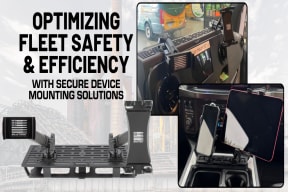

Experts Forecast Broader Impact of Wildfires in 2026
This year’s wildfire season will likely be more intense than in 2025. The 2026 wildfire forecast from AccuWeather is for fewer fires, but even more acreage will be impacted this year.
Read More →
A Walkthrough of the DataQs Process
Bad data on your carrier record can cost you. Here’s how DataQs helps fleets challenge errors before they hit CSA scores, insurance, and your bottom line.
Read More →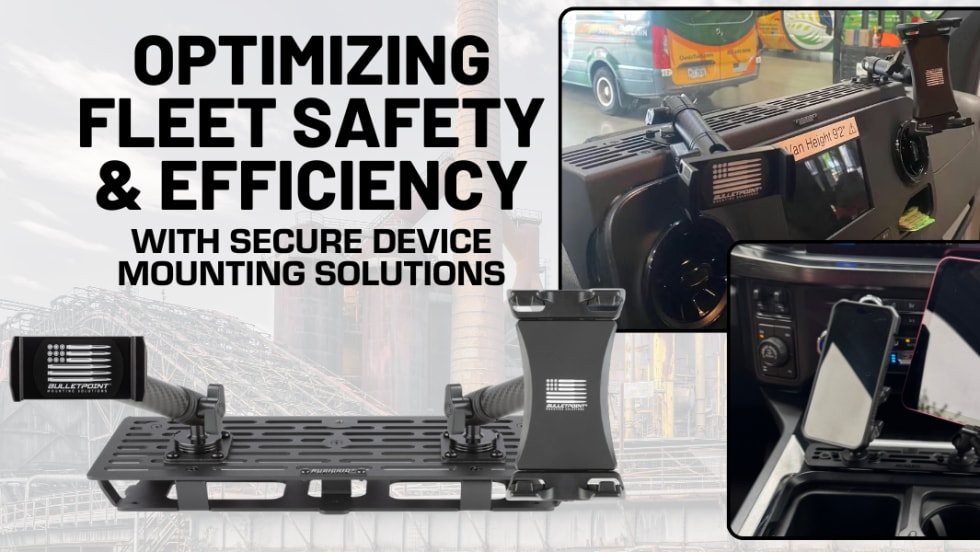
Optimizing Fleet Safety with Secure Device Integration
Unsecured devices are a hidden liability. Learn how precision-engineered mounting solutions enhance driver safety, streamline workflows and protect your technology.
Read More →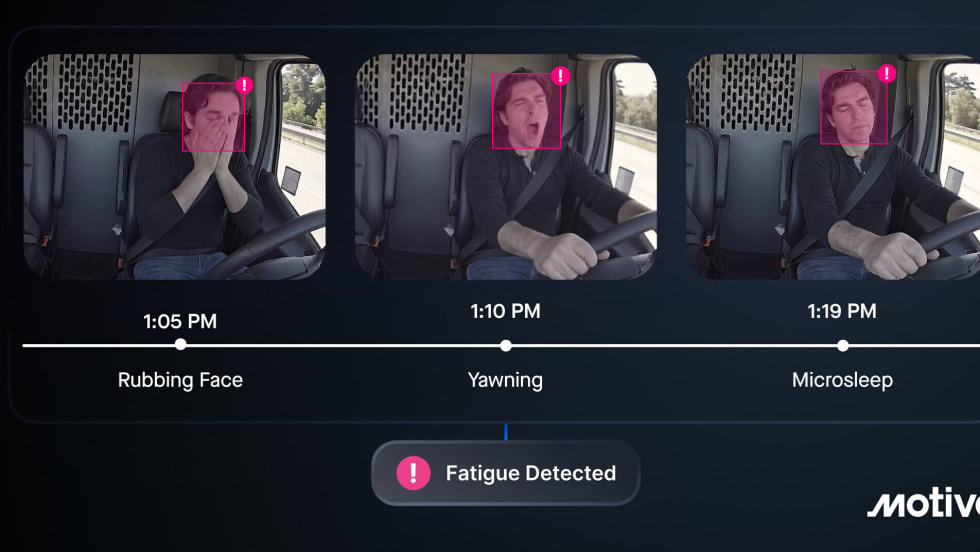
Motive Launches New Edge AI Capabilities to Help Prevent Collisions and Capture Critical Incidents in Real-Time
New AI models from Motive can detect signs of fatigue and eating, plus capture low-severity collisions often missed by telematics.
Read More →
Pro-Vision Acquires Convoy Technologies to Expand Fleet Safety and Video Solutions
Pro-Vision has acquired Convoy Technologies in a deal it said will broaden customer relationships and add specialized vehicle video capabilities for commercial fleets.
Read More →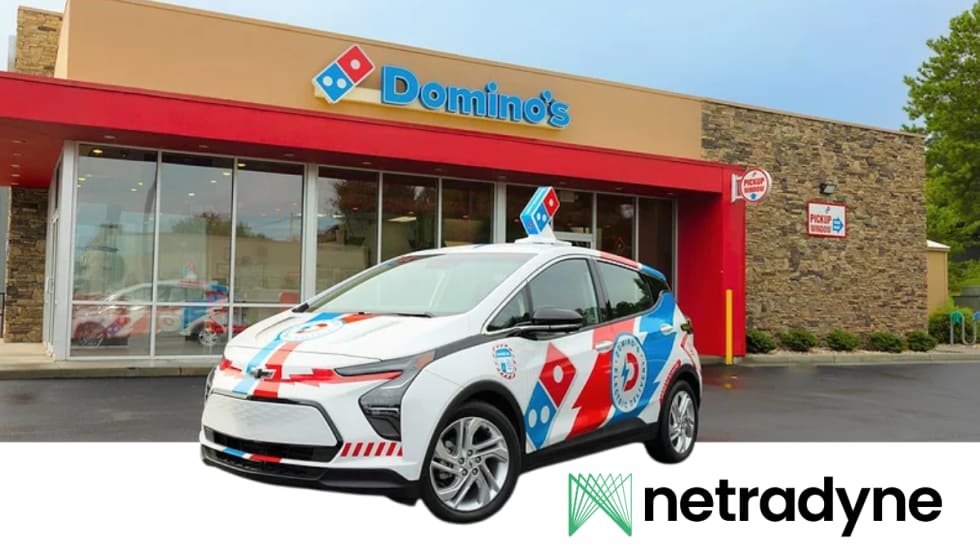
Netradyne Delivers 66% Reduction in At-Fault Crashes Across Domino's Franchise Network
Five Domino's franchises and more than 1,000 vehicles are now running on Netradyne's AI-powered fleet safety and performance platform. Designed for fleets that use personal or non-owned vehicles, FlexMount allows drivers to quickly install and remove Driver-i.
Read More →
Milwaukee Introduces BOLT Personal Voltage Detector for Enhanced Jobsite Safety
Milwaukee Tool’s new BOLT Personal Voltage Detector features a wide detection field and clearer voltage alerts to help users quickly identify the presence of voltage.
Read More →