





Fleet Tips: How to Match the Right Oil to a Truck Engine
Fleet 101: Understanding Direct vs. Port Injection in Engines
Today, we use fuel injection to get our engines running, and there are two main ways to make this mixture happen in an internal combustion engine – direct injection or port injection. But what, exactly, do they do?
November 18, 2019
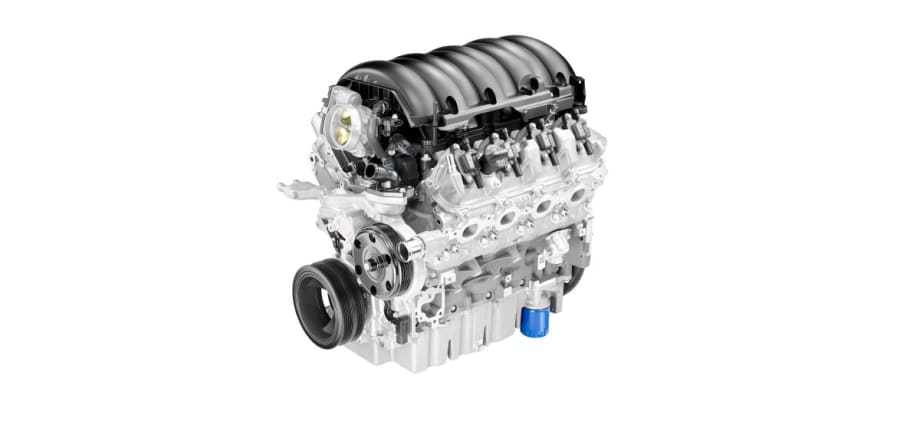
The all-new 6.6L gas engines for the Chevrolet Silverado HD feature direct-injection technology.
Photo: General Motors
4 min to read
Truck engines have changed a bit since the first automobiles hit the road, but the basic premise for gasoline engines is the same: you need fuel, oxygen, and a spark to make it work. Diesel engines have no spark plug, using the heat of compressed air to ignite the fuel.
At the fundamental level, fuel is delivered by injecting it via a calculated burst of a fine spray into the combustion chamber of an engine.
With fuel prices continuing to fluctuate, ensuring you are operating the most fuel-efficient fleet possible is top of mind for many commercial fleet operators.
When Did Vehicles Start Using Fuel Injection Systems?
Initially, the way to mix the fuel with air was through a carburetor, patented in 1872. With the updated needs of catalytic converters, carburetors were no longer efficient.
Today, we use fuel injection, and there are two main ways to make this mixture happen in an internal combustion engine – direct injection or port injection.
But, is port injection better than direct injection? And just what are the advantages of direct injection over port injection?
The Basics: Fuel Injection 101
First, we start with the basics. What is fuel injection in the first place?
At the top-level, fuel injection is the process of introducing fuel to your internal combustion engine. According to JD Power, it was way back in the 1930s when the first mass-produced diesel passenger cars with fuel injectors hit the road.
Carburetors were the device of choice in the early days of driving, which did not require electricity to run. These devices used the engine's natural air suction to function. In the 1980s, things changed as technology continued to advance.
Direct Injection Engine vs. Port Fuel Injection Engine
Next, we go a little deeper: What is a direct fuel injection system, and why does this matter in internal combustion engines?
Direct-injection engines have been around for quite some time, used in fighter aircraft in World War II. It is the fuel delivery method where fuel is injected directly into the combustion chamber.
“With a direct-injection engine, the fuel is atomized by the extreme pressure used to inject it – up to 2,200 pounds per square inch (psi) on the all-new 6.6L V-8 gas engines offered on the 2020 Chevrolet Silverado HD,” explained Mike Kociba, assistant chief engineer of Small Block engines for General Motors.
And, while direct injection can help improve overall combustion efficiency, it is also known to increase overall fuel economy and lower emissions.
According to Car & Driver, half of the U.S. new car and truck fleet is now equipped with a gasoline direct injection engine.
Now, what about port injection? Port fuel injection has been around since the 1980s and means that fuel is delivered to the engine directly into the intake manifold or cylinder head. Fuel is sprayed on the valve, which then uses the heat from the valve to atomize the fuel further.
“Both systems focus on atomizing the fuel for more efficient combustion of the fuel. The difference is how they atomize the fuel: direct injection uses very high pressure and is sprayed directly into the spark plug area to ignite. Port fuel injection uses heat from the valves to atomize the fuel before being ingested into the cylinder when the valve opens,” Kociba said.
Going Deeper: Dual Injection Fuel Systems
Beyond direct injection and port injection engine options, there are also dual injection fuel systems to consider. These systems are said to "combine the fuel economy and knock benefits of direct injection while the lower emissions of a port injection system.
A dual fuel injection system utilizes a single fuel circuit and a high-pressure pump, plus one injector per cylinder.
Looking into the Engine Differences & Advantages
The most significant advantage of direct injection is it injects a cooler air/gas mixture into the cylinder. That reduction in heat has two benefits.
“First, it enables a higher compression ratio which offers higher performance and efficiency. Second, it enables better engine performance at cold starts, which is especially important in cold, northern climates,” Kociba noted.
The biggest advantage of port fuel injection is it naturally cleans the valves with every spray of fuel.
“For direct injection engines, we have engineered sophisticated systems to prevent valve build-up – including a positive crankcase ventilation system that helps prevent oil from depositing on the valves,” he added.
One disadvantage of port injection is that fuel can puddle and be absorbed by surrounding areas, making it harder to control.
General Motors has been using direct injection engines for more than a decade.
What's the Best Fuel Injection Choice for Fleet Operators?
When it comes to whether direct injection is more efficient, they believe they know the answer:
“GM went with direct injection engines because it delivers impressive levels of performance, efficiency, and durability. We have applied all the expertise we have developed through generations of direct-injection designs to the all-new 6.6L gas engines on the Silverado HD,” Kociba concluded.
Note: Last updated April 19, 2023
Subscribe to Our Newsletter
More Maintenance & Uptime

Kooner and Global Partners Connect Mobile Fleet Maintenance and Fueling Services
A new referral partnership connects on-site fueling and maintenance services, with a focus on reducing off-site trips and making better use of fleet downtime.
Read More →
Maintenance Failures That Sideline Work Trucks and the Inspection List That Catches Them Early
Unplanned downtime hurts efficiency and even profitability for work truck fleets, but catching potential problems early can help prevent it. Here is an inspection list that can help potentially prevent that downtime.
Read More →
Hunter Engineering Enters Collaborates with Bosch for Remote Diagnostics Service Through ADASLink
Hunter Engineering’s collaboration with Bosch enables ADASLink to connect directly with Bosch diagnostic experts through an integrated remote support platform, allowing shops to service more vehicles.
Read More →From Our Partners
How JASPER Keeps Fleets Moving and Profitable
Sponsored by Jasper Engines & Transmissions

Basic Tracking vs Next Generation Fleet Technology
Sponsored by AT&T Business

5 Facts Every Fleet Manager Should Know About Embedded Telematics
Sponsored by Stellantis/Mobilisights
How AI Video Telematics Boosts Driver Safety and Helps to Avoid Unnecessary Costs
Sponsored by Verizon Connect

Charting the 8 Bottom-Line Benefits of Workforce Optimization
Sponsored by Verizon Connect

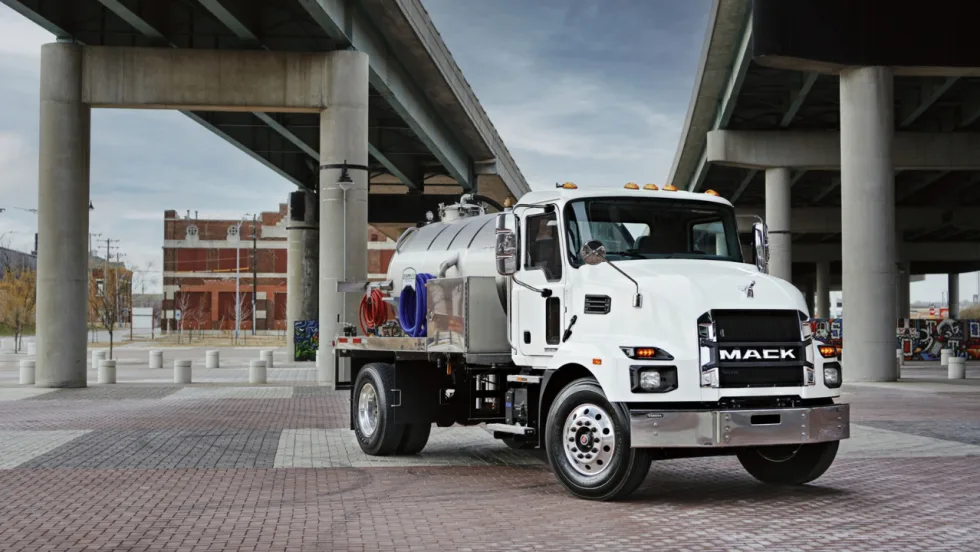
Mack Adds Chassis Coverage Options for Fleet Repair Costs
Mack Trucks introduced four system-specific chassis coverage plans, giving fleets more flexibility to manage repair costs for driveline, HVAC, electronics, safety systems, and other components.
Read More →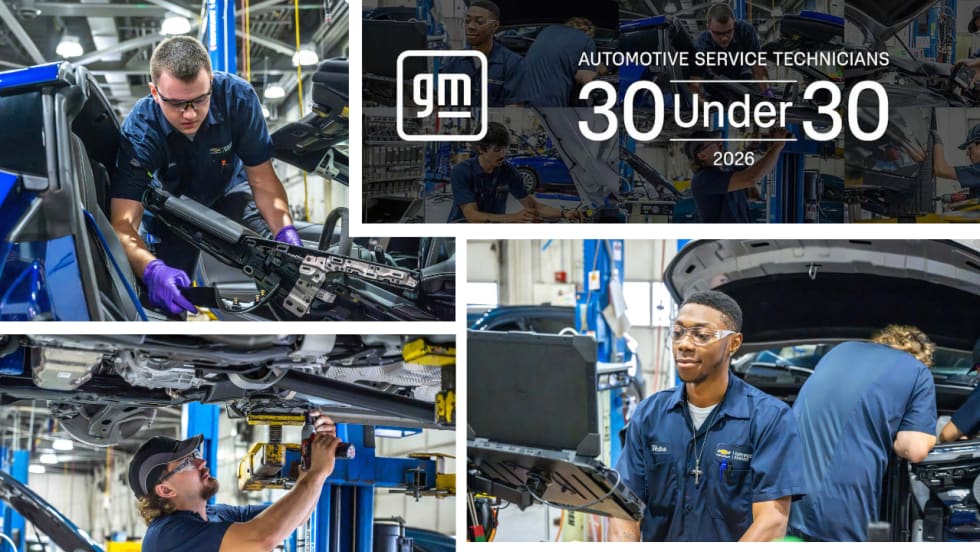
GM Launches ‘30 Under 30’ Program to Elevate Automotive Service Technicians and Inspire the Next Generation
The GM Automotive Service Technicians 30 Under 30 program honors GM service technicians under the age of 30 who demonstrate continuous technical training, exemplary customer service, mentorship, and leadership.
Read More →
Kooner Fleet Management Solutions Named Exclusive On-Site Fleet Maintenance Provider for Safe Truck Parking
A strategic partnership between Kooner Fleet Management Solutions and Safe Truck Parking brings mobile maintenance and 24/7 repair services directly to Safe Truck Parking locations, beginning in San Diego, California, with nationwide expansion planned.
Read More →
Building a Better Vehicle Replacement Model
Meter readings still matter, but engine hours, idle time, maintenance trends, and utilization can help fleets spot costly vehicles before the odometer does.
Read More →
Sponsored•September 21, 2026
How JASPER Keeps Fleets Moving and Profitable
Every business decision within fleet management ultimately comes down to financial performance. Investing in dependable replacement powertrain components and responsive support can measurably impact the bottom line.
Read More →
Ryder Honors 2026 Top Technician at 25th Anniversary Skills Competition
Hosted in Nashville, Ryder’s 25th annual Top Technician Skills Competition honored the best technicians across the U.S. and Canada. Top Tech celebrates technician expertise while promoting growth, recognition, and camaraderie. Here are the winners.
Read More →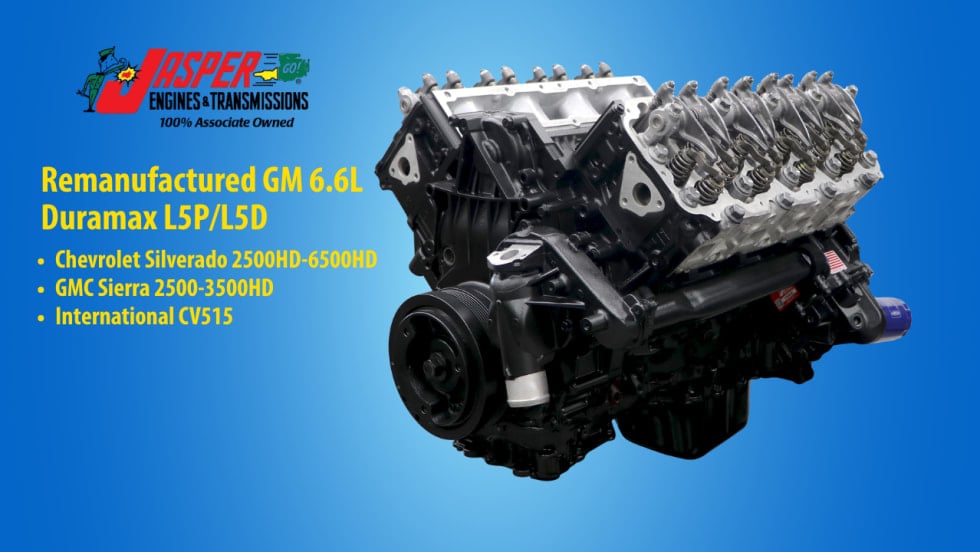
Jasper Offers GM 6.6L Duramax L5P/L5D Complete Format Diesel Engines
Jasper Engines & Transmissions now offers the remanufactured GM Duramax 6.6L L5P/L5D as a complete format engine for several General Motors and International 2017-2023 HD pickup trucks.
Read More →