




Related: Electroeconomics: The Macroeconomics of Electric Trucks
evLABs Focuses on Truck Electrification
The company specializes in repowers, in which an electric powertrain replaces the existing drivetrain in a vehicle.

Roselynne Reyes・Senior Editor
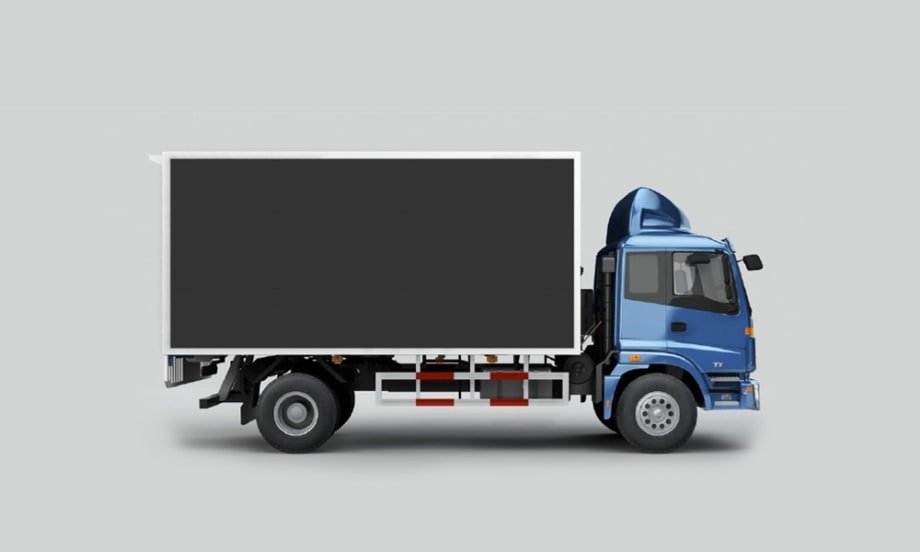
Alkane and evLABs are collaborating on a Class 6 delivery truck that offers 26,000 pounds GVWR and 100 miles of range @ 65 mph.
Image courtesy of evLabs
3 min to read
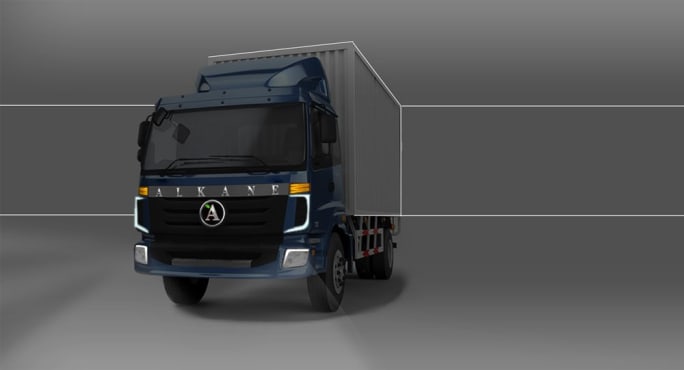
evLABs is working with Alkane Truck Company to develop a battery-electric Class 6 low cab forward truck.
Image courtesy of evLabs
The conversation around electric trucks continues, with more and more companies entering the market. But what do you do if you’re happy with your work truck, and not ready to change all of your specs?
One option is repowering your truck, or replacing your gas or diesel powertrain with an electric powertrain.
evLABs offers electric powertrains for trucks and vans ranging from 14,500-33,000 pounds GVWR. Frank Ziegler, director of sales and marketing, explained that the company has the ability to work directly with truck OEMs at the factory level to install its powertrain.
On top of that, converting an existing vehicle to run on electricity is more affordable than buying an all-new electric vehicle. These conversions may also be eligible for grant funding.
“With our conversion/repower option, it is a fraction of the cost to purchase a new electric vehicle,” Ziegler explained. “In some cases, we could be 50% lower than the cost of a new electric vehicle.”
Converting your existing vehicle to electric can offer a lower upfront cost than purchasing a new vehicle. But it can also bring benefits in the long run, as it means using the same parts and equipment you may already have in stock, as opposed to learning how to maintain a whole new vehicle.
“We keep the vast majority of the OEM parts intact and replace the engine and fuel system with our electric powertrain,” Ziegler said. “Leaving the OEM parts intact allows the customer to service the vehicle easily. Unlike other powertrain providers, they have proprietary parts that take time and effort to stock and there is a learning curve to serving.”
This simplifies the adjustment process when maintaining your truck, but it can also make driver training easier because, from an operator perspective, the driving experience should be mostly the same, as opposed to adopting an all-new type of truck from a new OEM.
“The drivability is the same because of the parts that are left in the vehicle. Electric trucks that are offered from the factory have a learning curve to maneuver and you need to adjust your driving habits,” Ziegler said.
evLABs offers a variety of battery pack configurations to match a fleet’s duty cycle. Range needs may depend on how the vehicle is used — a service truck that stays on a job site may not need to travel as far on a charge as a delivery van.
Adapting to the Electric Truck Future
For fleets interested in a new electric truck, a factory truck with evLABs’ electric powertrain may be an option in the future. The company has partnered with Alkane Truck Company to develop a battery-electric Class 6 cabover featuring a 26,000-pound GVWR.
According to Ziegler, the company plans to demo this truck to fleets once this project is completed, and display the truck at the ACT Expo in Long Beach, Calif., next spring.
More Sustainability
What Republic Services Learned Moving Electric Trucks Beyond the Pilot
With 250 electric refuse trucks now in service, Republic Services is learning that scaling a new powertrain depends as much on routes, drivers, technicians, and daily operations as it does on the truck itself.
Read More →
City Harvest Begins Using Volvo VNR Electric Trucks to Rescue Food Across New York City
Volvo Trucks North America and the Bronx Is Breathing project team handed over three new Volvo VNR Electric trucks to City Harvest, which will use the trucks to rescue and deliver food throughout the Bronx and across all five boroughs of New York.
Read More →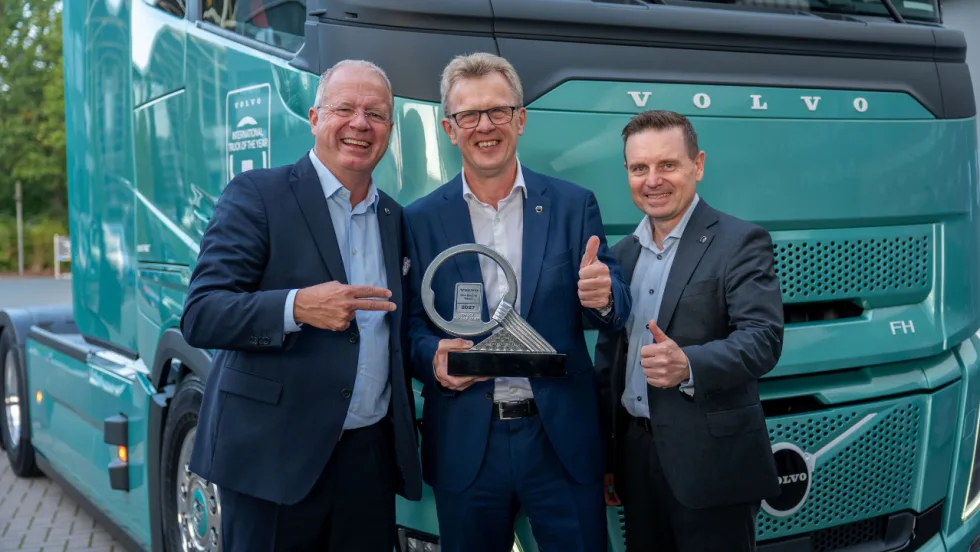
Volvo Trucks Wins International Truck of the Year 2027 for its Global Electric Range
Volvo Trucks' global heavy-duty electric range has been named International Truck of the Year 2027. Since 2019, more than 7,000 electric Volvo trucks have driven more than 310 million miles worldwide.
Read More →


Fleet Forward Conference Introduces One-Day Passes for 2026
New one-day registration gives fleet professionals the flexibility to attend Tuesday, Wednesday, or Thursday, with passes available for $199 through Sept. 18.
Read More →
CALSTART Rebrands as Catalyst Mobility, Will Combine with Forth in 2027
CALSTART has rebranded as Catalyst Mobility and will combine with Forth at the start of 2027. The new organization said it is poised to become one of the world's largest, strongest, and most impactful clean transportation nonprofits.
Read More →
Electric Truck and Charging Programs to Boost Sustainability at NY & NJ Ports
Together, the Port Authority of New York and New Jersey and CALSTART will electrify drayage and terminal operations serving the East Coast’s busiest container port. A pair of incentive programs totaling $45 million has launched to accelerate adoption of zero-emission drayage trucks and terminal tractors.
Read More →
The Smart Way to Build a Mixed-Energy Fleet Isn’t About Picking a Side
Mixed-energy fleets aren’t about picking a winning fuel. Sarah Booth of WEX explains how vehicle data, duty cycles, charging strategy, and real-world costs can help fleets choose the right energy source for each job.
Read More →
Xos Hub Surpasses One Gigawatt-Hour of Energy Delivered in the Field
A single Xos Hub has surpassed one gigawatt-hour of energy across more than 33,600 charging sessions in the field, demonstrating performance that supports Xos' expansion across new products and markets.
Read More →
Carrier Transicold Launches All-Electric Vector 8200 TRU for Diesel-Free On-Site Cold Storage
Carrier Transicold’s first engineless multi-temperature TRU helps fresh- and frozen-food fleets add supplemental cold storage capacity during seasonal peaks.
Read More →
Narro Trucks Introduces Electric Utility Vehicle
Narro Trucks officially launched its operations on Aug. 20 and hosted a ride and drive to showcase its electric truck, which will be produced in Virginia.
Read More →