




City of Beverly Hills Runs 100% Renewable Diesel
The second generation of biofuels and renewable diesel is here, but what does that mean for Beverly Hills fleet manager Craig Crowder? For the City's fleet of 445 vehicles, it means better performance, reduced maintenance, and a more sustainable way to serve the city.

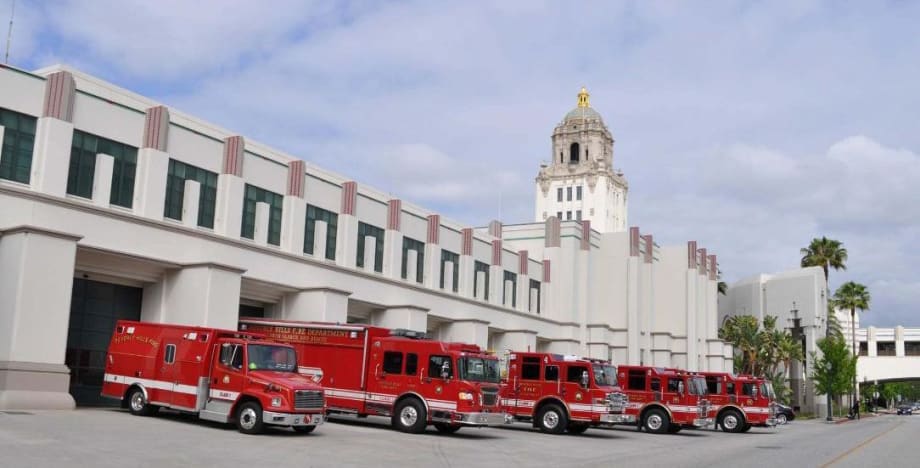
In June of 2013 the City's fleet manager decided to make the switch from petroleum-based ultra-low-sulfur diesel (ULSD) to Neste MY Renewable Diesel.
Photo courtesy of Neste
The second generation of biofuels and renewable diesel is here, but what does that mean for Beverly Hills fleet manager Craig Crowder? For the City's fleet of 445 vehicles, it means better performance, reduced maintenance, and a more sustainable way to serve the city. Crowder is proud to report that his fleet now runs on 100% renewable diesel — an important part of the City of Beverly Hills’s sustainability plan.
The logistics that go into managing a fleet with 99 different classifications of vehicles — everything from lawn and garden machines to fire and garbage trucks—is incomprehensible to most Beverly Hills residents. To Crowder, this is just everyday life.
“We have a lot of different types of vehicles,” said Crowder, who has been with the City of Beverly Hills for more than 25 years. “My biggest concern with switching fuel types was the transition and what accommodations would have to be made. Thankfully, with Neste MY Renewable Diesel, it was a drop-in product that required no change in infrastructure.”
Neste MY Renewable Diesel is a low-carbon fuel produced from 100% renewable and sustainable raw materials, primarily wastes and residues. The premium diesel cuts greenhouse gas emissions by up to 80%, reduces carbon monoxide by 24%, and fine particulates by 33%, all while enhancing fleet performance. Neste MY is a direct replacement fuel that requires no blending and is compatible with all diesel engines.
It was in June of 2013 that Crowder decided to make the switch from petroleum-based ultra-low-sulfur diesel (ULSD) to Neste MY Renewable Diesel.
“After switching to Neste MY, we noticed that our fuel systems were very clean, even cleaner than they had been while using ULSD,” Crowder said. “Our DPFs [diesel particulate filters] were performing better, and annual maintenance was simple and efficient. Our trucks had improved performance, better power and less smoke emission.”
Making the decision to switch wasn’t easy. Crowder had previously tried other alternative fuels that didn’t perform the way he hoped.
“In 2011, mass-produced alternative fuels were just coming into the marketplace, and regulation was rare,” Crowder said. “Fast-forward to today and the technology in the alternative fuel sector, and Neste MY Renewable Diesel, in particular, is leaps and bounds beyond its beginnings.
More Green Fleet
Samsung SDI Takes Full Control of GM Battery JV as Indiana Plant Pivots to Energy Storage
Samsung SDI is taking full control of its Indiana battery plant with GM, marking a major shift from the EV-focused joint venture Charged Fleet first covered in 2023.
Read More →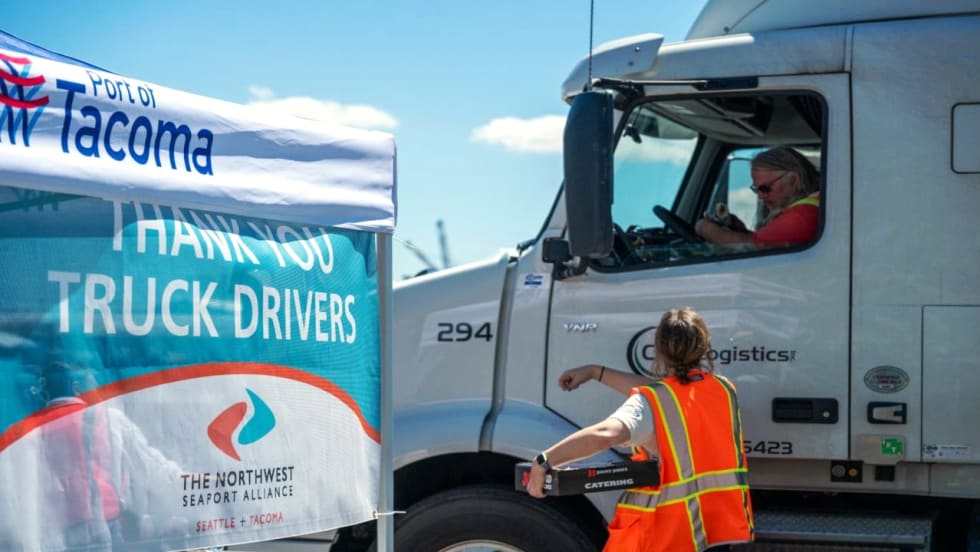
NWSA Taps CALSTART to Administer Zero-Emission Drayage Assistance Program
CALSTART will provide free technical assistance services to drayage fleets serving the Ports of Seattle and Tacoma and looking to transition to cleaner technologies and help decarbonize freight hubs.
Read More →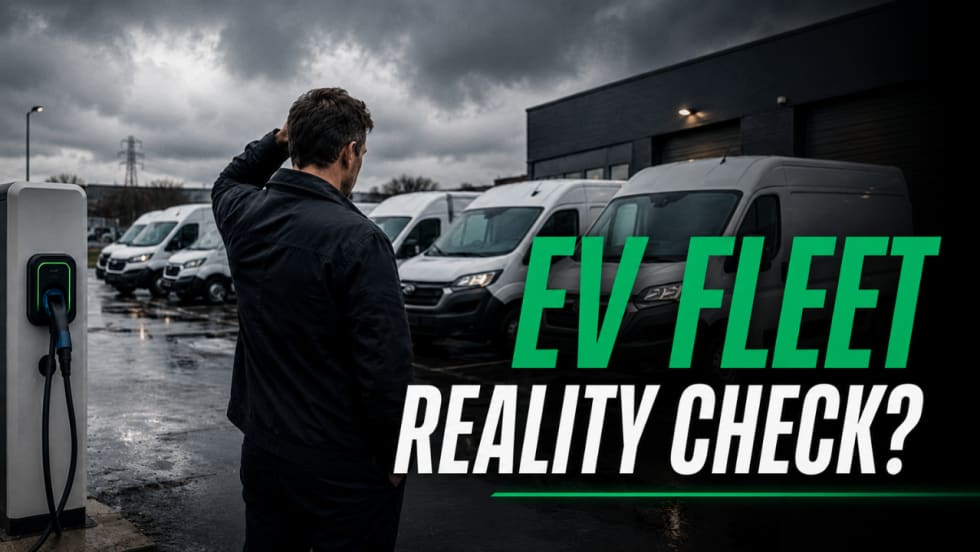
EV Fleet Reality Check: What Operators Wish They Knew Before Electrifying Their Work Vans
Electric work truck upfits bring new compatibility questions. Learn how parts availability, OEM guidance, power demands, and route planning can affect fleet performance.
Read More →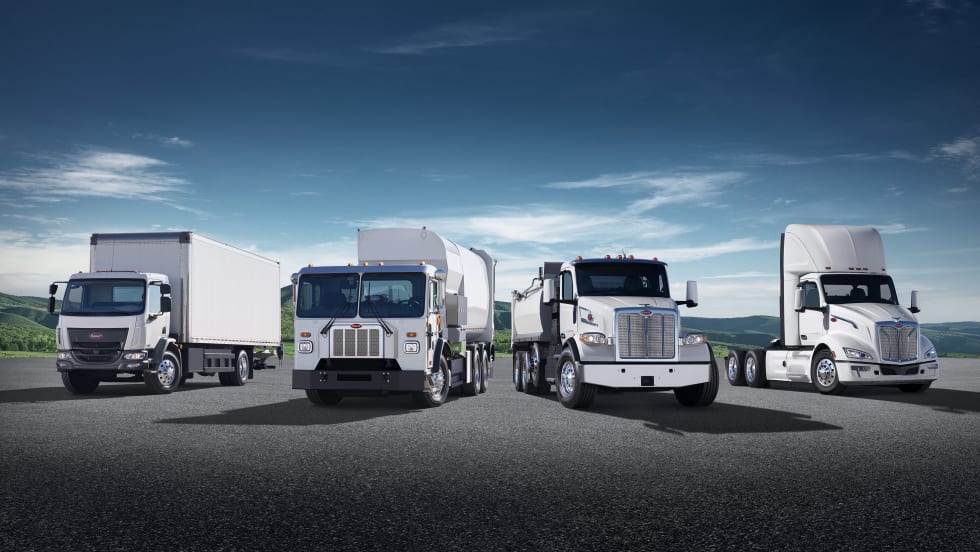
Peterbilt Expands Sourcewell Partnership with Electric Vehicle Lineup
Peterbilt Motors Company’s cooperative purchasing agreement with Sourcewell and its Canadian partner, Canoe Procurement Group, now includes including Peterbilt's battery-electric vehicle lineup.
Read More →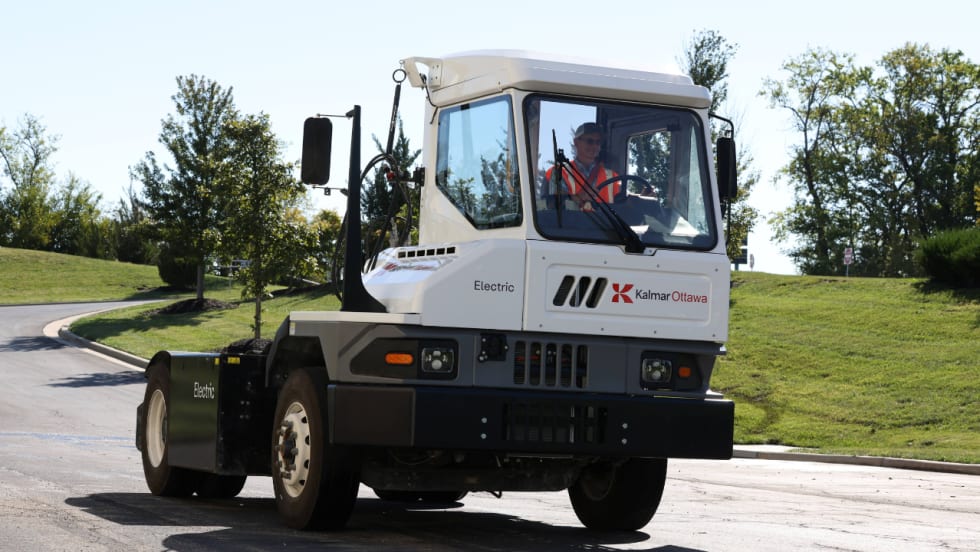
WTC Group Expands Sustainable Operations with Kalmar Ottawa T2 EV Fleet
Commercial adoption of the Kalmar Ottawa T2 EV terminal tractor continues to grow as customers add the zero-emission yard tractor to their fleets. WTC Group has placed an order for a Kalmar Ottawa T2 EV.
Read More →
Where Propane Autogas Fits in Today's Fleet Fuel Strategy
Learn more from PERC's Joel Stutheit, as he explains why propane autogas remains a practical alternative for fleets seeking to reduce emissions without sacrificing operational flexibility.
Read More →
Schneider Electric Simplifies Commercial EV Charging with New Charge Pro for the U.S.
Schneider Electric’s updated Charge Pro Level 2 chargers deliver reliable, flexible charging for multi-unit dwellings, fleets and workplaces, as well as public and destination charging locations such as hotels and retail centers.
Read More →

ChargePoint and Onvo Expand Highway Fast Charging Across the Northeastern U.S.
ChargePoint is working with Onvo, a locally owned travel plaza brand headquartered in Pennsylvania, to install ultra-fast EV charging stations at locations in the Northeastern U.S.
Read More →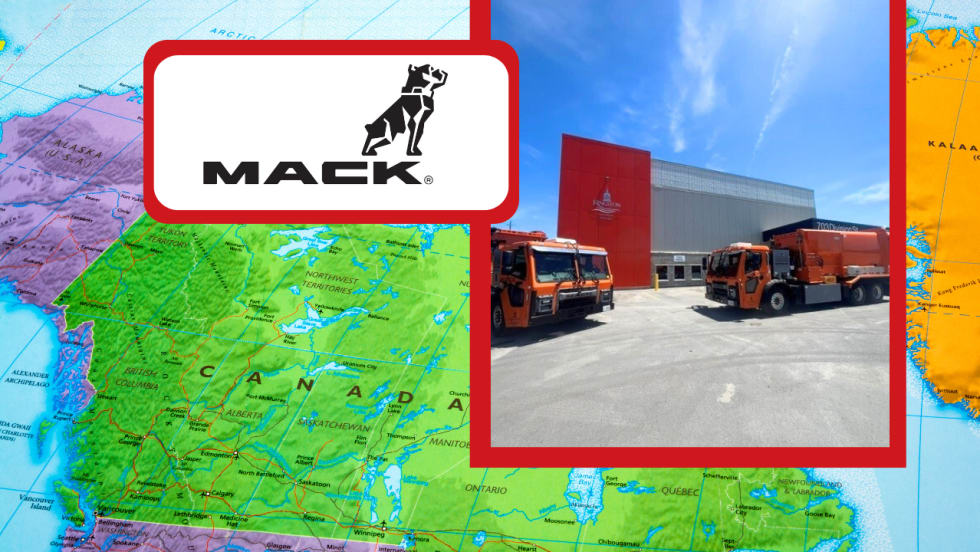
The City of Kingston Celebrates Purchase of 2 Mack LR Electric Refuse Trucks
The City of Kingston, Ontario, Canada, a municipality with a vision of being “Canada’s Most Sustainable City,” recently showcased two Mack LR Electric refuse trucks following their successful deployment in 2025.
Read More →