




DTNA Partners with Penske and NFI on Fleet
DTNA announced that Penske Truck Leasing and NFI have agreed to partner in operating the Freightliner Electric Innovation Fleet of eCascadia heavy-duty trucks and eM2 106 medium-duty trucks.

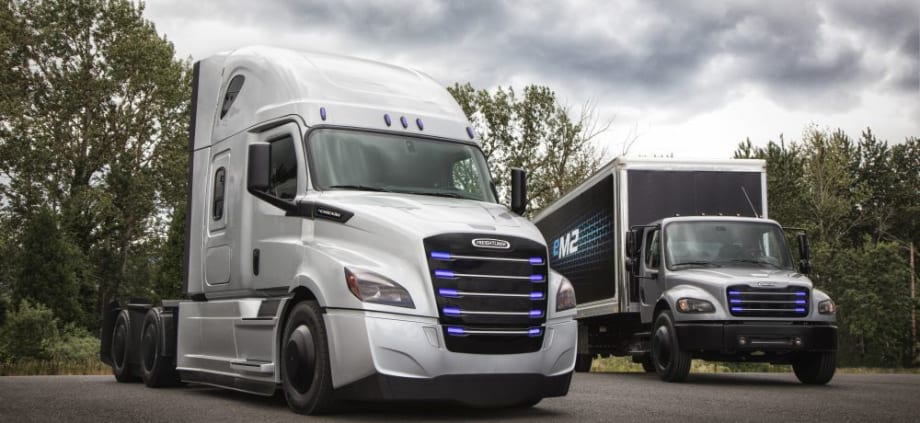
Starting late 2018, Penske will begin taking delivery of 10 eCascadias and 10 eM2s for use in California and the Pacific Northwest, while 10 eCascadias will begin being delivered to NFI for drayage activities from the ports of Los Angeles and Long Beach to warehouses in California’s Inland Empire.
Photo courtesy of DNTA
Daimler Trucks North America (DTNA) announced today Penske Truck Leasing and NFI have agreed to partner in operating the Freightliner Electric Innovation Fleet of eCascadia heavy-duty trucks and eM2 106 medium-duty trucks.
The move is the next phase of a co-creation process that DTNA is utilizing to actively involve customers in the development of commercial electric vehicles to meet the most valid target applications.
Starting late 2018, Penske will begin taking delivery of 10 eCascadias and 10 eM2s for use in California and the Pacific Northwest, while 10 eCascadias will begin being delivered to NFI for drayage activities from the ports of Los Angeles and Long Beach to warehouses in California’s Inland Empire.
Additionally, DTNA plans to operate electric trucks within its own Product Validation Engineering (PVE) test fleet in Oregon to further expedite research and development of the technology.
In preparation for the 2021 start of production, DTNA also announced the Electric Vehicle Council. The council will prepare customers, with viable use cases, in evaluating and integrating commercial electric vehicle solutions into their operations. Technical learnings from the Freightliner Electric Innovation Fleet and test fleet will be shared with the customer base in this forum.
As testing progresses, the DTNA Electric Vehicle Council will discuss planned product offerings to gather candid feedback as the OEM moves towards commercialization of electrified trucks. Through the EV Council, DTNA will work hand in hand with customers, establishing the necessary charging infrastructure, vehicle deployment and service support. DTNA plans to offer customers consulting services to assist with site selection based on truck applications, available government incentives, infrastructure deployment and route identification as part of a preliminary review prior to commercial electric vehicle business proposals.
At start of series production, the eCascadia will have up to 730 peak horsepower. The batteries provide 550 Kwh usable capacity, a range of up to 250 miles and have the ability to charge up to 80% (providing a range of 200 miles) in about 90 minutes. The Class 8 tractor is designed for local and regional distribution and drayage.
The eM2 truck will initially have up to 480 peak horsepower. The batteries provide 325 Kwh of usable capacity, a range of up to 230 miles and have the ability to charge up to 80% (providing a range of 184 miles) in about 60 minutes. The eM2 is Freightliner’s electrified solution for local distribution, pickup and delivery, food and beverage delivery, and last-mile logistics applications.
The Freightliner eCascadia with 80,000 lb. gross combined weight rating (GCWR) and eM2 with 26,000 lb. GCWR are part of Daimler Trucks’ global electrified truck initiative.
RELATED: Daimler Trucks North America to Build Electric Cascadia, M2 Trucks
More Vehicle Research
International Motors Honors 10 Suppliers with 2026 Diamond Supplier Award
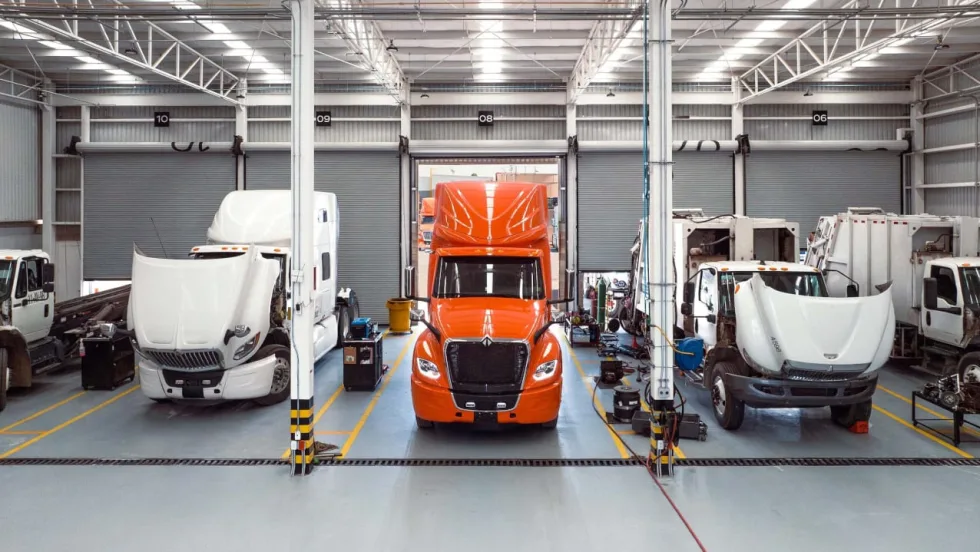
International Motors has awarded the 2026 Diamond Supplier Award to 10 suppliers, an honor that recognizes those who consistently prioritize technology, quality, delivery, cost, sustainability, and people.
Read More →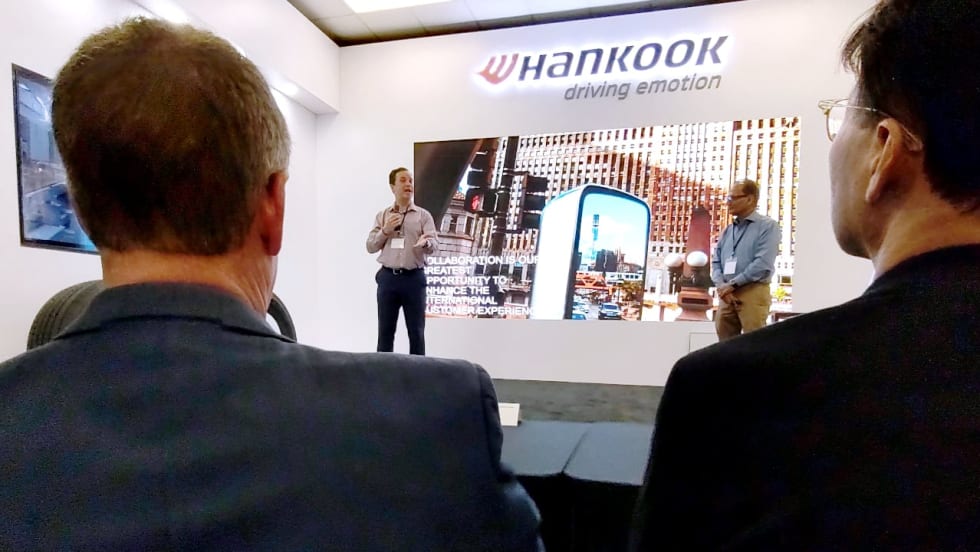
Quality Highlighted as Hankook Receives International 2026 Diamond Supplier Award
Hankook accepted the International Motors 2026 Diamond Supplier Award at its manufacturing location in Clarksville, Tennessee. The location has two new phases of construction underway and, once completed, will produce 11 million tires annually.
Read More →
Workhorse Group Reports Second Quarter 2026 Results
Workhorse Group reported second-quarter financial results. Sales, net of returns and allowances, for the second quarter of 2026 were $3.6 million, compared to $0.8 million in the second quarter of 2025. However, Workhorse also reported an operating loss of $19.4 million.
Read More →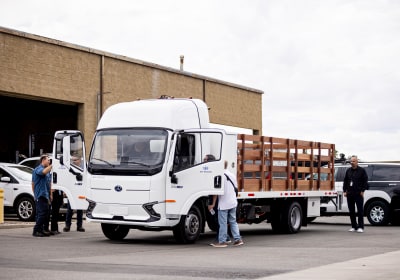
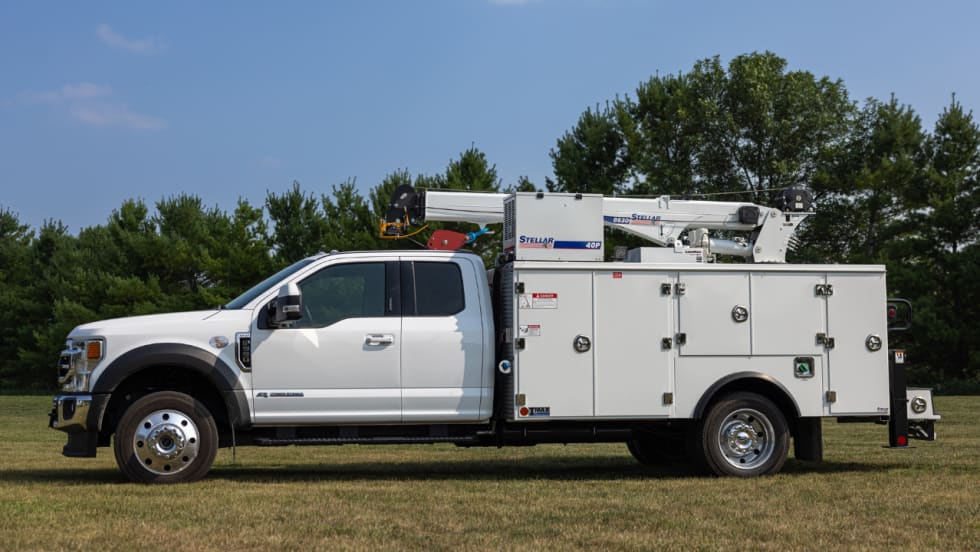
Stellar Products Now Available Through Sourcewell
Eligible public agencies can purchase Stellar Industries’ mechanic trucks, fuel/lube trucks, hooklifts, and tire service trucks through Sourcewell.
Read More →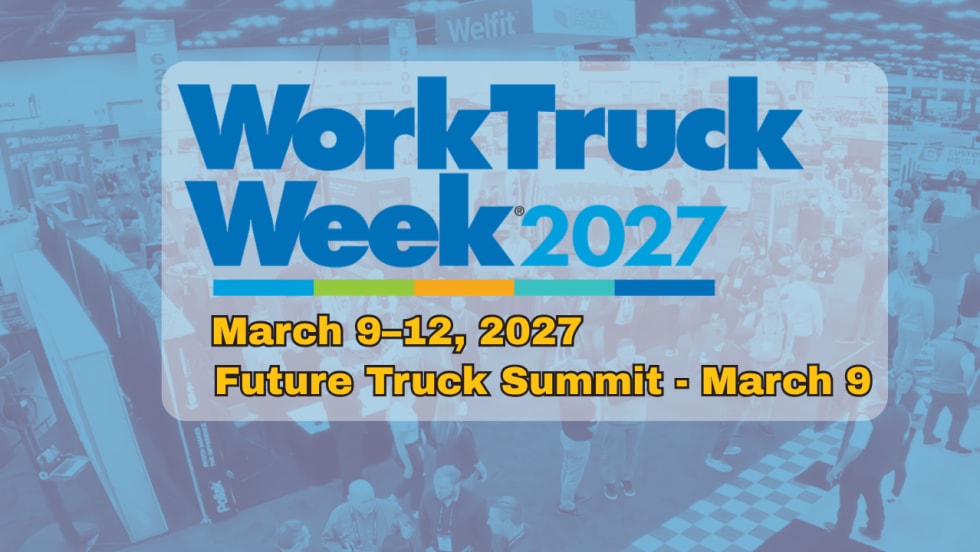
NTEA Adds Future Truck Summit to Work Truck Week 2027
NTEA is replacing the long-running Green Truck Summit with something new: Future Truck Summit. The event, in collaboration with NAFA Fleet Management Association, is scheduled at the start of Work Truck Week 2027, March 9–12.
Read More →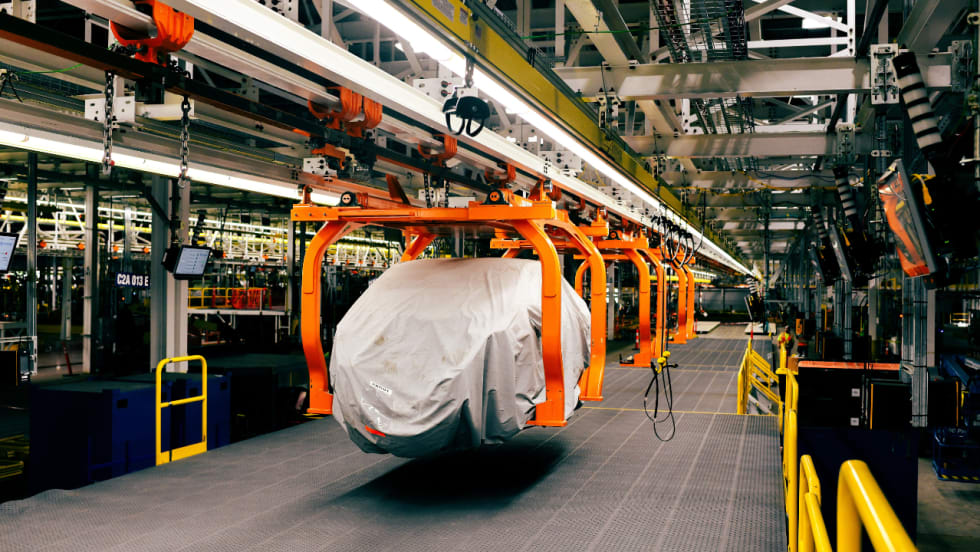
Ford Fathom Production Takes Shape at Louisville Assembly Plant
Ford is rebuilding Louisville Assembly Plant around an entirely new EV manufacturing process. Here’s how the Universal EV Production System will change the way the Ford Fathom midsize electric truck comes together.
Read More →
Second-Quarter 2026 Commercial Vehicle Data Signals Key Shift in Fleet Turnover and Market Velocity
Work Truck Solutions’ Second-Quarter 2026 Commercial Vehicle Market Analysis reported positive indicators suggesting fleet managers are now rotating aging units, relieving pre-owned inventory friction as business owners move quickly to secure assets.
Read More →
EV Fleet Reality Check: What Operators Wish They Knew Before Electrifying Their Work Vans
Electric work truck upfits bring new compatibility questions. Learn how parts availability, OEM guidance, power demands, and route planning can affect fleet performance.
Read More →
Ford Unveils Name for Under-$29K Midsize Electric Truck
Ford has unveiled the name of its new midsize electric truck: Fathom. It will have a starting MSRP of $28,350, and preorders will begin in early 2027.
Read More →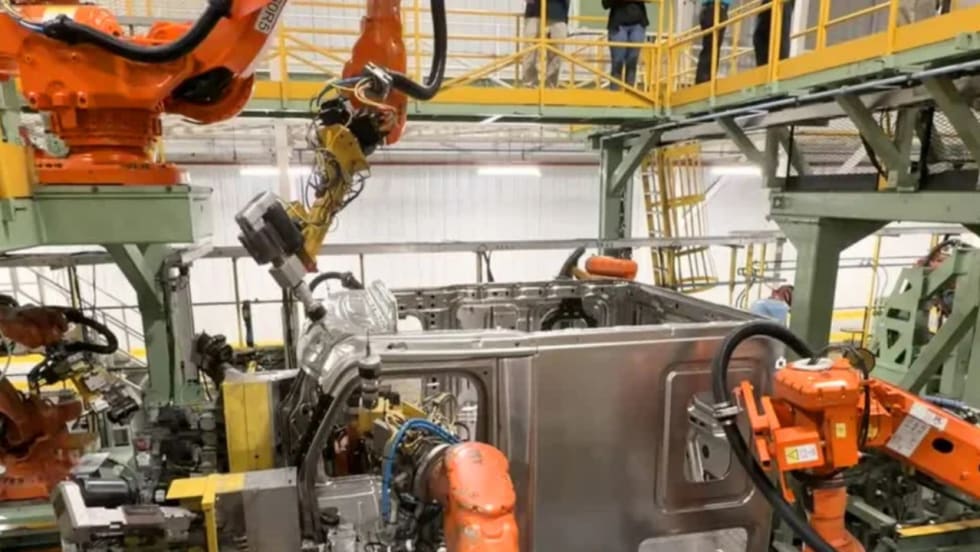
DTNA Plans to Build New U.S. Manufacturing Facility
Daimler Truck North America plans to build a new, state-of-the-art manufacturing facility in the United States to strengthen its production capabilities across North America. The location has not been disclosed.
Read More →