




Brake Systems: How to Pass a Roadside Inspection
Brake systems continue to be the system most responsible for out-of-service violations at roadside inspections. A well-maintained brake system relies on the technician and the driver.
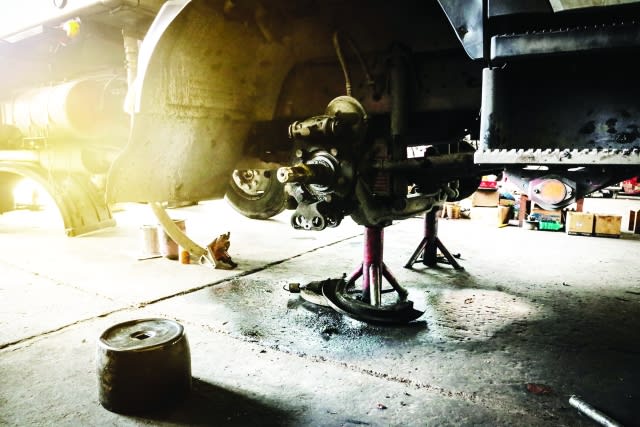
Brake systems are so consistently cited during on-road inspections that the Commercial Vehicle Safety Alliance (CVSA) devotes an entire week to roadside brake-inspection-only activity. (Image from Getty Images)
The purpose of this six-part preventive maintenance (PM) series has been to encourage fleets to conduct periodic and frequent reviews of their PM programs. This ensures their shop processes are consistent with the changes brought about by new technology while ensuring legacy processes such as tire inflation and alignment remain equally consistent.
Part 1 focused on tire preventive maintenance, low-tech solutions for cost control. Part 2 covered the electrical system and proactive measures for protection. Part 3 discussed aftertreatment systems, a system that shouldn't be overlooked. Part 4 dissected strategic changes fleet managers can make to PM intervals and the adoption of a PM strategy. And, part 5 moved on to the cooling system and PM on the more complex systems in today's trucks.
The last installment has a slightly different objective because, in most fleets, brake issues seldom result in unscheduled downtime in the garage. Instead, because fleets conduct robust brake maintenance in their shops, brake issues are more likely to be discovered by a roadside inspector than at any other time.
Why Brake Systems?
By now, many readers may be thinking, “Oh no, not another article on brakes!” Fleet managers instead should be thinking, if brake maintenance processes are solid, why are so many trucks being sidelined by inspectors? Perhaps this is the reason for so many articles on braking system maintenance.
Inspection statistics are consistent from year to year. Brake systems continue to be the system most responsible for out-of-service declarations at roadside inspections.
Braking system inspection anomalies are so consistently cited that the Commercial Vehicle Safety Alliance (CVSA), under the auspices of its Operation Airbrake Program, devotes an entire week of roadside brake-inspection-only activity in an event called CVSA Brake Inspection Week. This effort typically occurs in the fall and is a nationwide effort to highlight the importance of braking system maintenance for truckers and for fleets because brake related problems make up the highest percentage of out-of-service violations on commercial trucks.
Of the 18,385 vehicles inspected during the 2016 Brake Inspection Week, 2,426 vehicles (trucks, buses, tractors, and trailers) exhibited out-of-service braking system violations according to results published by the CVSA. The 2015 results were similar.
As inconvenient and expensive as a breakdown caused by a flat tire or an electrical system failure can be, an out-of-service declaration due to a braking system inspection is equally inconvenient and expensive and it has added downsides by impacting a fleet’s CSA score and the possibility of delaying service to a customer over a totally preventable occurrence. This series has focused on prevention of these downtime events.
Where to Start
So, how can a fleet, especially one with trucks operating across a wide geographic territory, prevent or reduce the possibility of its trucks being sidelined by a roadside braking system inspection?
The first step is to ensure maintenance procedures fully embrace the Federal Motor Carrier Safety Administration’s (FMCSA) Rule 396.17 on braking performance, especially at the first line of defense — PMs.
Although CVSA has six inspection levels, a good summary starting point is to review the Level I Inspection checklist. Fleets can use the eleven items related to braking systems on the checklist and compare it to their own PM checklist, in detail, to ensure their program is fully comprehensive.
In addition, the CVSA and the American Trucking Associations’ Technology and Maintenance Council offer excellent resource material providing inspection and maintenance detail on each braking system component.
Many fleets rely on simple, time-honored braking system PM processes involving a flashlight visual check of brake lining thickness, a full turn in and quarter turn out slack adjuster check and, hopefully, identification of any audible air leaks detected during the PM. Unfortunately, leaks can seldom be detected if the brake pedal isn’t engaged. As with every other component system on a commercial truck, these processes are no longer adequate and can, in fact, be counterproductive.
Automatic is not Maintenance-Free
When a truck is equipped with automatic slack adjusters as most trucks are today, technicians often omit checking the operation of the slack adjusters, presuming this inspection is unnecessary. If this is the case for any fleet, a more thorough review should result in modifications to make their brake inspections more robust.
The term “automatic slack adjuster” does not mean maintenance-free. In addition to requiring periodic lubrication at each PM, it can lose its adjustment criteria for mechanical reasons. Manually adjusting an automatic slack adjuster is never recommended as doing so masks the underlying problem and may give the driver a false sense of security. The National Transportation and Safety Board has very strongly worded language against manually adjusting an automatic slack adjuster. Do not do it!
Instead, within their PM process, fleets should always include an operational check of slack adjuster travel, regardless of slack adjuster type, and repair/replace adjusters that fail to conform operationally. When they do not operate properly it’s very likely the cause lies beyond the adjuster itself.
What to Inspect (and How)
At the very least, the PM processes for a fleet should include the inspection and correction of:
Brake adjustment, either manually or with automatic slacks, ensuring their rate of travel is at the proper distance.
Anti-lock brake warning light operation.
Air hoses and tubing, preferably with the brakes applied.
All hardware, ensuring it is in place and secure.
The thickness of linings and drums.
No presence of air leaks.
The proper operation of the low-air warning system.
Inspecting and correcting any anomalies in these areas will help ensure braking system integrity.
The first article in this series recommended the use of a very primitive but effective tool, a block of wood to visually inspect wheel run out. This same tool, of a different length, can be a handy helper in brake maintenance as well. Cut to a length allowing it to be wedged in between the steering wheel and the full application foot brake pedal, this length of wood will apply the brakes, allowing the technician or the driver to conduct a walk-around to listen for air leaks and visually inspect tubing and connections for bulges or looseness.
Another use of this tool is to check for wheel end play or wobble after removed wheels are reinstalled following the performance of brake or related wheel-end maintenance (e.g., lining, bearing or seal replacement).
Some state inspection processes (Georgia, Wisconsin, Florida, and Tennessee so far) and even some fleets utilize a performance-based brake tester (PBBT) in their inspection and/or maintenance processes. The benefit of this tool is it includes the loaded weight of the vehicle, per axle, and calculates the effectiveness of the truck’s actual braking performance under load. This test is generally very accurate and can help pinpoint specific axles with braking system issues, allowing the inspector and/or technician to focus on that axle specifically.
Don’t Forget the Drivers
In this series, the principal focus has been on a fleet’s PM performance and processes that should be adopted within its maintenance strategy that is clearly dependent on the proficiency of technicians. This article, however, adds the proficiency of the driver as a critically important success factor.
It is an industry given that commercial drivers are required to perform a pre-trip inspection. Their proficiency in this process is formally tested within the application and approval process for the issuance of a commercial driver’s license (CDL). During a driver’s daily tour of duty, evidence of performing the requisite pre-trip inspection is a required log entry element; the FMCSA specifically outlines the process in Part 396.13 of its regulations.
It is also an industry given that a typical driver’s pre-trip inspection is less comprehensive than most fleets would prefer and/or admit.
Many processes and even formal and commercially available electronic monitoring systems have been recommended and utilized to improve driver quality of and accountability for the performance of the pre-trip inspection.
Following a crash, the log book or electronic driver’s data is immediately accessed to ascertain if a pre-trip inspection was performed. Although the pre-trip inspection is the first line of defense in preventing an inspection related out-of-service violation, many drivers perform this job function in a sub-standard fashion and suffer the consequences as a result.
Just as up-to-date training is essential in educating technicians on the latest PM processes, the same is true for drivers, only for different reasons. Rather than educating for technological change, reinforcing the importance of a high-quality pre-trip inspection can be money and time well spent manifested in greater uptime and enhanced safety. Unfortunately, this step is often missed by fleets who instead prefer to presume the driver is performing this task as thoroughly now as when they were testing for their CDL.
Further, more proactive fleets conduct driver inspection workshops on a regular basis which include the process of testing and adjusting brakes on tractors and trailers while on duty. Unless drivers have specifically been trained under FMCSR 396.25 they are prohibited from adjusting their brakes but fleets that train to this requirement employ this strategy recognizing both the operational and safety benefits that accrue from having properly adjusted brakes.
More Considerations
Yet another brake system element that is often overlooked is balance. In a tractor-trailer application, balance may be critical in brake operation or, stated in another way, brake imbalance can result in a degradation of safety by compromising brake system performance.
If the combination braking system is mistimed or out of balance, the stopping distance may be greatly extended as a result. In a single truck or tractor application, certain maintenance strategies include repairing brakes only on one side of the axle when an issue is discovered. To maintain proper balance, a better but more costly strategy is to ensure both axle sides are treated and repaired equally, even when one side seems OK.
Brake balance is overlooked because it is often manifested in unequal brake lining wear seen between the tractor and the trailer. Because the tractor and trailer are rarely or never serviced together at the same time, lining thickness inconsistencies remain unseen. When same axle lining thickness inconsistencies are evident from measuring the brake lining wear patterns, brake imbalance is likely the cause. This condition should immediately be addressed as one or more axles on one side of the truck or trailer are doing more braking work than the other, possibly creating an unsafe condition.
A truck’s braking system is represented by a large number of component parts. From the compressor (air brakes) to the reservoirs, to the valves, linings, chambers, drums, or rotors, braking systems represent a logical and low-tech pneumatic or hydraulic function that is easy to diagnose and maintain. A strong PM program includes the inspection of these components and how well they function together.
In a fashion similar to the electrical system covered in the second article in this series, the performance of braking systems is only as strong as their component parts. The difference between them is that the well-being of drivers and the motoring public depends on a fleet’s braking system maintenance proficiency, and this proficiency should extend all the way to the driver.
One last note for this article and this series: Brakes do not stop trucks; tires stop trucks. The first article in this series contained common sense recommendations for reforming and/or revisiting tire PMs. Without well-maintained tires, even the most robust braking system will be compromised.
By adopting the techniques and recommendations in this series, your PM program will become more robust and will attain a quality standard resulting in lower risk and cost exposure while achieving higher vehicle availability. Make preventive maintenance the core competency of your vehicle maintenance program.
More Safety & Compliance

Crossing State Lines in a Light-Duty Work Truck? Check These Rules First
Crossing state lines in a lighter work truck? J.J. Keller's Kathy Close explains when IRP registration, trip permits, and towing rules come into play.
Read More →
GeoFencing Adds to Your Truck Security Arsenal
Geofencing is a familiar fleet tool today, but its early adoption marked a major shift in vehicle tracking, route monitoring, and the debate over employee privacy.
Read More →
Recalls You Need to Know About in October 2026
In October 2026, what recalls might impact your fleet? Work Truck has the answers in this comprehensive overview of recent NHTSA recalls.
Read More →From Our Partners



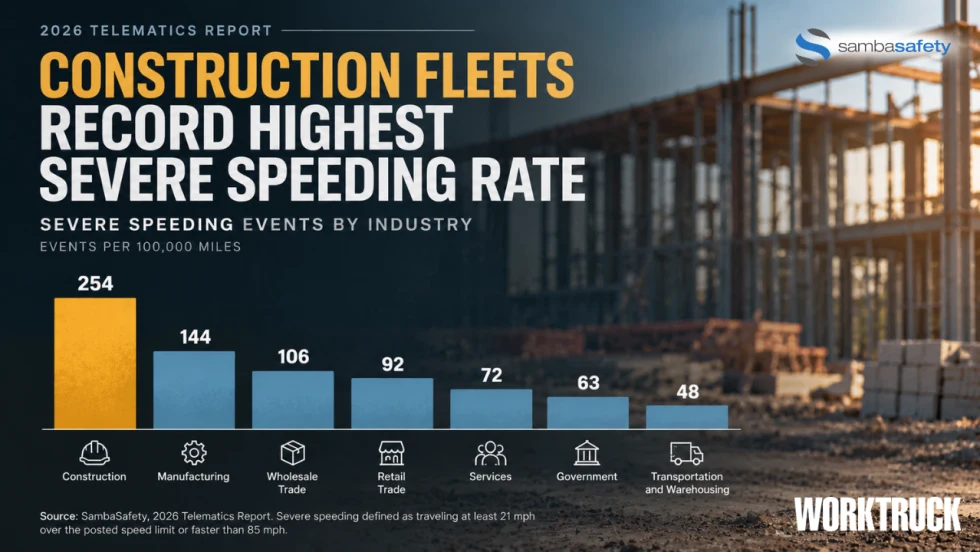
Construction Fleets Show Telematics Adoption Alone May Not Reduce Driving Risk
SambaSafety found construction fleets monitor roughly 92% of their vehicles but recorded the highest severe speeding rate among industries studied.
Read More →
Lytx Launches 360 Hub Kit for Expanded Fleet Camera Visibility
Lytx’s new AI-ready gateway and HD auxiliary camera ecosystem, the Lytx 360 Hub Kit, extends visibility across side, rear, cargo, and blind-zone views to help fleets see more and respond faster.
Read More →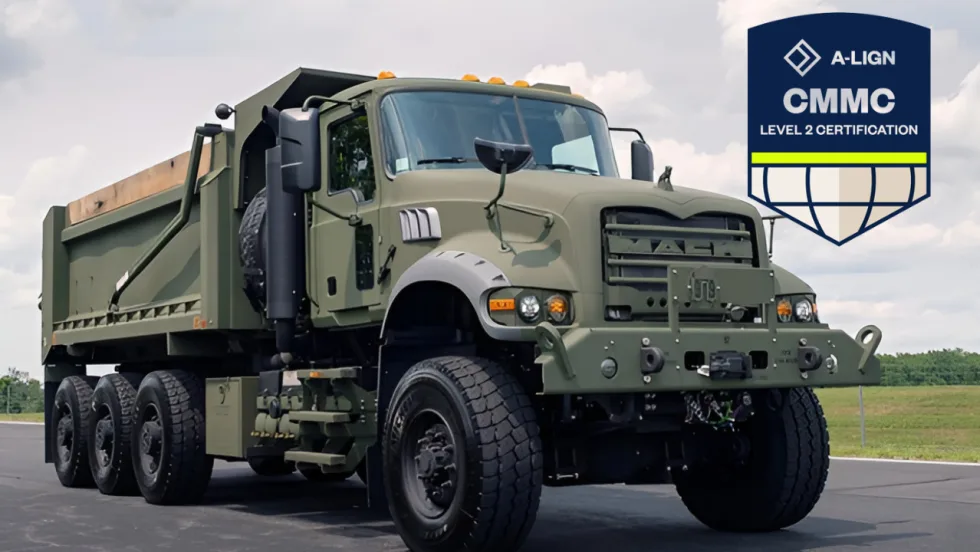
Mack Defense Achieves Cybersecurity Maturity Model Certification Level 2
After an assessment conducted by an authorized Certified Third-Party Assessment Organization (C3PAO), Mack Defense has achieved Cybersecurity Maturity Model Certification (CMMC) Level 2.
Read More →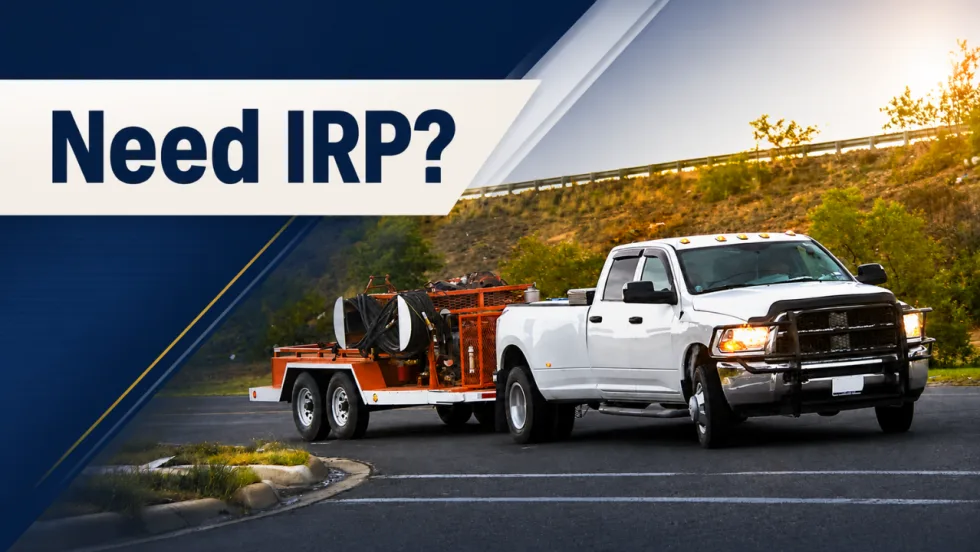
When Work Trucks Under 26,001 Pounds Need IRP Registration
Think trucks under 26,001 pounds are automatically in the clear when it comes to IRP? Not always. Learn where lighter vehicles can still run into trip permit, apportioned registration, and IFTA compliance requirements when crossing state or provincial lines.
Read More →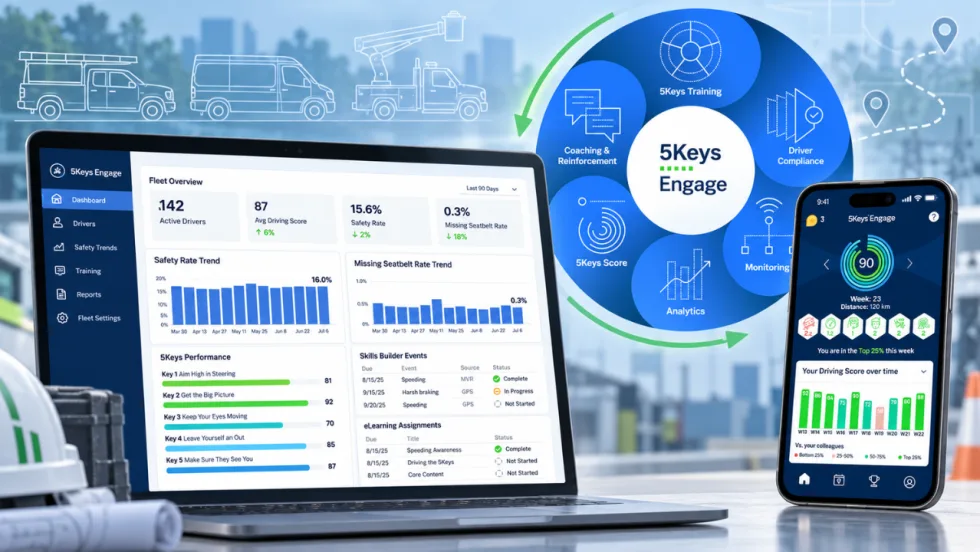
Smith System Wants Work Truck Fleets to Look Beyond the Driver Alert
Smith System’s new Driver Risk Management program is built to help mixed work truck fleets turn telematics alerts and observations into specific behaviors, coaching actions, and measurable follow-up.
Read More →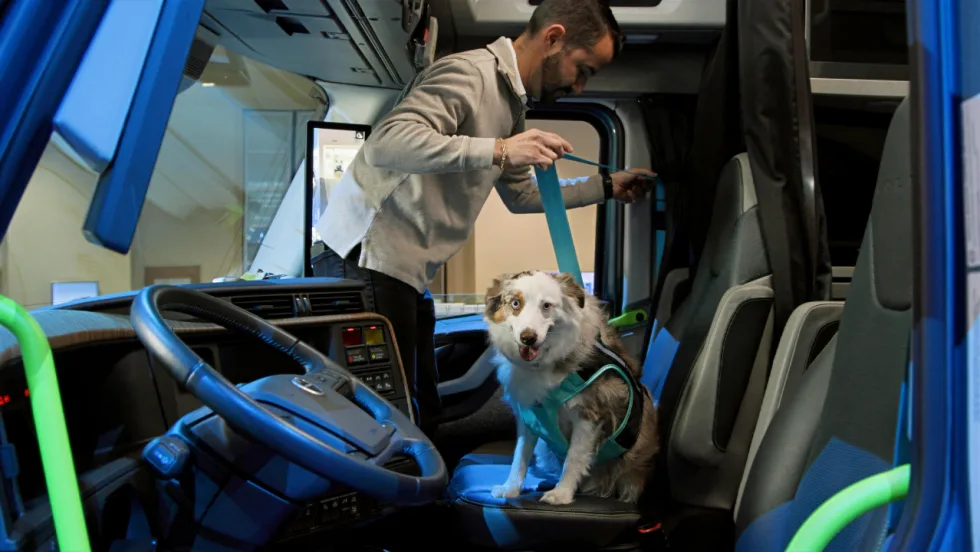
Volvo Trucks Releases New Safety Recommendations for Traveling with Pets
One of the most important recommendations for professional drivers traveling with pets is to ensure pets are properly restrained while the truck is moving. Other tips are available in the new guide from Volvo Trucks North America and Center for Pet Safety.
Read More →
Are Work Truck Drivers Warming Up to Dash Cams and GPS Tracking?
A new survey finds field-service drivers may be more comfortable with dash cams and GPS tracking than fleet managers think, especially when the technology helps protect them after a crash.
Read More →