


Tire PMs: Low-Tech Solutions for Cost Control
Despite so many high-tech options on the market, fleets must remember tried-and-true methods for an effective tire program.
 MENU
MENU SEARCH
Today’s engine technology and hardware systems require a more strategic inspection than before. Preventive maintenance based on oil-change intervals may not be enough.
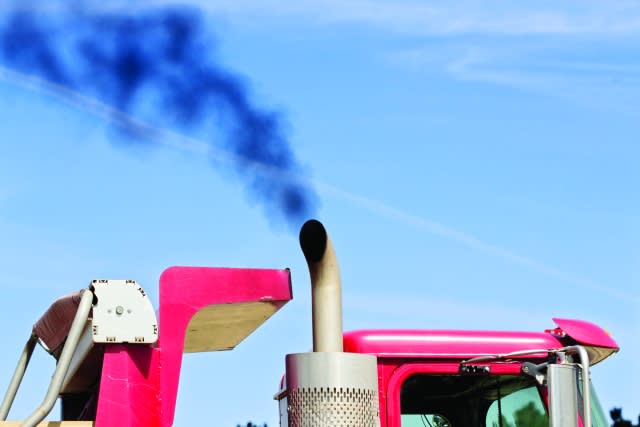
In the past, engine mechanical problems showed visible signs, such as exhaust smoke color, soot traces, or a new oil stain underneath the truck. This is no longer the case. (Photo: Getty Images)
Just because preventive maintenance (PM) interval recommendations may be extended by an OEM does not mean fleets should de-emphasize engine component maintenance practices.
Instead, maintenance and fleet management professionals should recognize that strategic change is warranted, and that change should be manifested in increased attention to symptoms rather than, in the past, clear evidence of impending failure.
The adoption of a PM strategy that embraces change, constant revision, and a high proficiency of current technical training should become a major factor in a fleet’s business model.
In the old days, technicians could utilize visible evidence to aid their diagnostic and subsequent maintenance efforts. The color of exhaust smoke, telltale soot traces on turbocharger outlets or exhaust manifolds, a skip in engine timing, steam, or even a new oil stain underneath the truck were all clear indications of current or impending problems that should not be ignored.
Today’s engine technology and hardware systems have been engineered beyond those telltale signs, making the practice of visual diagnostics practically obsolete and, if relied upon solely, can lead a technician down the wrong path wasting time and money.
Let’s cover the easy stuff first. Not so long ago, preventive maintenance intervals were based on the engine oil change schedule recommended by the OEM.
PM inspections, at all levels and for all vehicle systems, were typically triggered and initiated by miles. It was accepted that the life of the oil had been exhausted and the time to exchange the existing oil for new oil had come based on the predetermined interval set by the engine or truck OEM. Scheduling PM inspections and processes based only on oil change intervals may no longer work for many fleets.
Although an oil change interval may be extended — either by OEM recommendation, the implementation of CK-4 or FA-4 oils, or oil analysis data — engines remain as susceptible to contaminated intake air and poor quality diesel fuel as ever.
Consequently, even if the oil-change interval may double or even triple, fleets should consider and evaluate the value of checking and replacing engine air and fuel filters more frequently than the oil change interval allows. Operating conditions, fuel quality, and even safety considerations may make more frequent inspections beneficial, even if an engine oil change is not included.
Air filtration servicing, such as air filter replacement, should be determined by an air restriction indicator installed on the air intake system. When a truck is not equipped with such a gauge, a water manometer can be used in the shop to measure restriction.
Maintenance professionals know that air filter effectiveness increases as the filter ages in use. But as the air filter ages and level of restriction increases, the service life of the air filter is eventually exhausted over time and miles. A restriction indicator is the best way to determine if the air filter’s service life has reached its end.
Although some fleets clean and reuse air filters, no OEM recommends this risky practice.
As for fuel filters, diesel fuel quality, including and especially the presence of water, continues to be a challenge. OEMs frequently deny engine failure warranty claims citing the presence of water in the fuel. In today’s world, unfortunately, all diesel fuel has some water in it.
Engine fuel systems and components feature higher fuel pressures, increasing the importance of clean fuel. Fortunately, fuel filter media has improved and many heavy-duty engine OEMs recommend changing the fuel filter at 30,000 miles or higher. Other OEMs recommend a specific measurement be taken before replacing the fuel filter.
Because water is ever present in diesel fuel, fleets with vehicles equipped with water separators should ensure the water separator is drained frequently. A dry PM service — one without an oil change — should include the draining of water from the separator at every interval. This is a simple procedure that can also be incorporated into a driver’s pre-trip routine.
The integrity of the engine cooling system, while important in the past, is exponentially more critical in today’s engines which are equipped with selective catalytic reduction and require high temperatures to operate. A current PM program must include checks to assure the cooling system is operating at its maximum potential and its pH balance is up to spec.
Inspecting the v-belt tension and condition is often overlooked by PM technicians as the reliability and service life of belts has improved. But, it is important to remember that the integrity of drive belts is critical to uptime.
Failure of the belt — driving the alternator, air compressor, water pump, or even the air conditioner — can disable a truck just as surely as a flat tire. Including a belt-tension inspection and adjustment on a PM checklist should not be overlooked.
Although this article is about engines, it should be noted the servicing of electronic transmissions is equally critical. In the old days, a mechanical, gear-driven transmission would seldom require attention.
But, today’s automated and automatic transmissions rely heavily on electronics. They are much less forgiving and require regular fluid service and filter changes. A good PM program may require the establishment of a separate service interval for the transmission to ensure it, too, receives the requisite attention at the proper interval.
Further, today’s transmissions feature diagnostic code verification processes that are incorporated within the shifting panel on the dashboard. Technicians servicing these components must be fully schooled on how to access and interpret the information.
Just as with cooling and air intake systems, the periodic inspection of braking, electrical, and other systems should not be extended. These systems may require more frequent attention than allowed by extended oil-drain intervals to assure the highest degree of safety is maintained while maximizing vehicle uptime.
Preventive maintenance intervals were once driven by whenever the oil change was scheduled. This is no longer the case. Up-to-date scheduling may include both dry (no oil change) and wet (oil change included) preventive maintenance inspections.
Many fleets recognize that using miles or hours to determine PM intervals is not necessarily the best method to schedule periodic maintenance or inspections. These fleets have changed interval scheduling based on time and/or gallons of fuel consumed. This can be particularly useful for fleets that routinely experience longer intervals of vehicle idling.
Taking the place of the visual diagnostic processes noted above is the presence of a considerable amount of diagnostic data contained within the vehicle’s own database. Updating PM processes can more reliably utilize the information currently available within a vehicle’s own database while still practicing the time-honored processes that remain unchanged.
Today’s PM program should include the use of a scan tool and utilize vehicle telemetry data as the PM is initiated. Accessing and evaluating the elements within the database will lead the technician in assessing the true state of a vehicle’s health.
Engine idle history, miles/gallon trends, engine temperature graphics, mass air flow data, RPM history, oxygen content data, and oil pressure are examples of engine performance elements that are easily accessible with the proper tools and should not be ignored.
Part 3 of this series, from the April 2017 issue, recommended, as a first PM step, performing an engine regeneration (regen) before pulling the vehicle into the shop for its inspection. While the regen is being performed, this is an ideal time for the PM technician, using a scan tool, to review the vehicle’s database and take note of any trouble codes that may be present.
One might imagine that an engine computer, capable of hundreds of thousands of operations a second, would exert absolute control over the engine to assure peak efficiency and consequently eliminate maintenance attention. But, many variables can get out of hand in ways the computer cannot predict and the engine cannot control.
For instance, fuel quality varies, injector nozzles wear unevenly, and humid air exerts a greater cooling effect on mass air flow sensors than dry air. These and a hundred other variables affect engine efficiency, operation, and longevity and demand the attention of well-trained technicians to diagnose and repair through up-to-date diagnostic and preventive maintenance processes that recognize and interpret the current state of engine technology data resources.
This is only the beginning. Engines, in the near future, will become more technologically proficient; the resultant population of sensors will grow; and the complexity of sensor integration used to report engine output, efficiency, and trouble codes will escalate with each new engine family or generation.
Fleets that recognize this new reality will ensure their PM processes and abiding strategies change and adapt accordingly.

A new referral partnership connects on-site fueling and maintenance services, with a focus on reducing off-site trips and making better use of fleet downtime.
Read More →
Unplanned downtime hurts efficiency and even profitability for work truck fleets, but catching potential problems early can help prevent it. Here is an inspection list that can help potentially prevent that downtime.
Read More →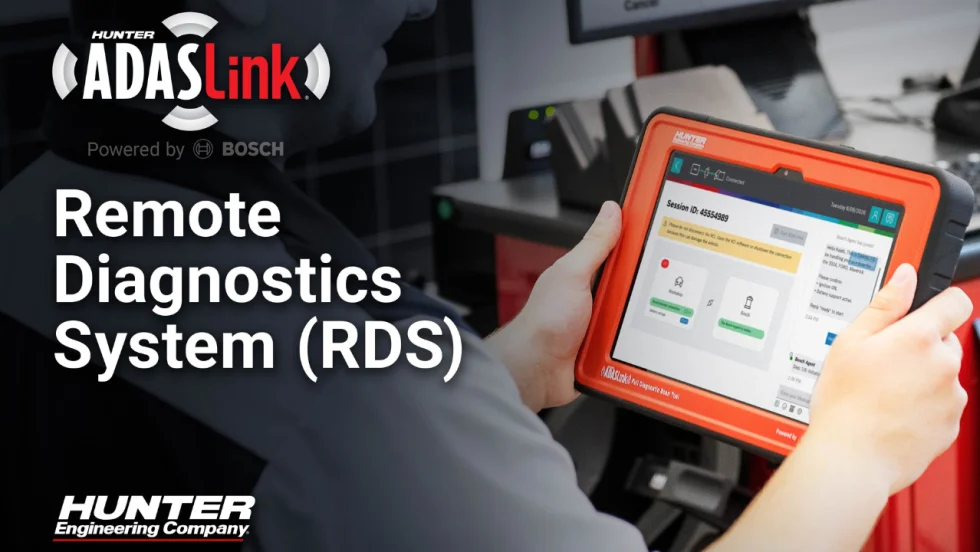
Hunter Engineering’s collaboration with Bosch enables ADASLink to connect directly with Bosch diagnostic experts through an integrated remote support platform, allowing shops to service more vehicles.
Read More →How JASPER Keeps Fleets Moving and Profitable
Sponsored by Jasper Engines & Transmissions

Basic Tracking vs Next Generation Fleet Technology
Sponsored by AT&T Business

5 Facts Every Fleet Manager Should Know About Embedded Telematics
Sponsored by Stellantis/Mobilisights

How AI Video Telematics Boosts Driver Safety and Helps to Avoid Unnecessary Costs
Sponsored by Verizon Connect

Charting the 8 Bottom-Line Benefits of Workforce Optimization
Sponsored by Verizon Connect

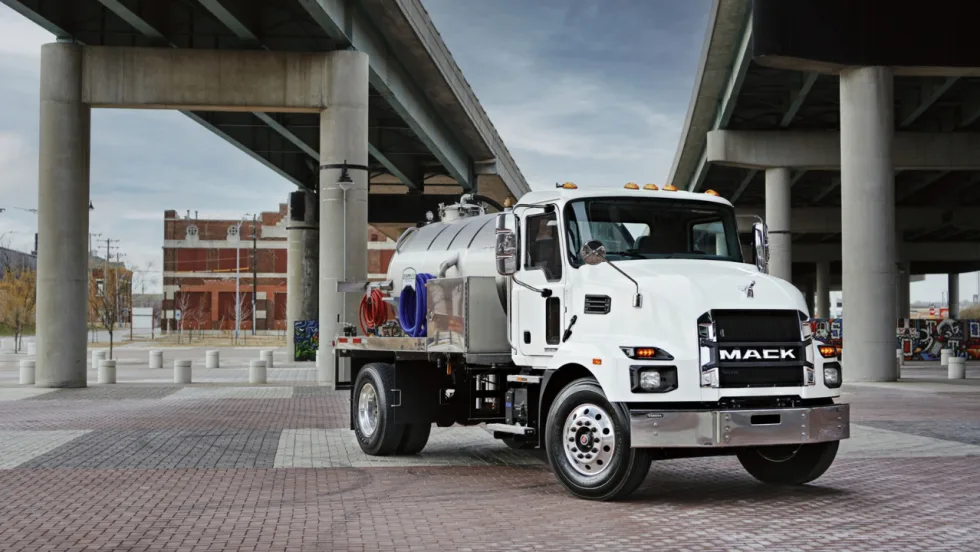
Mack Trucks introduced four system-specific chassis coverage plans, giving fleets more flexibility to manage repair costs for driveline, HVAC, electronics, safety systems, and other components.
Read More →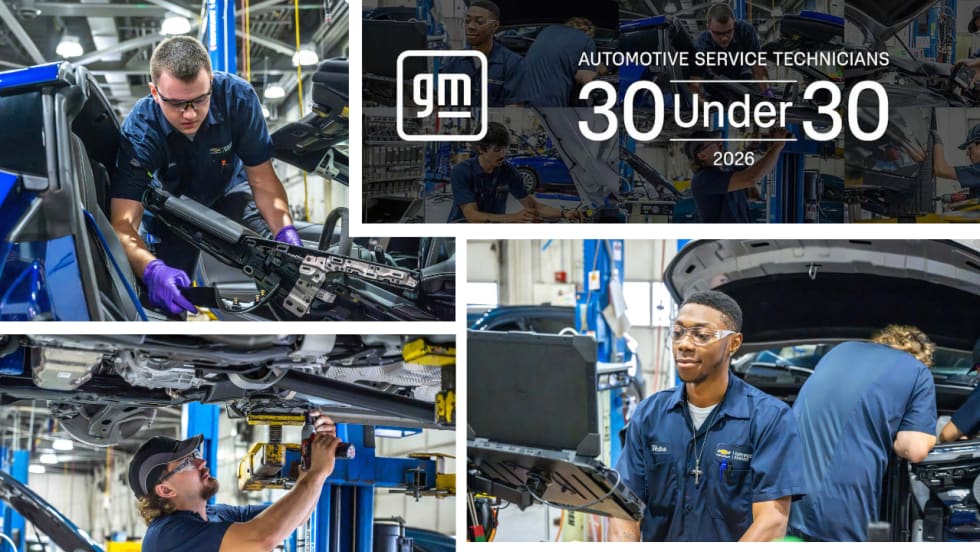
The GM Automotive Service Technicians 30 Under 30 program honors GM service technicians under the age of 30 who demonstrate continuous technical training, exemplary customer service, mentorship, and leadership.
Read More →
A strategic partnership between Kooner Fleet Management Solutions and Safe Truck Parking brings mobile maintenance and 24/7 repair services directly to Safe Truck Parking locations, beginning in San Diego, California, with nationwide expansion planned.
Read More →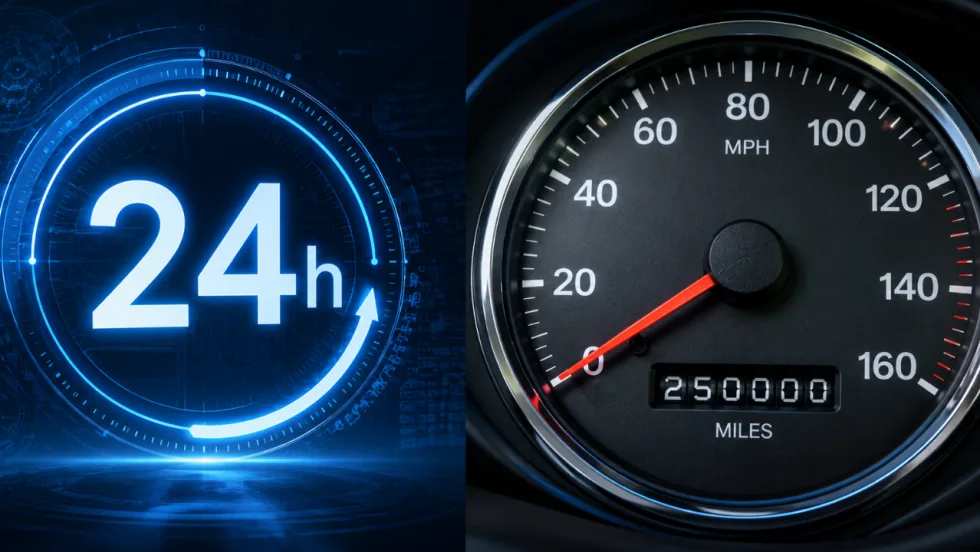
Meter readings still matter, but engine hours, idle time, maintenance trends, and utilization can help fleets spot costly vehicles before the odometer does.
Read More →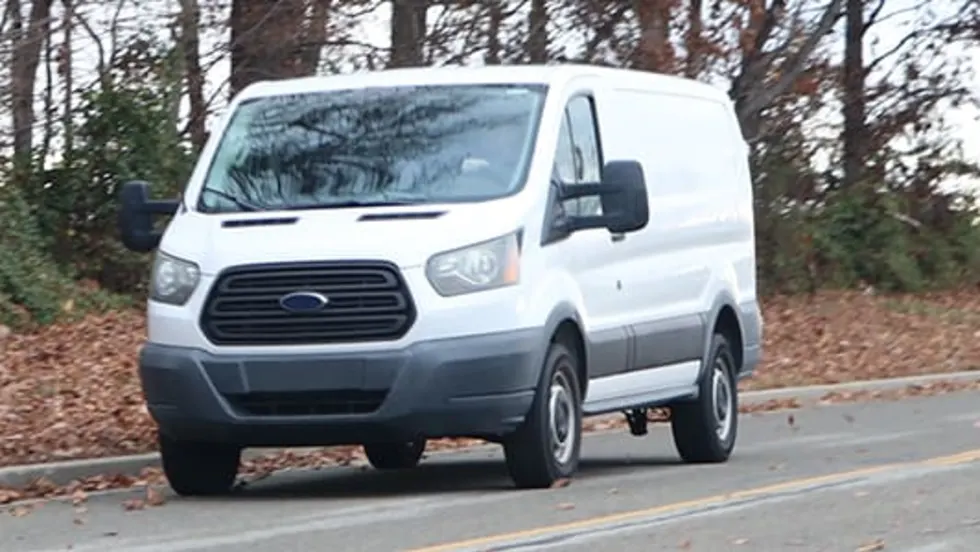
Every business decision within fleet management ultimately comes down to financial performance. Investing in dependable replacement powertrain components and responsive support can measurably impact the bottom line.
Read More →
Hosted in Nashville, Ryder’s 25th annual Top Technician Skills Competition honored the best technicians across the U.S. and Canada. Top Tech celebrates technician expertise while promoting growth, recognition, and camaraderie. Here are the winners.
Read More →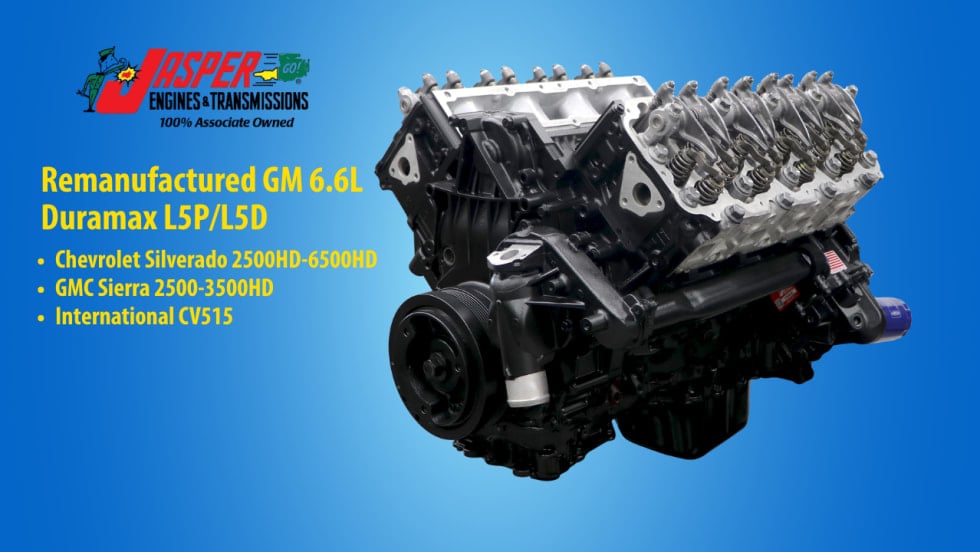
Jasper Engines & Transmissions now offers the remanufactured GM Duramax 6.6L L5P/L5D as a complete format engine for several General Motors and International 2017-2023 HD pickup trucks.
Read More →