





Learn More: 4 Latest Tech to Combat Distracted Driving
Why Underestimating Drowsiness Leads to Crashes
A new study by the AAA Foundation revealed the most drivers underestimate their level of drowsiness. Here are key findings and common symptoms to look out for.
July 27, 2023

Drivers underestimated their drowsiness 75% of the time.
Photo: Work Truck
3 min to read
Drowsy driving is a widely experienced yet often underestimated issue among drivers, leading to a significant role in traffic crashes, injuries, and fatalities.
While government statistics may not fully capture its extent, the AAA Foundation for Traffic Safety research suggests that around 16% to 21% of fatal vehicle crashes involve drowsy driving.
A recent study by the Foundation revealed that drivers tend to underestimate their drowsiness, leading them to continue driving instead of taking a necessary break.
Educating on the Early Signs
Dr. David Yang, the president and executive director of the Foundation, warns that driving while drowsy is a dangerous form of impairment that doesn't improve with continued driving.
The objective is to educate drivers about early warning signs of drowsiness so they can recognize when it's time to stop, rest, and continue their journey safely.
Drowsiness refers to an increased tendency to fall asleep, which poses the risk of dozing off at the wheel and impairs a driver's alertness.
Crashes caused by drowsy driving can be severe as the driver may not attempt to avoid the collision, resulting in high-speed impacts. Additionally, a drowsy driver may lose control of the vehicle due to being startled.
Drivers Underestimated Their Level of Drowsiness
To better understand the impact of drowsiness, researchers conducted a simulated nighttime highway driving experiment covering 150 miles.
Participants could stop at simulated "rest areas" every 20 miles to rest, nap, or refresh themselves. The study found that drivers' perception of their drowsiness didn't always align with their actual level of sleepiness, affecting their decision-making on when to take breaks.
Key findings from the study include:
Drivers often underestimated their level of drowsiness, with 75% rating themselves as less drowsy than they actually were.
Even when drivers' eyes were closed for extended periods, indicating severe drowsiness, one in four still rated their drowsiness as low.
Drivers rarely took breaks unless they felt extremely drowsy, and even then, they declined 75% of their opportunities to rest and kept driving.
The results highlight the need for drivers to recognize their level of drowsiness and be aware of warning signs to avoid falling asleep while driving.
Look out for These Common Symptoms
Common symptoms of drowsiness include difficulty keeping eyes open, lane drifting, and difficulty recalling the last few miles driven.
Drivers should not wait for their bodies to give them an alarm; it's crucial to prioritize getting at least seven hours of sleep before embarking on a journey. AAA recommends several measures to prevent drowsy driving:
Travel during times when you are normally awake.
Avoid heavy meals before driving.
Refrain from using medications that cause drowsiness or impairment.
For longer trips, drivers are advised to take breaks every two hours or every 100 miles, consider traveling with an alert passenger to share driving duties, and not underestimate the benefits of a short nap (around 20 to 30 minutes) at rest stops to stay alert.
AAA supports the development of vehicle technology that can passively monitor drivers for impairment and intervene if necessary, including detecting drowsiness, medical impairment, or the influence of drugs or alcohol.
The 2021 Infrastructure Investment and Jobs Act mandates NHTSA to establish testing standards for such technology to enhance road safety.
More Safety & Compliance
GeoFencing Adds to Your Truck Security Arsenal
Geofencing is a familiar fleet tool today, but its early adoption marked a major shift in vehicle tracking, route monitoring, and the debate over employee privacy.
Read More →
Recalls You Need to Know About in October 2026
In October 2026, what recalls might impact your fleet? Work Truck has the answers in this comprehensive overview of recent NHTSA recalls.
Read More →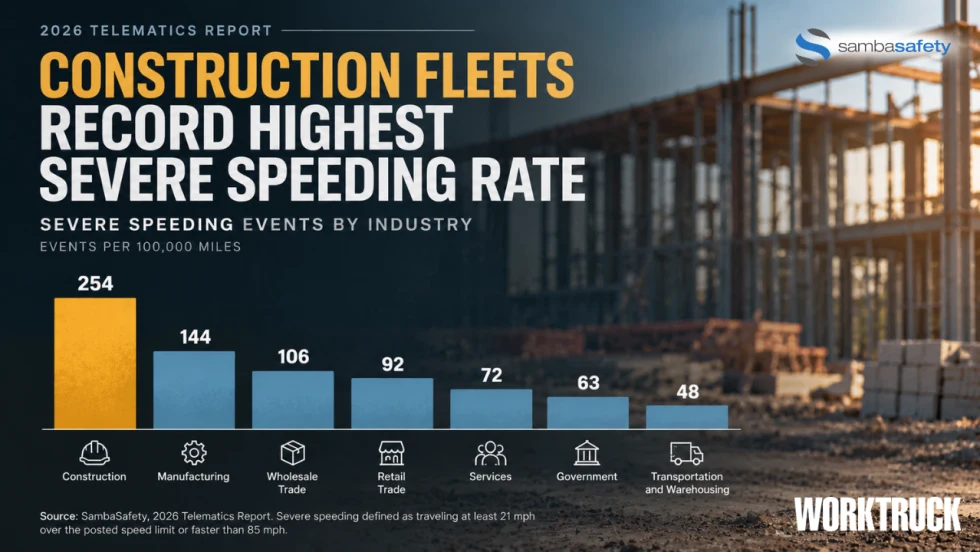
Construction Fleets Show Telematics Adoption Alone May Not Reduce Driving Risk
SambaSafety found construction fleets monitor roughly 92% of their vehicles but recorded the highest severe speeding rate among industries studied.
Read More →From Our Partners



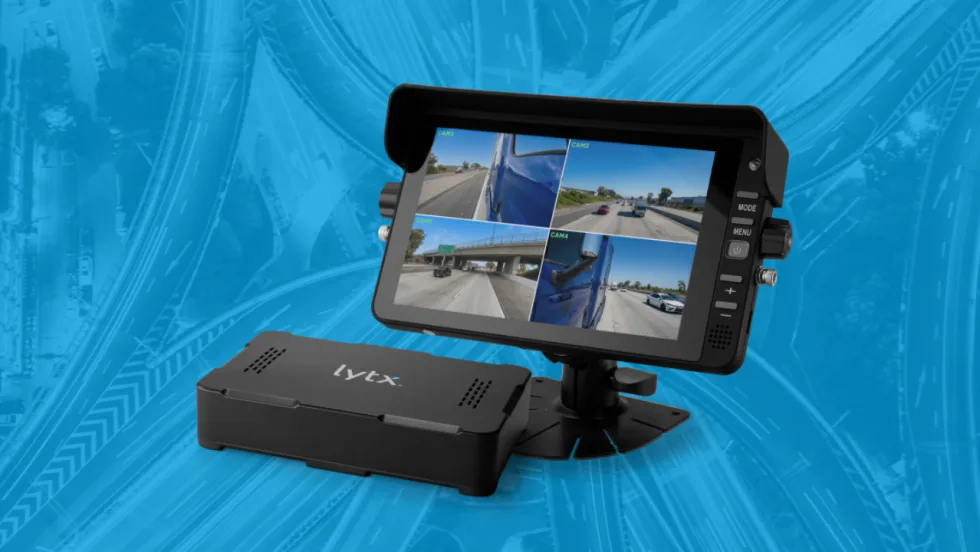
Lytx Launches 360 Hub Kit for Expanded Fleet Camera Visibility
Lytx’s new AI-ready gateway and HD auxiliary camera ecosystem, the Lytx 360 Hub Kit, extends visibility across side, rear, cargo, and blind-zone views to help fleets see more and respond faster.
Read More →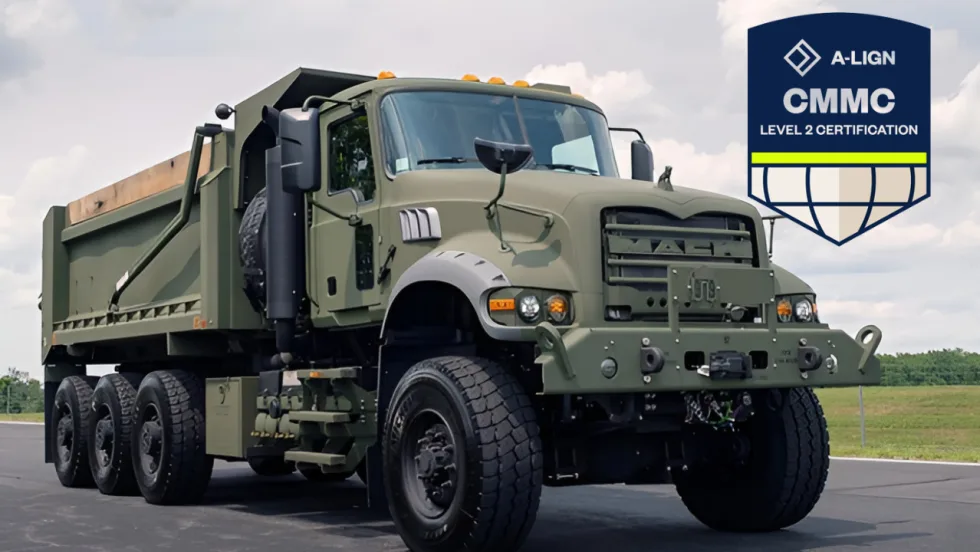
Mack Defense Achieves Cybersecurity Maturity Model Certification Level 2
After an assessment conducted by an authorized Certified Third-Party Assessment Organization (C3PAO), Mack Defense has achieved Cybersecurity Maturity Model Certification (CMMC) Level 2.
Read More →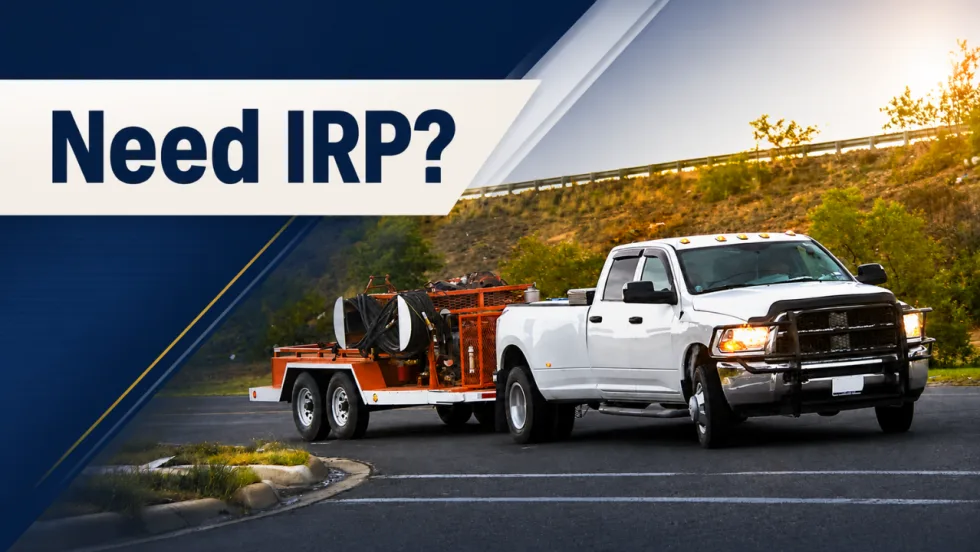
When Work Trucks Under 26,001 Pounds Need IRP Registration
Think trucks under 26,001 pounds are automatically in the clear when it comes to IRP? Not always. Learn where lighter vehicles can still run into trip permit, apportioned registration, and IFTA compliance requirements when crossing state or provincial lines.
Read More →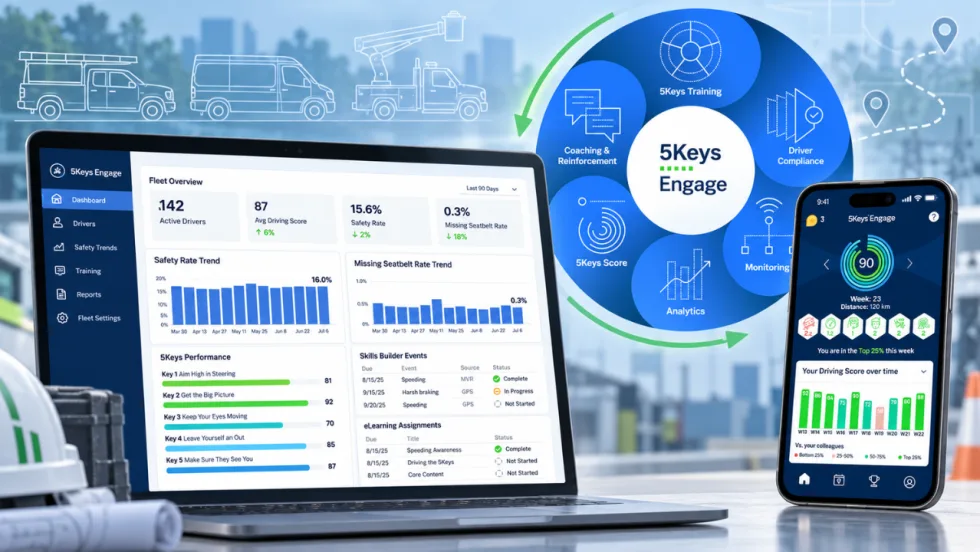
Smith System Wants Work Truck Fleets to Look Beyond the Driver Alert
Smith System’s new Driver Risk Management program is built to help mixed work truck fleets turn telematics alerts and observations into specific behaviors, coaching actions, and measurable follow-up.
Read More →
Volvo Trucks Releases New Safety Recommendations for Traveling with Pets
One of the most important recommendations for professional drivers traveling with pets is to ensure pets are properly restrained while the truck is moving. Other tips are available in the new guide from Volvo Trucks North America and Center for Pet Safety.
Read More →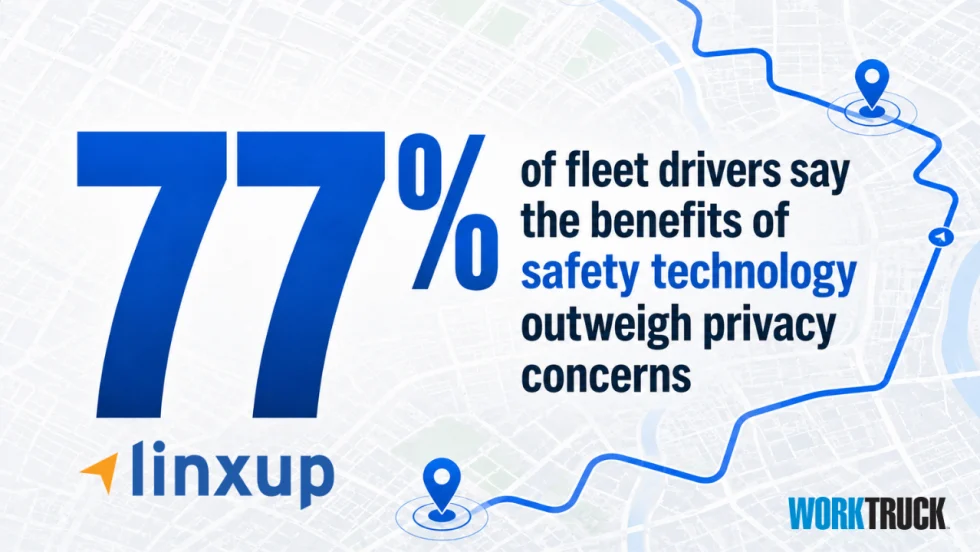
Are Work Truck Drivers Warming Up to Dash Cams and GPS Tracking?
A new survey finds field-service drivers may be more comfortable with dash cams and GPS tracking than fleet managers think, especially when the technology helps protect them after a crash.
Read More →
Recalls You Need to Know About in September 2026
If you have Altec, Chrysler, Ford, Heil, General Motors, International, Mack Trucks, Paccar, Rivian, Royal Truck, Toyota, US Truck Body, or Volvo Trucks vehicles in your fleet, you should check these important recalls issued by the National Highway Safety Administration.
Read More →