





Ramping Up: Ford Increases Production of Electric, Gas, and Hybrid Models
Ford's Next Electric Truck Finds Home
Ford Motor Company's next-generation electric truck will be built at BlueOval City, where the truck plant on the site will be capable of producing 500,000 electric trucks a year at full production.
March 25, 2023
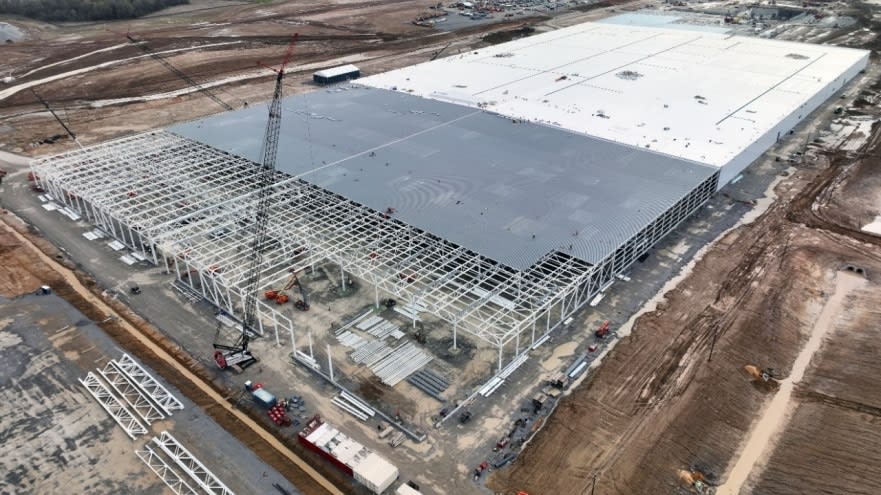
Ford's Project T3 is one vehicle being built at BlueOval City, as the company targets a production run rate of 2 million EVs annually worldwide by late 2026.
Photo: Ford
1 min to read
Ford announced that its second-generation electric truck, codenamed Project T3, will be built at the BlueOval City electric vehicle and battery manufacturing campus in West Tennessee and begins production in 2025, according to the company's news release.
“BlueOval City is the blueprint for Ford’s electric future around the world,” said Bill Ford, Ford’s executive chair. “We will build revolutionary electric vehicles at an advanced manufacturing site that works in harmony with the planet, aligning business growth and innovation with environmental progress.”
Ford said its Project T3 aims to further grow the Ford truck franchise.
“Project T3 is a once-in-a-lifetime opportunity to revolutionize America’s truck," said Jim Farley, Ford president/CEO. “PJ O’Rourke once described American pickups as ‘a back porch with an engine attached.’ Well, this new truck is going to be like the Millennium Falcon – with a back porch attached."
Ford is developing its second-generation EV truck with the all-new assembly plant.
The 3,600-acre campus also has a fully integrated BlueOval SK battery manufacturing site. On-site, the team will build battery cells and arrays and assemble battery packs that will be delivered just across the site into the assembly plant, in less than 30 minutes.
Project T3 is short for “Trust The Truck” – a code name that stuck after the development team made it their rallying cry, according to the company.
Originally posted on Automotive Fleet
More Small Fleet


Developing Budget-Friendly Driver Safety Programs
From driver training and safety meetings to one-on-one coaching and incentive programs, several small fleets share how they have developed a safety culture with their drivers using low- to no-cost resources.
Read More →
Sponsored•March 9, 2026
Boosting Last-Mile Fleet Uptime, Safety, and Value with AI Vehicle Inspections
AI-powered inspections are transforming last-mile fleets by replacing manual checks with highly accurate automated scans that detect defects in seconds. By giving fleet operations visibility into the daily condition of their vehicles, you can identify trends over the vehicle’s lifecycle that enable improved procurement decisions, route management, driver training and accountability.
Read More →
Five Ways Seat Belts Help Prevent Injuries
There are five ways seat belts protect occupants from injuries, according to the Tennessee Department of Safety and Homeland Security.
Read More →
Sponsored•January 14, 2026
It’s here: The 2026 Fleet Technology Trends Report
What does AI mean for fleets? Get the answer — and learn other top tech trends.
Read More →
Small Fleets, Big Impact: How Independent Drivers Power Wreaths Across America
Check out how small fleets and independent drivers power Wreaths Across America each December and why their impact matters more than ever.
Read More →
VMS Survey Finds 65% of Small Fleet Managers Run Operations Alone
A new VMS survey shows small fleet managers are stretched thin, with most handling operations solo and eager to adopt digital tools for relief.
Read More →
Tips for Driving Safely on Halloween Night
This video features a reminder from the Connecticut Department of Transportation (DOT) and the Connecticut Police Chiefs Association, urging drivers to prioritize safety this Halloween.
Read More →
AI, Access, and Uptime: VMS’s Next Chapter with David Prusinski
VMS’s new Co-CEO, David Prusinski, shares how an AI-first approach will give small fleets and repair shops the tools to compete like big players.
Read More →
Fleet Managers Share Winter Prep Tips: It's Never Too Early!
Three fleets share best practices to prep vehicles for winter and prevent downtime when the cold sets in.
Read More →