




RealTruck Prepares Fleets for the Spring Season
RealTruck breaks down the safety products it offers to keep trucks safe during the rainy conditions in the upcoming months.
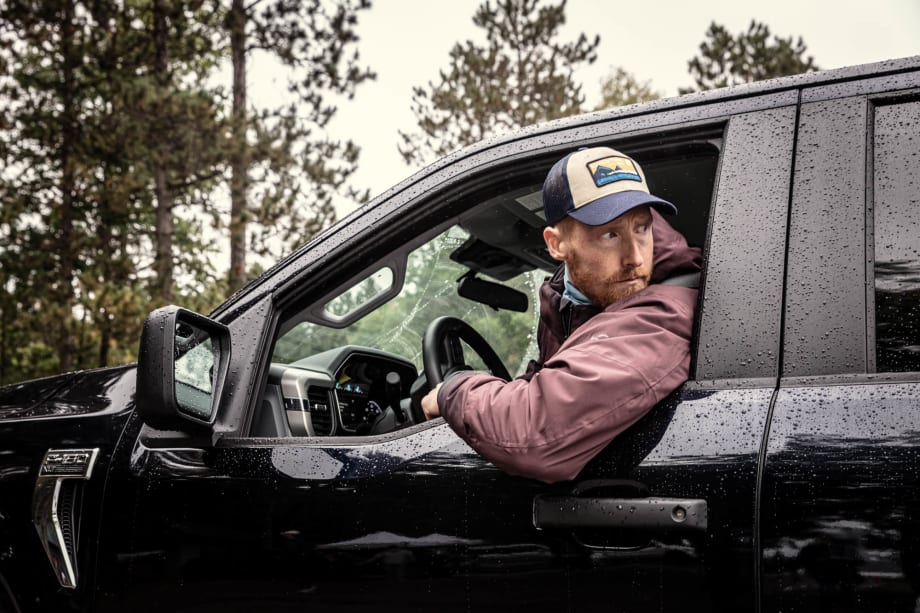
RealTruck says many people drive more carefully in the snow than rain, which means more accidents occur in rainy conditions.
Photo: RealTruck
As the middle of the spring season approaches and the rain continues to fall, it's important to drive with caution when heading out on the road.
Rain can cause a fleet’s truck to slide, increase breaking time, and greatly impair visibility, especially at night. According to a report conducted by the Federal Highway Administration (FHWA), wet pavement causes 75% of accidents, and rain causes 47% of accidents when it comes to inclement weather.
Furthermore, nearly 6,000 people are killed and more than 544,700 people are injured due to accidents on wet pavement. Spring also brings a lot of wind to many states, which can be hard to navigate if a fleet is towing anything large. There are driving tips and specific safety products to help keep a truck safe all spring long.
Treat Snow & Rain the Same
While driving the truck in the rain, act as cautiously as you would in the snow. Many people drive more carefully in the snow than rain, which means more accidents occur in rainy conditions.
At night, be extra cautious and, if you can’t see well enough, pull over until the rain lightens up or stops completely. There are some great lighting options to help a fleet in these conditions like the AVS Aeroskin Lightshield Pro. This product attaches to the front of the truck providing LED light on the road to help your visibility during moderate and heavy rain. The Lightshield Pro also converts from a running lamp to a display for both turn signals and hazard functions, allowing other drivers to see the truck.
Give Yourself Space & Keep Your Truck Bed Dry
Trucks often need more time to slow down and stop compared to cars, due to their weight. It’s critical to give the truck enough space while driving behind other cars and trucks on the road, particularly on freeways and highways when traveling at a faster speed. If a fleet encounters a situation on the road where the brakes need to be slammed, a fleet would want tires with traction and grip to bring the truck to a complete stop.
Nitto Ridge Grappler Tires perform in rainy conditions due to their tapered edges and shoulder lugs, which provide additional traction.
Additionally, it’s smart to have a tonneau cover on the truck bed while driving in the rain. Obviously, this will keep the truck’s gear dry and secure in case it needs to come to a quick stop or happen to swerve on the road. The Bak Revolver X4s is a truck bed cover for rainy and wet conditions because of its watertight seals. Keeping the truck bed covered and dry, it also reduces the weight in the vehicle.
Simple Upgrades Go a Long Way
As the weather gets warmer, it’s a great time to upgrade and care for the truck after the winter season. Small enhancements can help in all kinds of weather, but a couple that can aid in wet conditions during the spring are Ionic 3’’ Black Nerf Bars and Husky Liners Weatherbeater Floor Liners. The nerf bars have rubber gripping to make sure the driver doesn't slip getting in or out of the truck. Husky liners, on the other hand, will keep the truck’s interior clean and dry.
Clearly, there are small and large purchases that can help a driver stay safe in rainy spring conditions this season. For truck parts and accessories during every season visit here.
About the Author: Tony Ambroza, chief growth officer of Truck Hero. This article was authored and edited according to WT editorial standards and style. Opinions expressed may not reflect that of WT.
More Safety & Compliance
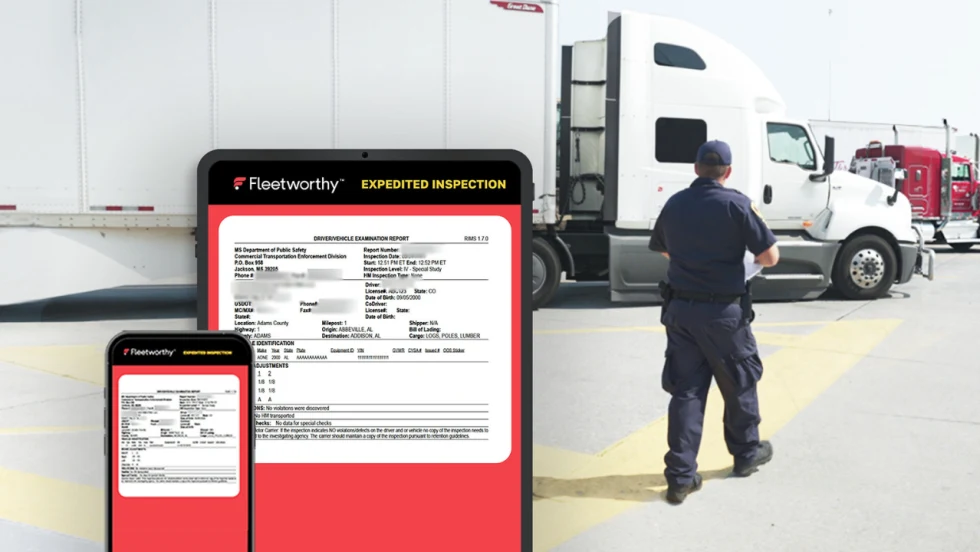
Fleetworthy Expands Expedited Inspection to 5 States
Following its industry-first launch in Nevada, Fleetworthy’s automated inspection technology is now live in California, Michigan, Vermont, and Maine.
Read More →
Crossing State Lines in a Light-Duty Work Truck? Check These Rules First
Crossing state lines in a lighter work truck? J.J. Keller's Kathy Close explains when IRP registration, trip permits, and towing rules come into play.
Read More →
GeoFencing Adds to Your Truck Security Arsenal
Geofencing is a familiar fleet tool today, but its early adoption marked a major shift in vehicle tracking, route monitoring, and the debate over employee privacy.
Read More →From Our Partners


Recalls You Need to Know About in October 2026
In October 2026, what recalls might impact your fleet? Work Truck has the answers in this comprehensive overview of recent NHTSA recalls.
Read More →
Construction Fleets Show Telematics Adoption Alone May Not Reduce Driving Risk
SambaSafety found construction fleets monitor roughly 92% of their vehicles but recorded the highest severe speeding rate among industries studied.
Read More →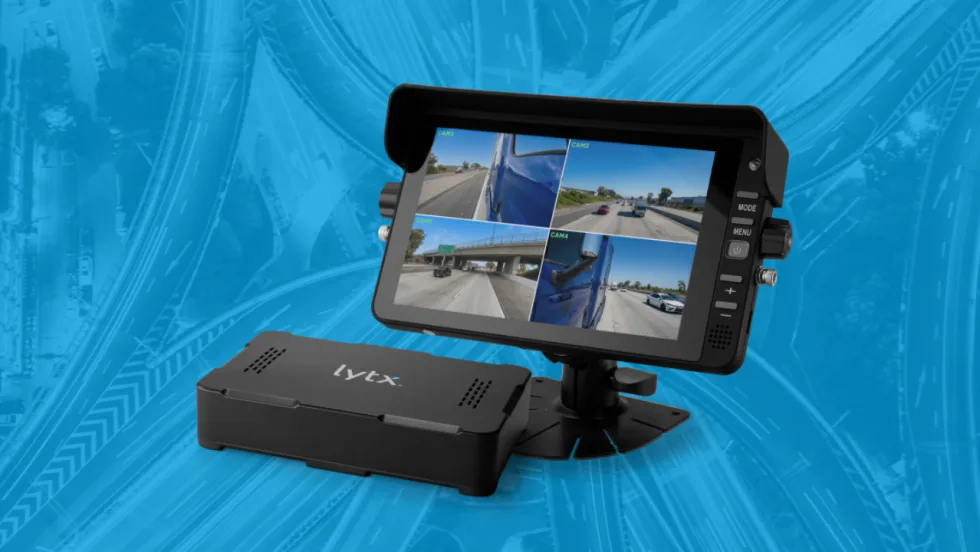
Lytx Launches 360 Hub Kit for Expanded Fleet Camera Visibility
Lytx’s new AI-ready gateway and HD auxiliary camera ecosystem, the Lytx 360 Hub Kit, extends visibility across side, rear, cargo, and blind-zone views to help fleets see more and respond faster.
Read More →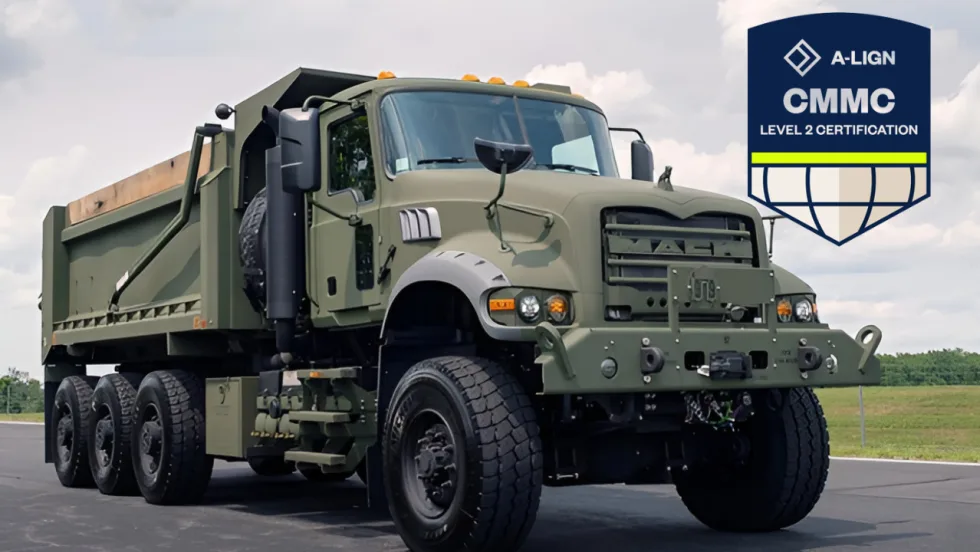
Mack Defense Achieves Cybersecurity Maturity Model Certification Level 2
After an assessment conducted by an authorized Certified Third-Party Assessment Organization (C3PAO), Mack Defense has achieved Cybersecurity Maturity Model Certification (CMMC) Level 2.
Read More →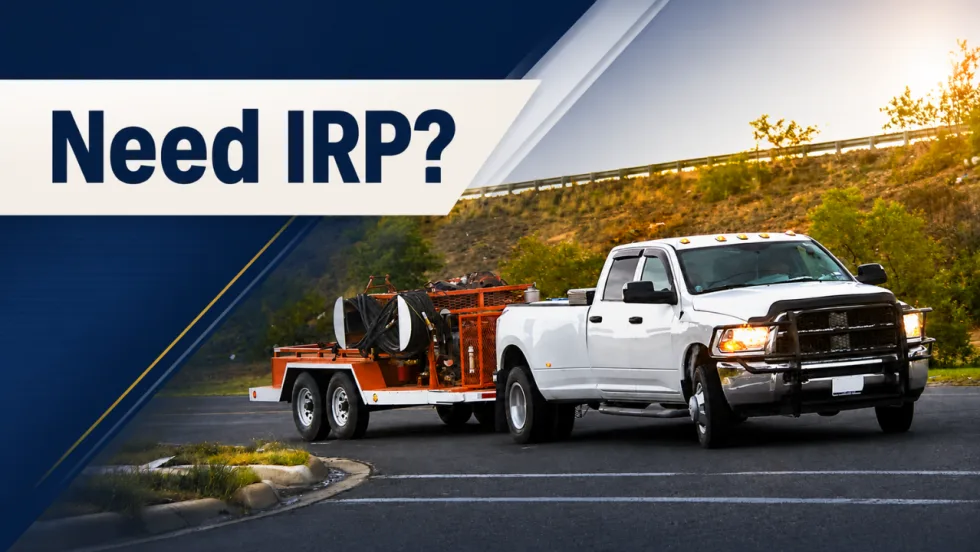
When Work Trucks Under 26,001 Pounds Need IRP Registration
Think trucks under 26,001 pounds are automatically in the clear when it comes to IRP? Not always. Learn where lighter vehicles can still run into trip permit, apportioned registration, and IFTA compliance requirements when crossing state or provincial lines.
Read More →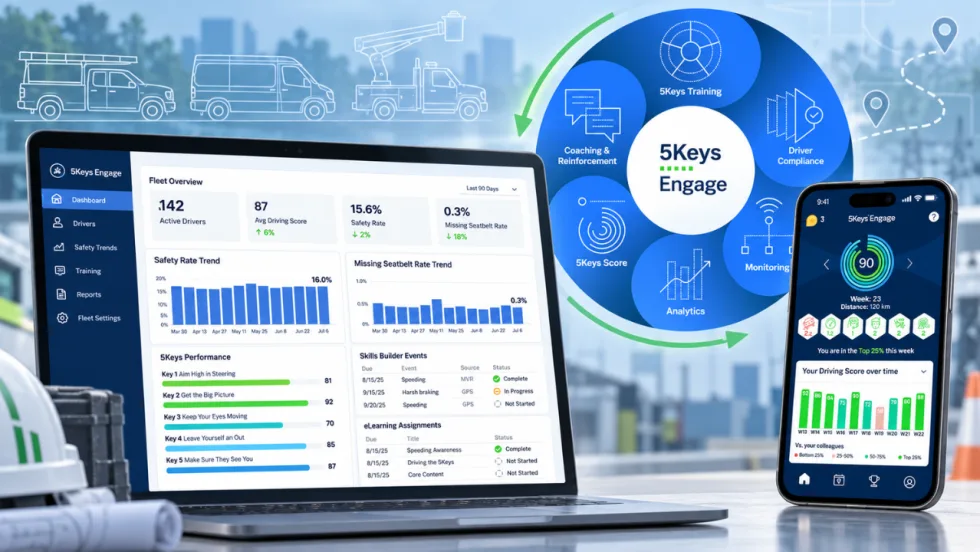
Smith System Wants Work Truck Fleets to Look Beyond the Driver Alert
Smith System’s new Driver Risk Management program is built to help mixed work truck fleets turn telematics alerts and observations into specific behaviors, coaching actions, and measurable follow-up.
Read More →
Volvo Trucks Releases New Safety Recommendations for Traveling with Pets
One of the most important recommendations for professional drivers traveling with pets is to ensure pets are properly restrained while the truck is moving. Other tips are available in the new guide from Volvo Trucks North America and Center for Pet Safety.
Read More →