





Background News: Fleets Can Electrify Faster Than Assumed
Study Confirms EVs Save Big on Carbon Emissions
What does pickup truck electrification mean for the decarbonization of the ground transportation industry? Recent findings from a Ford academic analysis compared the climate results of electric vehicles with ICE ones.
March 4, 2022
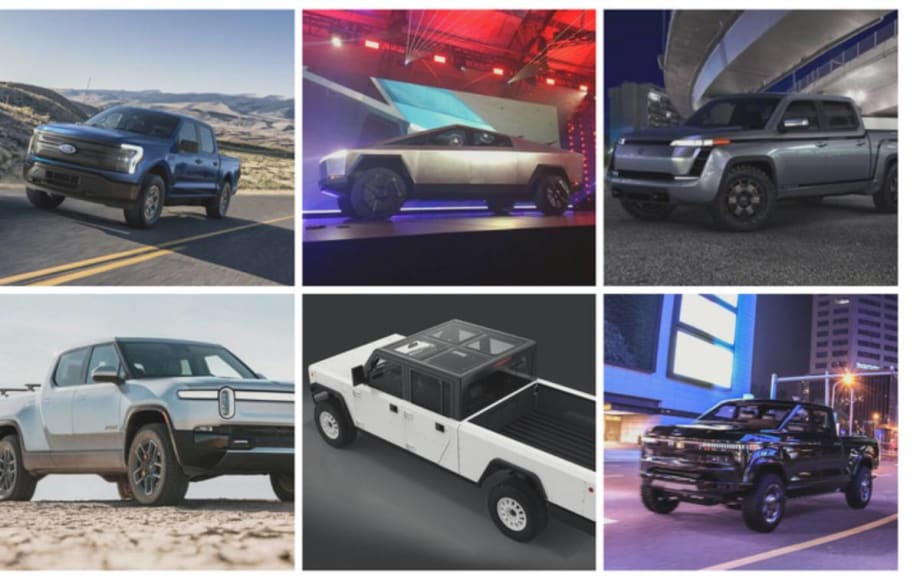
Though the percentage savings is about the same across vehicle classes, on average replacing an internal-combustion-engine pickup truck with a battery-electric pickup saves 74 metrictons carbon dioxide equivalent over the lifetime of the vehicles.
Photos: Ford, Chris Brown, Rivian, Lordstown, Bollinger Motors, and Atlis Motor Vehicles.
4 min to read
University of Michigan and Ford Motor Company researchers released a new study on March 4 that evaluated the savings in greenhouse gas emissions of electric vehicles relative to gasoline-powered pickup trucks.
Researchers found that light-duty, battery-electric vehicles have about 64% lower cradle-to-grave life cycle greenhouse gas emissions than internal-combustion-engine (ICE) vehicles on average across the United States. The study also punctured arguments that carbon emissions from manufacturing processes used to make EV batteries offset the carbon savings from operating an EV.
Light-duty vehicles, including sedans, SUVs, and pickup trucks, are currently responsible for 58% of U.S. transportation sector emissions. Pickup trucks accounted for 14% of light-duty vehicle sales in the United States in 2020, and the market share of both pickups and SUVs has grown in recent years.
“Our research clearly shows substantial greenhouse gas emission reductions that can be achieved from transitioning to electrified powertrains across all vehicle classes,” said study senior author Greg Keoleian, a professor at the U-M School for Environment and Sustainability and director of the U-M Center for Sustainable Systems.
Cynthia Williams, global director of sustainability, homologation and compliance at Ford, said in a news release, “This study can help us to understand the potential impact of electrification from an emissions reduction perspective, particularly as we introduce new electric vehicles, and how we can continue to accelerate our progress towards carbon neutrality.”
In the study, researchers conducted a cradle-to-grave life cycle assessment of pickup trucks and compared the implications of pickup truck electrification to those of sedan and SUV electrification. With a focus on evaluating greenhouse gas emissions, researchers looked at three different model year 2020 powertrain options — internal-combustion-engine vehicles, hybrid-electric vehicles, and battery-electric vehicles — for midsize sedans, midsize SUVs, and full-size pickup trucks, accounting for differences in fuel economy, annual mileage, vehicle production, and vehicle lifetime across vehicle classes.
“This study expands upon previous studies that have focused on comparing battery-electric vehicle sedans to their internal-combustion-engine or hybrid counterparts,” Keoleian said in the news release. “We report emissions for vehicle production, use, and end-of-life stages on a per-mile basis and over the total vehicle lifetime. In addition, we analyzed the regional variation in emissions considering differences in electricity grid mixes and ambient temperatures, and we also explored the effects of the rate of grid decarbonization on emission reduction.”
The study offers key findings. Researchers, for instance, found that switching an internal combustion-engine vehicle to a battery-electric vehicle results in greater total tonnage of emissions reductions as the vehicle size increases, due to the greater fuel consumption of larger vehicles.
“Though the percentage savings is about the same across vehicle classes, on average replacing an internal-combustion-engine sedan with a battery-electric sedan saves 45 metric tons of carbon dioxide equivalent, replacing an internal-combustion engine SUV with a battery-electric SUV saves 56 metric tons of carbon dioxide equivalent, and replacing an internal-combustion-engine pickup with a battery-electric pickup saves 74 metric tons carbon dioxide equivalent over the lifetime of the vehicles,” said study first author and Center for Sustainable Systems research specialist Max Woody.
The researchers also found that battery-electric vehicles have larger greenhouse gas emissions in their manufacturing than internal-combustion-engine vehicles, due to battery production, but this impact is offset by savings in their operation. For battery-electric vehicles and internalcombustion-engine vehicles, the breakeven time is 1.2 to 1.3 years for sedans, 1.4 to 1.6 years for SUVs, and 1.3 years for pickup trucks, based on the average U.S. grid and vehicle miles traveled.
Vehicle emissions vary across the country, as different temperatures and different drive cycles affect a vehicle’s fuel economy. For electric vehicles, the emissions intensity of the local electricity grid is also an important factor. The study developed maps to show the lifetime grams of carbon dioxide equivalent/mile for each powertrain (internal-combustion-engine vehicles, hybrid vehicles, and battery-electric vehicles) and vehicle type (sedan, SUV, and pickup truck) by county across the United States.
Researchers found that concerns about battery-electric vehicles having higher emissions than internal-combustion-engine vehicles or hybrids are largely unfounded, as battery-electric vehicles outperform hybrids in 95% to 96% of counties, while battery-electric vehicles outperform internal-combustion-engine vehicles in 98% to 99% of counties, even assuming only modest progress towards grid decarbonization.
Charging strategies can further reduce battery-electric vehicle greenhouse gas emissions. The study found that charging during the hours of the day with the lowest grid emissions intensity can reduce emissions by 11% on average.
“Deployment of electric vehicles and expansion of renewable energy resources like solar and wind should be done at the same time; the benefit of each is increased by the development of the other,” Woody said.
The study, “The role of pickup truck electrification in the decarbonization of light-duty vehicles,” was published online March 1 in the journal Environmental Research Letters. This study was supported by Ford Motor Company through a Ford-University of Michigan Alliance Project Award.
Study Information:https://iopscience.iop.org/article/10.1088/1748-9326/ac5142
Originally posted on Charged Fleet
More Green Fleet

Fleet Forward Conference Introduces One-Day Passes for 2026
New one-day registration gives fleet professionals the flexibility to attend Tuesday, Wednesday, or Thursday, with passes available for $199 through Sept. 18.
Read More →
CALSTART Rebrands as Catalyst Mobility, Will Combine with Forth in 2027
CALSTART has rebranded as Catalyst Mobility and will combine with Forth at the start of 2027. The new organization said it is poised to become one of the world's largest, strongest, and most impactful clean transportation nonprofits.
Read More →
Electric Truck and Charging Programs to Boost Sustainability at NY & NJ Ports
Together, the Port Authority of New York and New Jersey and CALSTART will electrify drayage and terminal operations serving the East Coast’s busiest container port. A pair of incentive programs totaling $45 million has launched to accelerate adoption of zero-emission drayage trucks and terminal tractors.
Read More →
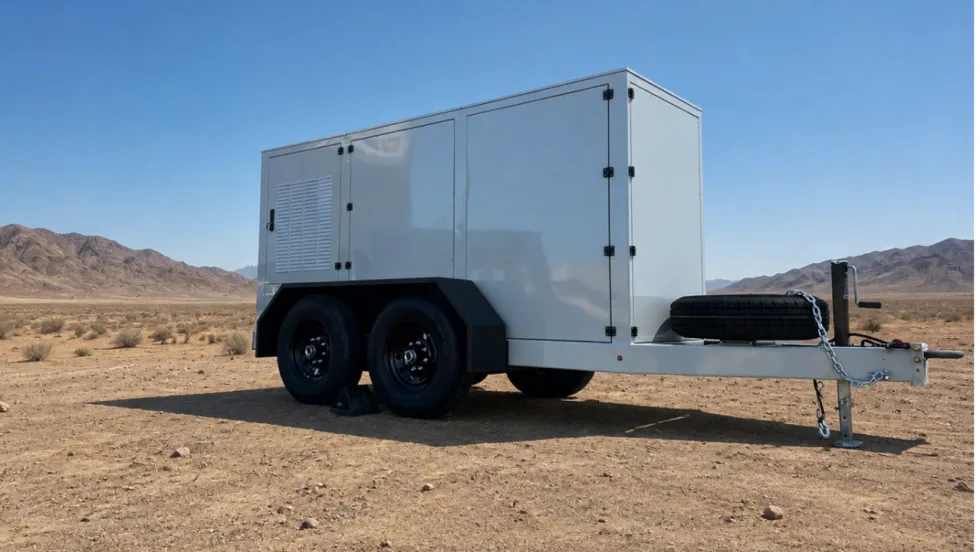
Xos Hub Surpasses One Gigawatt-Hour of Energy Delivered in the Field
A single Xos Hub has surpassed one gigawatt-hour of energy across more than 33,600 charging sessions in the field, demonstrating performance that supports Xos' expansion across new products and markets.
Read More →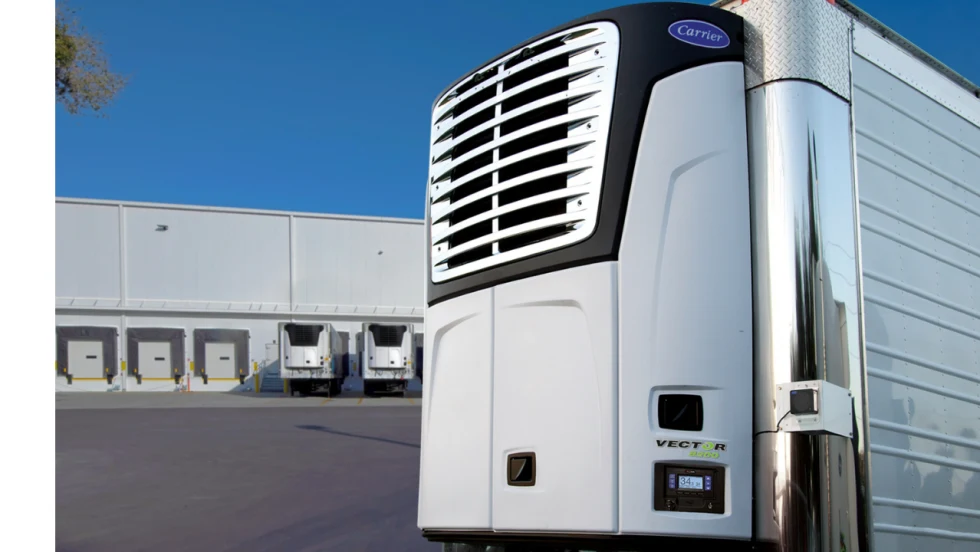
Carrier Transicold Launches All-Electric Vector 8200 TRU for Diesel-Free On-Site Cold Storage
Carrier Transicold’s first engineless multi-temperature TRU helps fresh- and frozen-food fleets add supplemental cold storage capacity during seasonal peaks.
Read More →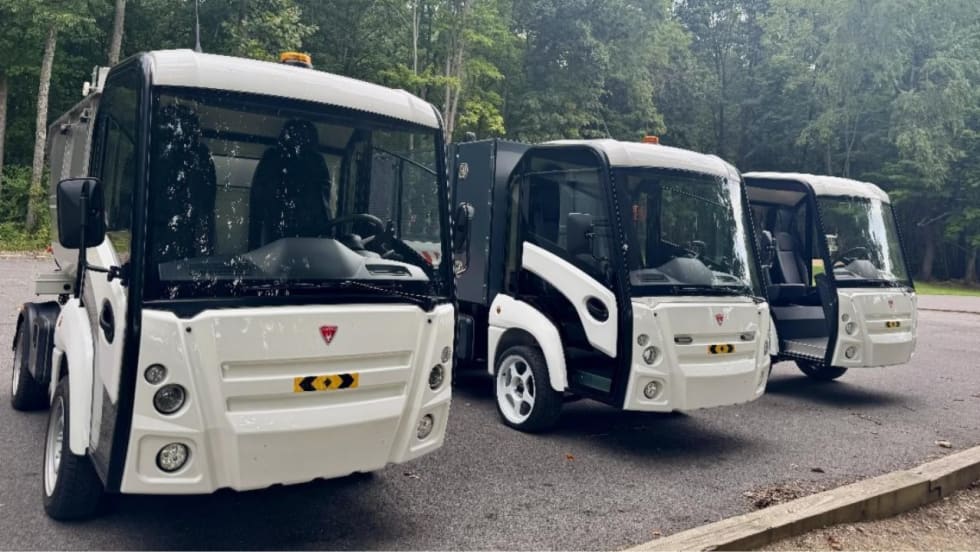
Narro Trucks Introduces Electric Utility Vehicle
Narro Trucks officially launched its operations on Aug. 20 and hosted a ride and drive to showcase its electric truck, which will be produced in Virginia.
Read More →
Samsung SDI Takes Full Control of GM Battery JV as Indiana Plant Pivots to Energy Storage
Samsung SDI is taking full control of its Indiana battery plant with GM, marking a major shift from the EV-focused joint venture Charged Fleet first covered in 2023.
Read More →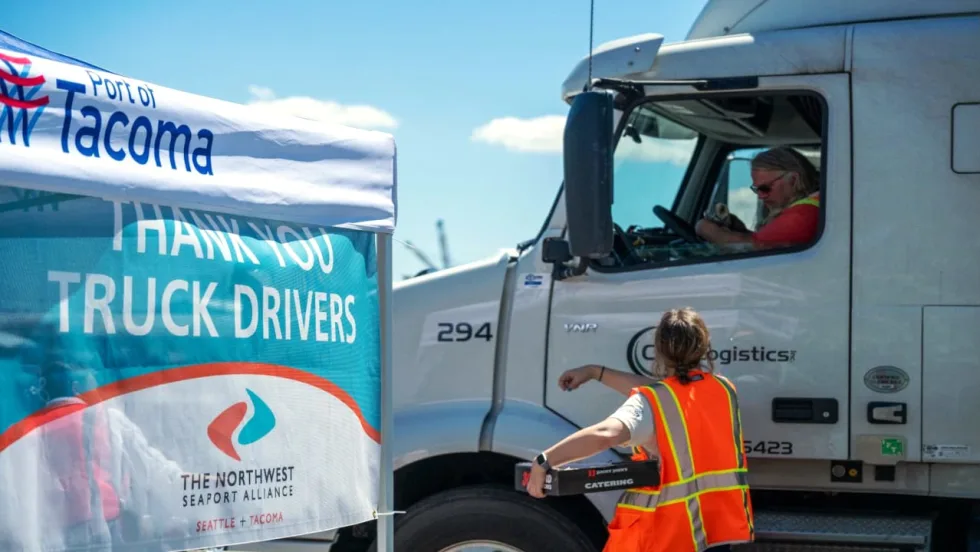
NWSA Taps CALSTART to Administer Zero-Emission Drayage Assistance Program
CALSTART will provide free technical assistance services to drayage fleets serving the Ports of Seattle and Tacoma and looking to transition to cleaner technologies and help decarbonize freight hubs.
Read More →
EV Fleet Reality Check: What Operators Wish They Knew Before Electrifying Their Work Vans
Electric work truck upfits bring new compatibility questions. Learn how parts availability, OEM guidance, power demands, and route planning can affect fleet performance.
Read More →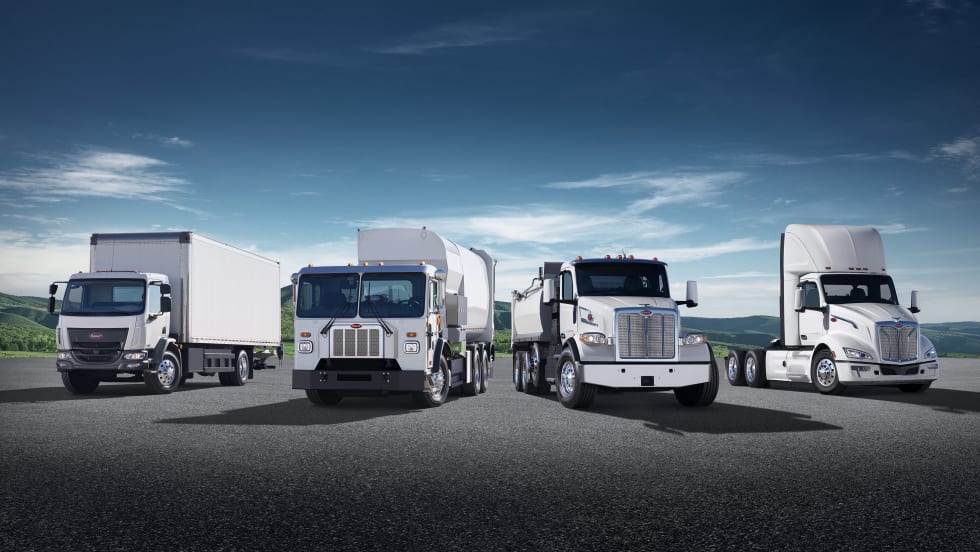
Peterbilt Expands Sourcewell Partnership with Electric Vehicle Lineup
Peterbilt Motors Company’s cooperative purchasing agreement with Sourcewell and its Canadian partner, Canoe Procurement Group, now includes including Peterbilt's battery-electric vehicle lineup.
Read More →