




Behind the Scenes at LINE-X
LINE-X shared some behind-the-scenes info all about how its protective bedliner was developed.

When the lab is finished developing their improved formula, a pilot batch is sent to various LINE-X franchise owners who then spray the material on trucks to be tested in all environments to see how it handles different climates.
Photo: LINE-X
A whole lot goes into the development and creation of work truck products and accessories. From ideation to completion, the process can be lengthy.
LINE-X shared some behind-the-scenes info all about how its protective bedliner was developed.
The LINE-X XS-100, otherwise known as the LINE-X spray-on bedliner, is a polyurea hybrid elastomeric coating esteemed for being the most durable and reliable aftermarket coating in the industry.
Developed in the late 1980s, the original LINE-X formula revolutionized spray-on coatings and, despite some tweaks made over the years to keep the liner at the top of its game, continues to be the basis of LINE-X’s chemistry today.
In 2007, the LINE-X spray-on coating experienced an evolution in its use when the LINE-X production team realized the coating could serve in a variety of purposes far beyond a traditional bedliner. Now, you can find LINE-X protective coatings in military equipment, theme park rides, bowling balls or even the shoes on your feet.
In 2018, the spray-on coating was improved upon even further with significant increases to its tear resistance and moisture insensitivity, making it the highest quality formula for a bedliner, according to LINE-X Research.
LINE-X’s ISO 17025 accredited in-house lab and team of chemists are constantly innovating to improve upon the LINE-X formula and have come up with some incredible uses for the coating.
From start to finish, the whole process of formula improvement takes approximately two years, but the wait is worth it when the final product goes above and beyond to enhance performance, increase value, and prevent damage or corrosion to your vehicle.

A team of chemists determine what they want to improve about the formula and brainstorm to come to a consensus for how they want to adjust the chemistry.
Photo: LINE-X
1. Research
The team of chemists determine what they want to improve about the formula and brainstorm to come to a consensus for how they want to adjust the chemistry. Then, they determine which raw materials they want to use to create certain properties in the formula.
2. Development
The chemists use specified testing equipment to measure strength, abrasion and impact resistance. Then, they measure the formula’s sprayability by making bigger batches and applying any modifications necessary.
3. Beta Testing
When the lab is finished developing their improved formula, a pilot batch is sent to various LINE-X franchise owners who then spray the material on trucks to be tested in all environments to see how it handles different climates.
If everything goes well, the liner moves to commercialization.
4. Procurement of Materials
The lab buys hundreds of millions of pounds of raw materials a year that they get from suppliers and put in storage tanks to blend. LINE-X starts out as a liquid that is made up of two parts: resin and isocyanate. The proper ratio and blending of these two materials makes the perfect spray coating.

The new and improved LINE-X formula is distributed all across the country to more than 549 franchise locations from which it will be used to spray and further protect LINE-X customers' vehicles.
Photo: LINE-X
5. Commercialization
The new and improved LINE-X formula is distributed all across the country to more than 549 franchise locations from which it will be used to spray and further protect LINE-X customers' vehicles.
Year over year LINE-X has seen 7-12% increase in volume sold. As long as trucks are on the road, LINE-X will be there to protect and preserve.
About the Author: Terry Pe is the SVP of product developmentfor LINE-X Protective Coatings. He is responsible for managing the day-to-day responsibilities of new product development, chemical production, product testing and cultivating new business relationships with chemical suppliers. This article was authored and edited according to WT editorial standards and style to provide useful information to our readers. Opinions expressed may not reflect that of WT.
More Upfitting
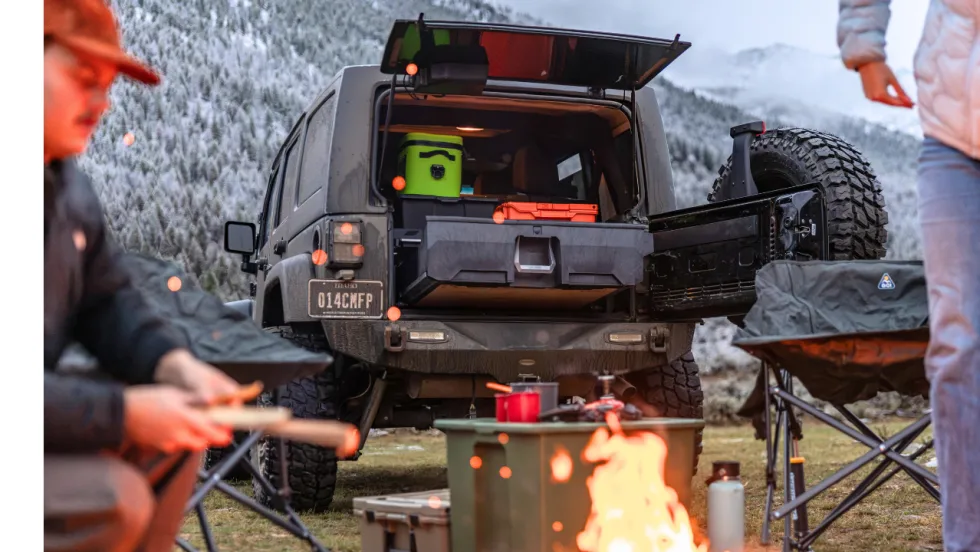
DECKED Expands Signature Drawer System to Most Popular SUVs
DECKED's signature Drawer System, a fixture in truck beds since 2014, now fits a full lineup of SUVs, including the Jeep Wrangler, Toyota 4Runner, Ford Bronco, Toyota Land Cruiser, and more.
Read More →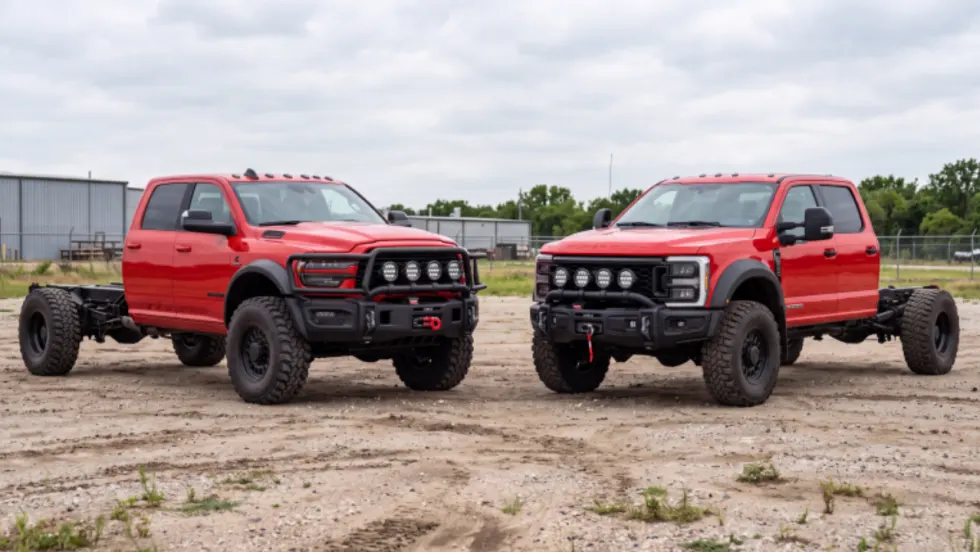
Acela Adds Ford and Ram Platforms With DuraLink Suspension
Acela adds Class 3-5 Ford and Ram chassis with DuraLink suspension, giving upfitters new options for demanding on- and off-road fleet applications.
Read More →
Re-rating Gross Vehicle Weight Ratings (GVWR): Why and How it's Done
Sometimes, it is not in a fleet’s best interests to have a vehicle at a given GVWR. Changing the GVWR to a special value can be done, but the process is complicated.
Read More →

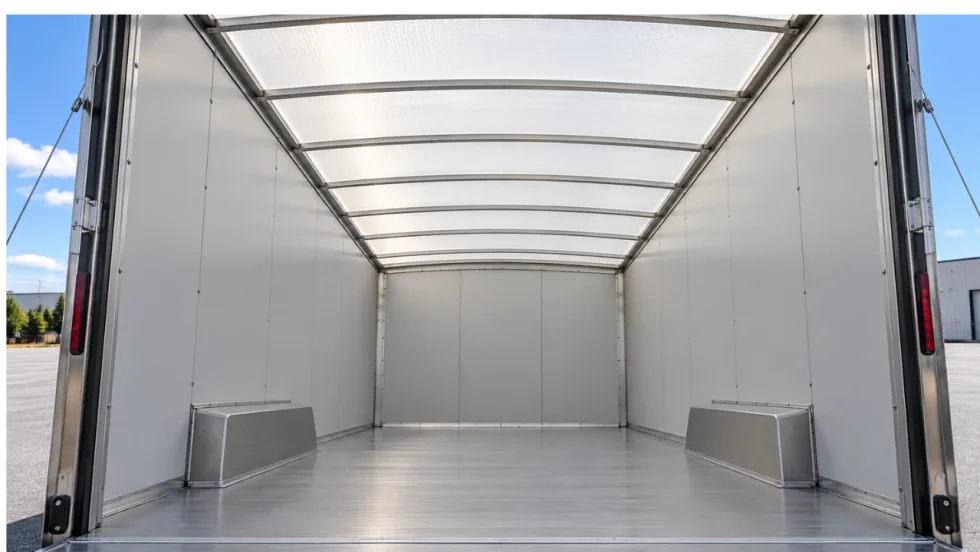
Tekmodo Introduces CargoBright Brand of Translucent Roofs
CargoBright is designed to diffuse daylight across the cargo area while performing as a working vehicle roof. Its reinforced composite construction is designed for impact, abrasion, moisture exposure, and UV exposure.
Read More →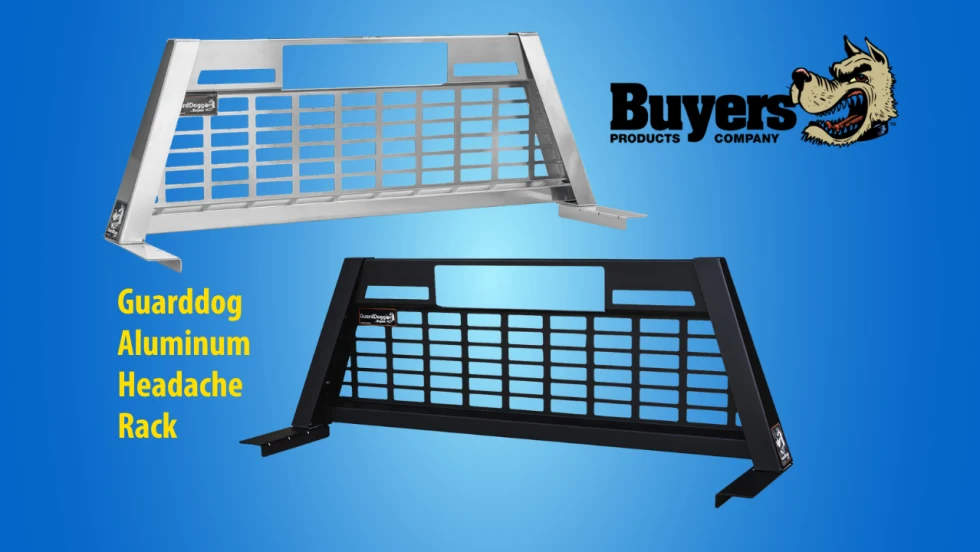
Buyers Products Expands Popular GuardDogg Headache Rack Line
Buyers Products’ aluminum GuardDogg headache rack is now available to contractors, construction crews, and utility fleets that want to reduce vehicle weight without sacrificing functionality.
Read More →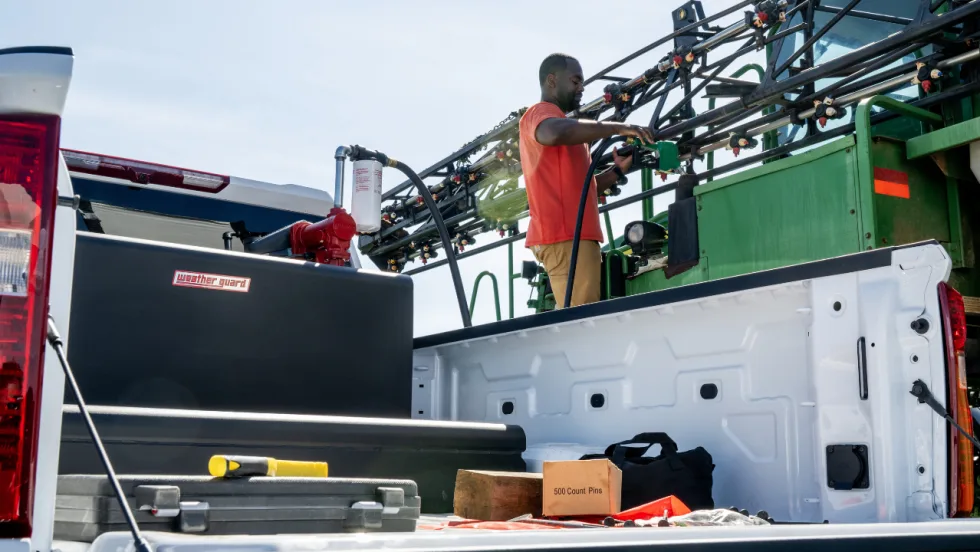
New Weather Guard Transfer Tank Engineered to Reduce Downtime and Improve Fleet Productivity
Weather Guard completely redesigned its line of transfer tanks to improve durability, simplify installation, and keep equipment running in demanding field conditions.
Read More →
How Machine Lifts Drive Safety & Efficiency for Fleets
What is a machine lift, what fleets need them, and how do they improve safety and drive efficiency? What advantages do they have over ramps and liftgates?
Read More →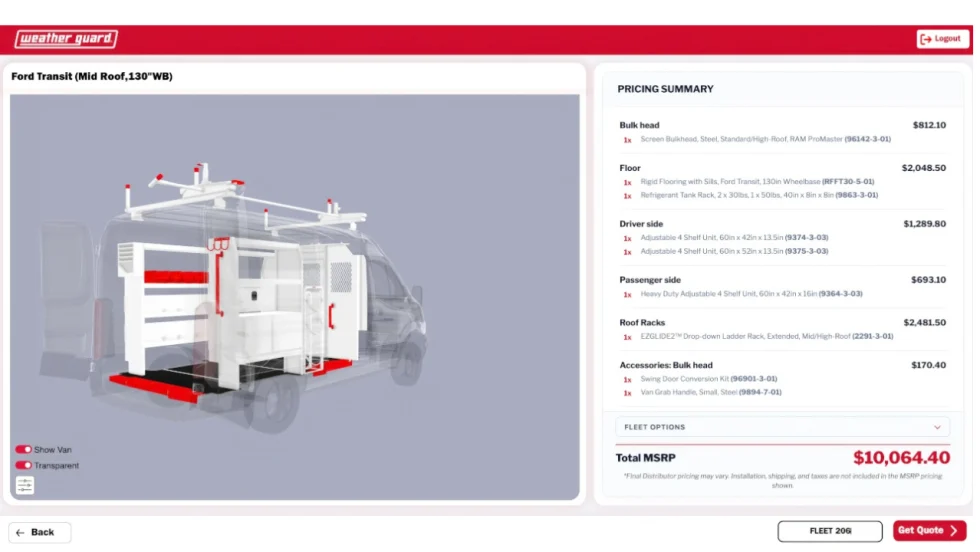
New Weather Guard Configurator Simplifies Planning and Design of Van Upfits
The Weather Guard Configurator combines vehicle-specific product compatibility with real-time 3D visualization to streamline design, quoting, and ordering for fleet managers, upfitters, and professional users. The latest version is now available for vans, with truck upfitting being added in early 2027.
Read More →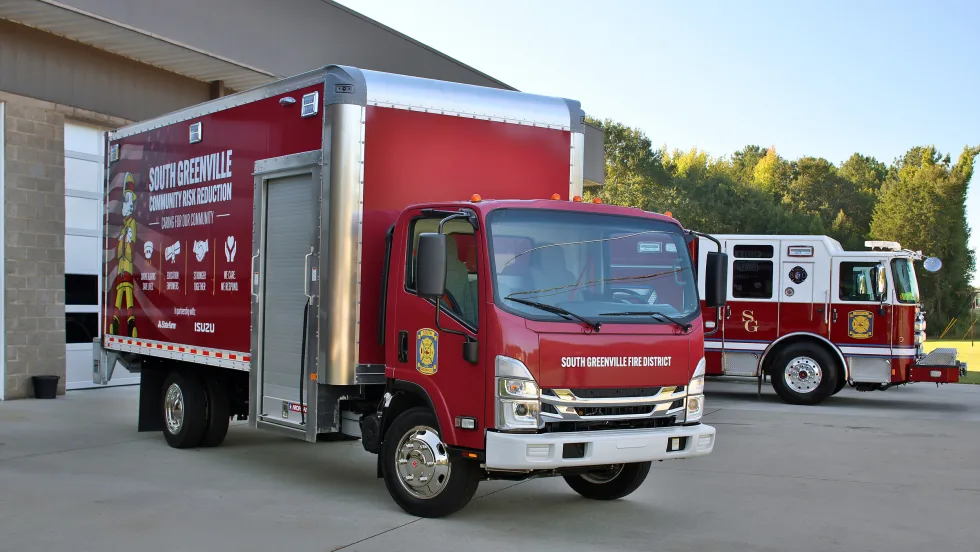
Isuzu Donates New N-Series NRR Truck to South Greenville Fire District to Support Community Outreach
Isuzu North America Corporation donated a new Isuzu N-Series NRR, equipped with a Morgan truck body and a Palfinger liftgate, to support fire safety education, community engagement, and outreach programs throughout Southern Greenville County, South Carolina.
Read More →
M.H. Eby Announces Bostick Truck Center as Michigan Distributor
Bostick Truck Center in Pontiac, Michigan, is now the official distributor for Eby Truck Bodies in Michigan. It will have access to Eby’s Ford, GM, and Ram chassis pool programs.
Read More →