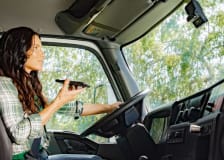
Get to know these factors of distracted driving:
Cognitive: Your mind is not thinking about driving.
Visual: Your eyes are off the road.
Manual: Your hand or hands are off the steering wheel.
 MENU
MENU SEARCH
The more mobile devices become a part of our daily lives, the harder it is for us to pull our eyes of the screen when they should be on the road.

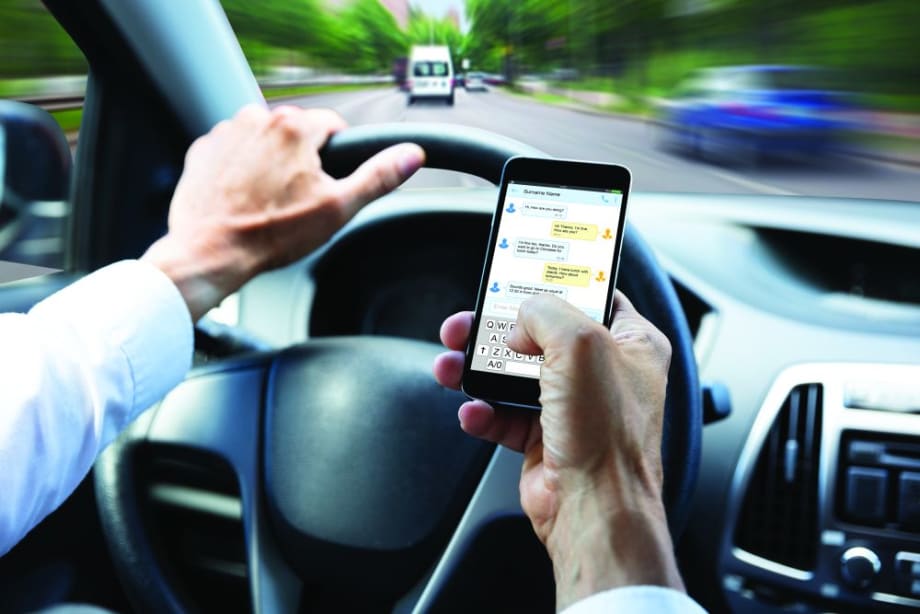
People of all ages have become addicted to their mobile devices, and this can have dire consequences on the road.
Photo: Gettyimages.com/AndreyPopov
During the 2021 Electric Utility Fleet Managers Conference session “Safety Technology: Cell Use While Driving,” CJ Meurell, co-founder and chief revenue officer of Motion Intelligence, made the case that our obsession with using mobile devices every hour of every day boils down to technology addiction.
“Because it’s an addiction, most people have trouble managing it, especially when driving a vehicle,” he stated.
Be that as it may, accidents caused by this behavior are categorized as preventable losses. According to Meurell, these kinds of accidents represent 14% of a fleet’s operating expenses. Without distracted driving accidents, it could drop down to about 8%.
“There’s an opportunity to not only bring your safety culture to the next level but also to improve your bottom line and reduce costs,” he said.
Interestingly enough, Meurell said most drivers recruited to work for a fleet rank safety culture as a reason why they want to stay with their current fleet.
“Safety is right amongst the top five reasons, along with vehicle technology, how much time they will spend on the road, the amount of bad weather they will have to deal with, and salary,” he explained.
Because it’s an addiction, we need help breaking it. The average person looks at their phone 50 to 70 times a day. But why?
“We have been trained by our mobile devices to reach for them. Every time we hear a ping, we get a dopamine hit in our brain at that moment. It’s like a Pavlovian response,” he said. “Why would anybody with a camera inside their vehicle watching them as they’re driving do this? The hit of dopamine our brain receives clouds our judgment. We forget about everything else around us.”
Meurell noted this happens with younger drivers more than those of the older generation because they have more “stick time” with their mobile devices. A study of a large U.S. fleet conducted by Motion Intelligence found drivers that are new to the industry (up until their mid-30s) have three times more accidents than drivers from their mid- to late-30s to close to retirement age.
“The younger generation knows their way around these devices, so there’s a higher probability of accidents. Now that congress is pushing to lower the age for drivers to get their CDL because we need more drivers in our fleet market space, the problem just gets worse,” he explained.
Asking the driver to follow a mobile device policy is a good first step to helping reduce distracted driving incidents. Some fleets might allow drivers to make calls using a hands-free device, while others don’t want drivers making any calls whatsoever. Having a written policy solidifies the importance of staying safe, but how do you enforce it? Just asking a driver not to do it won’t solve the problem.
There are also technology solutions like in-vehicle cameras that can help.
“These will provide evidence of what happened just before an accident. If you’ve got an outward-facing camera as well and somebody cuts in front of you, it’s clear it’s their fault, not yours,” he said.
Again, this doesn’t stop the behavior. All it does it provide fleets with evidence of drivers with addictions. After a certain period of time, they go right back to their old behavior.
Motion Intelligence has developed a software app, called Evvy, for drivers’ phones that sleeps the entire time the driver is not behind the wheel, but turns on when the driver enters a fleet vehicle. It prevents drivers from using any apps while driving. A 911 button is available, as well as any other apps deemed necessary, such as Google Maps. No Facebook notifications or other distractions will pop up.
While some drivers may be concerned about invasion of privacy, most understand this is to ensure they get home safely every might, according to Meurell. Evvy doesn’t require a driver’s personal phone number or name for the app to work, and Motion Intelligence does not have access to a user’s text messages, photos, or any other personal files or content on the device.
Creating incentives for good behavior is another possible motivating factor. Creating a system in which the more a driver complies and their behavior changes, the more points they receive is a way to gamify and feed the drive to do the right thing. At the end of the month, for example, they can redeem those points for gift cards or other enticing prizes.
“This way, there’s a financial benefit for the driver and an overall benefit for the fleet,” he said.

Crossing state lines in a lighter work truck? J.J. Keller's Kathy Close explains when IRP registration, trip permits, and towing rules come into play.
Read More →
Geofencing is a familiar fleet tool today, but its early adoption marked a major shift in vehicle tracking, route monitoring, and the debate over employee privacy.
Read More →
In October 2026, what recalls might impact your fleet? Work Truck has the answers in this comprehensive overview of recent NHTSA recalls.
Read More →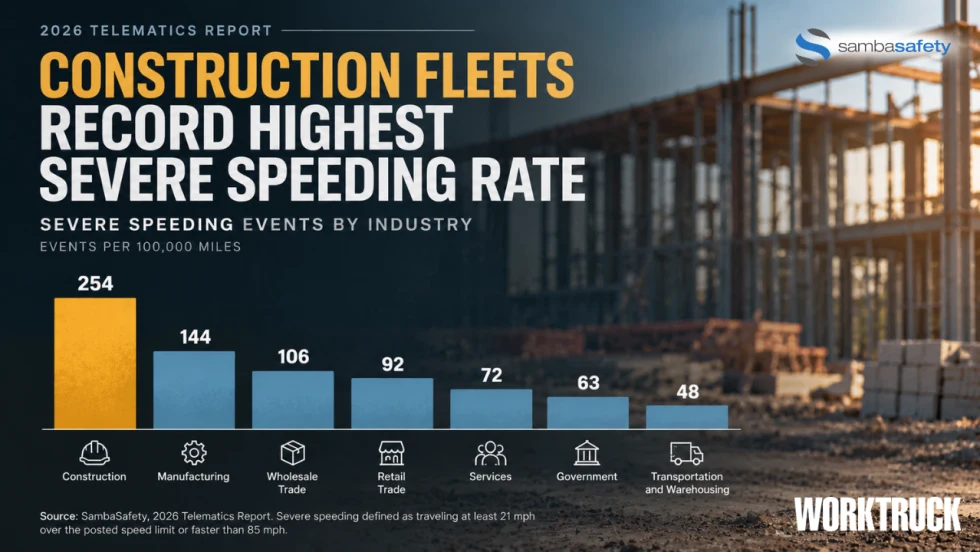
SambaSafety found construction fleets monitor roughly 92% of their vehicles but recorded the highest severe speeding rate among industries studied.
Read More →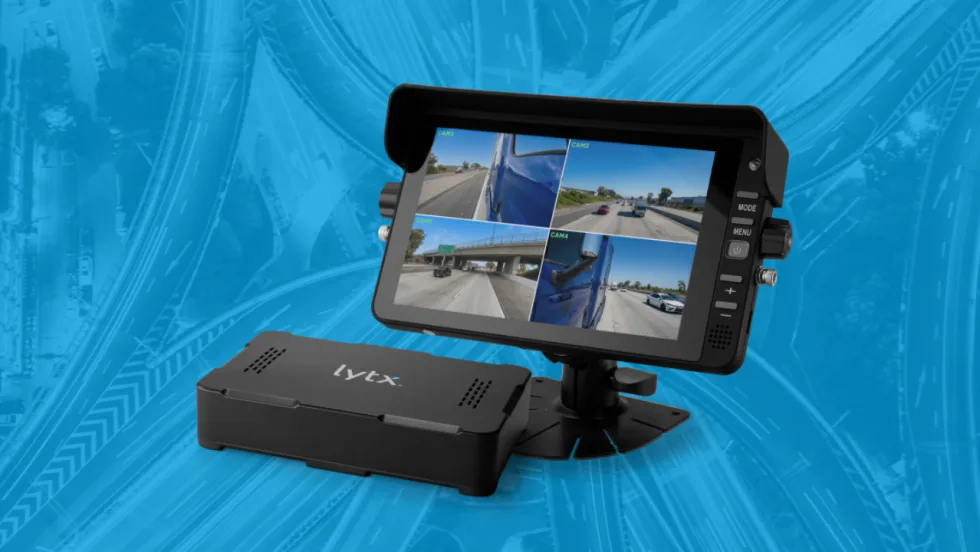
Lytx’s new AI-ready gateway and HD auxiliary camera ecosystem, the Lytx 360 Hub Kit, extends visibility across side, rear, cargo, and blind-zone views to help fleets see more and respond faster.
Read More →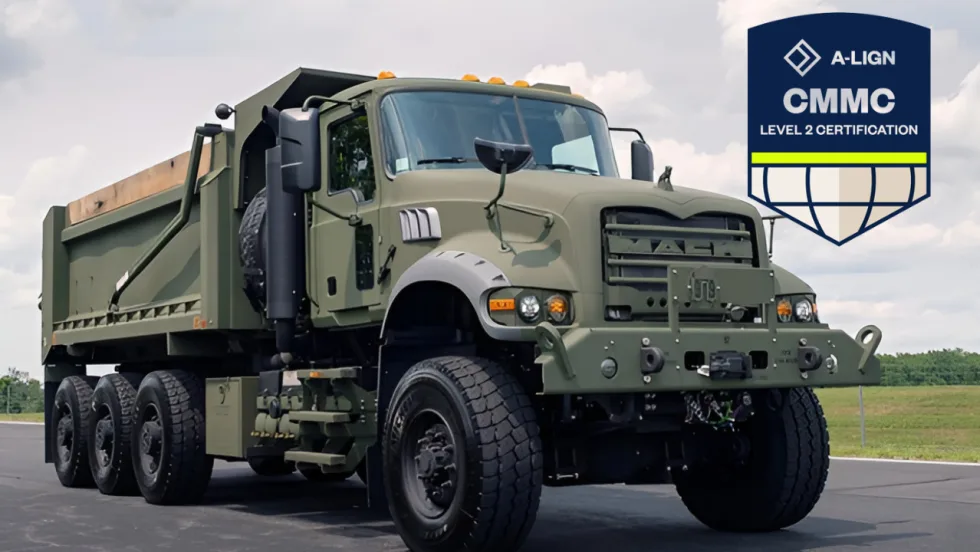
After an assessment conducted by an authorized Certified Third-Party Assessment Organization (C3PAO), Mack Defense has achieved Cybersecurity Maturity Model Certification (CMMC) Level 2.
Read More →
Think trucks under 26,001 pounds are automatically in the clear when it comes to IRP? Not always. Learn where lighter vehicles can still run into trip permit, apportioned registration, and IFTA compliance requirements when crossing state or provincial lines.
Read More →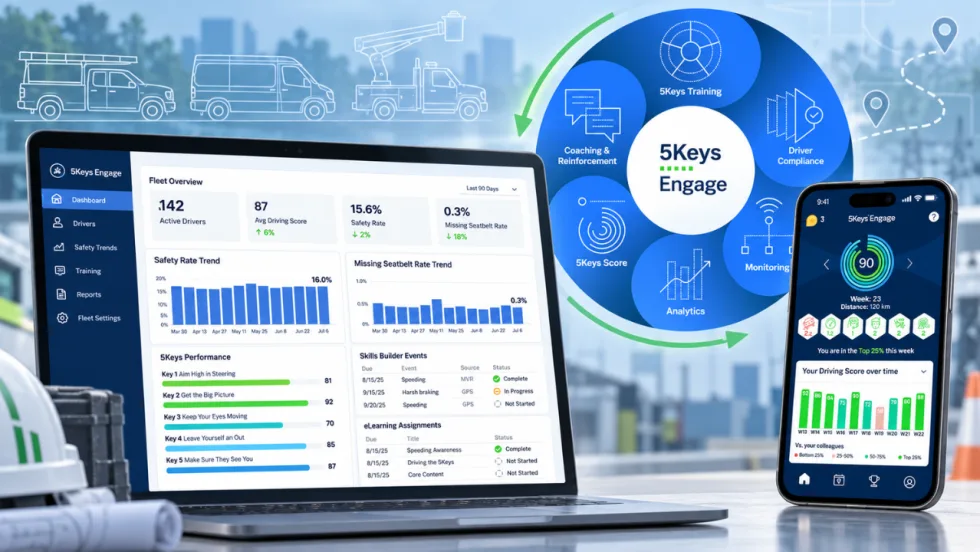
Smith System’s new Driver Risk Management program is built to help mixed work truck fleets turn telematics alerts and observations into specific behaviors, coaching actions, and measurable follow-up.
Read More →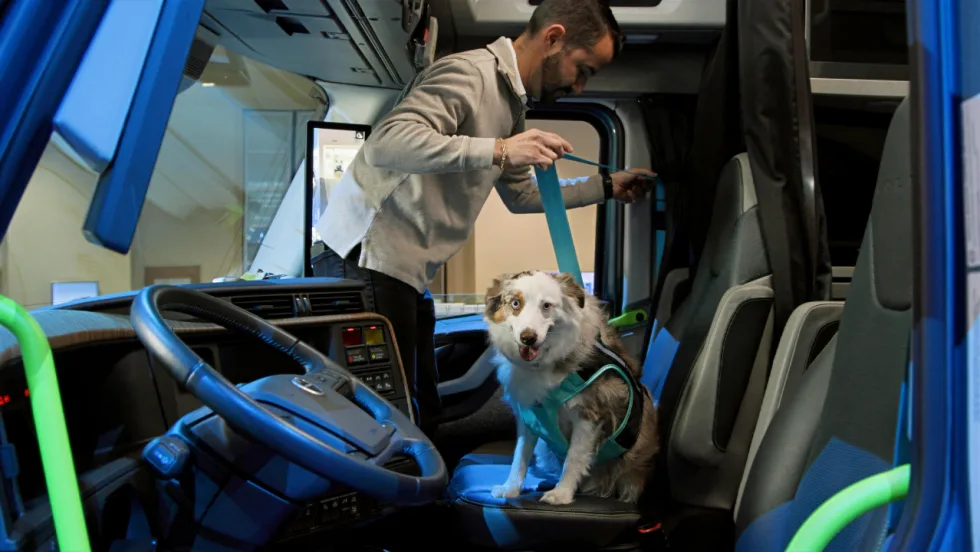
One of the most important recommendations for professional drivers traveling with pets is to ensure pets are properly restrained while the truck is moving. Other tips are available in the new guide from Volvo Trucks North America and Center for Pet Safety.
Read More →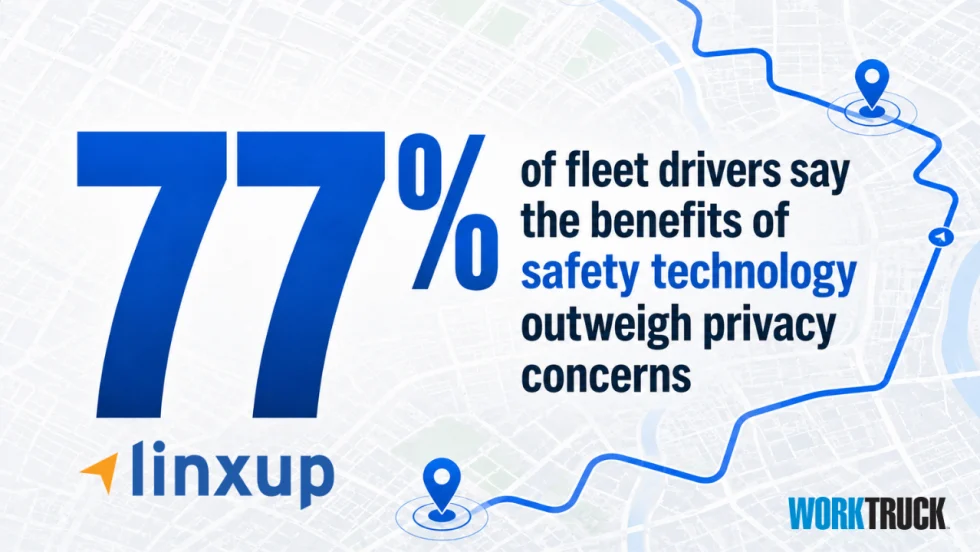
A new survey finds field-service drivers may be more comfortable with dash cams and GPS tracking than fleet managers think, especially when the technology helps protect them after a crash.
Read More →