




Biodiesel Garbage Trucks in D.C.
The DPW began an evaluation of the technology in 2018, when the Optimus system was installed on six garbage and recycling trucks. The Vector System allows these medium- and heavy-duty vehicles to run on pure biodiesel

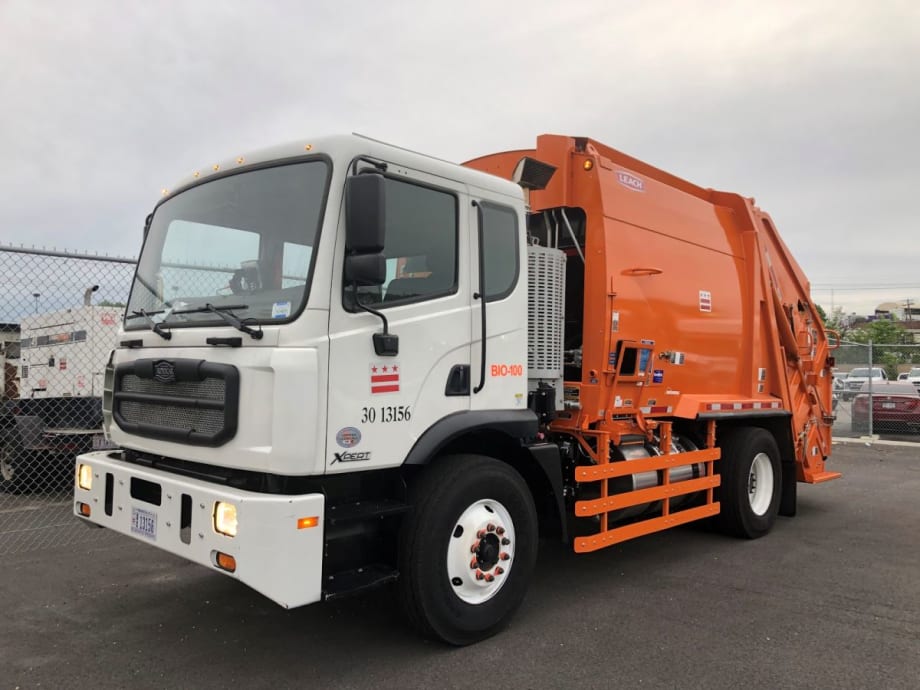
The DPW intends to have close to 100 trucks upgraded with Optimus Technologies’ biodiesel fuel systems within the next year.
Photo: Optimus
The D.C. Department of Public Works (DPW) increased the number of fleet vehicles capable of running on renewable pure biodiesel (B100) by installing Optimus Technologies’ Vector System onto 17 new refuse trucks. The fuel system allows the DPW to realize its sustainable energy goals immediately, as enabling the trucks to operate on B100 reduces up to 86% of the vehicles’ greenhouse gas emissions, according to the fleet.
The DPW began an evaluation of the technology in 2018, when the Optimus system was installed on six garbage and recycling trucks. The Vector System allows these medium- and heavy-duty vehicles to run on pure biodiesel, a cleaner fuel solution produced from waste fats and oils. The success of the technology prompted the department to amend an existing order of 17 refuse trucks to include the Optimus biodiesel system prior to their delivery to the DPW.
Additionally, in conjunction with delivery of the new B100 vehicles, DPW installed a 12,500 gallon refueling station on-site to support the project expansion. The station is equipped with Optimus’ SMARTFuel RFID technology that limits refueling solely to vehicles that are equipped to utilize B100. The biodiesel fuel for DPW’s trucks is being supplied by North America’s largest producer of biodiesel, Renewable Energy Group (REG).
“As the demand for emissions reduction strategies continues to grow across fleets and municipalities, we are well-positioned to provide B100 and biofuel blending options to our customers,” said Jon Scharingson, Executive Director, Sales & Marketing for REG. “As REG expands our business downstream, B100 is a cleaner fuel solution we can offer today, and the D.C. Department of Public Works is just one example of how we are doing that.”
The DPW’s switch to biofuels is a part of Washington D.C.’s efforts to achieve 50% greenhouse gas emission reductions by 2032, with the ultimate goal being an 80% reduction by 2050. DPW diesel refuse trucks present the biggest barrier to these goals, as they cause the highest amount of emissions per vehicle. To address this, the department has looked to the Vector System to dramatically expand the amount of biodiesel utilized without impacting vehicle performance, operation, or maintenance.
B100, however, cannot be used as fuel without some engine modifications. “DPW is an avid user of lower blends of biodiesel, but to achieve their sustainability commitments, they are in need of something more,” says Colin Huwyler, CEO of Optimus Technologies. “Fleets love that they can utilize their existing vehicle specifications, and just include the Optimus fuel system to achieve significant environmental and performance benefits.”
While the Department has explored electric vehicles (EVs) as an alternative, DPW’s Director Chris Geldart acknowledged that EV technology isn’t available for heavy-duty applications. The most effective solution from both a cost and technology standpoint is to operate on B100 in order to take full advantage of the fuel’s carbon reduction benefits. The success of the Optimus system has encouraged Director Geldart to announce that all future refuse trucks ordered by the department will operate on B100.
“We were looking for a solution to maximize emissions reductions while minimizing any effect on operations,” says Geldart. “In 2019, D.C.’s fleet of trucks consumed over 170,000 gallons of biodiesel, resulting in a carbon reduction of more than 1,598 tons. The Department is driving these numbers higher through the implementation of the Optimus Vector System in more city refuse vehicles and expanding to other heavy-duty applications such as snow removal trucks.”
100% biodiesel allows DPW to exceed their 2050 carbon reduction target with the fleet today, despite heavy-duty vehicles presenting one of the biggest challenges to sustainability. The DPW has fully committed to this progress, and intends to have close to 100 trucks upgraded with Optimus Technologies’ biodiesel fuel systems within the next year.
More Sustainability
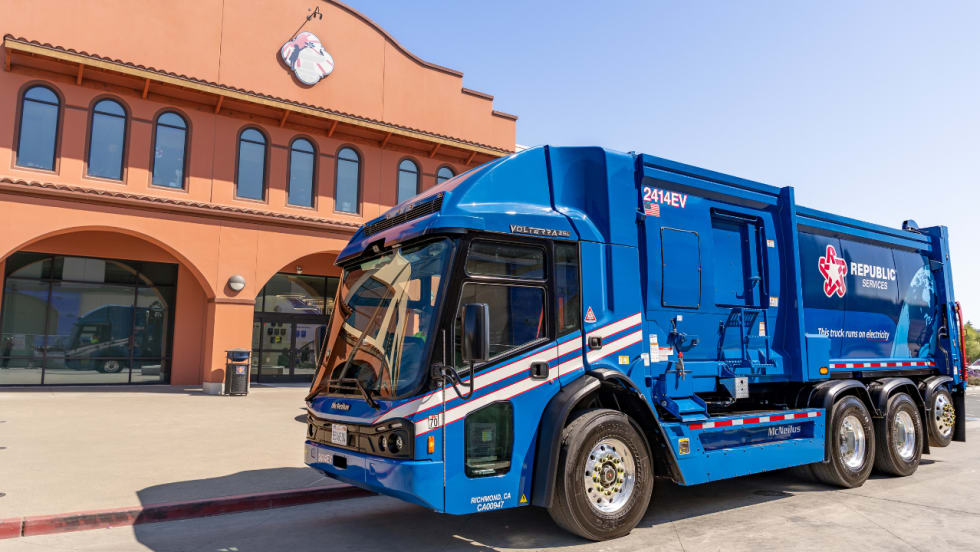
What Republic Services Learned Moving Electric Trucks Beyond the Pilot
With 250 electric refuse trucks now in service, Republic Services is learning that scaling a new powertrain depends as much on routes, drivers, technicians, and daily operations as it does on the truck itself.
Read More →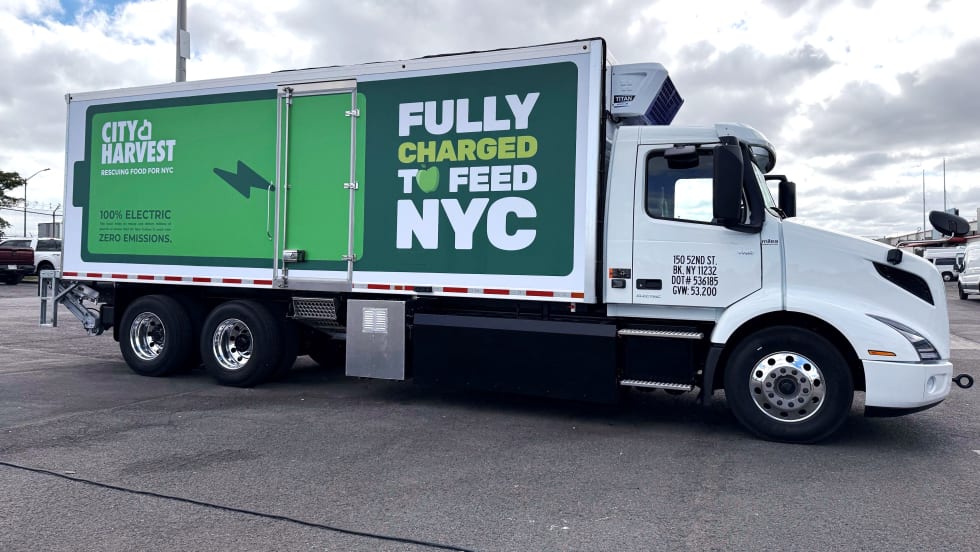
City Harvest Begins Using Volvo VNR Electric Trucks to Rescue Food Across New York City
Volvo Trucks North America and the Bronx Is Breathing project team handed over three new Volvo VNR Electric trucks to City Harvest, which will use the trucks to rescue and deliver food throughout the Bronx and across all five boroughs of New York.
Read More →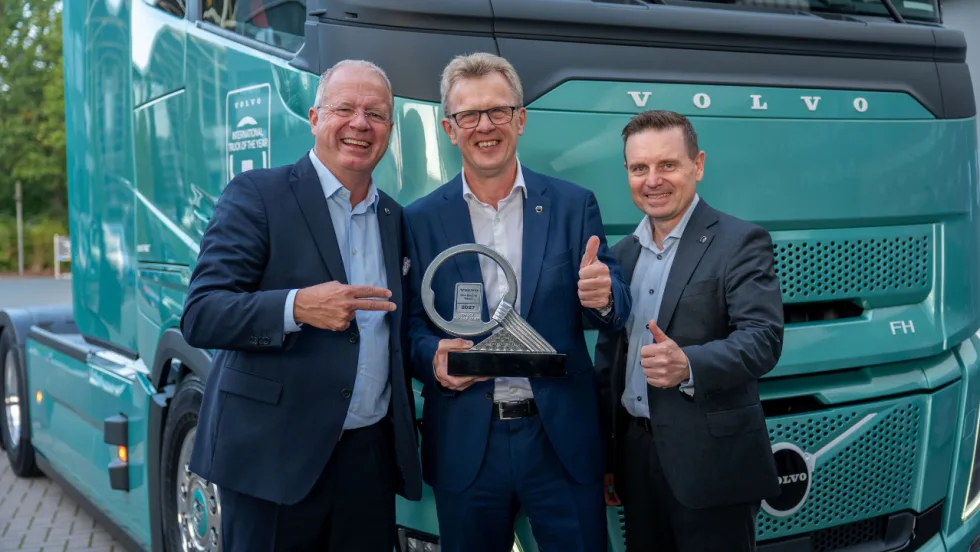
Volvo Trucks Wins International Truck of the Year 2027 for its Global Electric Range
Volvo Trucks' global heavy-duty electric range has been named International Truck of the Year 2027. Since 2019, more than 7,000 electric Volvo trucks have driven more than 310 million miles worldwide.
Read More →


Fleet Forward Conference Introduces One-Day Passes for 2026
New one-day registration gives fleet professionals the flexibility to attend Tuesday, Wednesday, or Thursday, with passes available for $199 through Sept. 18.
Read More →
CALSTART Rebrands as Catalyst Mobility, Will Combine with Forth in 2027
CALSTART has rebranded as Catalyst Mobility and will combine with Forth at the start of 2027. The new organization said it is poised to become one of the world's largest, strongest, and most impactful clean transportation nonprofits.
Read More →
Electric Truck and Charging Programs to Boost Sustainability at NY & NJ Ports
Together, the Port Authority of New York and New Jersey and CALSTART will electrify drayage and terminal operations serving the East Coast’s busiest container port. A pair of incentive programs totaling $45 million has launched to accelerate adoption of zero-emission drayage trucks and terminal tractors.
Read More →
The Smart Way to Build a Mixed-Energy Fleet Isn’t About Picking a Side
Mixed-energy fleets aren’t about picking a winning fuel. Sarah Booth of WEX explains how vehicle data, duty cycles, charging strategy, and real-world costs can help fleets choose the right energy source for each job.
Read More →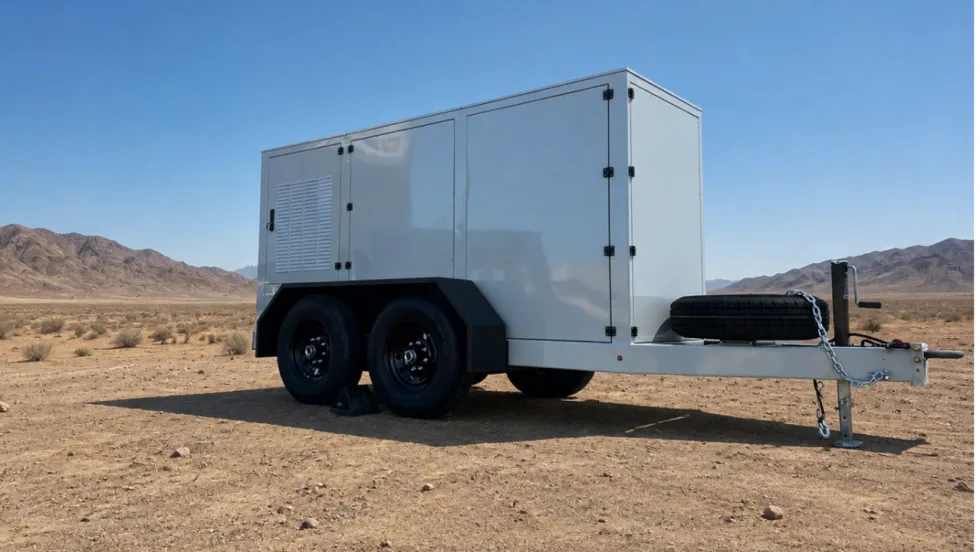
Xos Hub Surpasses One Gigawatt-Hour of Energy Delivered in the Field
A single Xos Hub has surpassed one gigawatt-hour of energy across more than 33,600 charging sessions in the field, demonstrating performance that supports Xos' expansion across new products and markets.
Read More →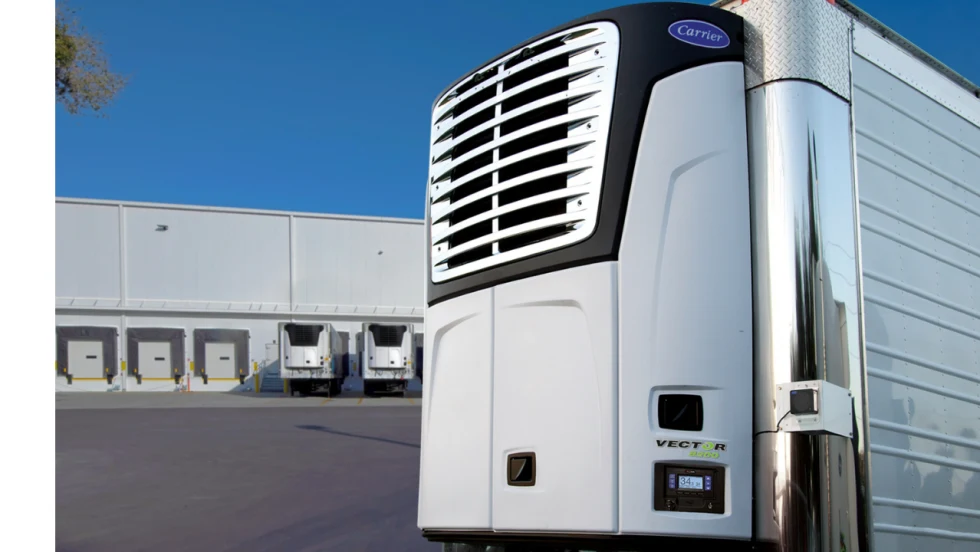
Carrier Transicold Launches All-Electric Vector 8200 TRU for Diesel-Free On-Site Cold Storage
Carrier Transicold’s first engineless multi-temperature TRU helps fresh- and frozen-food fleets add supplemental cold storage capacity during seasonal peaks.
Read More →
Narro Trucks Introduces Electric Utility Vehicle
Narro Trucks officially launched its operations on Aug. 20 and hosted a ride and drive to showcase its electric truck, which will be produced in Virginia.
Read More →