


 MENU
MENU SEARCHMENUSEARCH
Loading data...
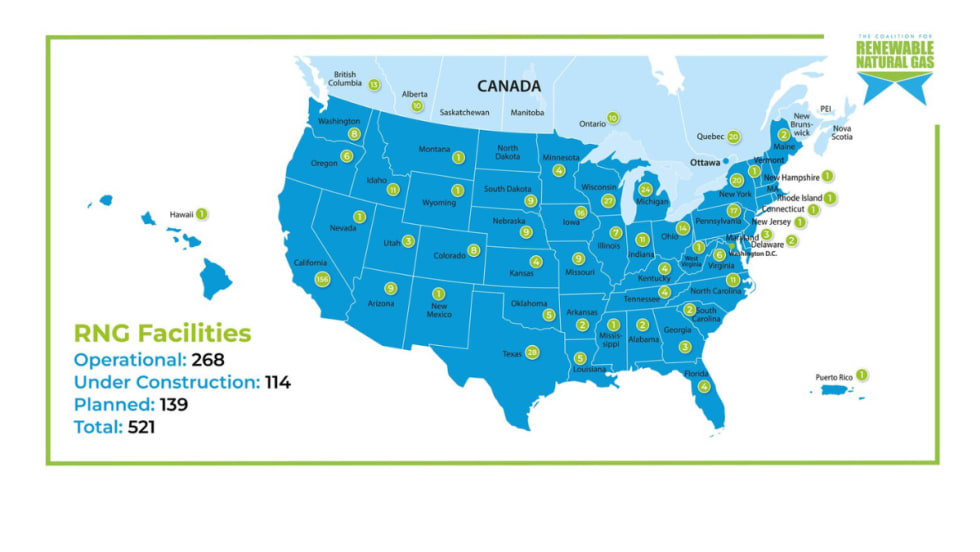
According to data from the California Air Resources Board, 98% of all on-road fuel used in natural gas vehicles in California in 2021, including medium-duty, was renewable natural gas.
Read More →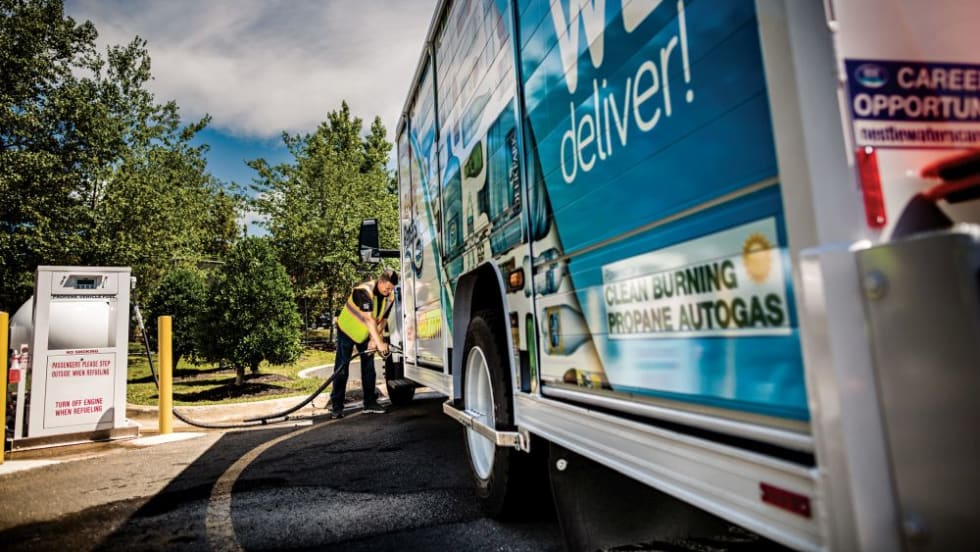




The analysis, Decarbonization of MD-HD Vehicles with Propane, found that propane-fueled MD-HD internal combustion engine vehicles provide a lower carbon footprint solution in 38 U.S. states and Washington, D.C., when compared to MD-HD electric vehicles charged using the electrical grid.
Read More →The sharpest decline came from reduced traffic from trucks, buses, and cars.
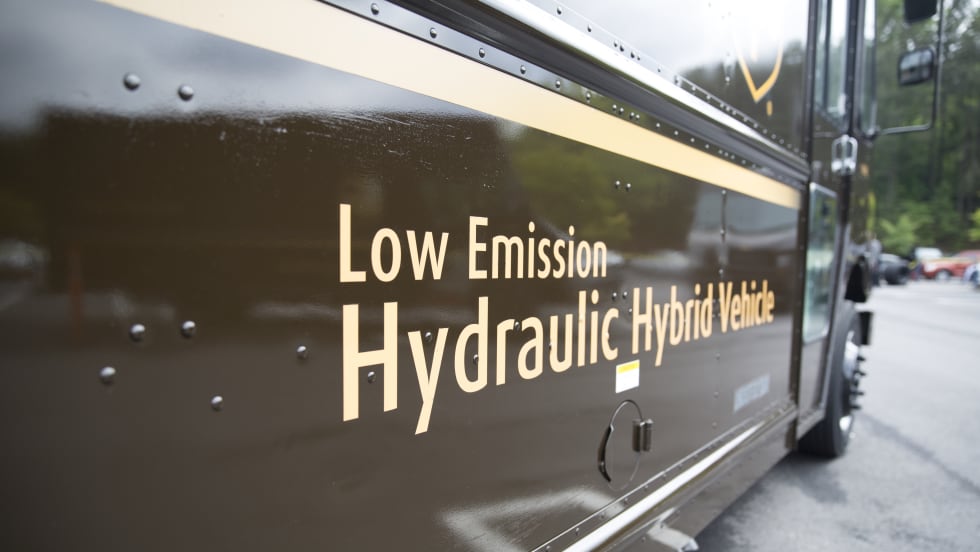
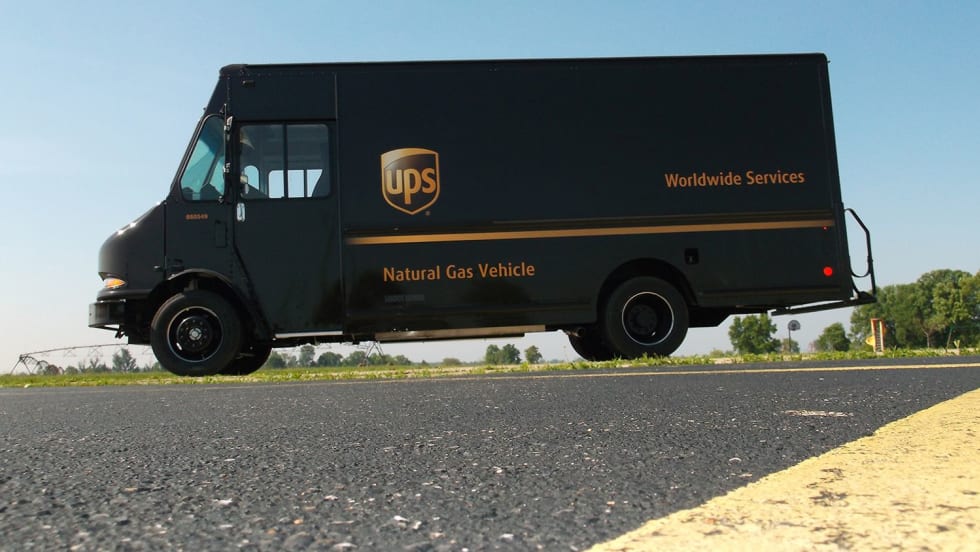
Read More →For the second consecutive year, UPS received a perfect score of 100 on the Carbon Disclosure Project’s (CDP) S&P disclosure leadership index for its transparency, corporate governance regarding climate change, and the manner in which it tracks and discloses its impact on the environment.
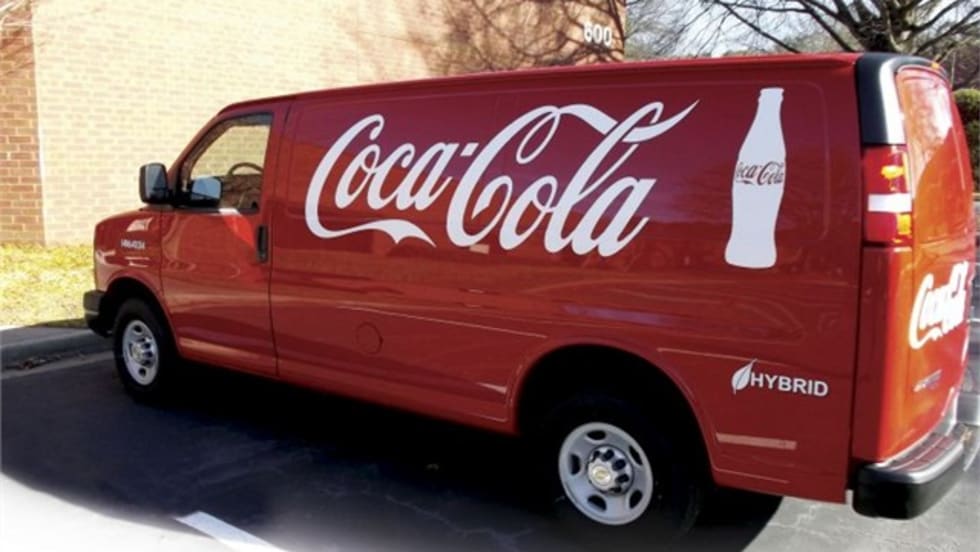
Read More →Coca-Cola and PepsiCo continue to find new ways to reduce their reliance on high-carbon fuels, improve their fleets' fuel efficiency, and maintain a level of transparency with the reporting of this information.
Read More →Thirteen large corporations have signed the White House's American Business Act on Climate Pledge, with companies such as UPS, Coca-Cola and PepsiCo using "greener" fleets to help meet carbon footprint goals.
Read More →The amount of greenhouse gases in the atmosphere reached a record high in 2013, according to the World Meteorological Organization’s annual Greenhouse Gas Bulletin.
Read More →An increasing number of European countries are switching to an emissions-based car tax system due to global pressure to reduce carbon emissions, according to the 2014 edition of the annual "Fleet Europe" Taxation Guide.
Read More →Sprint, Sempra, and Entergy are just a few of the companies highlighted by the CDP in this year’s S&P 500 Climate Change Report, which tracks how America’s largest listed companies are responding to climate change.
Read More →