


 MENU
MENU SEARCHMENUSEARCH
Loading data...
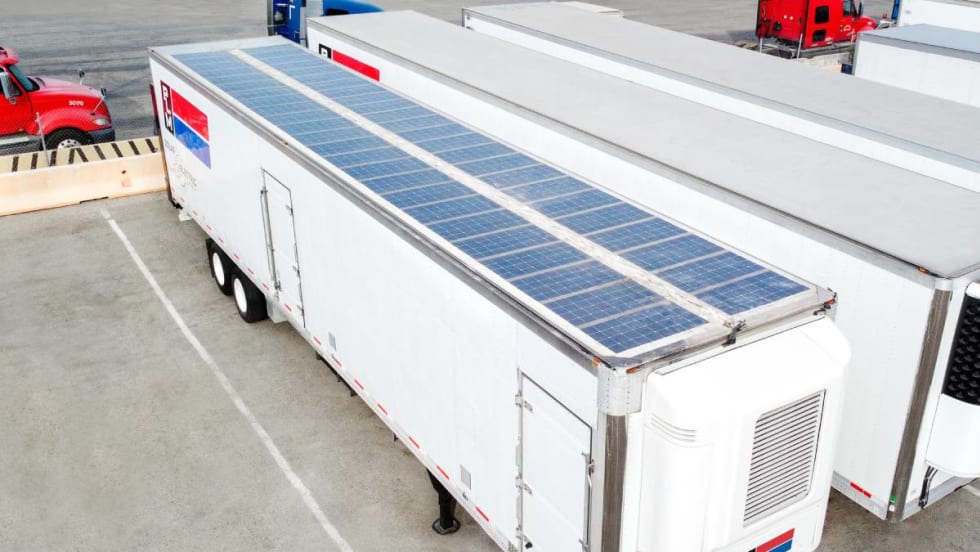
The transport refrigeration units use low-voltage, safe charging to greatly reduce the risk of electric shock to equipment users.
Read More →
Consistent with California's climate goals, these projects have the potential to reduce GHG emissions from transportation through the use of green hydrogen.
Read More →
The number of models of zero-emission trucks, buses, and off-road equipment available globally is expected to double between the end of 2019 and 2023.
Read More →
Electrifying 50% of the fleet could reduce more than 65,000 metric tons of emissions from 2020-2030.
Read More →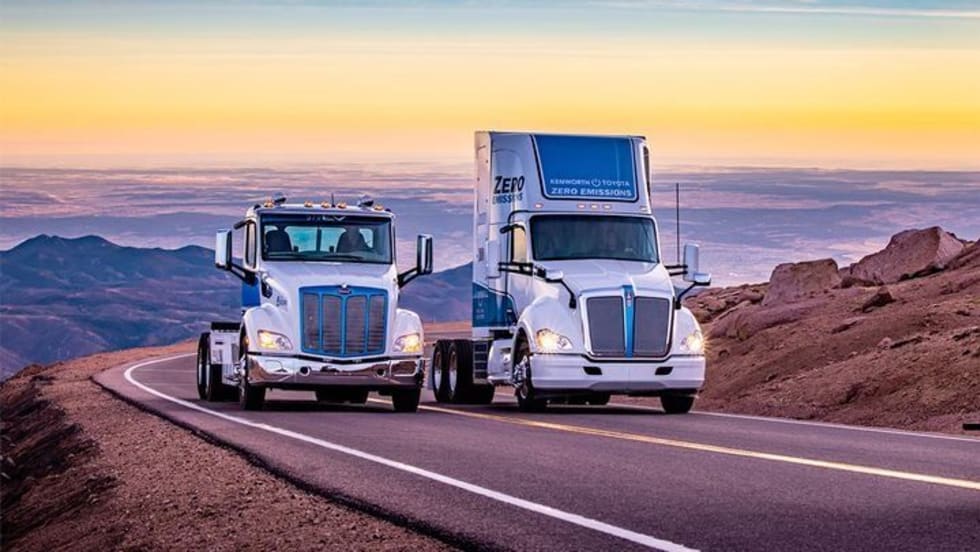
The plans are the linchpin of state efforts to realize the economic, climate, and environmental benefits of widespread zero-emission vehicle adoption.
Read More →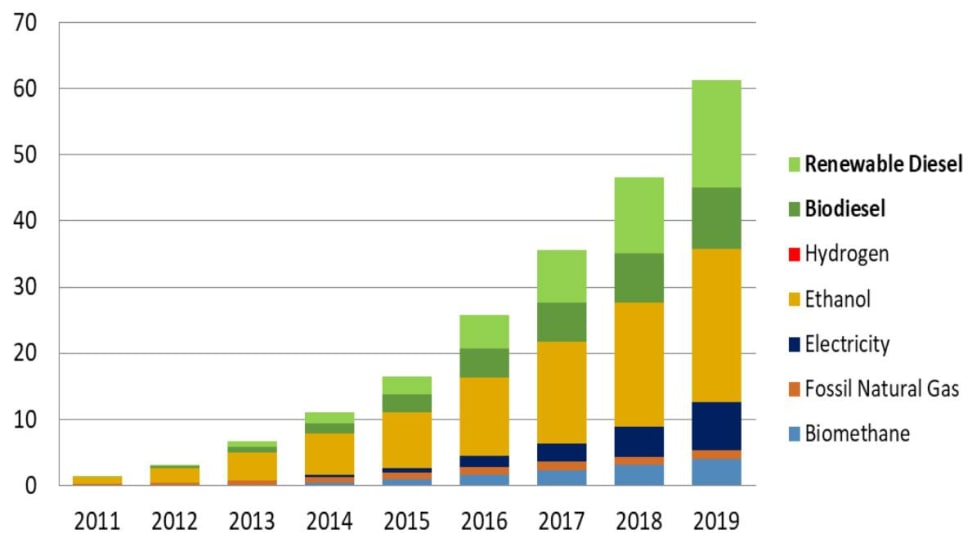
Diesel standby generators ensure reliable power with lower emissions, safeguarding grid resiliency.
Read More →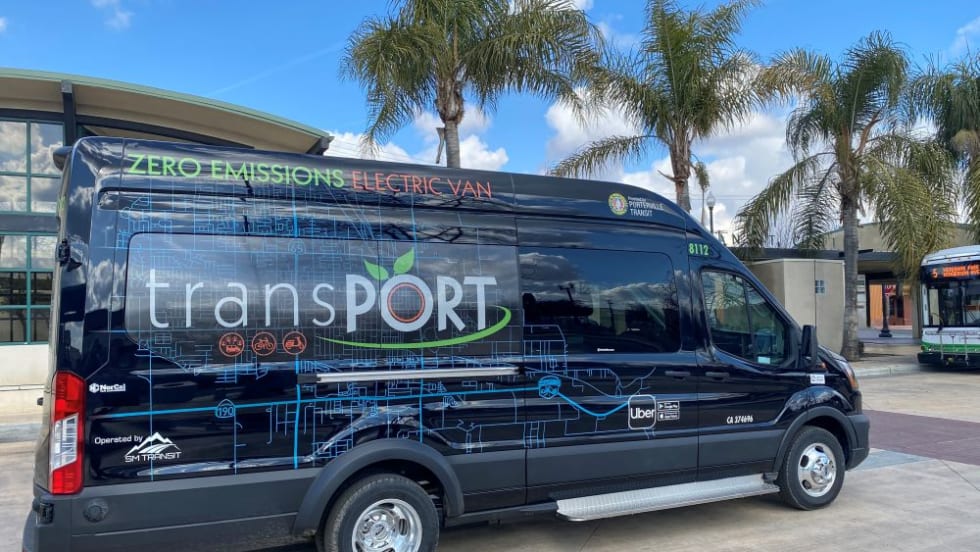
The 12 vehicles, all Class 3 Lightning Electric Transit Vans, were developed by Lightning eMotors.
Read More →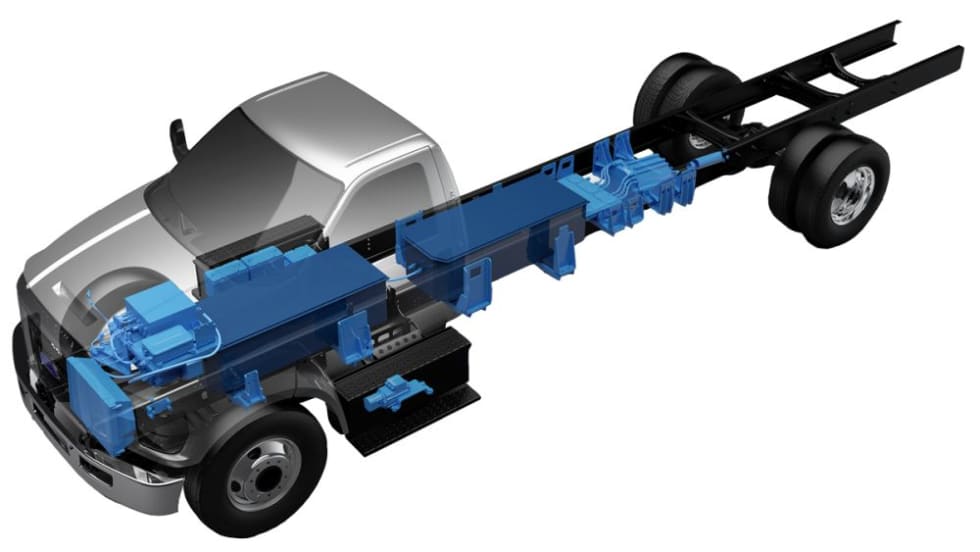
Roush CleanTech’s Ford F-650 battery-electric truck has achieved the California Hybrid and Zero-emission Truck and Bus Voucher Incentive Project (HVIP) eligibility listing.
Read More →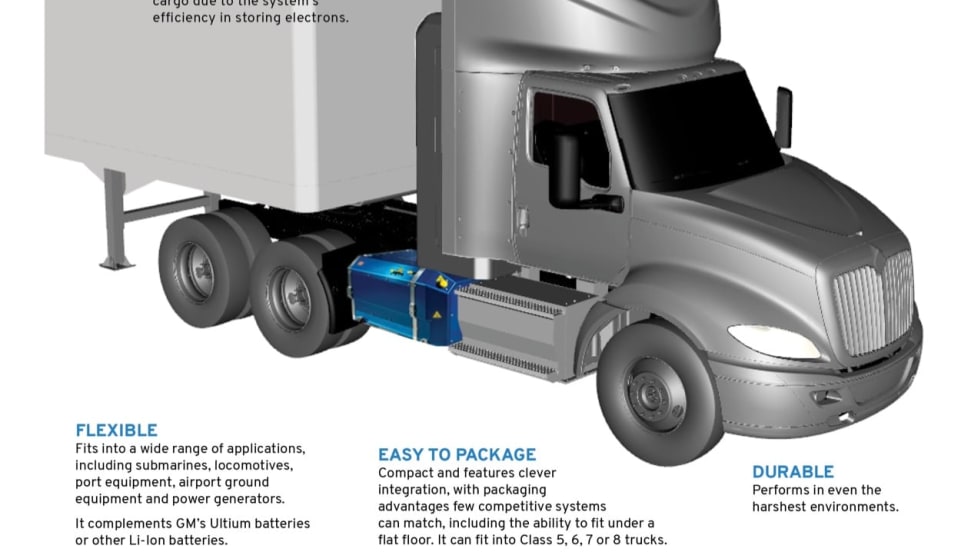
Navistar, Inc. is introducing a hydrogen fuel-cell semi truck for customer implementation through a new zero-emission long-haul system in collaboration with General Motors and OneH2.
Read More →
ZETA’s policy platform is a six-part strategy to create jobs in every congressional district, secure American global EV manufacturing leadership, improve public health, and reduce carbon pollution.
Read More →