




ZETA Maps Out Path To All-EV Sales By 2030
ZETA’s policy platform is a six-part strategy to create jobs in every congressional district, secure American global EV manufacturing leadership, improve public health, and reduce carbon pollution.

Photo: Oregon Dept. of Transportation
ZETA has set forth six key policy goals to achieve 100% EV sales by 2030.
(Zero Emission by OregonDOT is licensed under CC BY 2.0)
Photo: Oregon Dept. of Transportation
The Zero Emission Transportation Association (ZETA) on Jan. 12 published the coalition’s comprehensive federal roadmap to achieve 100% electric vehicle sales by 2030, according to a press release.
“ZETA’s policy platform results from extensive outreach, research and collaboration with the electrical vehicle sector, advocates, and policymakers,” said Joe Britton, Executive Director of ZETA. “We’ve worked diligently to develop a roadmap of recommendations that reflect the best path forward to electrify the transportation sector and meet this pivotal economic opportunity head on.”
The transition to electric vehicles (EVs) offers national policymakers a chance to create hundreds of thousands of domestic manufacturing jobs, protect public health, and secure American leadership in this innovative space. ZETA looks forward to working with President-elect Biden and Congress to cultivate a strong clean transportation sector and accelerate the transition to EVs.
ZETA’s platform provides federal policymakers with a comprehensive guide to accelerate the adoption of EVs. It consists of 34 policy proposals across six pillars:
1. Light-Duty Electric Vehicle Consumer Adoption
Point-of-sale consumer incentives, along with early retirement and tax incentives, will accelerate the demand for electric vehicles.
2. Medium- and Heavy-Duty Electrification
Buses, service, and delivery vehicles are primed for electrification, and fleet buyers are eager to save on service, maintenance, and fuel costs. New tax credits, retirement incentives, and targeted programs will further accelerate and drive demand for electric medium- and heavy-duty vehicles.
3. National Charging Initiative
ZETA is calling for a $30 billion investment in charging infrastructure. An investment of this scale will create thousands of jobs, stimulate local economies, eliminate range anxiety, and pave the way for transportation electrification that meets every community’s needs.
4. Encourage Domestic Manufacturing
The automotive industry was once the symbol of a dominant American manufacturing sector. Electric vehicles give us a unique opportunity to re-establish the United States as global leaders in production and innovative technology. ZETA’s policy proposals promote production across the entire supply chain, from raw materials to manufacturing to battery recycling.
5. Performance and Emissions Standards
Strong emissions targets will protect public health and send powerful market signals to speed the transition to zero-emission modes of transportation.
6. Federal Leadership
ZETA urges the federal government to lead the way by committing to the electrification of its own fleet, investing in charging infrastructure, and promoting federal EV rental. Federal leadership can provide an aligned vision for electrification that empowers local leaders with the necessary expertise and resources.
ZETA is an industry-backed coalition advocating for national policies that will enable 100% electric vehicle sales throughout the light-, medium- and heavy-duty transportation sectors by 2030.
Originally posted on Charged Fleet
More Green Fleet

Fleet Forward Conference Introduces One-Day Passes for 2026
New one-day registration gives fleet professionals the flexibility to attend Tuesday, Wednesday, or Thursday, with passes available for $199 through Sept. 18.
Read More →
CALSTART Rebrands as Catalyst Mobility, Will Combine with Forth in 2027
CALSTART has rebranded as Catalyst Mobility and will combine with Forth at the start of 2027. The new organization said it is poised to become one of the world's largest, strongest, and most impactful clean transportation nonprofits.
Read More →
Electric Truck and Charging Programs to Boost Sustainability at NY & NJ Ports
Together, the Port Authority of New York and New Jersey and CALSTART will electrify drayage and terminal operations serving the East Coast’s busiest container port. A pair of incentive programs totaling $45 million has launched to accelerate adoption of zero-emission drayage trucks and terminal tractors.
Read More →

The Smart Way to Build a Mixed-Energy Fleet Isn’t About Picking a Side
Mixed-energy fleets aren’t about picking a winning fuel. Sarah Booth of WEX explains how vehicle data, duty cycles, charging strategy, and real-world costs can help fleets choose the right energy source for each job.
Read More →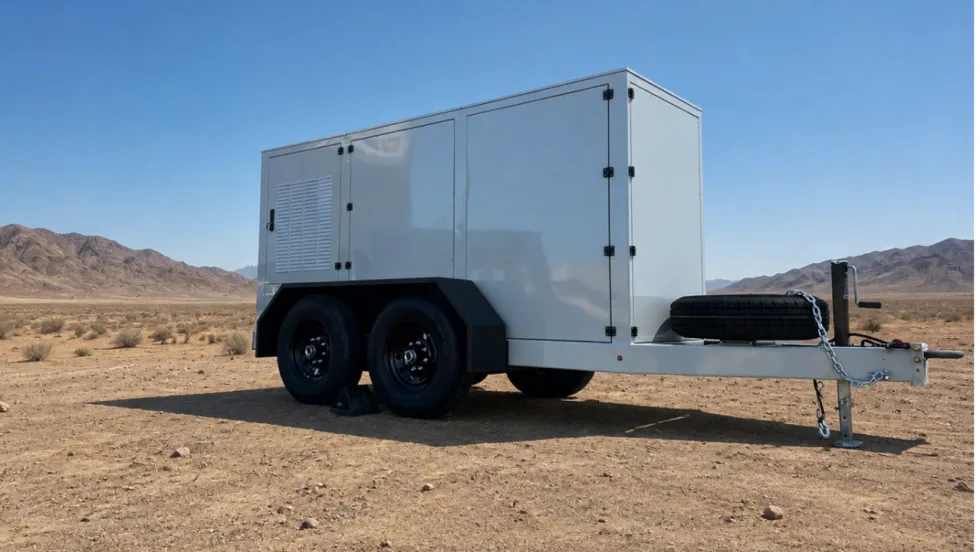
Xos Hub Surpasses One Gigawatt-Hour of Energy Delivered in the Field
A single Xos Hub has surpassed one gigawatt-hour of energy across more than 33,600 charging sessions in the field, demonstrating performance that supports Xos' expansion across new products and markets.
Read More →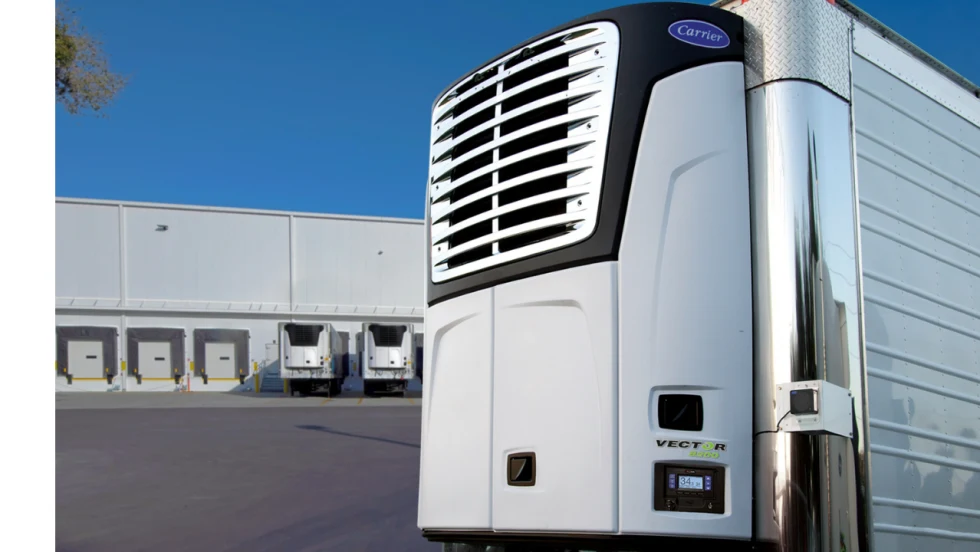
Carrier Transicold Launches All-Electric Vector 8200 TRU for Diesel-Free On-Site Cold Storage
Carrier Transicold’s first engineless multi-temperature TRU helps fresh- and frozen-food fleets add supplemental cold storage capacity during seasonal peaks.
Read More →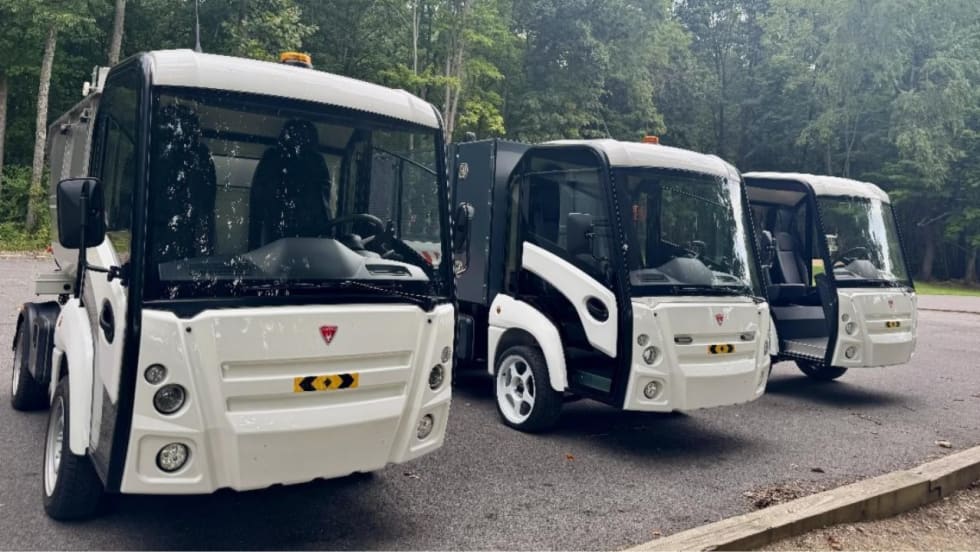
Narro Trucks Introduces Electric Utility Vehicle
Narro Trucks officially launched its operations on Aug. 20 and hosted a ride and drive to showcase its electric truck, which will be produced in Virginia.
Read More →
Samsung SDI Takes Full Control of GM Battery JV as Indiana Plant Pivots to Energy Storage
Samsung SDI is taking full control of its Indiana battery plant with GM, marking a major shift from the EV-focused joint venture Charged Fleet first covered in 2023.
Read More →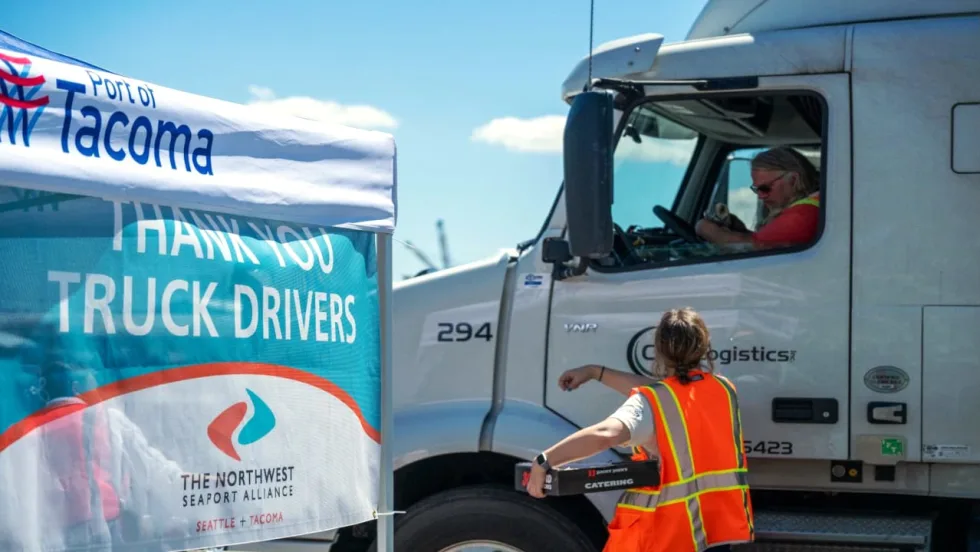
NWSA Taps CALSTART to Administer Zero-Emission Drayage Assistance Program
CALSTART will provide free technical assistance services to drayage fleets serving the Ports of Seattle and Tacoma and looking to transition to cleaner technologies and help decarbonize freight hubs.
Read More →
EV Fleet Reality Check: What Operators Wish They Knew Before Electrifying Their Work Vans
Electric work truck upfits bring new compatibility questions. Learn how parts availability, OEM guidance, power demands, and route planning can affect fleet performance.
Read More →