


 MENU
MENU SEARCHMENUSEARCH
Loading data...

Electrifying 50% of the fleet could reduce more than 65,000 metric tons of emissions from 2020-2030.
Read More →






A new climate change policy provides work-truck-industry association NTEA the opportunity to educate the public, regulators, and legislators about how the industry is addressing society’s environmental concerns.
Read More →Rapidly accelerating the turnover of the existing fleet to the newest generation of diesel technology, as well as expanding the use of low-carbon advanced biofuels, can deliver benefits today, and should not be overlooked, said the Diesel Technology Forum.
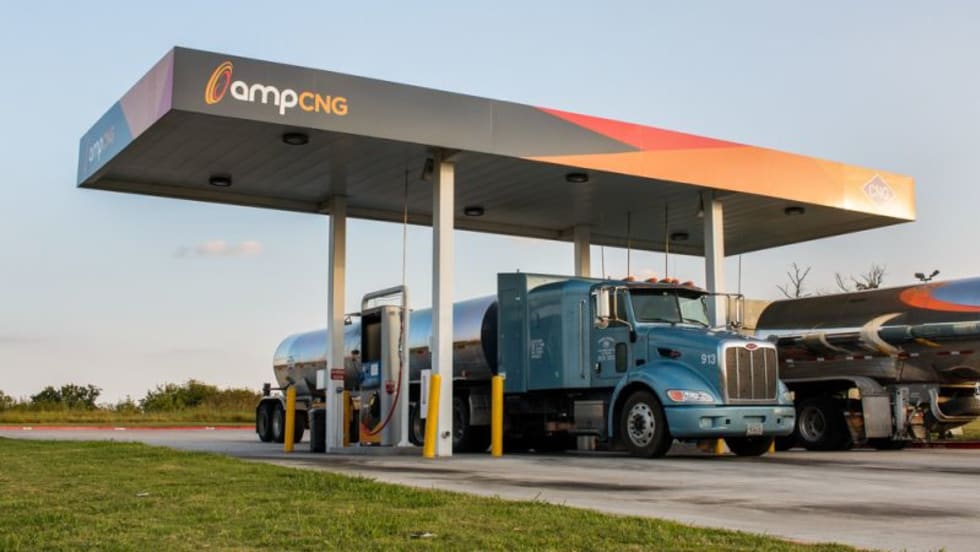
Read More →Amp America has helped eliminate 500,000 tons of CO2 greenhouse gas emissions, which is the equivalent of taking 100,000 cars off the road for one year. Additionally, Clay Walton has joined the company as vice president of RNG Services.
Read More →In addition to efforts across the utility, Spire is reducing carbon emissions by using compressed natural gas in nearly 300 of its fleet vehicles (about 13%).
Read More →The sharpest decline came from reduced traffic from trucks, buses, and cars.
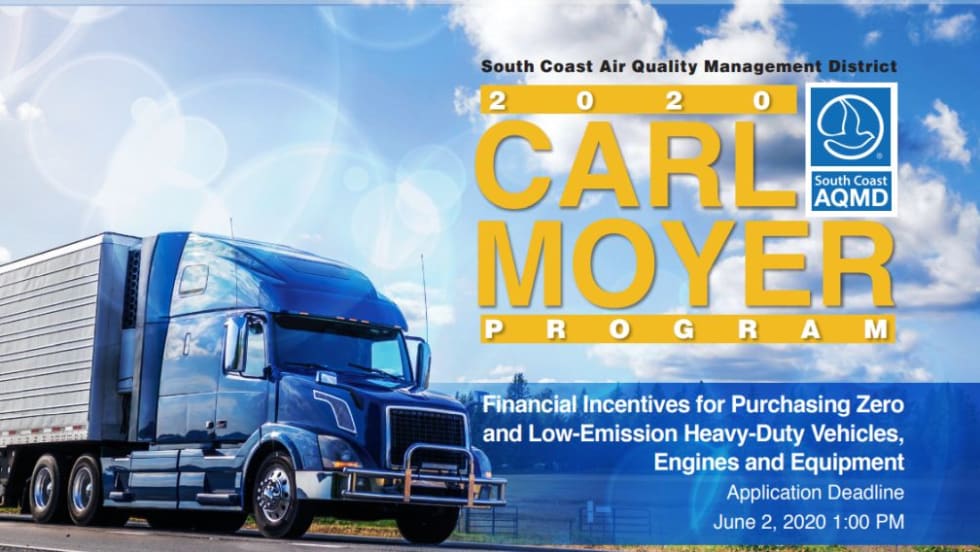
Read More →The South Coast AQMD released Program Announcements for the 2020 Carl Moyer Program, including the SOON (Surplus Off-Road Opt-In for NOx) Provision. Applications are now being accepted.
Read More →NHTSA and the EPA will increase the stringency of corporate average fuel economy (CAFE) and CO2 emissions standards by 1.5% each year through model-year 2026, as compared with previous standards that would have required about 5% annual increases.
Read More →More than 500 delivery businesses worldwide have collectively cut more than 11,000 tons of carbon emissions thanks to their adoption of route optimization technology, according to a recent report.
Read More →A Memorandum of Understanding to form a strategy to accelerate the zero-emission truck market is expected in the summer of 2020.
Read More →