




Wright Express Reduces Manual Transactions; Tackles Product Code Errors
Incorrect product codes and inaccurate manual transactions are sources of frustration for fleets and constitute slow leaks in oil marketers’ revenue. Wright Express says it has dedicated resources to pinpoint and correct these problems for both its fleet customers and its card-accepting partners. The first target was manual transactions, according to Wright Express spokesperson Elizabeth Sissons. According to David Salter, vice president of Process & Control for Wright Express, the company: Changed the mag-stripe on the back of the card to a more durable high-coercivity stripe; Replaced old cards with the high-coercivity cards as they were reissued; And orked with the major oil companies on the problem. “We gave them their individual rates of manual transactions benchmarked against our U.S. industry average and our best-in-class partner,” Slater said. According to Slater, Wright Express: Told each oil company which of their stations created the highest volume of manual transactions Shared data concerning the number of errors associated with manual transactions that were ultimately challenged by fleets Based on an internal study, helped the oil companies estimate what it cost them to process their manual transactions Informed the oil marketers that large fleets were actively avoiding stations with large numbers of manual transactions. "This issue was serious for our customers and for the oil marketers," Slater said. "Fleets lose real-time control of fueling costs when manual transactions occur. Because the posting of manual transactions frequently is delayed, they might not show up on a vehicle activity report for a month or more. When they do appear, the information is old and dilutes the usefulness of the report –- and of the program. The oils deserve a lot of credit for how they tackled this issue after it was brought to their attention. Some of the major oil marketers have taken the approach of actually penalizing their stations for submitting manual transactions -- they share the pain with the offending sites." This multi-pronged approach brought the number of manual transactions registered by Wright Express from 3 percent a couple of years ago to less than 0.6 percent today. According to Slater, one large fleet said they have experienced substantial progress in the reduction of manual transactions -– from 12 percent of their transactions several years ago to 0.5 percent today. Jeff Ridings, group manager of energy procurement for UPS, also reported a decrease in the number of manual transactions registered with the Wright Express universal fleet card, which is used by 14,000 UPS vans and trucks. “That’s been very good for us and we hope to see the product code problem resolved as successfully. We calculate taxes based on product codes and run into problems when we can’t identify whether a purchase was for diesel fuel or gas.” Slater compared the product code issue to the manual transaction problems. "Today our fleets are complaining about product code inaccuracies coming from some sites. Unfortunately, Wright Express can't tell from our data feed whether a product code is correct or incorrect. We need the fleets' help to tell us.” A Wright Express team led by Lisa Garside is partnering with a couple of large national fleets to obtain information on inaccurate product codes. “Lisa’s team is taking the same tack we took with manual transactions: she’s sharing with marketers the cost to them of incorrect product codes,” Slater said. “When fleets challenge inappropriate product purchases, fulfilling ticket requests becomes an expensive, non-value-adding piece of work. We think that it will significantly reduce everyone’s costs if we can drive product code accuracy the way we drove manual transactions." The team has found that 90 percent of product code errors occur when terminals do not generate the correct information. “For example, some stations have diesel pumps that don't interface with their point of sale equipment and transactions at those pumps are misrepresented as gasoline sales," Garside said. "The remaining 10 percent of product code problems relate to attendant training." "Internally, we can do some quick fixes to address these issues and those are underway," Garside said. "So far, we've reduced the number of problems logged at Wright Express by 20 percent over last year. We’re also encouraging the oils to tell us when they put on new POS software. If we can see it start up, we can catch potential problems early.” “These process improvement projects speak to Wright Express’s ability to work with the oil companies for their benefit and for the benefit of our fleets,” Slater said. “Our key stakeholders tell us that attacking these industry problems is one of the ways that WEX distinguishes itself from the competition.”
More Small Fleet

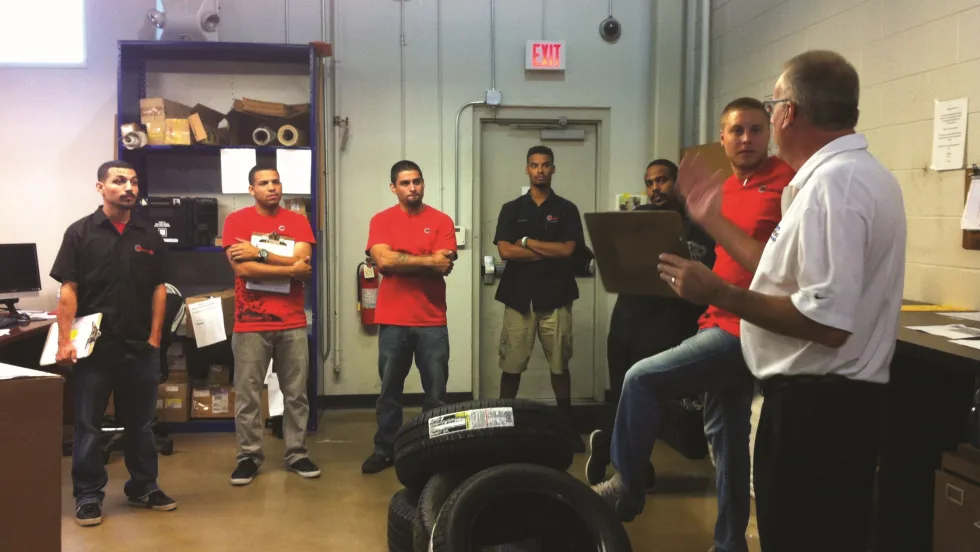
Developing Budget-Friendly Driver Safety Programs
From driver training and safety meetings to one-on-one coaching and incentive programs, several small fleets share how they have developed a safety culture with their drivers using low- to no-cost resources.
Read More →
Boosting Last-Mile Fleet Uptime, Safety, and Value with AI Vehicle Inspections
AI-powered inspections are transforming last-mile fleets by replacing manual checks with highly accurate automated scans that detect defects in seconds. By giving fleet operations visibility into the daily condition of their vehicles, you can identify trends over the vehicle’s lifecycle that enable improved procurement decisions, route management, driver training and accountability.
Read More →
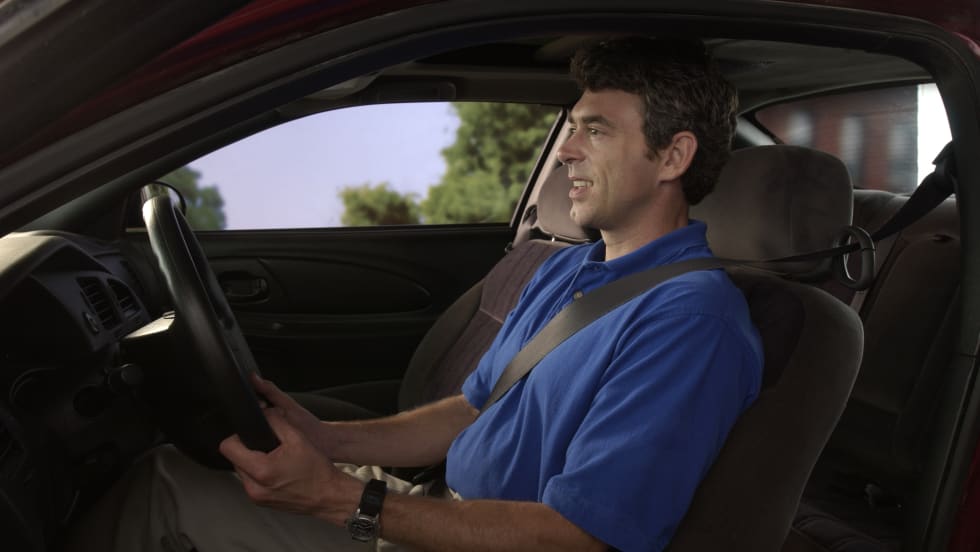
Five Ways Seat Belts Help Prevent Injuries
There are five ways seat belts protect occupants from injuries, according to the Tennessee Department of Safety and Homeland Security.
Read More →
Basic Tracking vs Next Generation Fleet Technology
Fleet software is getting more sophisticated and effective than ever, tying big data models together to transform maintenance, safety, and the value of your existing tech stack. Fleet technology upgrades are undoubtedly an investment, but updated technology can offer a much higher return. Read how upgrading your fleet technology can increase the return on your investment.
Read More →
It’s here: The 2026 Fleet Technology Trends Report
What does AI mean for fleets? Get the answer — and learn other top tech trends.
Read More →
Small Fleets, Big Impact: How Independent Drivers Power Wreaths Across America
Check out how small fleets and independent drivers power Wreaths Across America each December and why their impact matters more than ever.
Read More →
VMS Survey Finds 65% of Small Fleet Managers Run Operations Alone
A new VMS survey shows small fleet managers are stretched thin, with most handling operations solo and eager to adopt digital tools for relief.
Read More →
Tips for Driving Safely on Halloween Night
This video features a reminder from the Connecticut Department of Transportation (DOT) and the Connecticut Police Chiefs Association, urging drivers to prioritize safety this Halloween.
Read More →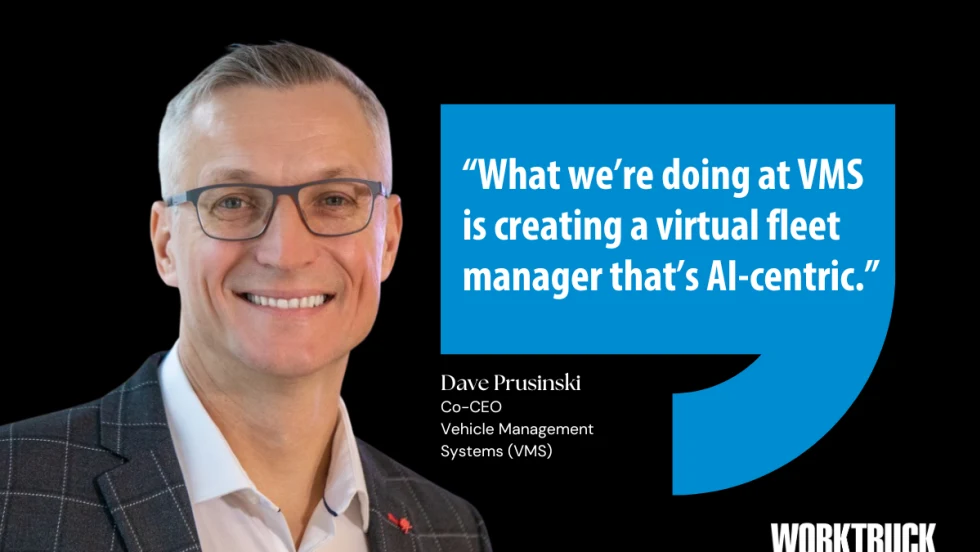
AI, Access, and Uptime: VMS’s Next Chapter with David Prusinski
VMS’s new Co-CEO, David Prusinski, shares how an AI-first approach will give small fleets and repair shops the tools to compete like big players.
Read More →