




Related: CARB Certifies Workhorse C-Series Electric Delivery Truck
Workhorse Hit with COVID-19, Revises Volume Targets
The maker of commercial electric vehicles won’t meet its projected production target of 300-400 vehicles in 2020 in part due to more than 36% of its production-related staff having contracted the coronavirus or quarantined awaiting results.
by Staff
November 9, 2020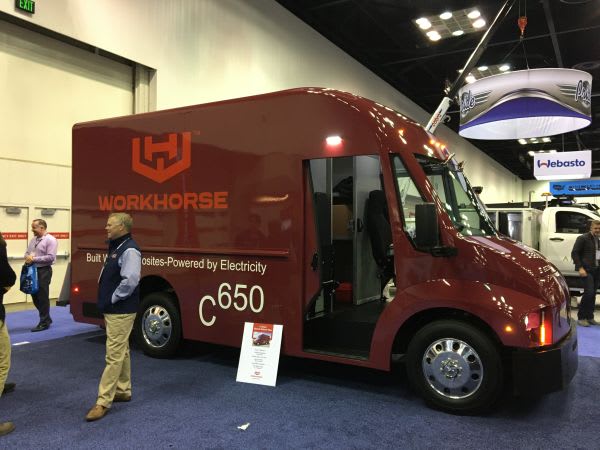
Workhorse unveiled the C-650 step van at the 2020 Work Truck Show in March.
Photo by Chris Brown.
2 min to read
In reporting its third quarter financial results, Workhorse Group Inc., makers of drone-integrated electric vehicles to the last-mile delivery sector, has lowered its production volume targets for 2020 and set a target for 2021 of 1,800 vehicles.
"Previously, we projected 300-400 vehicles to be produced by the end of 2020, mostly in the fourth quarter,” said Workhorse CEO Duane Hughes in a statement. “Although we will still manufacture and deliver vehicles in Q4, it will be a substantially lower amount than our previous guidance.”
In terms of causality, the company cited the inability of its primary battery supplier to meet volumes due to capacity issues and COVID-related slowdowns. Workhorse also said that more than 36% of its production-related staff is currently out with the virus or quarantined awaiting results.
The company has modified its assembly process, limited production support from third party sources, and delayed planned additions to our assembly staff.
"We view this as only a delay in our progress,” Hughes said. “We've introduced several new battery supplier options into our supply chain and will have supplemental volume additions in the first quarter of 2021.”
“While we cannot predict the full impact from COVID right now, let alone in 2021, when conditions improve and the coronavirus is no longer a business issue for us and our suppliers, then we would anticipate producing approximately 1,800 units in 2021," Hughes continued.
Sales for the third quarter of 2020 were recorded at $565,000 compared to $4,000 in the third quarter of 2019. Net loss was $84.1 million, compared with a net loss of $11.5 million in the third quarter of 2019. Operating income during the period was a loss of $9.8 million compared to a loss of $5.6 million in the third quarter of 2019.
In other highlights for the quarter, Workhorse received a purchase order for 500 C-1000 trucks from Pritchard Auto Company for its National Fleet Program and recorded additional sales orders from Fluid Systems and eTrucks LLC.
Workhorse received approval for the New York Truck Voucher Incentive Program (NYTVIP) to offer monetary vouchers for C-Series all-electric delivery vehicles in select New York State counties. The company also closed financing and converted existing notes into stock shares, which provided over $260 million in cash.
The company entered into an agreement with Hitachi Capital America to assist in developing a national dealer network and vehicle financing options for both dealers and customers, including dealer floorplan programs.
Topics:Electric TrucksCOVID-19Commercial Electric VehiclesQuarterly EarningsWorkhorseTruck ProductionGreen FleetSmall Fleet
Originally posted on Automotive Fleet
More Green Fleet

Fleet Forward Conference Introduces One-Day Passes for 2026
New one-day registration gives fleet professionals the flexibility to attend Tuesday, Wednesday, or Thursday, with passes available for $199 through Sept. 18.
Read More →
CALSTART Rebrands as Catalyst Mobility, Will Combine with Forth in 2027
CALSTART has rebranded as Catalyst Mobility and will combine with Forth at the start of 2027. The new organization said it is poised to become one of the world's largest, strongest, and most impactful clean transportation nonprofits.
Read More →
Electric Truck and Charging Programs to Boost Sustainability at NY & NJ Ports
Together, the Port Authority of New York and New Jersey and CALSTART will electrify drayage and terminal operations serving the East Coast’s busiest container port. A pair of incentive programs totaling $45 million has launched to accelerate adoption of zero-emission drayage trucks and terminal tractors.
Read More →
Xos Hub Surpasses One Gigawatt-Hour of Energy Delivered in the Field
A single Xos Hub has surpassed one gigawatt-hour of energy across more than 33,600 charging sessions in the field, demonstrating performance that supports Xos' expansion across new products and markets.
Read More →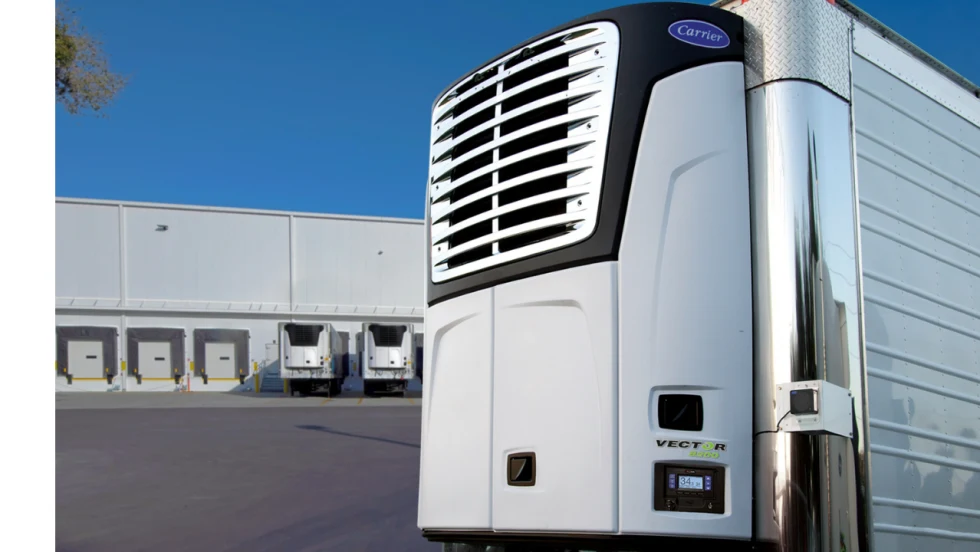
Carrier Transicold Launches All-Electric Vector 8200 TRU for Diesel-Free On-Site Cold Storage
Carrier Transicold’s first engineless multi-temperature TRU helps fresh- and frozen-food fleets add supplemental cold storage capacity during seasonal peaks.
Read More →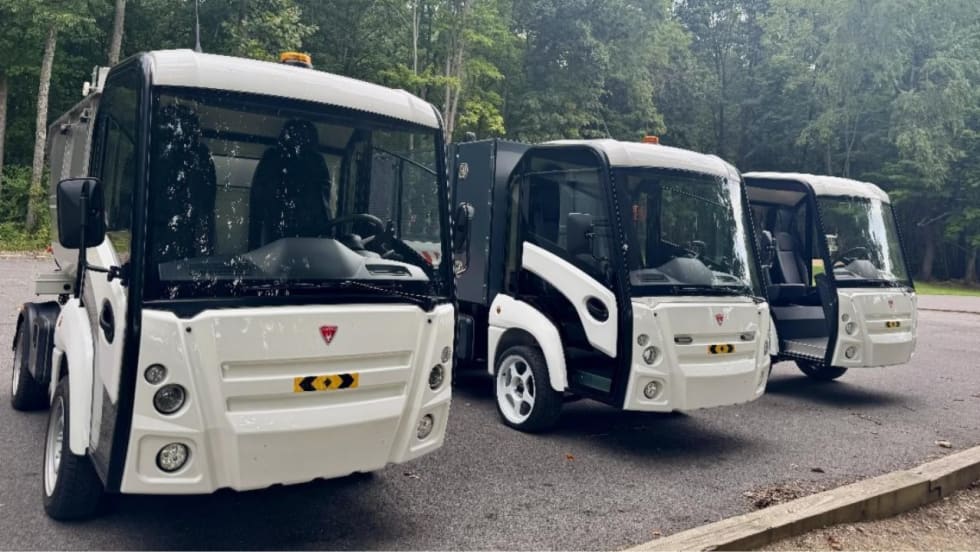
Narro Trucks Introduces Electric Utility Vehicle
Narro Trucks officially launched its operations on Aug. 20 and hosted a ride and drive to showcase its electric truck, which will be produced in Virginia.
Read More →
Samsung SDI Takes Full Control of GM Battery JV as Indiana Plant Pivots to Energy Storage
Samsung SDI is taking full control of its Indiana battery plant with GM, marking a major shift from the EV-focused joint venture Charged Fleet first covered in 2023.
Read More →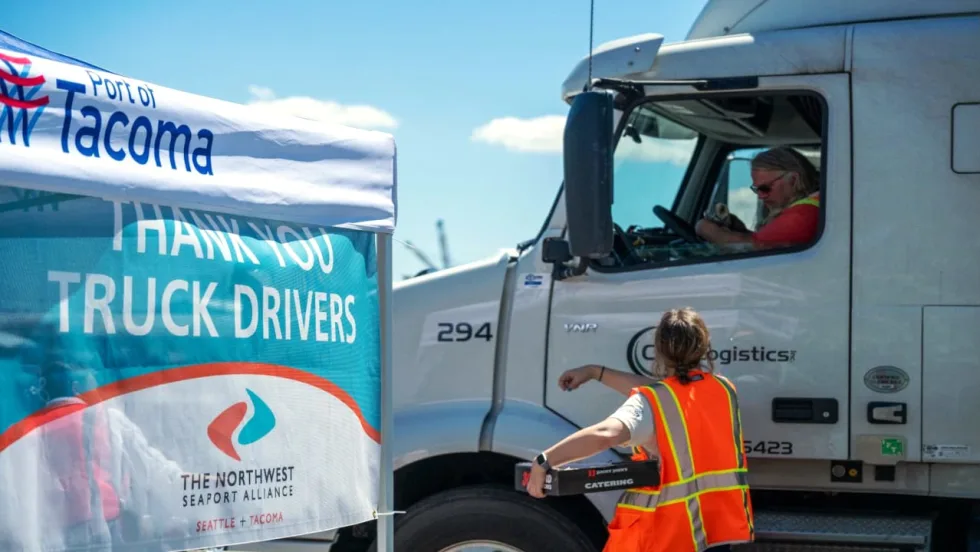
NWSA Taps CALSTART to Administer Zero-Emission Drayage Assistance Program
CALSTART will provide free technical assistance services to drayage fleets serving the Ports of Seattle and Tacoma and looking to transition to cleaner technologies and help decarbonize freight hubs.
Read More →
EV Fleet Reality Check: What Operators Wish They Knew Before Electrifying Their Work Vans
Electric work truck upfits bring new compatibility questions. Learn how parts availability, OEM guidance, power demands, and route planning can affect fleet performance.
Read More →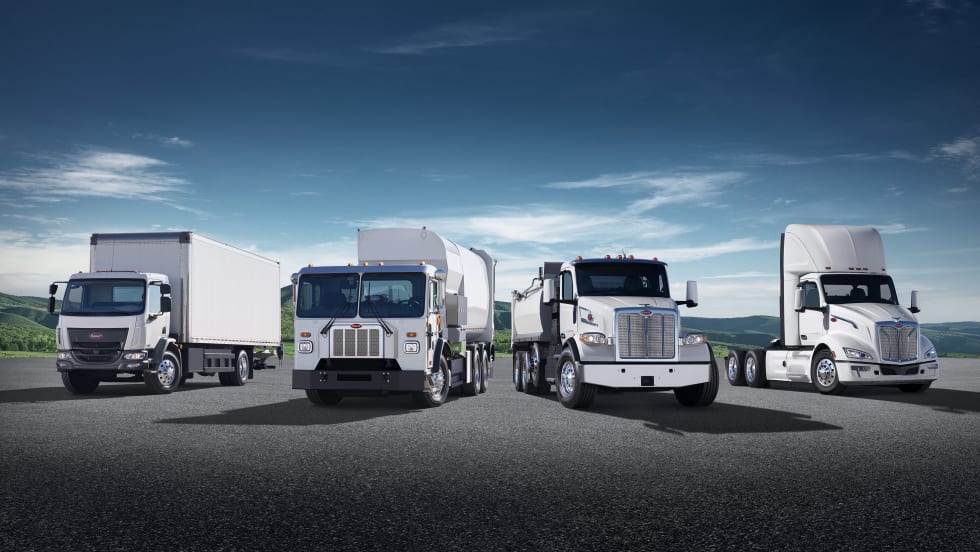
Peterbilt Expands Sourcewell Partnership with Electric Vehicle Lineup
Peterbilt Motors Company’s cooperative purchasing agreement with Sourcewell and its Canadian partner, Canoe Procurement Group, now includes including Peterbilt's battery-electric vehicle lineup.
Read More →